nzb360 v25 Released: Watch Tracking Added, Media Server Management Leveled Up
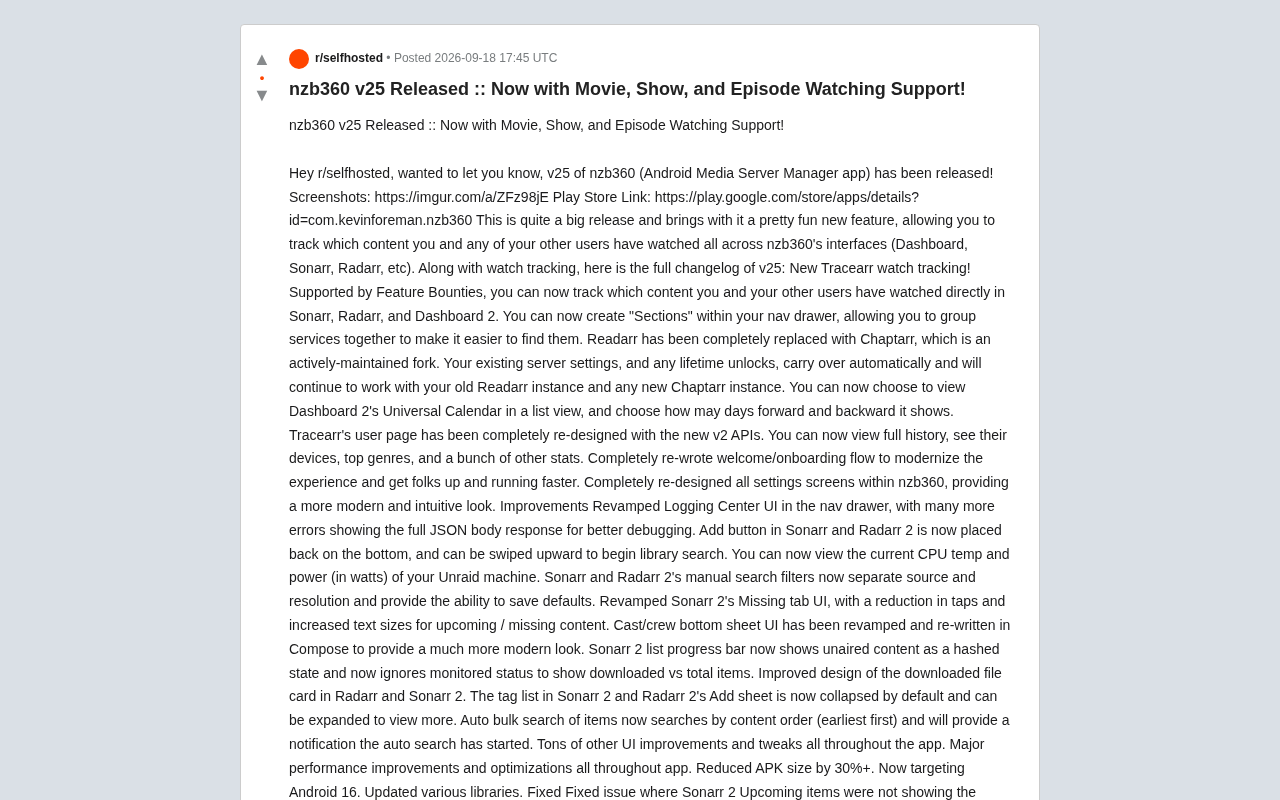
nzb360 v25 brings multi-user watch tracking, Chaptarr replacing Readarr, and a major performance overhaul.
nzb360 v25 is a major update to this Android self-hosted media management app. The headline feature is Tracearr watch tracking — community-bounty-funded — enabling multi-user watch history, device usage, and genre stats inside Sonarr, Radarr, and Dashboard 2. Chaptarr fully replaces Readarr with automatic migration of settings and lifetime unlocks. Navigation gains service sections and a customizable calendar view, all settings screens and onboarding are redesigned, and some components move to Jetpack Compose. The APK shrinks by over 30%, the target platform rises to Android 16, and several timezone and queue bugs are fixed.
nzb360 is an Android app for managing media servers, long popular among self-hosted enthusiasts who manage Sonarr, Radarr, download clients, and other services. The developer recently announced the v25 major update on the r/selfhosted community, bringing a highly anticipated watch tracking feature alongside a large-scale UI and performance overhaul.
Tracearr Watch Tracking: The Headline Feature
For users running multi-user media libraries, the standout new feature in v25 is Tracearr watch tracking. Driven by the Feature Bounties mechanism, this feature lets you track what you and other users have watched — directly within the Sonarr, Radarr, and Dashboard 2 interfaces.
In practice, admins no longer need to jump to a separate tool to check viewing progress across a household or multi-user setup. This is especially useful for family shared media libraries or friend groups sharing Plex/Jellyfin servers.
Alongside watch tracking, Tracearr's user pages have been completely redesigned based on the new v2 API. You can now view full watch history, the devices users watched on, top genres, and a range of statistics — making media consumption patterns fully visible.
Tracearr pulls user watch data from the playback history APIs of media servers like Plex, Jellyfin, or Emby. These platforms record each account's playback events, progress, and device information. Tracearr aggregates this data into nzb360's unified interface via the relevant APIs. The v2 API typically offers more granular data fields (such as specific playback duration and pause points) and more stable permission controls compared to the older version — which is why the new user pages can display rich stats like device types and genre preferences. The Feature Bounties mechanism is nzb360's approach to community-driven development: users crowdfund the features they want most, and once the prize pool hits the developer's threshold, that feature gets prioritized. Tracearr is a direct product of this system.
Structural Improvements to Navigation and the Dashboard
v25 puts considerable work into how information is organized. Users can now create Sections in the nav drawer to group related services together. When you're connected to multiple service instances, this grouping significantly reduces the friction of finding what you need.
Dashboard 2's Universal Calendar gains a list view option, along with customizable forward and backward day counts. For users tracking episode releases and movie drop schedules, this flexibility makes the calendar genuinely fit personal habits.
Notably, the integrated Readarr has been fully replaced by Chaptarr — an actively maintained fork. The developer emphasizes a painless migration: existing server settings and any lifetime unlock entitlements are automatically preserved, and both legacy Readarr instances and new Chaptarr instances are supported.
Readarr is the *arr ecosystem's automation tool for managing ebooks and audiobooks, architecturally in the same family as Sonarr (TV) and Radarr (movies). Chaptarr is a community fork of Readarr, born out of a period when the official Readarr project slowed its maintenance cadence and accumulated a backlog of issues. The fork inherits the entire original codebase but is driven forward by a more active group of contributors. Because the two are highly API-compatible, nzb360 can support both old Readarr instances and new Chaptarr instances without requiring users to reconfigure server addresses or credentials.
UI Modernization and Improved Debugging
This release brings a sweeping rewrite of nzb360's overall visual design. All settings screens have been redesigned with a more modern, intuitive look, and the onboarding flow has been completely rewritten to help new users get configured faster.
On the debugging side, the Logging Center UI in the nav drawer has been refreshed, and more errors now display the full JSON response body — making it easier to diagnose problems. For self-hosted users who frequently need to debug API connections, this is a practical and welcome improvement.
Sonarr and Radarr 2 also receive several refinements: manual search filters now separate source from resolution and support saving defaults; the Missing tab UI has been redesigned to reduce steps and increase text size; and the cast/crew bottom sheet has been rewritten in Compose for a more modern look. You can also now view current CPU temperature and power draw (in watts) for Unraid machines, further enhancing hardware monitoring capabilities.
nzb360's UI is progressively migrating to Jetpack Compose. Compose is Google's declarative UI framework that describes UI state with less code than the traditional XML layout + View system, and has natural advantages in animations and theme consistency. The cast/crew bottom sheet rewrite in Compose is a microcosm of this migration — incremental replacement lets developers enjoy Compose's productivity and runtime performance gains module by module, without scrapping legacy code wholesale. This also helps explain why the APK size can shrink by over 30% even as features are added (the Compose compiler can eliminate a large amount of redundant View hierarchy code).
Performance Improvements and Stability Fixes
Beyond new features, v25 shows clear investment in engineering quality. The developer describes "major performance optimizations throughout the app," and has reduced the APK size by over 30%, bumped the target platform to Android 16, and updated several dependencies.
The release also addresses several real-world pain points, including:
- Fixed Sonarr 2 showing incorrect air dates for upcoming items in certain timezones
- Fixed Sonarr 2 Activity Queue failing to display all items
- Fixed "Download Anyway" not working in manual Sonarr 2 releases
- General stability improvements
Wrap-Up
Looking at the full changelog, nzb360 v25 is a major release that balances feature expansion with engineering overhaul. Tracearr watch tracking fills the gap in behavioral visibility for multi-user media libraries, Chaptarr replacing Readarr ensures long-term maintainability, and the 30%+ size reduction alongside global performance improvements make everyday use smoother. For Android users building a self-hosted media stack around Sonarr and Radarr, this is an update worth installing.
Related articles
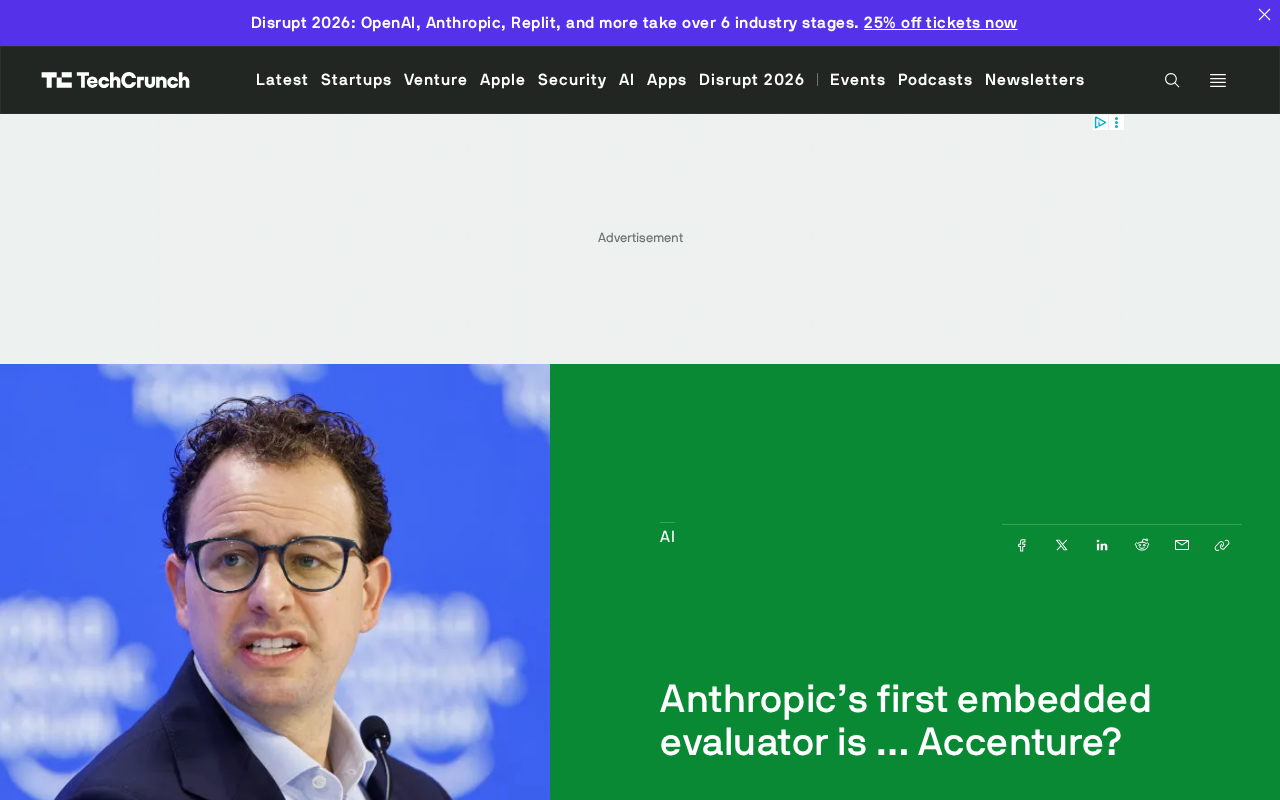
Accenture Becomes Anthropic's First Embedded Evaluator — What Does This Mean?
Accenture is reportedly becoming Anthropic's first "embedded evaluator" — described as the highest-stakes consulting engagement in Accenture's history. What does this signal about the AI industry?
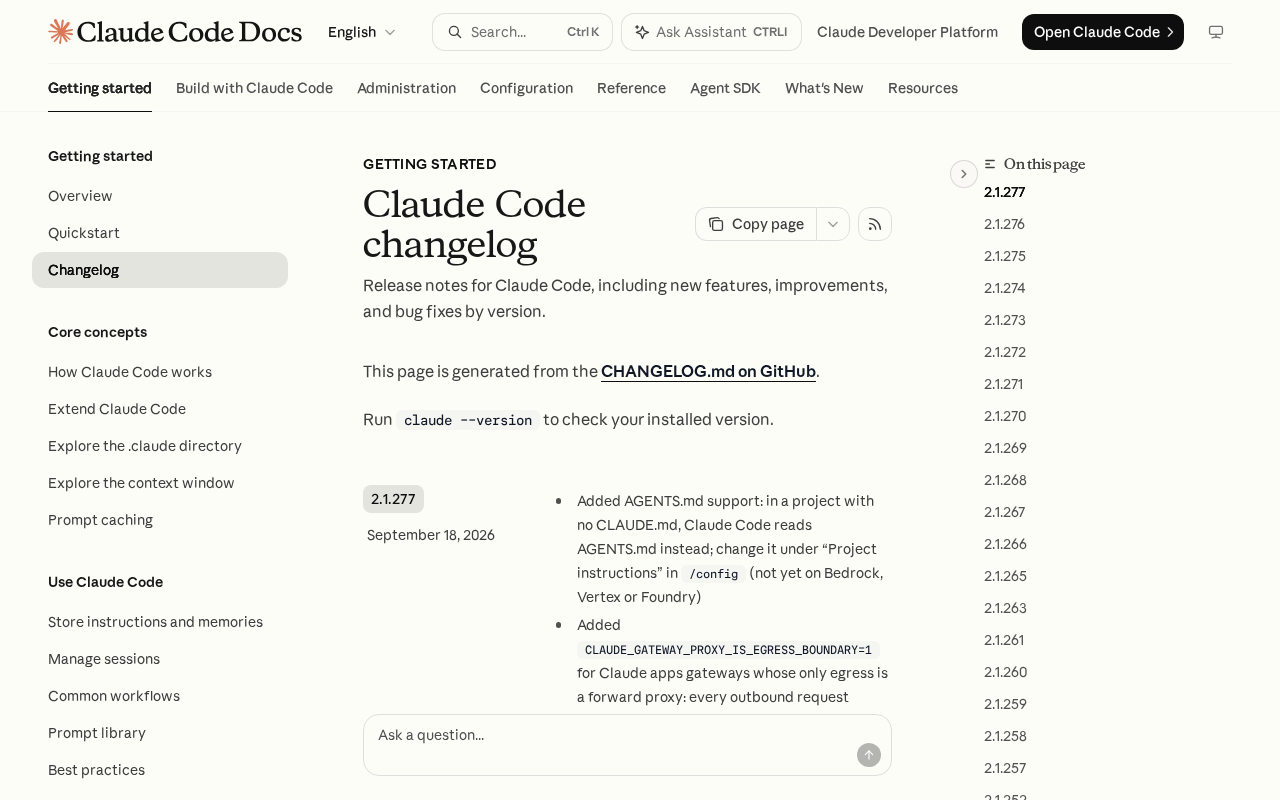
Claude Code Now Reads AGENTS.md: AI Coding Tool Configurations Move Toward Standardization
Claude Code now falls back to reading AGENTS.md when CLAUDE.md is absent, signaling a push toward standardized AI coding tool configuration. Here's what it means.
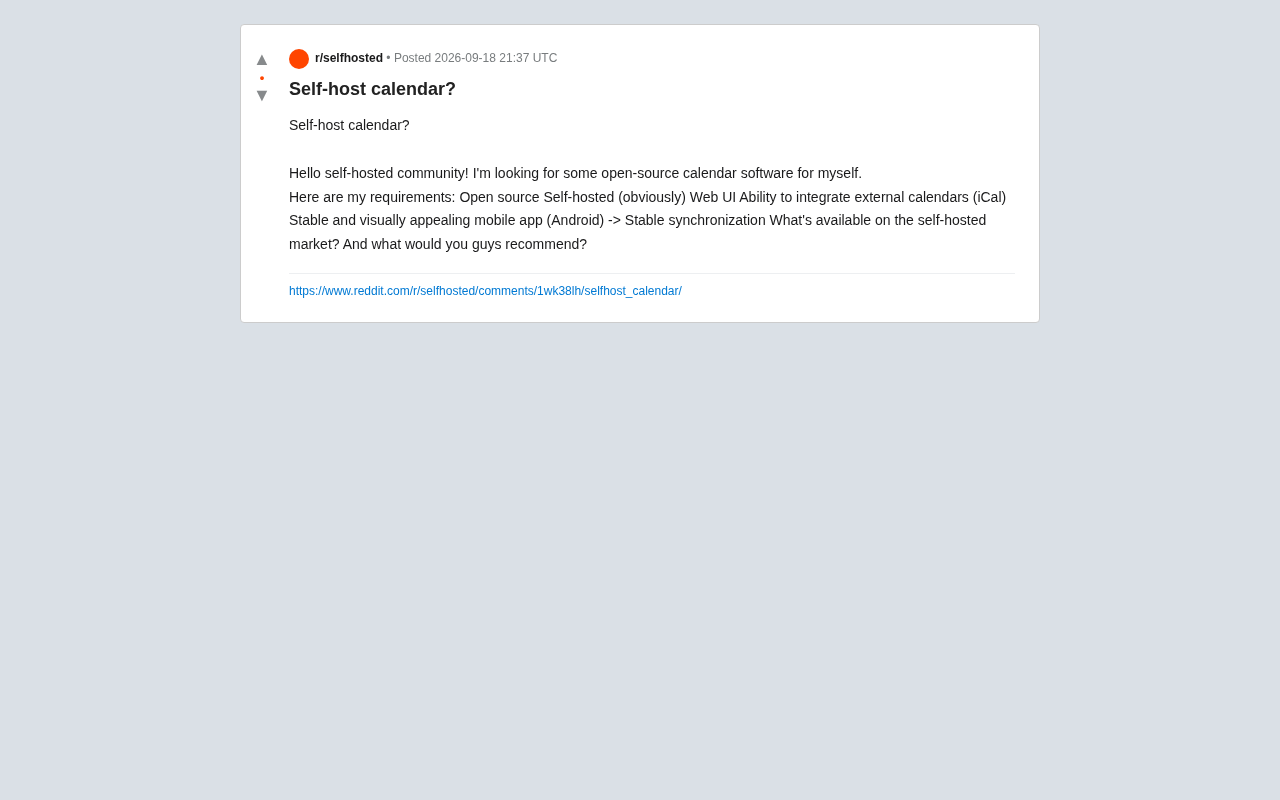
How to Choose a Self-Hosted Calendar App: Open Source Options and Key Requirements
Looking for an open source, self-hosted calendar with iCal integration and Android sync? This guide breaks down CalDAV options, key trade-offs, and how to choose the right setup.