Imagination Is Productivity: Those Who Can Envision the Future Will Build It
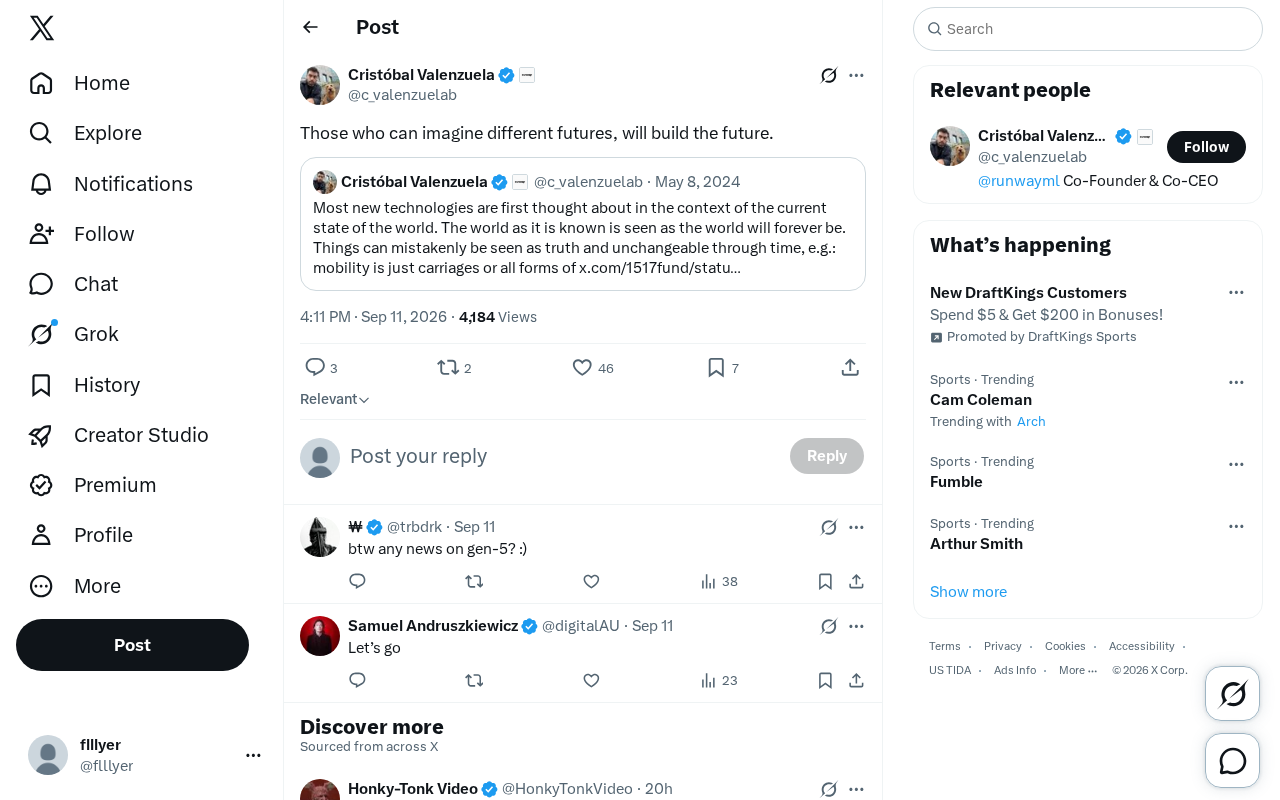
When AI drives execution costs to zero, imagination becomes the last true competitive moat for creators.
Built around the phrase "Those who can imagine different futures will build the future," this article argues that as AI, LLMs, and low-code tools slash technical execution barriers, competition shifts from "can it be done" to "what should be built" — making imagination the scarce resource. Genuine imagination isn't linear trend extrapolation but the capacity to break from existing frameworks and envision radically different possibilities. The article warns against two extremes: heads-down executors who never look up, and grand visionaries who never ship. Those who truly build the future combine imaginative thinking with engineering execution — and AI tools are what bridge that gap.
The Big Idea Behind One Sentence
"Those who can imagine different futures, will build the future." This short phrase circulating on social media may look like just another motivational quote — but it precisely identifies the most critical capability in today's AI era: imagination.
As technical skills become increasingly "democratized" by tools and models, the barriers to writing code, generating content, and deploying algorithms are dropping fast. What's truly scarce is no longer execution-level skill, but rather the mindset that can conceive of "how things could be otherwise." This article takes that phrase as a starting point to explore why, in the age of AI, imagination is becoming the key variable that determines who leads the pack.
Why Imagination Has Become a Scarce Resource
For the past few decades, the bottleneck in technological progress was often "can it be done at all?" Building a product required engineers, servers, and lengthy development cycles. Now, large language models, low-code platforms, and AI-assisted programming are pushing the cost of "making it happen" toward zero.
As execution costs approach zero, the competitive battleground shifts to "what should we build?" And that is precisely the domain of imagination. The ability to envision a product that doesn't yet exist, a brand-new interaction paradigm, or an unmet need — this is what separates creators from followers.
Put differently: the more powerful the tools, the more valuable the person who asks the right questions. AI can give you ten thousand answers, but it won't decide for you which question to ask or which future to pursue.
What Does "Imagining Different Futures" Actually Mean?
The key word in that phrase is "different." It's not about linearly extrapolating from existing trends — it's about breaking out of established frameworks to envision an alternative possibility.
History's genuine breakthroughs almost always came from people who refused to accept "that's just how things are." Before the personal computer, computing was imagined as something exclusive to corporations and governments. Before the smartphone, phones were imagined as tools for making calls. Every paradigm shift began with someone first "seeing" a future others couldn't see — and then making it real.
This is especially true in AI. Today's debates around AGI, intelligent agents, and human-machine collaboration are, at their core, a large-scale competition in "future imagination." Whoever imagines more boldly, more concretely, and closer to genuine human needs is most likely to define the shape of the next era.
The Gap Between Imagining and Building
Of course, imagination alone isn't enough. The second half of the original phrase matters just as much — "will build the future." Between imagination and building lies a vast distance filled with execution, patience, and countless failures.
Two extremes are worth guarding against: one is the "heads-down executor" who never looks up to check direction — efficient at running, but possibly running the wrong way. The other is the "grand visionary" who is captivated by sweeping narratives but never actually ships anything, forever living inside a slide deck.
The people who truly build the future are those who combine imagination with engineering capability. They can envision a different future, and they're willing to anchor that vision in reality through concrete products, code, and experiments — step by step. The real significance of AI tools is that they dramatically shorten the distance from "thinking it" to "doing it," giving more imaginative people the ability to actually build what they conceive.
Takeaways for Creators
For those working in tech, this phrase offers a framework worth returning to again and again:
- Am I optimizing what already exists, or imagining something entirely new? The former yields incremental improvement; only the latter can produce paradigm shifts.
- Is my vision "different" enough? If everyone can think of it, it probably doesn't constitute a real competitive edge.
- Do I have a path to actually build it? Imagination without the ability to execute is just fantasy.
As AI rapidly reshapes every industry, the best strategy may not be to chase every hot new tool, but to train your capacity to "imagine different futures" — and maintain the drive to build them. Technology will keep evolving, but the act of envisioning and creating will never go out of style.
Closing Thoughts
This simple phrase resonates because it articulates a plain but profound truth: the future doesn't belong to those who move fastest, but to those who see furthest — and are willing to roll up their sleeves. In an age where tools keep getting more powerful and barriers keep falling, imagination is the last true moat.
Related articles
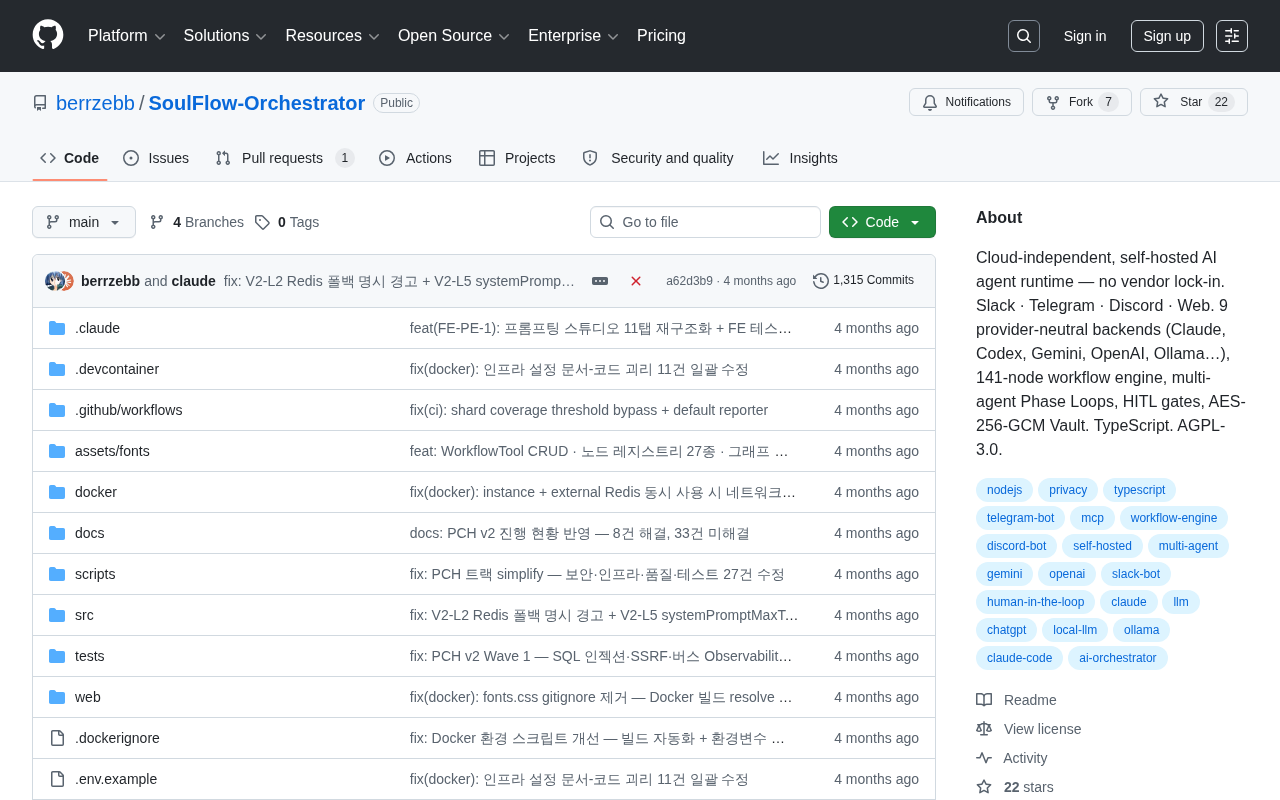
SoulFlow-Orchestrator: A Self-Hosted, Vendor-Lock-In-Free AI Agent Runtime
SoulFlow-Orchestrator is an open-source, self-hosted AI agent runtime with no vendor lock-in. Supports 9 neutral backends (Claude, OpenAI, Ollama), 141-node workflow engine, multi-agent loops, and HITL gates.
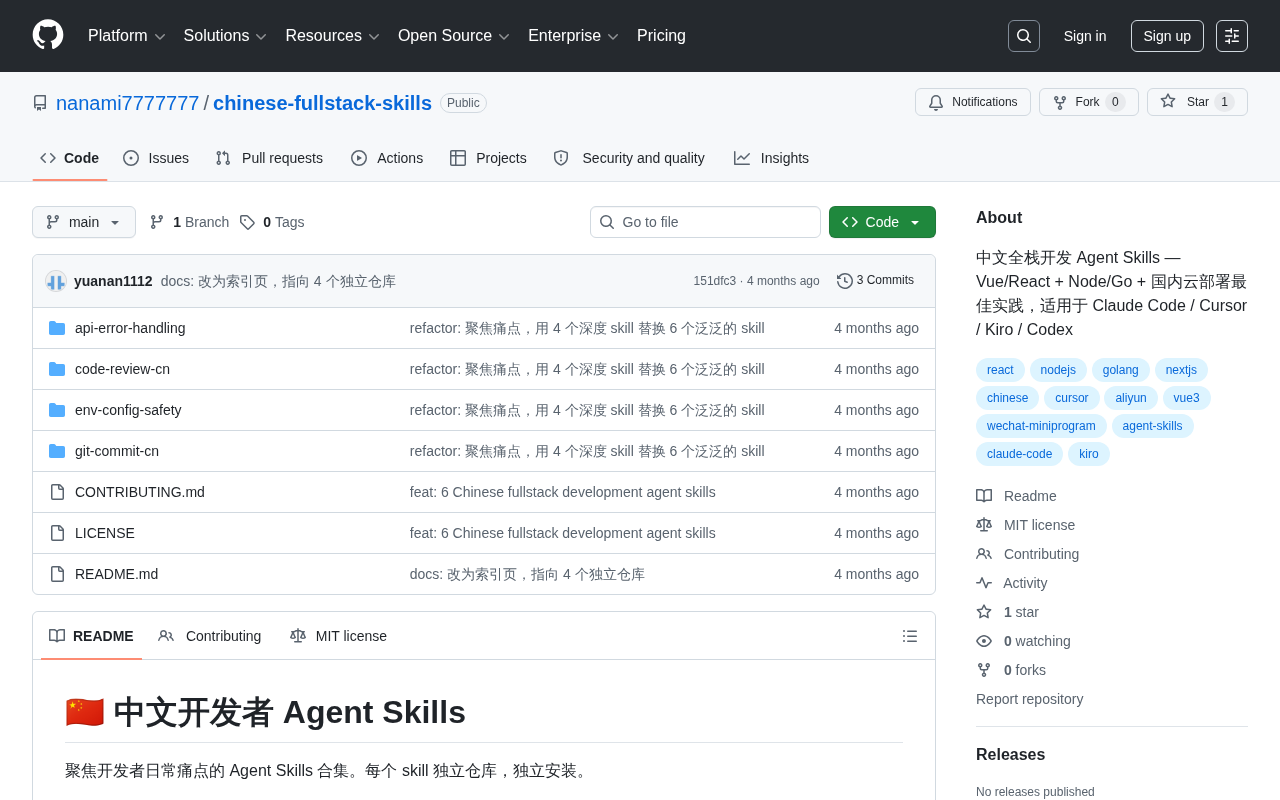
Chinese Full-Stack Agent Skills: A Skill Library Tailored for Domestic AI-Assisted Development
chinese-fullstack-skills is an Agent Skills library for Chinese full-stack development, covering Vue/React, Node/Go, and domestic cloud deployment best practices. Compatible with Claude Code, Cursor, Kiro, and Codex.
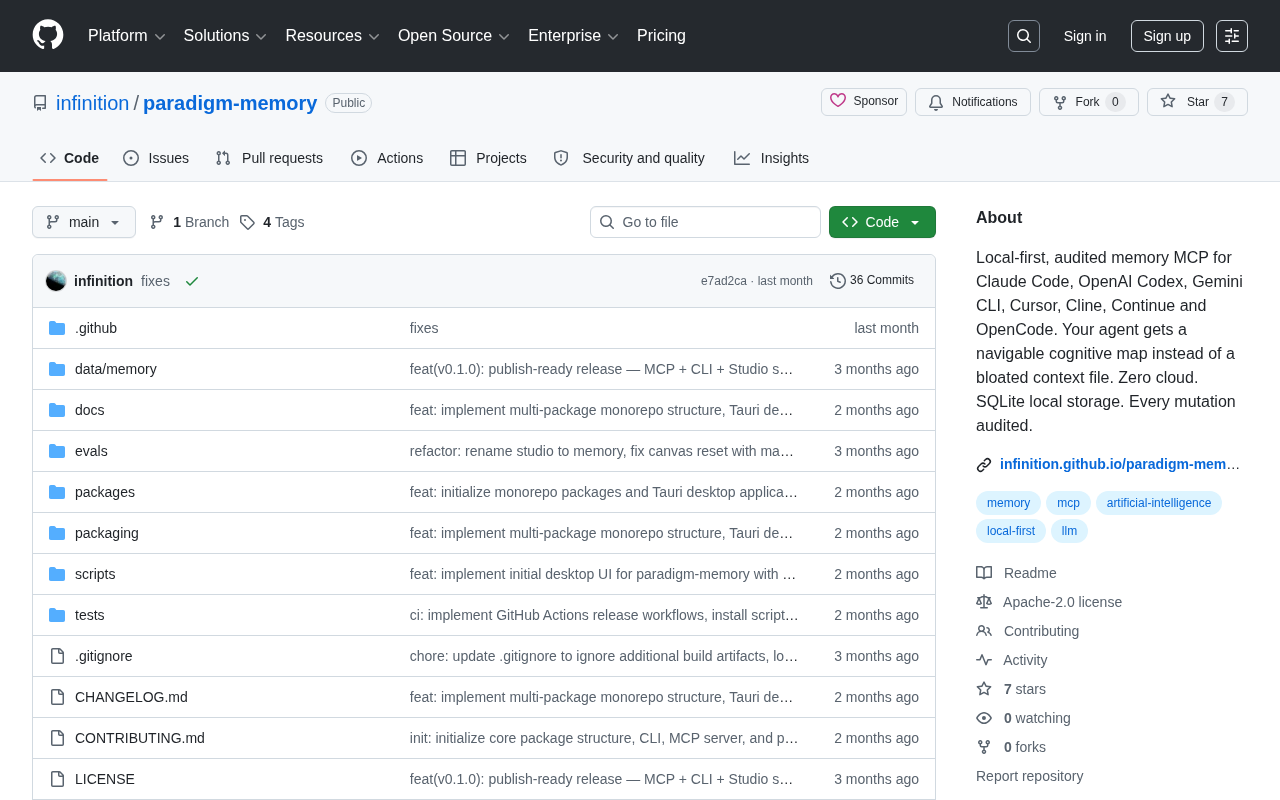
Paradigm Memory: A Local-First Memory System for AI Coding Assistants
paradigm-memory is a local MCP memory tool for Claude Code, Cursor, and Cline. It uses SQLite local storage, zero cloud, full audit trails, and a navigable cognitive map instead of bloated context files.