India's UPI to Charge for Large Transactions: How a 0.4% Merchant Fee Will Reshape Digital Payments

India introduces a 0.4% merchant fee on large UPI transactions starting October 15, ending its fully free payment model.
India is set to apply a 0.4% Merchant Discount Rate (MDR) to certain high-value UPI transactions — the first systemic fee since UPI launched in 2016. Small everyday payments remain free, reflecting a tiered approach that protects financial inclusion while sharing costs for large commercial transactions. At 0.4%, the fee is far below credit card network rates, keeping UPI competitively priced. The move is driven by sustainability concerns: with monthly volumes exceeding 13 billion transactions, the existing model reliant on government subsidies and bank cross-subsidization has reached its limits. How merchants, consumers, and competing payment channels respond will determine the policy's ultimate success — and India's experience offers a critical reference for other emerging markets building on the UPI model.
India Ends the Free UPI Era
India is set to introduce merchant fees on certain transactions made through its ubiquitous Unified Payments Interface (UPI). According to the latest reports, starting October 15, specific UPI payments will be subject to a 0.4% Merchant Discount Rate (MDR). This marks a new phase for India's digital payments ecosystem — one that moves away from a fully free model, particularly for high-value transactions.
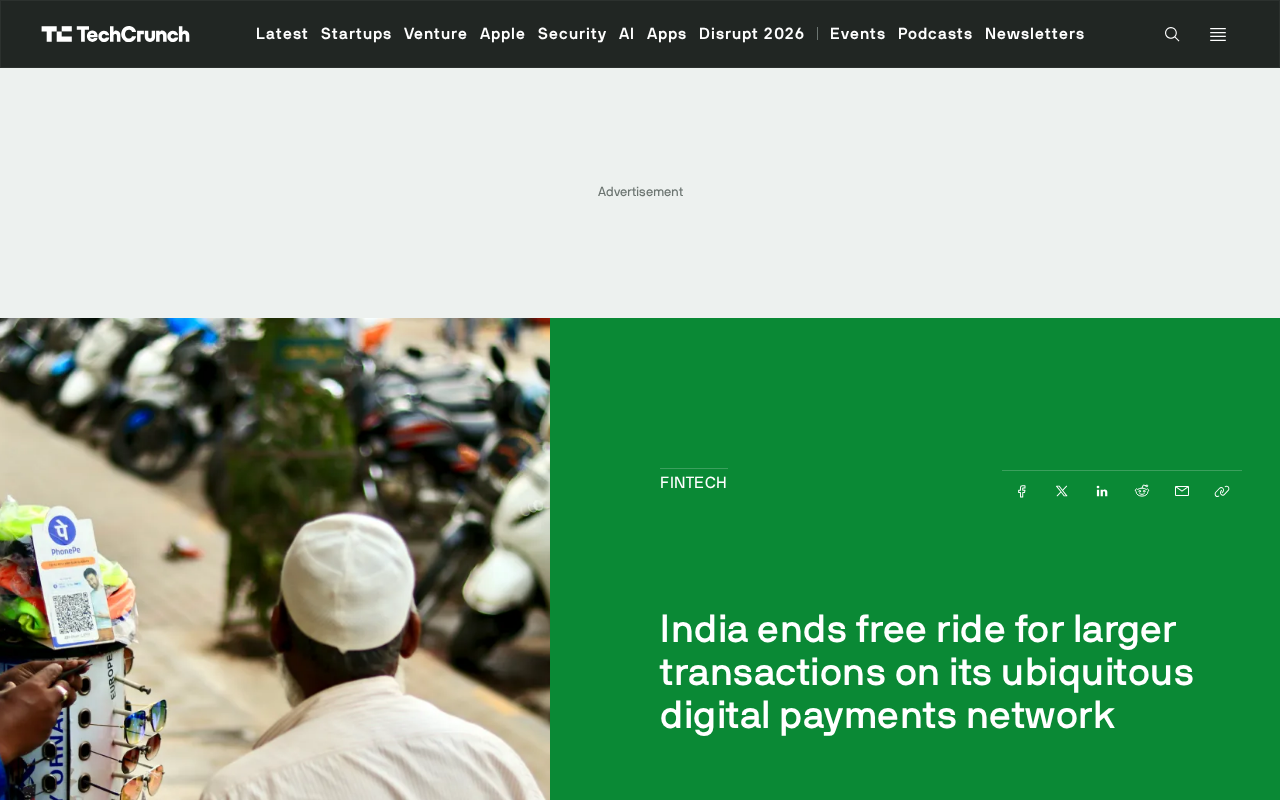
UPI is a real-time payment system developed by the National Payments Corporation of India (NPCI). Its free and frictionless nature has made it a fixture across Indian society — from street vendors to major retail chains, QR code payments are virtually everywhere. The zero-fee model has been a key driver of UPI's rapid adoption, and this policy shift will undoubtedly reshape payment habits for both merchants and consumers.
UPI was launched in 2016 by NPCI, built on the Immediate Payment Service (IMPS) infrastructure. It allows users to transfer funds across different bank accounts in real time, 24/7, using a Virtual Payment Address (VPA). Its technical foundation follows an "open protocol + multi-app frontend" model — NPCI sets unified standards and clearing rules, while third-party apps like PhonePe, Google Pay, and Paytm compete as front-end interfaces on the same rails. This architecture gives UPI both interoperability and market competitiveness, and it has been cited by the World Bank and IMF as an important model for building digital payment infrastructure in emerging markets. As of 2024, UPI processes over 13 billion transactions per month with annual transaction value exceeding ₹20 trillion, making it one of the largest single real-time payment systems in the world.
Key Details of the New Fee Policy
The core of this policy change is the introduction of a 0.4% merchant fee on "larger transactions" — not a blanket charge on all UPI payments. This means everyday small-value payments will likely remain free, reflecting a deliberate design to balance financial inclusion with the sustainable operation of the system.
At 0.4%, the fee remains well below the rates typical of traditional credit card networks (usually 1.5% to 3%), signaling that regulators want to preserve UPI's cost advantage over other payment methods even as they introduce charges. For merchants, while the fee is relatively modest, any new cost gets scrutinized in thin-margin retail environments, and it may factor into pricing decisions or be passed on to consumers.
Why Break the Free Tradition?
UPI's long-running free model has been underpinned by enormous infrastructure maintenance and transaction processing costs. As transaction volumes grow exponentially, a model sustained purely by government subsidies or bank cross-subsidization faces serious sustainability challenges. Introducing merchant fees on large transactions is essentially building a path toward financial self-sufficiency for this payment network.
Running a digital payments system requires continuous investment — servers, clearing networks, cybersecurity, fraud monitoring, and more. When transaction scale grows beyond a certain threshold, the free model becomes untenable, and moderate fees become a practical choice for keeping the system healthy. This tiered approach — "free for small amounts, fees for large amounts" — protects the inclusive foundation while establishing a fair cost-sharing mechanism for large commercial transactions.
UPI's free model has long relied on two subsidy mechanisms: first, the Indian government's Payment Infrastructure Development Fund (PIDF), which subsidizes acquiring institutions to deploy acceptance terminals in rural areas and small towns; second, banks treating UPI participation as a strategic tool for customer acquisition and deposit retention, voluntarily absorbing transaction processing costs. However, as transaction volumes expand exponentially, both mechanisms face mounting fiscal pressure. According to Reserve Bank of India (RBI) estimates, the all-in processing cost per UPI transaction is approximately ₹0.25 to ₹0.45 — across tens of billions of transactions, the ecosystem's annual implicit subsidy has reached hundreds of billions of rupees. Introducing MDR is essentially transferring a portion of these costs away from the national treasury and bank income statements to the commercial transaction participants who actually benefit — a necessary step toward a market-sustainable payments system.
Potential Impact on India's Payments Ecosystem
The rollout of this policy could trigger a series of ripple effects. Merchants may reassess the cost structure of different payment methods; some large-value transactions could migrate back to bank transfers or other channels, while others may see the cost absorbed into pricing. On the consumer side, if merchants choose to pass on the fee, it could shift user preferences away from UPI for high-value payments.
From a broader perspective, India is a benchmark market in global digital payments, and its decision to introduce UPI fees carries significant weight. Many developing countries have been modeling their real-time payment systems on UPI, and this evolution from fully free to partially fee-based offers an important reference point for how other markets can strike a balance between inclusion and sustainability.
MDR (Merchant Discount Rate) is the fee that merchants pay to acquiring institutions for accepting a particular payment method, typically calculated as a percentage of the transaction amount. MDR revenue is generally split among the card issuer, acquirer, and payment network operator. India had previously banned MDR on UPI transactions initiated from savings accounts in 2020, making this policy reversal notable — though it applies only to "larger transactions" and sets the rate at 0.4%, which remains significantly lower than the 1.5% to 3% range common to international card networks like Visa and Mastercard. For sectors with a high proportion of large daily UPI transactions — such as restaurant chains, travel ticketing, and auto dealerships — the new 0.4% cost will directly affect settlement-side profit margins. Some merchants may respond by incentivizing consumers to use direct bank transfers (NEFT/RTGS) or by setting informal thresholds for UPI payments.
Conclusion
India's introduction of a 0.4% merchant fee on large UPI transactions marks a milestone in the maturation of this universal payment system. The shift from fully free to tiered pricing reflects the inevitable commercial considerations that come with scaling up massive digital infrastructure. The real-world impact will only become clear after October 15, when merchant and consumer behavior in response to the change can be properly assessed.
Related articles
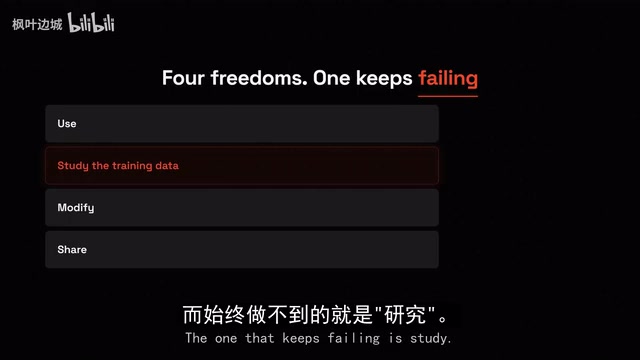
The Truth About Open-Source AI: You Got the Cake, Not the Recipe
Open-source AI exposed: what you download is weights (the cake), not training data or code (the recipe). A deep dive into open weights vs. true open source, Meta/Alibaba/DeepSeek business strategies, and how US/China/EU governments are redrawing the boundaries of openness.
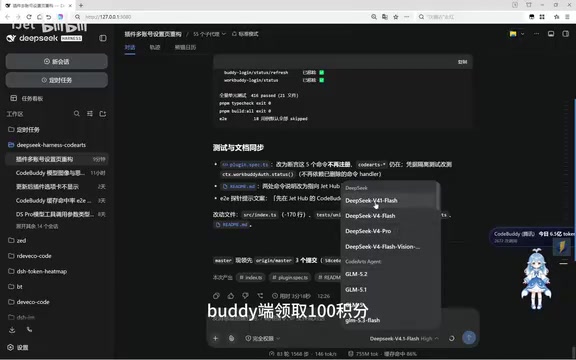
Free DeepSeek V4.1 Flash via DSH: Bulk Point Collection & International WorkBuddy Tested
DSH project update tested: WorkBuddy now offers 100 points per claim, rate limits raised beyond 80M tokens with faster resets, and international WorkBuddy supports free Hunyuan 4 and DeepSeek V4.1 Flash.
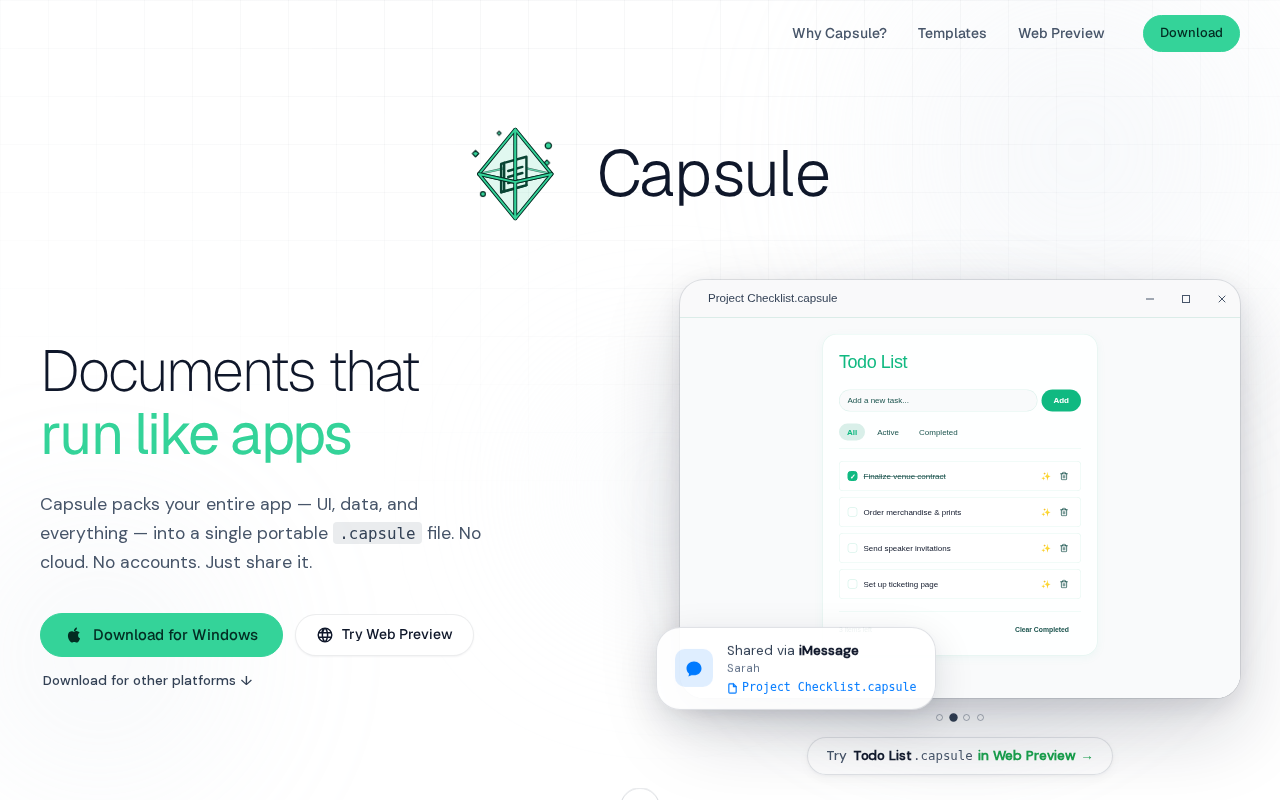
Capsule: Pack Web Apps and Data into a Single SQLite File
Capsule is a Rust/Tauri 2.0 tool that packs HTML web apps and data into a single SQLite file — privacy-first, local storage, portable sharing, with AI support.