Intelligence per Watt: Measuring the Energy Efficiency of Local AI
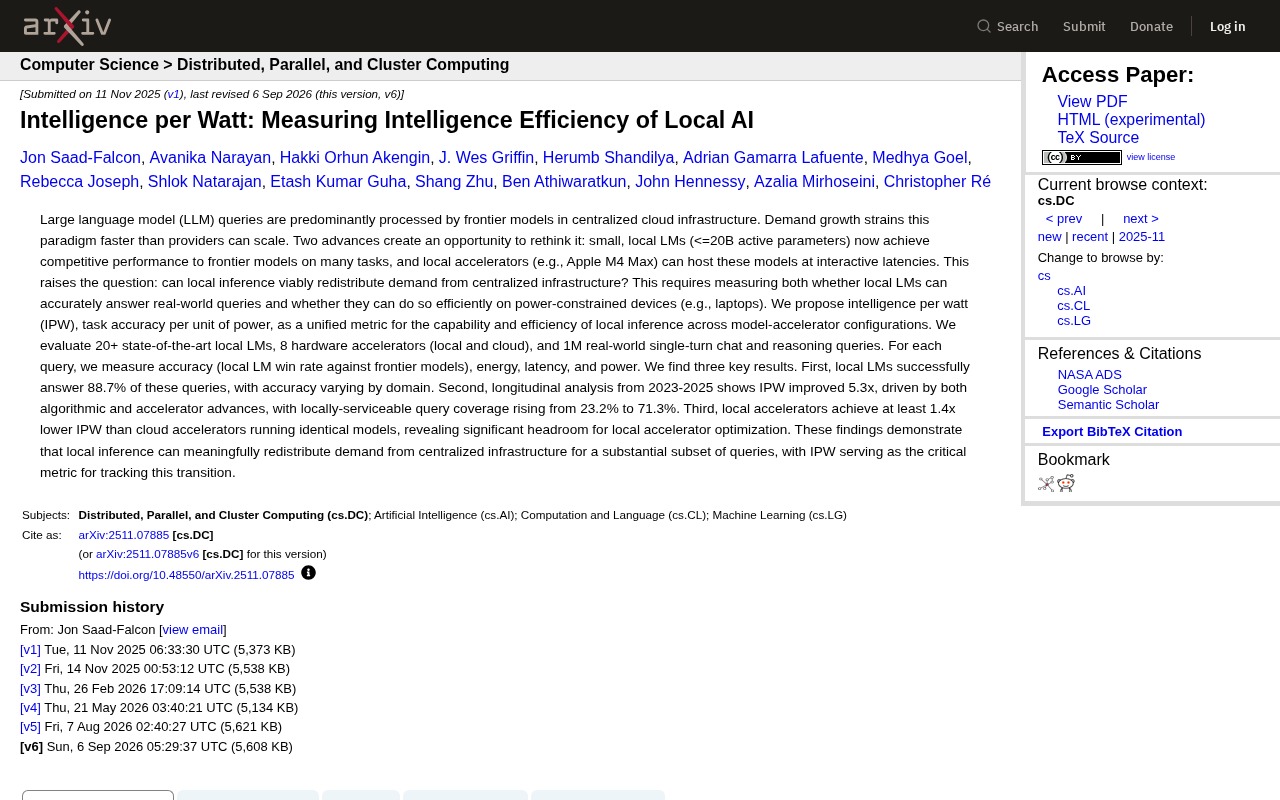
Intelligence per Watt reframes local AI evaluation around energy efficiency rather than raw capability.
As large models move onto smartphones and edge devices, traditional metrics like parameter count and inference speed fail to capture real-world performance under battery and thermal constraints. "Intelligence per Watt" proposes measuring the intelligence produced per unit of power consumed, offering a more practical yardstick for local AI. The metric reflects the combined effect of NPU hardware, quantization, inference engines, and model architecture. While methodological debates remain and the discussion is still in early stages, the concept clearly points to local AI's next optimization frontier: smarter performance within energy constraints.
From Compute to Energy Efficiency: A New Metric for Local AI
As large models migrate from the cloud to local devices, a long-overlooked question is coming into focus: how do we measure the efficiency of local AI? Traditional evaluation criteria tend to center on parameter counts, inference speed, or benchmark scores — but none of these fully capture how a device actually performs under real-world power constraints. "Intelligence per Watt" is a concept proposed to fill exactly this gap: measuring the level of intelligence a device can produce per unit of power consumed, as a way to assess the energy efficiency of local AI.
This concept deserves attention because local inference operates under fundamentally different constraints than cloud inference. Cloud deployments can draw on massive power and cooling infrastructure, while models running on smartphones, laptops, or edge devices are tightly bound by battery capacity, thermal limits, and battery life. In these scenarios, "how fast it runs" matters far less than "how much intelligence you get per joule."
Why Intelligence per Watt Matters for Local AI
The core appeal of local AI lies in privacy, low latency, and offline availability. Users want access to intelligent assistants, translation, image processing, and similar capabilities without needing an internet connection. But for these capabilities to truly reach mobile and edge devices at scale, energy efficiency becomes a non-negotiable threshold.
A model might score impressively on benchmarks, yet if it drains a device's battery rapidly or causes the device to overheat and throttle in real-world use, its practical value is severely diminished. Intelligence per Watt offers a more grounded perspective: it places "intelligence output" and "energy input" on the same scale, helping developers and hardware makers determine which model-hardware combinations are genuinely suited for local deployment.
Hardware-Software Co-optimization Behind the Metric
Intelligence per Watt is not determined by the model alone — it emerges from the interplay of hardware architecture, quantization strategies, inference frameworks, and the model itself. Dedicated NPUs, quantized and compressed model weights, and inference engines optimized for specific chips all significantly affect the final energy efficiency outcome. This means improving local AI efficiency is a systems engineering challenge, one that requires close collaboration between model designers and hardware manufacturers.
The Value and Challenges of This Metric
Quantifying "intelligence" is inherently difficult. Intelligence levels are typically assessed through a suite of task benchmarks, while power consumption can be measured directly. Combining the two into a unified metric can serve as a useful reference for cross-device and cross-model comparisons — but it also invites debate. Different tasks imply different definitions of intelligence, and energy efficiency results can vary considerably depending on the test scenario.
Nevertheless, introducing an energy efficiency dimension is a net positive for the industry. It pushes people beyond the "bigger parameters are always better" mindset toward pursuing optimal performance within constrained resources. For the broader movement toward sustainable computing and green AI, Intelligence per Watt also provides a measurement framework directly tied to energy consumption.
Implications for the Future of Local AI
As smaller, more efficient models continue to emerge, energy efficiency will become a key competitive battleground for local AI. When vendors promote a device's AI capabilities, they may eventually publish Intelligence per Watt figures the same way they advertise battery life and processor performance. For developers, understanding and optimizing along this dimension will be essential to building applications that are both intelligent and power-efficient on real devices.
It is worth noting that this topic remains in the discussion and exploration stage, with limited detailed information currently available from the original Hacker News thread. Further specifics and real-world measurement data have yet to be made public. But as a conceptual framework, "Intelligence per Watt" already points clearly to the next optimization frontier for local AI: not simply chasing greater capability, but pursuing smarter performance within the bounds of energy constraints.
Related articles
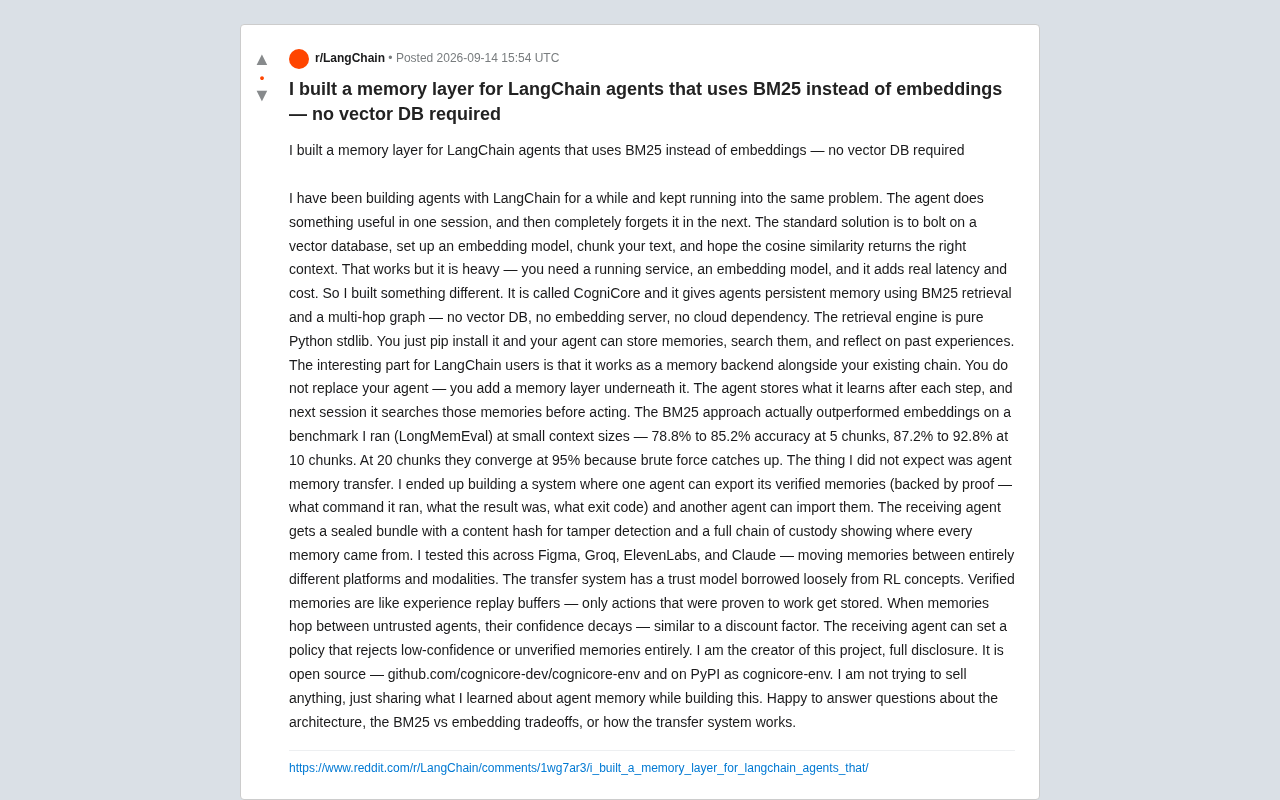
Ditch the Vector Database: Building a Memory Layer for LangChain Agents with BM25
CogniCore replaces vector databases with BM25 retrieval for LangChain agent memory, outperforming embeddings in small-context benchmarks with zero external dependencies.
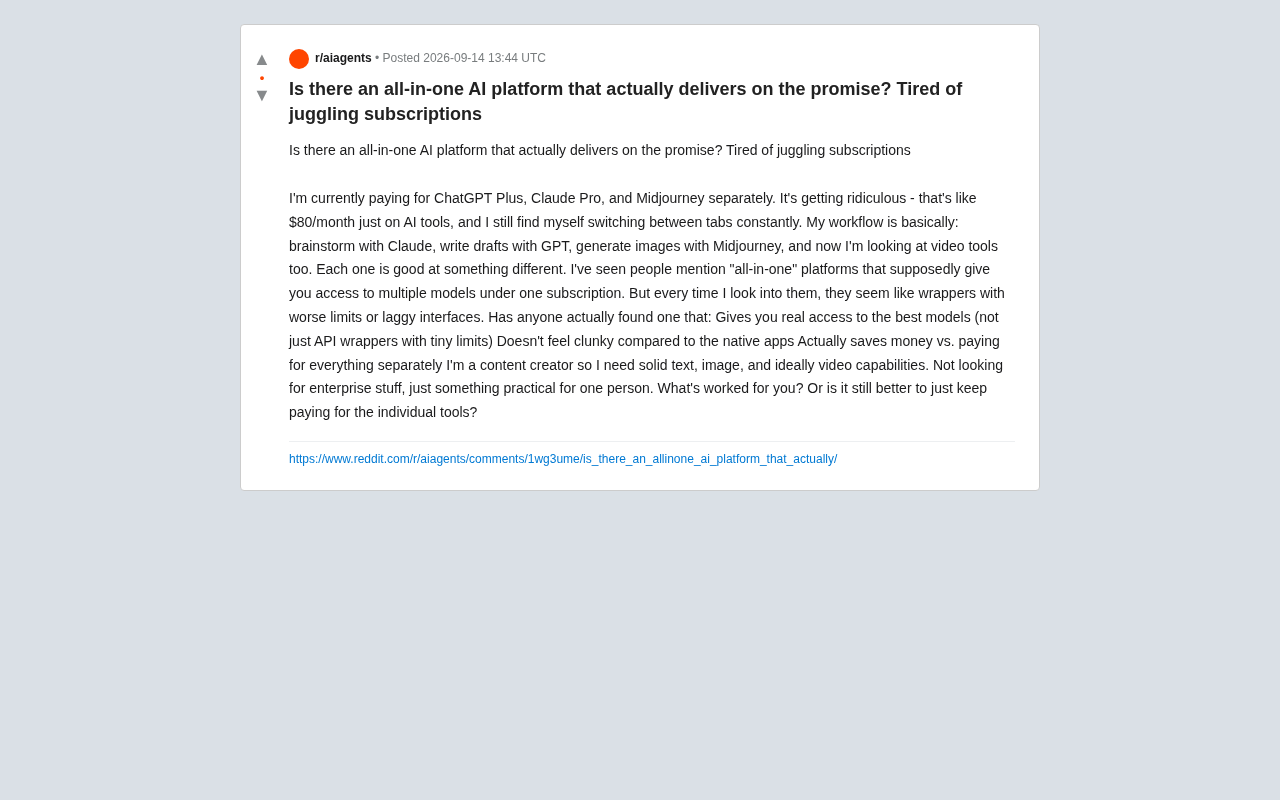
Are All-in-One AI Platforms Actually Worth It? A Practical Guide to Escaping Subscription Overload
Tired of paying for ChatGPT, Claude, and Midjourney separately? We break down whether all-in-one AI platforms are actually worth it — and what a smarter subscription stack looks like.
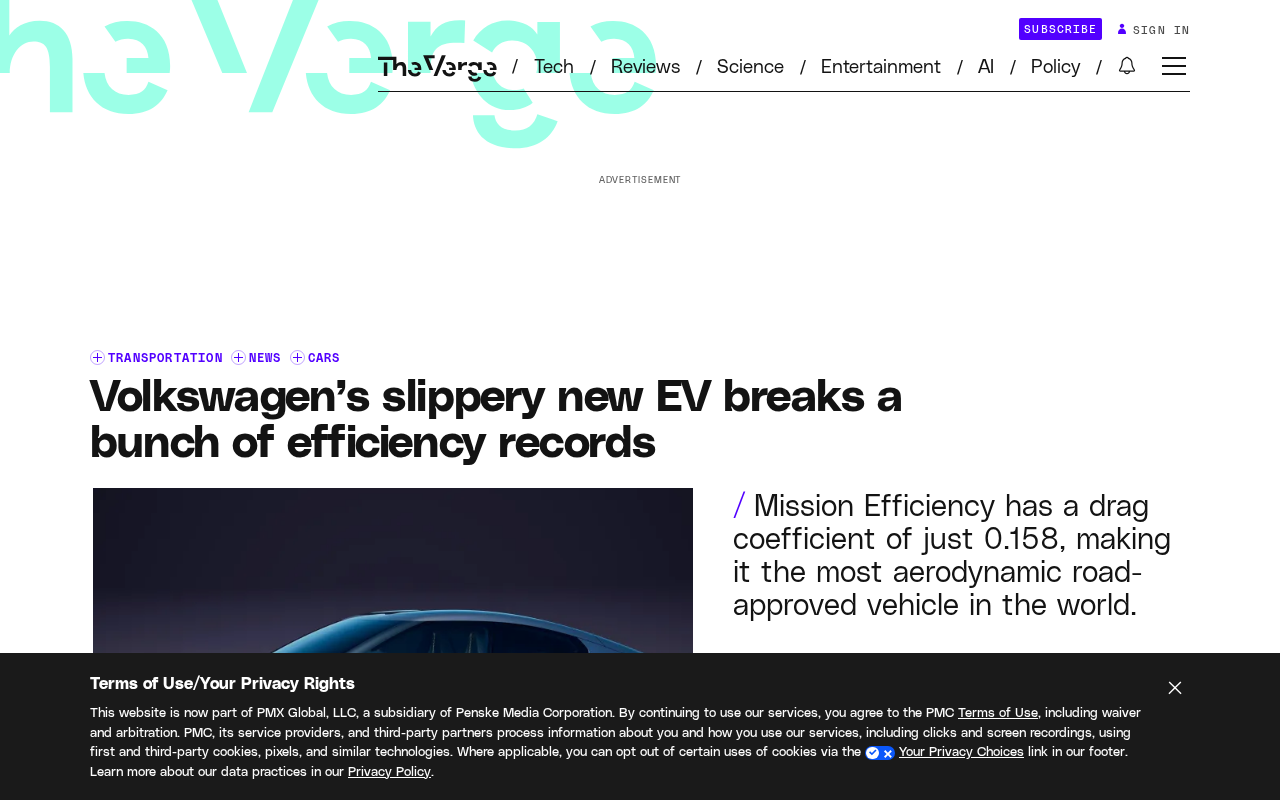
Volkswagen Mission Efficiency: The World's Lowest-Drag EV Breaks Multiple Efficiency Records
Volkswagen's Mission Efficiency prototype claims the world's lowest drag coefficient, built on MEB+ platform with ID. Polo and ID. Cross components. Here's what it means for EV efficiency.