Internet Archive Fundraising Crisis: Server Operations Challenge Behind 800 Billion Archived Web Pages
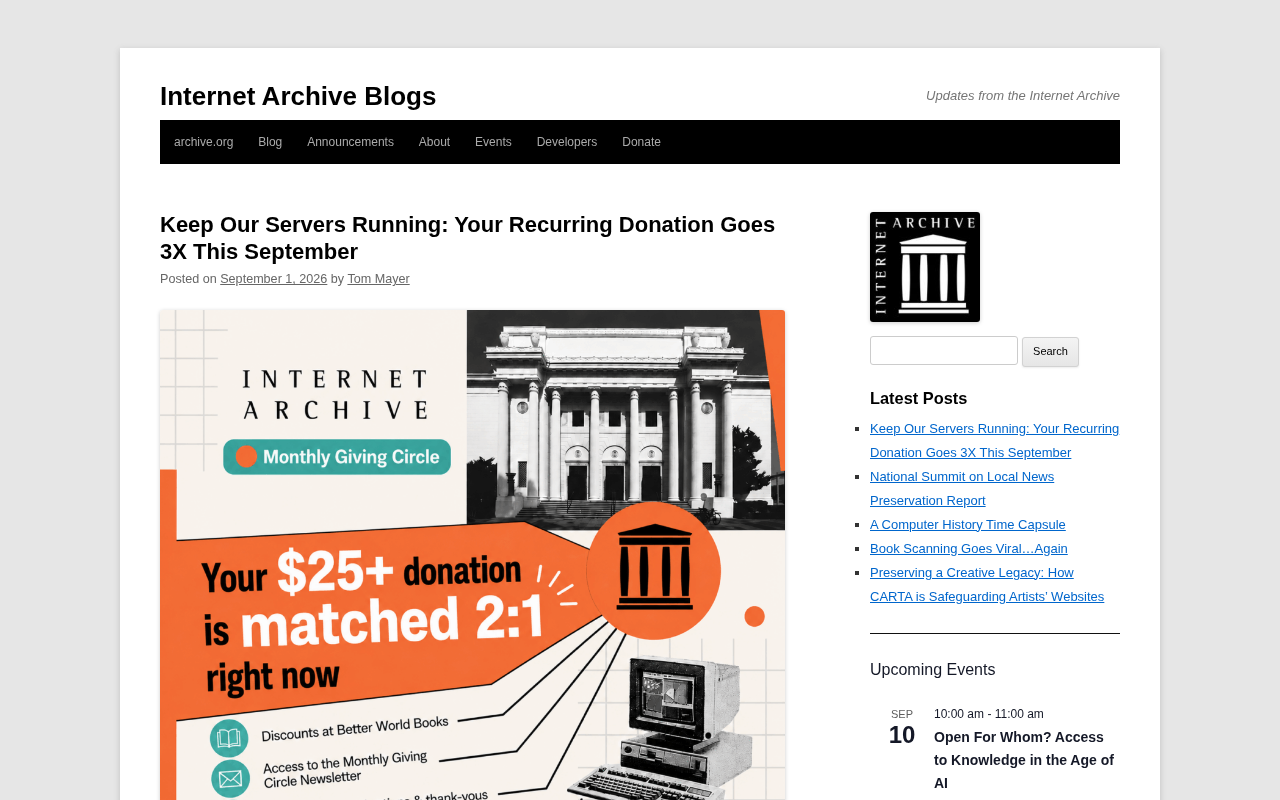
Internet Archive launches triple-match fundraising as massive archiving operations strain nonprofit model
The Internet Archive, housing 800 billion web pages in its Wayback Machine, faces critical server funding pressures. The nonprofit relies entirely on donations to maintain petabyte-scale infrastructure while serving as essential open source ecosystem infrastructure. This crisis highlights systemic challenges in sustaining digital public goods and raises questions about who should bear costs for preserving humanity's digital heritage in an increasingly commercialized internet.
Digital Heritage Guardian Faces Hardship
The Internet Archive, one of the world's largest digital libraries, is facing financial pressure for server operations. The organization recently launched a special fundraising campaign, promising to triple-match all recurring donations made during September. Behind this initiative lies the survival dilemma facing nonprofit digital preservation institutions.
Since its founding in 1996, the Internet Archive has been dedicated to preserving digital cultural heritage for all humanity. Its renowned Wayback Machine has archived over 800 billion web pages, providing researchers, journalists, and ordinary users with invaluable resources for tracing internet history. The Wayback Machine operates through periodic crawling and snapshot technology—crawler programs visit websites according to set priorities, capturing all resources including HTML, CSS, JavaScript, images, and recording precise timestamps. Users retrieve corresponding historical snapshots by entering a URL and selecting a time point, which the system then renders. This time machine functionality has irreplaceable value for tracking website changes, verifying historical information, academic research, and journalistic fact-checking. However, maintaining such massive data storage and service infrastructure requires sustained and substantial financial investment.
Server Costs and Funding Gap: Pressure from Scale Growth
The core challenge of operating the Internet Archive lies in the scale effect of data storage. Tens of terabytes of web pages, books, audio, and video content added daily drive continuous increases in server, bandwidth, and electricity costs. The Internet Archive employs a distributed storage architecture, deploying petabyte-scale storage systems across multiple global data centers. Core technologies include proprietary web crawler systems, the WARC (Web ARChive) format standard, and CDN distribution networks. Unlike the pay-as-you-go models of commercial storage services like Amazon S3 or Google Cloud, the Internet Archive must build and maintain physical server clusters, bearing fixed costs including hardware depreciation, data center leasing, cooling systems, and specialized operations teams. Its multi-copy redundancy strategy further amplifies storage requirements. Unlike commercial cloud service providers, the Internet Archive has no advertising revenue or subscription fees and must rely entirely on donations and grants to maintain operations.
Recurring donations are especially critical for such nonprofit institutions—they provide predictable cash flow that enables long-term planning and infrastructure investment. This triple-match fundraising strategy is a mature incentive mechanism that boosts participation by amplifying the actual impact of each donation. This model has proven to significantly improve donation conversion rates in the nonprofit sector.
The digital preservation field faces unique economic model challenges. Unlike traditional libraries that rely on government appropriations and donated books, digital archives must continuously pay operating costs for storage, bandwidth, and electricity, with data volumes growing exponentially. Commercialization paths often conflict with public interest missions—introducing paywalls or advertising restricts free access to information. Globally, similar institutions like the UK's UK Web Archive and Europe's EUROPEANA face funding pressures, exposing systemic problems in supplying digital public goods.
Open Source Spirit and Public Digital Infrastructure
The Internet Archive's predicament points to a more fundamental question: In a commercialized internet era, who bears the cost of public digital infrastructure?
Like Wikipedia, the Internet Archive represents an idealistic internet vision—information should be freely accessible, knowledge should be permanently preserved. Many developers and researchers rely on the Internet Archive's APIs and datasets for project development, making it an indispensable component of the open source ecosystem. The Internet Archive is not merely an archiving service provider but critical infrastructure for the open source developer ecosystem. Its open APIs are widely used for academic research, data mining, and machine learning projects. For example, the CommonCrawl project depends on its data for large-scale web corpus construction, and many natural language processing model pre-training indirectly uses this data. Software archaeologists utilize its archived legacy software and documentation for historical research, and broken link repair tools and browser extensions also depend on the Wayback Machine API. This deep integration means that the Internet Archive's shutdown would have a cascading effect on the entire open source and academic community.
From a broader perspective, the Internet Archive's survival concerns cultural transmission in the digital age. When commercial platforms can delete content and shut down services at any time, independent archiving institutions become the last defense against "digital forgetting." This is not just a technical issue but a deeper reflection on what kind of digital legacy we wish to leave for future generations.
Sustainable Development Paths: Exploration Beyond Fundraising
Although fundraising campaigns can alleviate short-term funding pressure, the Internet Archive still needs to explore more sustainable operating models. Several directions worth noting include:
- Academic Partnerships: Establishing long-term partnerships with universities and research institutions to secure stable research funding
- Enterprise Archiving Services: Providing professional archiving services for enterprises with compliance or brand management needs
- Government and Foundation Funding: Applying for more dedicated funding from cultural preservation and digital governance fields
These paths all require careful advancement while maintaining institutional independence and public interest nature.
For individuals and organizations concerned about digital cultural preservation, supporting the Internet Archive is not only a charitable act but a long-term investment in the open internet ideal. In today's era where AI training data is increasingly valued, high-quality historical datasets have become ever more precious. The 800 billion web pages preserved by the Internet Archive cover 30 years of internet evolution, containing massive amounts of content that has disappeared from the live web, becoming a valuable corpus for training AI models. Compared to real-time crawled web pages, historical archives provide temporal dimension data, helping models understand language evolution, social trend changes, and knowledge updating processes. However, this also raises ethical controversies: should commercial AI companies pay for using this public interest data? How do we balance open access with sustainable operations? These issues are becoming new subjects in digital commons governance. And the Internet Archive preserves one of the most complete records of human digital activity.
Key Takeaways
- The Internet Archive faces server operations funding pressure, launching a triple-match donation campaign
- Maintaining 800 billion archived web pages requires massive sustained investment; the nonprofit model faces sustainability challenges
- As open source ecosystem infrastructure, its APIs and datasets are widely relied upon for academic research and development projects
- Needs to explore diversified funding sources including academic partnerships, enterprise services, and government funding
- Historical data value becomes prominent in the AI era, sparking ethical discussions about public interest data use and commercial profit
Related articles
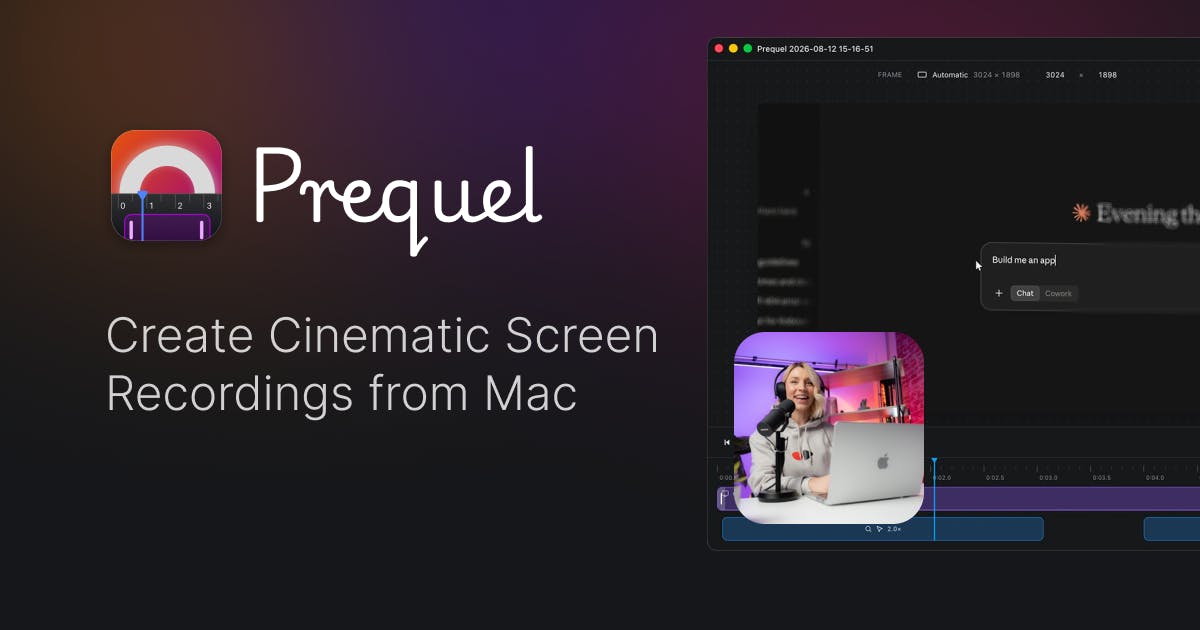
Prequel Review: Cinema-Quality Screen Recorder for Mac with Auto-Zoom and 4K Export
In-depth review of Prequel, a macOS screen recording tool with intelligent auto-zoom, 4K export, and background enhancement. Compare with Screen Studio and analyze its strengths.
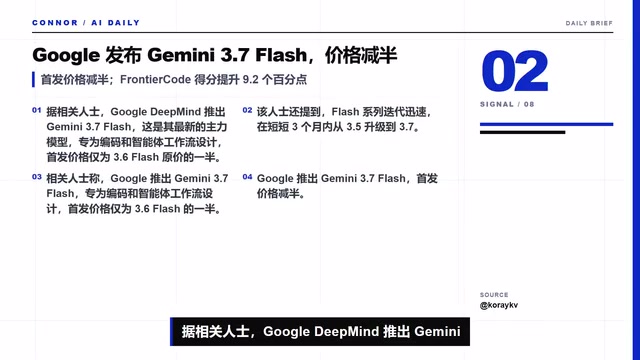
AI Daily: The Speed War and Cost War Are in Full Swing
OpenAI GPT 5.6 UltraFast mode delivers 14x faster inference, Gemini 3.7 Flash slashes prices while boosting performance, MOE architecture gains traction, HBF storage breakthrough—AI industry competition shifts from model capability to speed and cost efficiency dual-front battle.
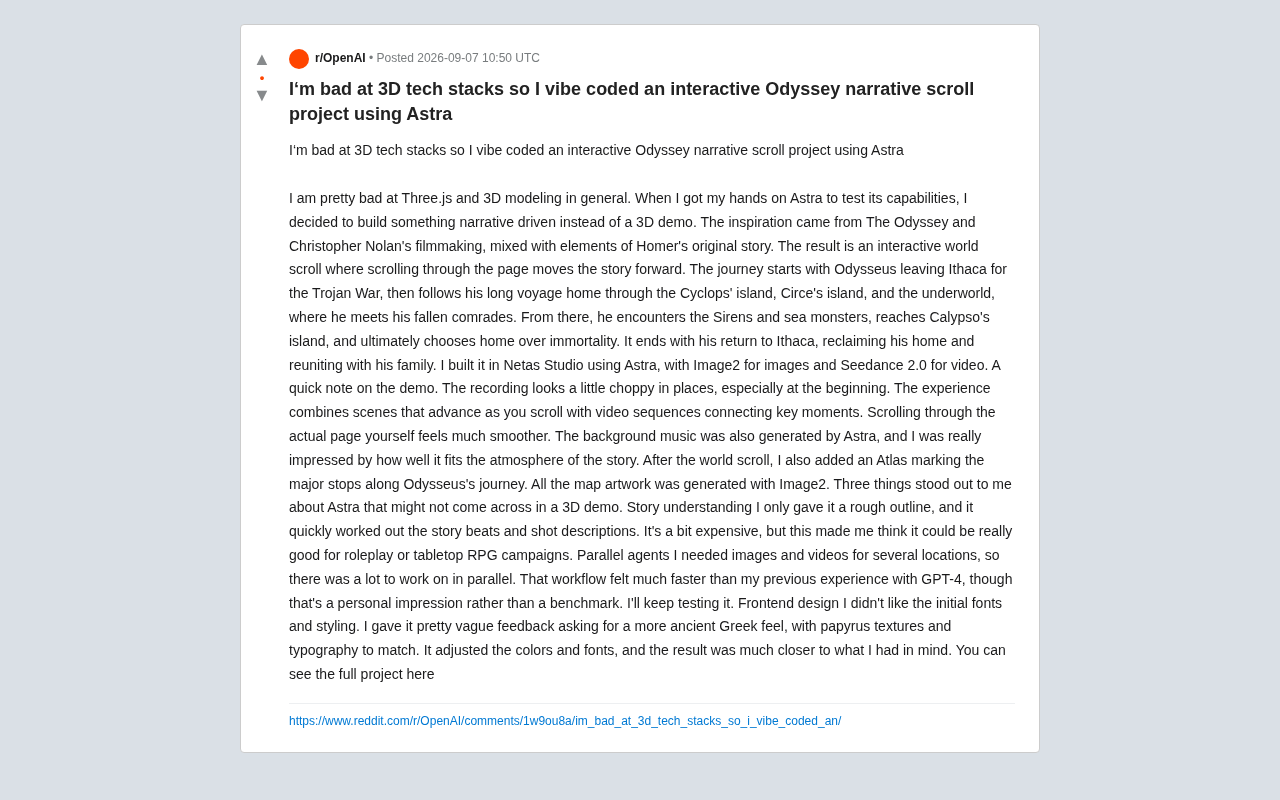
AI-Assisted Creative Production: Building an Interactive Odyssey Narrative Scroll with Astra
A developer with weak 3D skills used Astra AI to create an interactive Odyssey narrative scroll. Learn how AI tools lower technical barriers through story comprehension, parallel workflows, and design iteration.