Internet Archive Updates Wayback Machine Access Policy
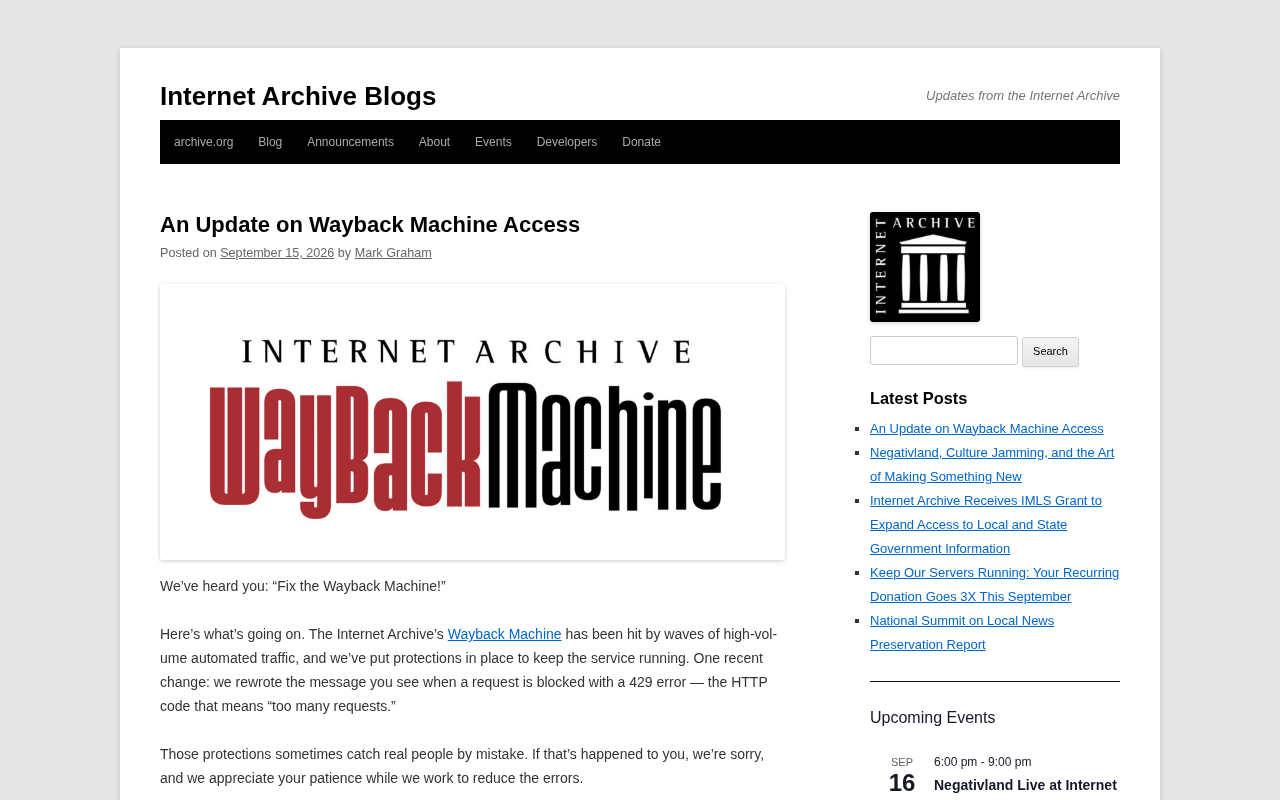
Internet Archive's Wayback Machine access update sparks tech community debate over open digital archive sustainability.
The Internet Archive published an update on Wayback Machine access on its official blog, quickly garnering 264 upvotes and 131 comments on Hacker News. The Wayback Machine is a critical web archiving service used for journalism, legal evidence, and academic research, meaning any access policy change affects countless developers and researchers. Facing both legal battles — including a lost copyright lawsuit from major publishers — and ongoing infrastructure costs, every "access update" announcement is seen as a signal about the service's long-term viability. The full details of the changes require readers to consult the official blog directly.
Overview
The Internet Archive recently published an update on Wayback Machine access on its official blog. The announcement quickly gained 264 upvotes and 131 comments on Hacker News, drawing widespread attention from the tech community. As one of the world's most important web archiving services, any policy change to the Wayback Machine resonates deeply with developers, researchers, and everyday users alike.
Unfortunately, the source material available for this article only includes the announcement link, the discussion page link, and basic community engagement metrics — the full text of the announcement was not included. As a result, this article can only summarize what is known and cannot provide an in-depth analysis of the specific policy changes.
The Role and Value of the Wayback Machine
The Wayback Machine is a web time-capsule service operated by the Internet Archive. It continuously crawls and saves snapshots of web pages, allowing users to look back at what a website looked like at any given point in the past. For content that has been deleted or sites that have shut down, it is often the only surviving record.
This service provides irreplaceable value across multiple domains: journalists use it to verify reports that have been altered or removed, legal professionals rely on it for evidence preservation, academic researchers depend on it for historical content analysis, and developers routinely use it to recover the original content behind broken links. It is precisely for these reasons that any adjustment to how the service is accessed, what restrictions apply, or how available it is will always generate strong reactions from the community.
From a technical standpoint, the Wayback Machine uses automated crawlers to continuously capture web pages and stores snapshots in its data center in San Francisco. Users can access historical snapshots through a standardized URL format (e.g., web.archive.org/web/[timestamp]/[original URL]), or programmatically query whether a URL has an archived record via the official Availability API. As of 2024, the Wayback Machine has stored over 850 billion web page snapshots, with total data running into the hundreds of petabytes (PB) — making it one of the largest digital archives in the world. The Internet Archive is also a 501(c)(3) nonprofit organization, sustained entirely by donations and sponsorships. This funding structure is fundamentally different from commercial cloud storage services, and is the root cause of the ongoing financial pressures it faces.
Reading the Community Response
Based on Hacker News engagement metrics, the announcement accumulated 264 points and 131 comments in a short period of time, indicating that it struck a nerve in the community. Discussions of this type typically revolve around a few key concerns: whether the service is facing sustainability pressures, whether access will introduce rate limiting or paywalls, and the ongoing legal and copyright challenges facing digital archives.
The Internet Archive has indeed been under considerable operational and legal pressure in recent years, including lawsuits from the publishing and music industries, as well as the significant investment required to maintain its massive archiving infrastructure. In this context, any announcement about an "access update" is easily interpreted by the community as a signal that the service is under strain — triggering broader anxieties about the long-term viability of open internet infrastructure.
The Internet Archive has faced several major legal setbacks in recent years. On the publishing front, the archive launched its "National Emergency Library" initiative in 2020, temporarily removing waitlists for e-book borrowing during the pandemic. This prompted a joint lawsuit from four major publishers, and in 2023 a U.S. federal court ruled against the archive on copyright grounds; the case is currently under appeal. On the music side, its music archiving project has faced similar copyright claims. These legal disputes not only impose direct financial burdens but have also forced the archive to modify how certain archived content is accessed. Understanding this context helps explain why "access update" announcements generate such heightened concern among developers — users often worry that legal pressure will gradually erode the archive's commitment to open access.
What This Means for Developers and Researchers
For technical practitioners who rely on the Wayback Machine, staying informed about these kinds of policy updates is critical. Changes to access methods could affect automated scripts, API calls, bulk archiving workflows, and more. Users who depend on this service are encouraged to visit the Internet Archive's official blog directly to read the full announcement and understand exactly what has changed and how to respond.
More broadly, the mission of preserving public digital memory — which the Wayback Machine embodies — is at a delicate crossroads. The ephemeral nature of digital content and the rising cost of preservation are making the situation increasingly difficult for nonprofit archiving organizations like this one. The community's intense interest in this announcement itself reflects how deeply people value an open, accessible record of internet history.
Conclusion
Readers will need to visit the Internet Archive's official blog to read the full details of this announcement. Whether the update concerns technical changes to access or shifts in operational strategy, it serves as yet another reminder that the pieces of internet infrastructure we take for granted require sustained attention and support to keep running for the long term.
Related articles
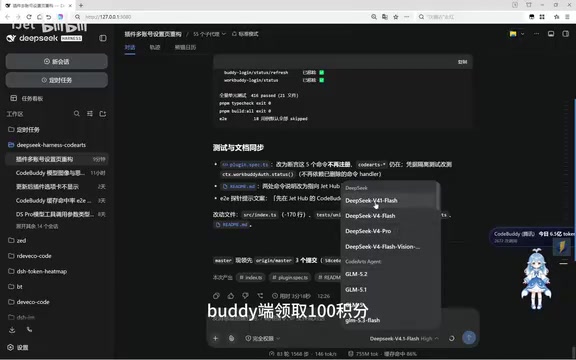
Free DeepSeek V4.1 Flash via DSH: Bulk Point Collection & International WorkBuddy Tested
DSH project update tested: WorkBuddy now offers 100 points per claim, rate limits raised beyond 80M tokens with faster resets, and international WorkBuddy supports free Hunyuan 4 and DeepSeek V4.1 Flash.
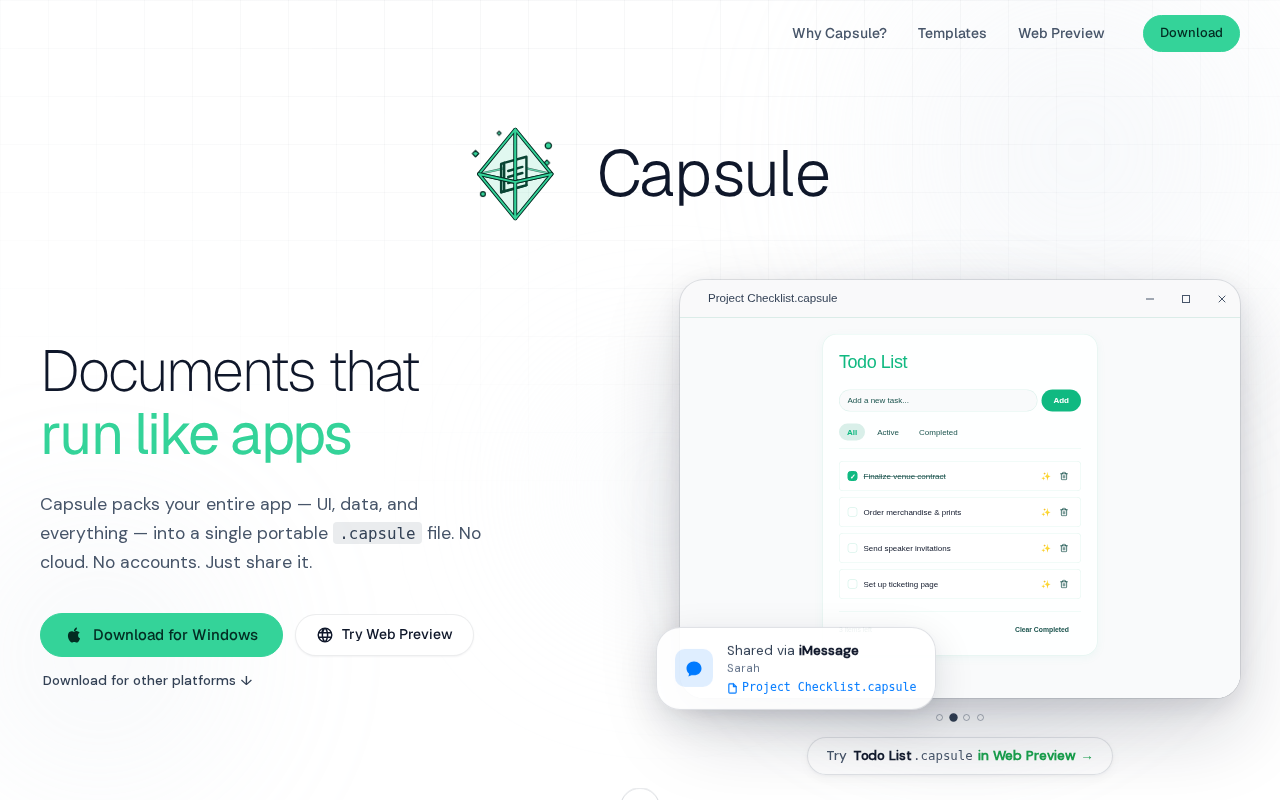
Capsule: Pack Web Apps and Data into a Single SQLite File
Capsule is a Rust/Tauri 2.0 tool that packs HTML web apps and data into a single SQLite file — privacy-first, local storage, portable sharing, with AI support.

DSH-SUBAGENT-UI Plugin: The Ultimate Sub-Agent Manager for DeepSeek Harness
DSH-SUBAGENT-UI is a DeepSeek Harness browser plugin offering sub-agent overview, search, local categorization, and completion snapshots — install with one command.