iOS 27 Subscription Overhaul: Bundles, Suites, and Multiseat Purchasing Explained
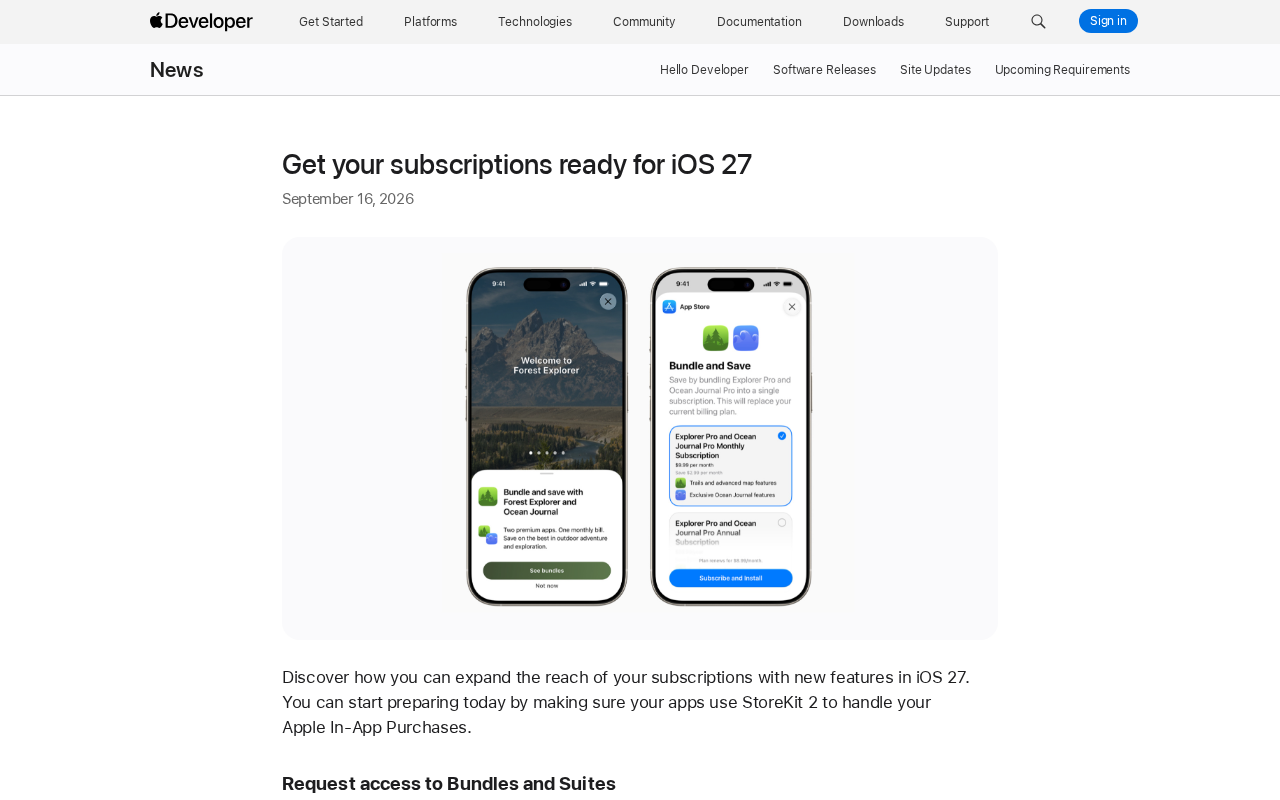
iOS 27 brings cross-developer subscription bundles and multiseat team purchasing to the App Store.
Apple's iOS 27 developer update expands the subscription system in two major ways: Bundles and Suites let developers package multiple subscriptions into a single In-App Purchase — even across different developers — with Apple handling the full purchase and revenue-splitting flow; Multiseat purchasing introduces Volume Purchasing and Group Purchases paths, enabling organizations, teams, and small businesses to buy subscription seats in bulk without complex IT procurement. Multiseat is enabled by default in App Store Connect, and all new features require StoreKit 2 as a technical prerequisite.
Apple has announced a series of major changes to the iOS 27 subscription system in its latest developer update, centered around two key directions: enabling subscription content to be bundled and sold across apps and even across developers, and — for the first time — opening up subscriptions for bulk purchasing by organizations and teams. For developers who rely on subscription-based monetization, this isn't just a feature upgrade; it's an expansion of what's commercially possible.
Apple's guidance is clear: now is the time to make sure your app uses StoreKit 2 to handle Apple In-App Purchases. This is the technical prerequisite for unlocking all the new capabilities that follow.
Bundles and Suites: Packaging Multiple Subscriptions into a Single Purchase
The newly introduced Bundles and Suites capabilities let developers consolidate multiple subscriptions into a single Apple In-App Purchase item. While the two concepts may seem similar, they're designed for different scenarios.
Bundles allow users to access multiple subscriptions through a single purchase — spanning multiple services within a single app, multiple apps from the same developer, or even apps from entirely different developers. This means developers can team up to offer combined packages, something that was essentially unthinkable within the Apple ecosystem before.
Suites are more focused: a user purchases a single subscription and gains seamless access across a group of apps from the same developer. This is ideal for developers with a portfolio of products — for example, a company offering separate note-taking, to-do, and calendar apps can unify them under a single subscription.
The entire purchase experience is handled by the App Store. The system displays all apps included in a Bundle or Suite, and users can download and access their subscription content immediately after purchasing — no need for developers to build complex custom purchase flows.
According to Apple, Bundles and Suites will arrive later this year on iOS 27, iPadOS 27, macOS 27, tvOS 27, and later versions. Developers will need to review the official Bundles and Suites page to confirm eligible configurations and technical requirements, then submit an application via the provided form.
From a business model perspective, cross-developer bundle sales aren't unusual in the broader industry — Adobe Creative Cloud and Microsoft 365 both bundle multiple products — but within Apple's closed In-App Purchase system, products from different developer accounts have never been sellable through a single transaction. Each developer has a separate financial account in App Store Connect, and cross-account revenue splitting has historically faced both technical and compliance hurdles. The iOS 27 Bundles mechanism signals that Apple has built backend revenue-splitting infrastructure, enabling subscription revenue from multiple developer entities to be settled and distributed by Apple after a single transaction. This is particularly noteworthy for smaller independent developers: partnering with complementary app developers to form a Bundle could be a far more efficient path to new users than marketing solo.
Multiseat Purchasing: Subscriptions Go Team and Organizational
If Bundles expand the dimension of content combinations, Multiseat purchasing expands the dimension of who can subscribe. It enables organizations and groups to purchase subscriptions in bulk through two paths: Volume Purchasing and Group Purchases.
Two Bulk Purchase Paths
Volume Purchasing is aimed at organizations using Apple Business Manager and Apple School Manager. These institutions can purchase subscriptions through a single Apple In-App Purchase and then distribute seats via Mobile Device Management (MDM) providers. The entire flow aligns with the existing device management systems already in place at enterprises and schools.
Group Purchases are lighter and more flexible. A single subscriber can buy multiple seats in one In-App Purchase and then invite others to join. Seat allocation and the invitation process are handled entirely by Apple — small businesses, individual departments, or teams can all use this to conveniently share a subscription.
Apple Business Manager (ABM) and Apple School Manager (ASM) are Apple's device and content management portals for enterprises and educational institutions, typically used alongside MDM solutions such as Jamf or Microsoft Intune. Organization administrators can centrally purchase apps and subscriptions through ABM/ASM and push them to employee or student devices — no need for end users to log in with a personal Apple ID to make a purchase. Historically, this system primarily supported one-time paid apps, with limited support for subscription products. iOS 27's Volume Purchasing brings subscription bulk purchasing into this mature infrastructure, meaning enterprises can manage subscription seats using their existing procurement and compliance workflows, reducing the friction of adding App Store subscriptions to corporate purchasing catalogs.
Breaking the Single-User Subscription Model
Apple specifically highlights that this change targets user groups that don't fit the traditional "single subscriber" model: a work team splitting the cost of a productivity tool, a small business setting up software for a few employees, a department within a larger company, or collaborators sharing a creative tool.
The key point: these groups can now become paying subscribers directly, without going through IT departments or formal procurement processes. For potential paying users who were previously lost due to organizational purchasing barriers, this opens a significant new conversion channel.
Key Dates and Developer Controls
On the App Store Connect side, multiseat purchasing is enabled by default for subscriptions. However, Apple offers full flexibility: developers have complete control to disable multiseat purchasing entirely, or to selectively manage availability across the App Store, Apple Business Manager, and Apple School Manager channels.
Timeline:
- Volume Purchasing launches on October 22, 2026
- Group Purchases rolls out this winter
- Bundles and Suites arrive later this year alongside iOS 27 and related OS releases
What This Means for Developers
Taken together, this round of iOS 27 subscription updates reflects Apple's intent to expand the monetization surface area for subscriptions. Bundles and Suites address the question of "how do you sell more content to the same person," while Multiseat answers "how do you sell a subscription to a group of people." Combined, these capabilities could meaningfully increase both average revenue per user and total user reach for developers.
For developers, the three most practical immediate actions are: first, complete the migration to StoreKit 2 — it's the foundation for all new features; second, evaluate whether your product portfolio is a good fit for Suites, or whether there are opportunities for cross-developer Bundle partnerships; third, review the multiseat settings enabled by default in App Store Connect and confirm they align with your pricing and business strategy.
There's still a window before each feature goes live. Planning your configuration and pricing in advance will put you in a much stronger position than scrambling to catch up after launch.
StoreKit 2 is Apple's next-generation In-App Purchase framework, released with iOS 15 in 2021. It uses native Swift APIs with async/await patterns, replacing the old notification-callback-based approach of StoreKit 1. Compared to its predecessor, it offers a cleaner and more reliable interface for local transaction verification (no need to build your own server-side receipt validation), subscription status queries, and refund handling. For developers still on StoreKit 1, the migration effort depends on the complexity of your existing purchase logic, but Apple provides detailed migration guides and Xcode tooling. Given that Bundles, Suites, and Multiseat all require StoreKit 2, delaying migration is effectively opting out of Apple's current expansion of the subscription ecosystem.
Related articles
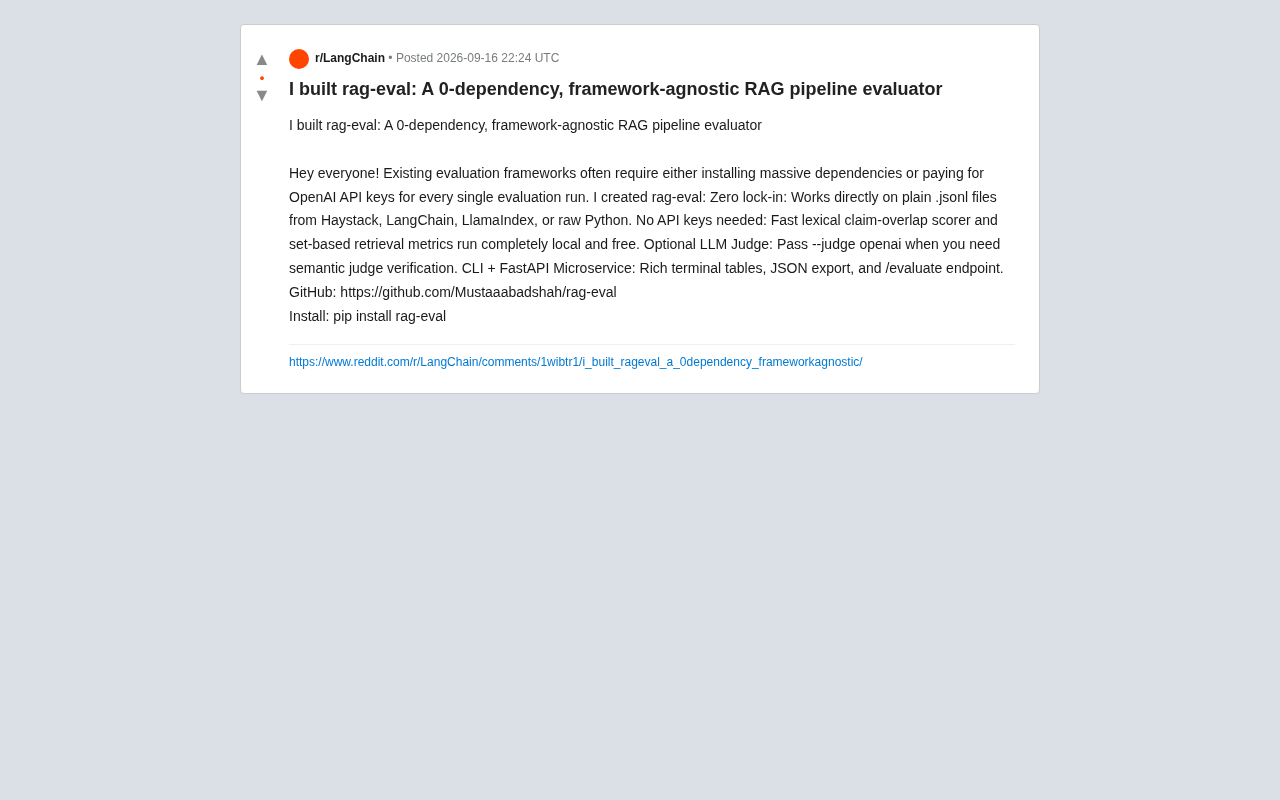
rag-eval: A Zero-Dependency, No-API-Key RAG Evaluation Tool
rag-eval is a zero-dependency, framework-agnostic open-source RAG pipeline evaluation tool. It supports free local lexical and retrieval metrics with no API keys required, and offers optional LLM Judge for semantic validation. Compatible with Haystack, LangChain, and LlamaIndex.
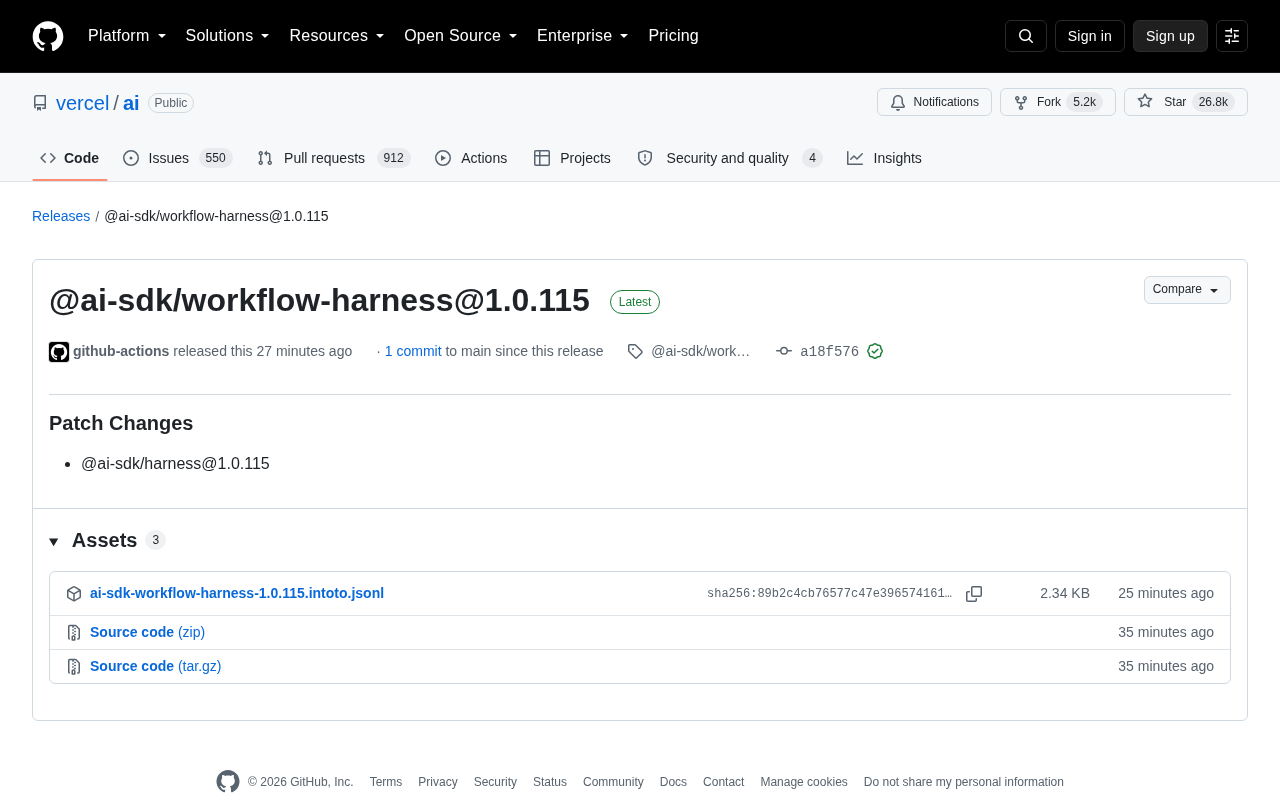
Vercel AI SDK Releases workflow-harness 1.0.115 Patch Update
Vercel AI SDK releases @ai-sdk/workflow-harness 1.0.115 patch update, syncing the @ai-sdk/harness dependency. Learn about the update, release mechanism, and what it means for developers.
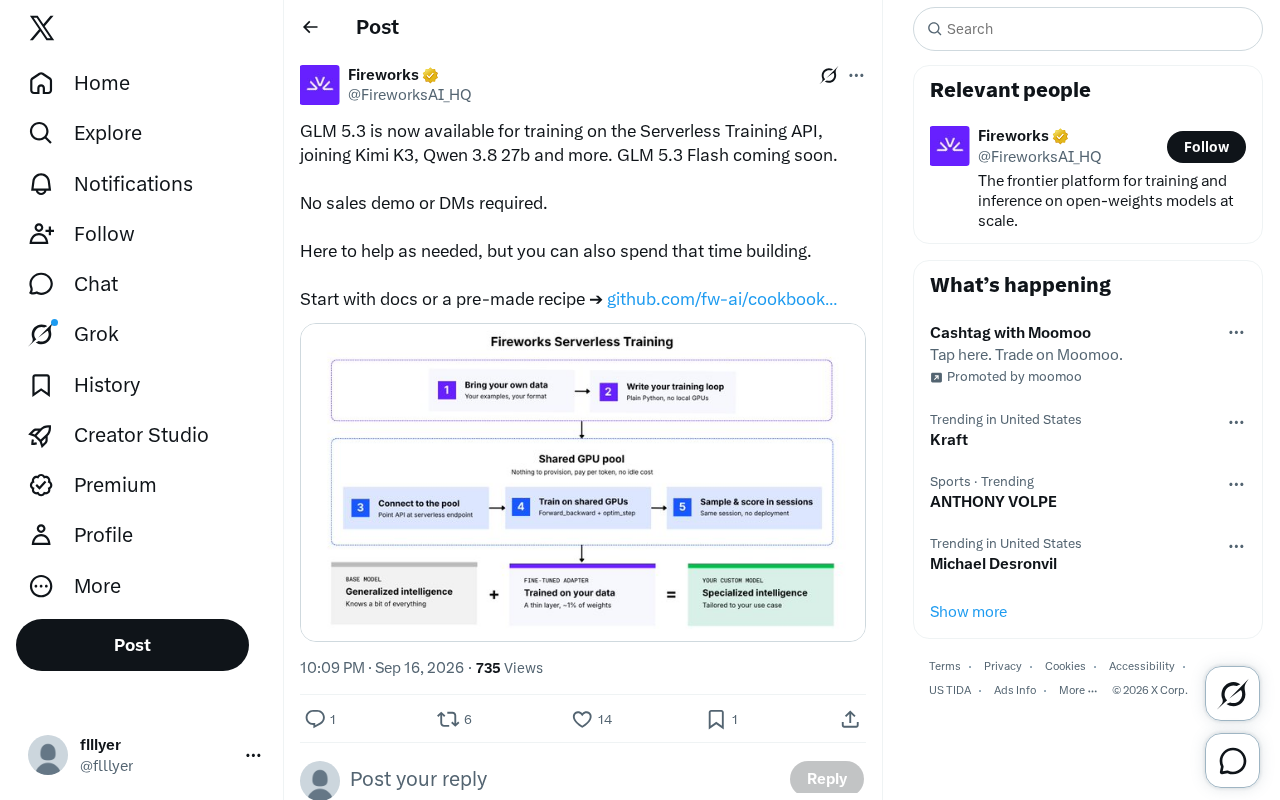
GLM 5.3 Now Available on Serverless Training API — No Sales Process Required
GLM 5.3 is now available on Serverless Training API alongside Kimi K3 and Qwen 3.8 27b. No sales process needed — start fine-tuning directly via docs or pre-made recipes.