iPhone 18 Pro Camera Upgrades: The Value Hidden in the Details
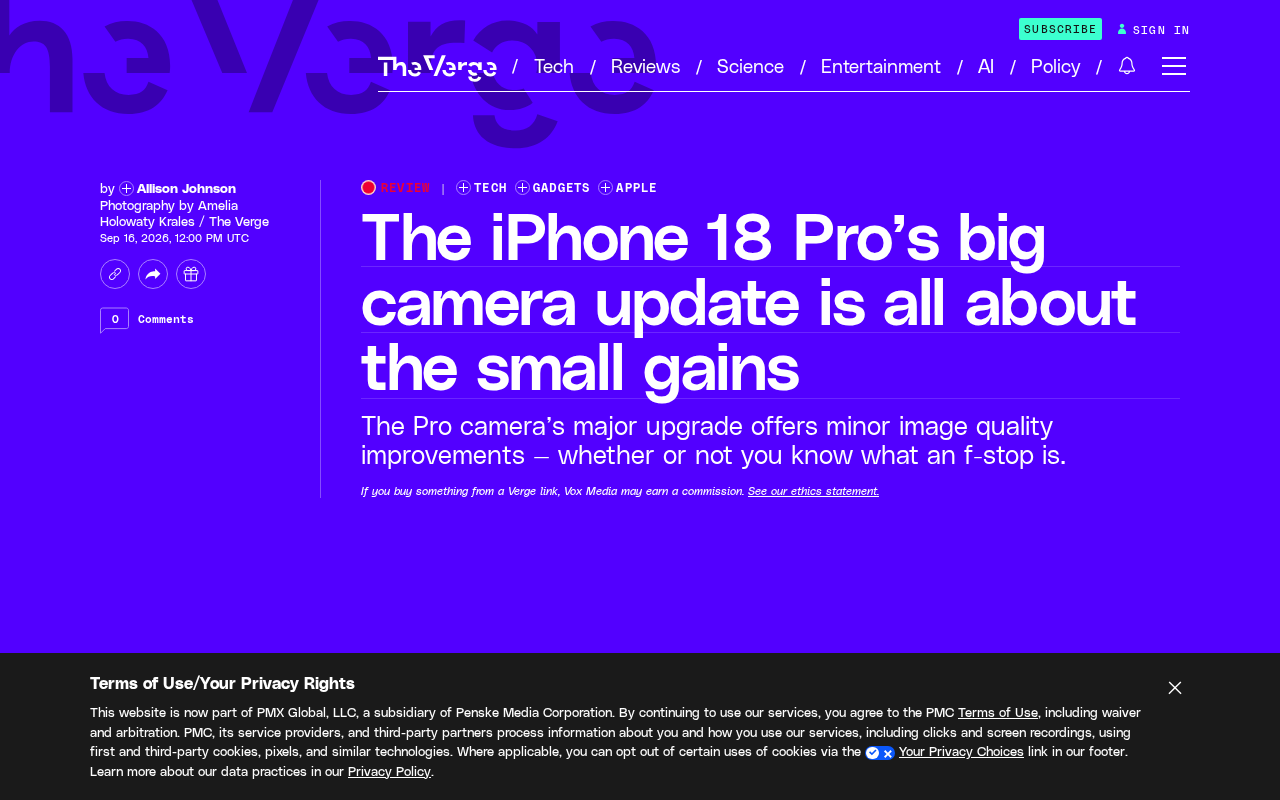
iPhone 18 Pro's camera update centers on computational photography and software polish, continuing Apple's incremental optimization strategy.
Drawing on limited source material, this article analyzes the strategic direction behind the iPhone 18 Pro camera update. The defining phrase — "big camera update is all about the small gains" — captures the tension between marketing ambition and technical reality. The author argues this reflects a maturing smartphone industry where hardware spec improvements yield diminishing returns, pushing manufacturers toward computational photography, scene adaptability, and software refinement as the new competitive frontier. Apple's software-hardware integration approach continues to set the direction for the broader industry.
A Note on Sources
This article is based on a summary of an English-language report about the iPhone 18 Pro camera updates. In the interest of transparency, the original source material provided only a headline and a truncated lede — substantive content was limited. As a result, the following analysis is built primarily around what that partial information reveals.
According to the report's headline, the central story of the iPhone 18 Pro's camera update isn't a dramatic hardware breakthrough — it's about "small gains." That framing alone says something meaningful about Apple's strategic direction in recent hardware cycles.
From "Stunning Design" to "Incremental Refinement"
The original lede described a previous iPhone as unlike anything Apple had released before — a design so distinct that it reportedly pushed rival manufacturers to rethink their own flagship approaches. The report even invoked a sense of disbelief at Apple's occasional willingness to do something genuinely unexpected on the software side.
This kind of language reflects a broader industry reality: as smartphones mature, truly revolutionary changes become increasingly rare. Manufacturers spend more time refining within existing frameworks than reinventing them. The camera — one of the most consumer-visible differentiators — has naturally become the primary battleground for this "iterate, don't reinvent" approach.
Why "Small Gains" Still Matter
The headline's framing — "big camera update is all about the small gains" — is worth unpacking. It suggests a product positioned as a major upgrade in marketing terms, while the technical reality is a collection of incremental improvements.
In practice, these small gains often matter more to the day-to-day shooting experience than spec-sheet numbers:
- Ongoing computational photography refinement: Algorithm improvements rarely show up in hardware specs, yet directly shape how finished photos look
- Scene adaptability: Better performance in low light, backlit conditions, and fast-moving subjects
- Thoughtful software touches: The report specifically called out Apple's occasional willingness to surprise on the software side
For most users, the cumulative effect of these improvements may deliver more meaningful value than a single-generation sensor spec jump.
Computational Photography is the key concept for understanding where these "small gains" actually come from. It refers to the use of digital computation — rather than purely optical hardware — to capture or enhance images. Techniques include multi-frame compositing, HDR blending, deep learning-based noise reduction, and semantic segmentation. Smartphones are physically constrained from using large image sensors or wide-aperture lenses, and computational photography is the primary means of overcoming those hardware limitations. Since Apple integrated a dedicated Neural Engine into its A-series chips, each new generation has expanded the processing headroom for more complex, real-time image computation tasks. As a result, even when two successive iPhone generations share nearly identical lens specifications, algorithmic improvements can produce visible image quality gains — and that's precisely where the "small gains" are rooted technically.
What This Means for the Industry
The report noted that Apple's design choices have already steered other manufacturers toward rethinking their flagship products — a reminder of Apple's continued role as an industry weather vane. Even in a camera space that's grown increasingly competitive and technically homogeneous, Apple continues to pursue differentiation through the integration of hardware and software as a unified experience.
As the hardware arms race reaches diminishing returns, the competitive focus is gradually shifting from "who has the higher specs" to "who delivers the more complete experience." The iPhone 18 Pro camera update is a clear example of that shift in action.
The smartphone camera "hardware arms race" has moved through several distinct phases over the past decade: first came the megapixel wars (from 12MP to 100MP+), then the proliferation of multi-lens systems (wide, ultrawide, and telephoto becoming standard), and then the push toward larger sensors (with 1-inch-class sensors entering the mobile market). But as main sensor size runs up against the physical constraints of device thickness, and telephoto zoom hits optical limits, the marginal returns on pure hardware upgrades have diminished. Meanwhile, Google's Pixel lineup has long demonstrated that computational photography algorithms can deliver top-tier image quality from relatively modest hardware — validating the software-centric approach. Against this backdrop, Apple's choice to invest in software-hardware co-optimization rather than chasing spec milestones reflects a coherent strategic logic, not a lack of innovation.
Closing Thoughts
Given the limited source material available, this article cannot offer a deep dive into the iPhone 18 Pro's specific camera specifications or real-world test results. Based on what is known, the defining theme of this update is incremental optimization — using software ingenuity and careful refinement to extract additional value from a mature hardware platform. For readers interested in this device, official announcement details and hands-on professional reviews remain the most reliable reference points.
Related articles
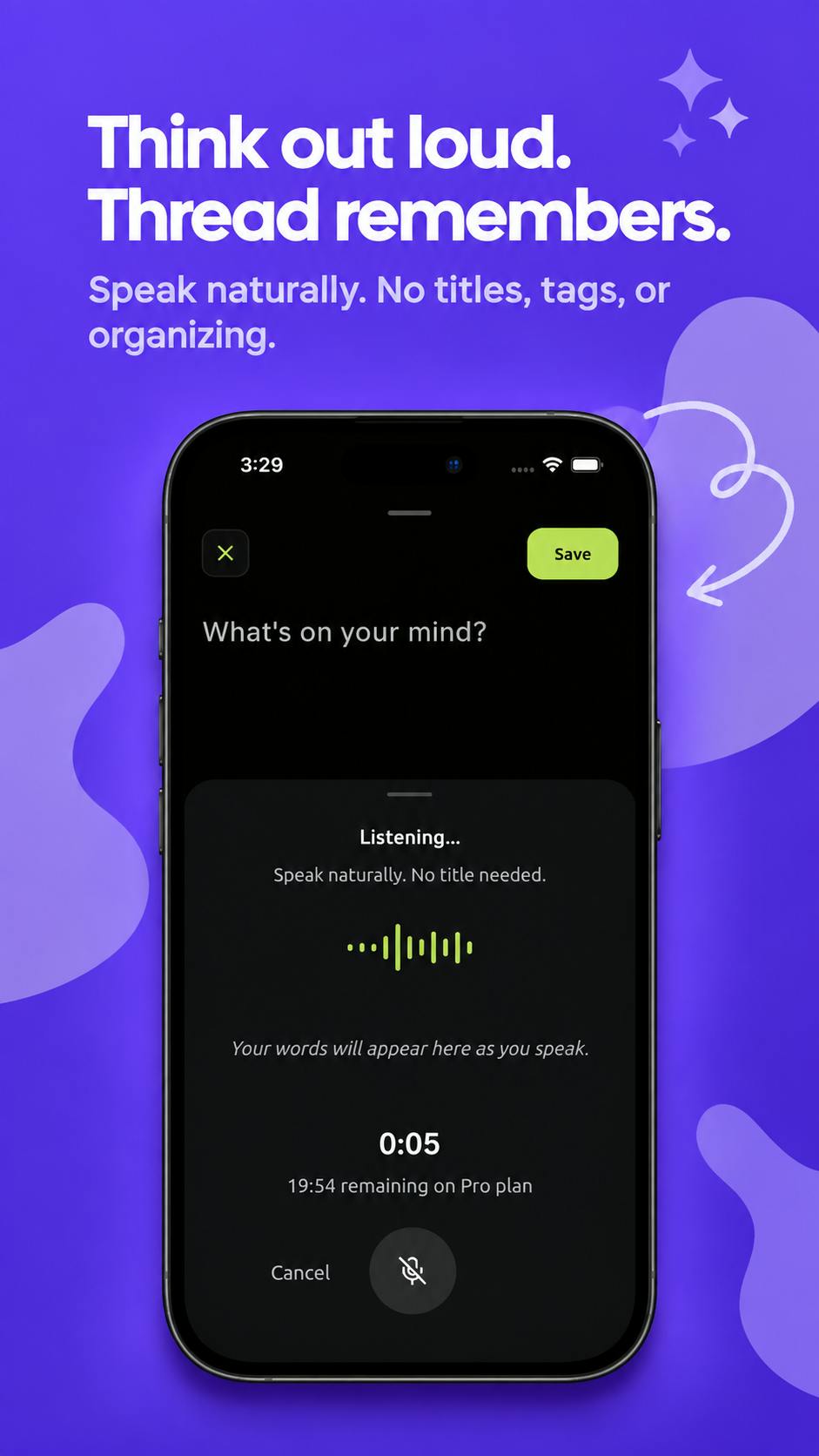
Thread: An AI-Powered 'Second Brain' Journal That Connects Your Scattered Thoughts
Thread is an AI journal and 'second brain' app on Product Hunt that auto-connects fragmented thoughts, voice notes, and ideas into meaningful patterns and actions.
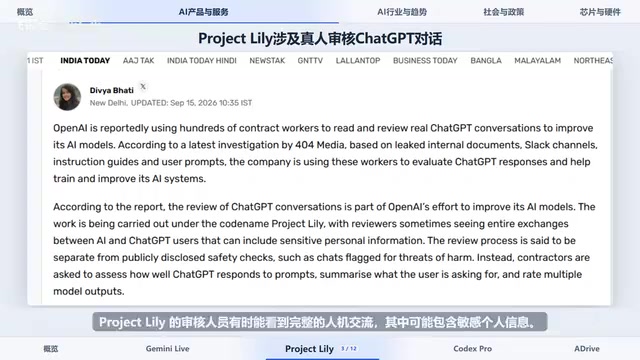
Gemini 3.8 Live Launches; Google Adopts Claude Internally for Coding
Gemini 3.8 Live launches with low-cost multimodal features; OpenAI's Project Lily sparks privacy debate; Google adopts Anthropic's Claude Opus 5 internally.
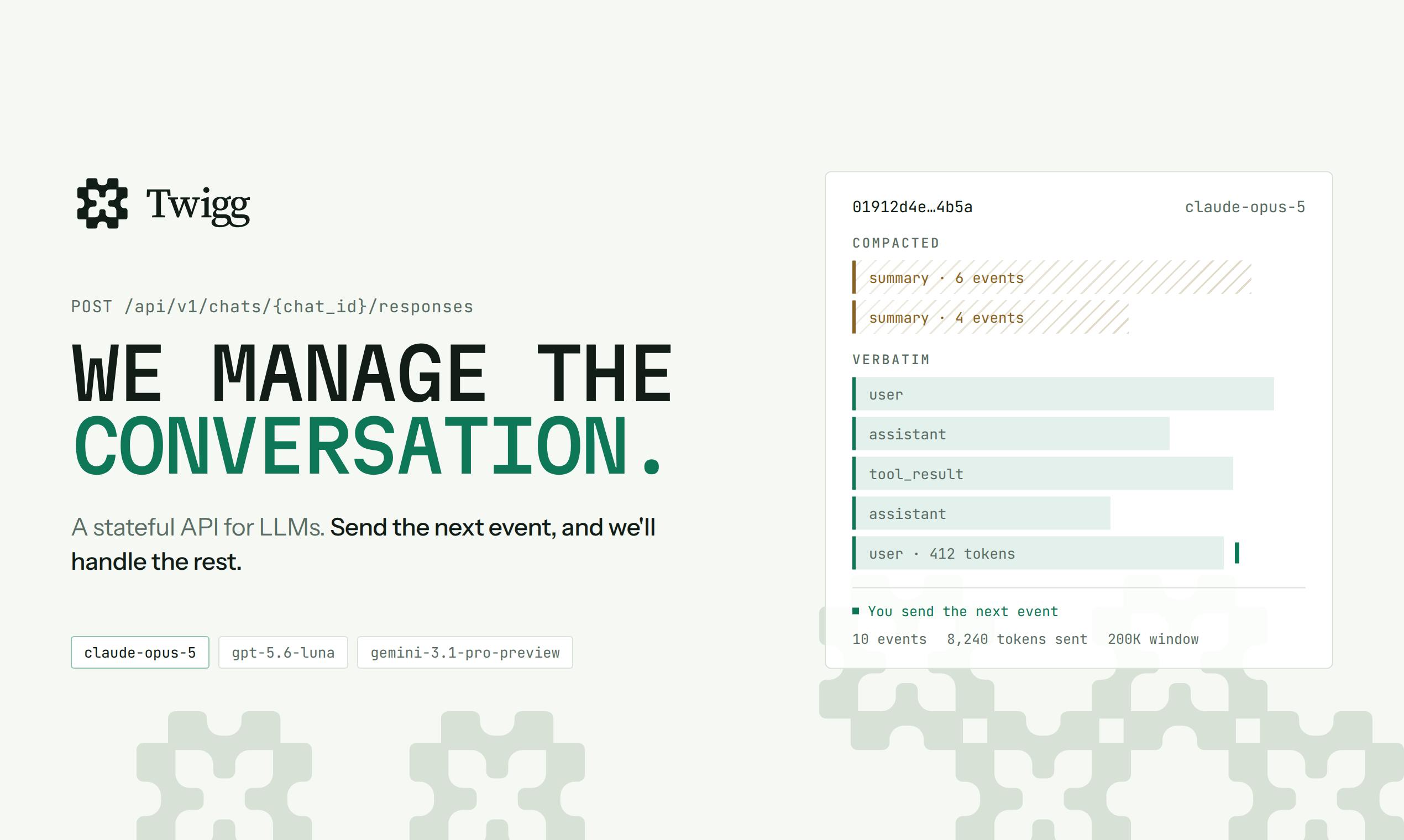
Twigg: A Stateful API That Automates LLM Context Management
Twigg is a stateful LLM API that automates context management — handling model schema adaptation, smart compression, truncation, and routing, with a dashboard for managing tool schemas, system prompts, and billing.