iPhone Duo Tips: An Essential Getting-Started Guide

iPhone Duo has a new form factor and a steep learning curve; master interactions before migrating scenarios.
This guide covers the iPhone Duo, Apple's all-new iPhone form factor that differs sharply from over a decade of slab-touchscreen iterations, creating an obvious learning curve for first-time users. Given limited public information, it offers directional advice: don't rush to install many apps—first get familiar with basic interaction logic, understand differences from a traditional iPhone, then gradually migrate daily scenarios. It also suggests following official guides and early adopter community experience to avoid detours, emphasizing patient, step-by-step adaptation as the most reliable strategy, with specific tips to be added later.
iPhone Duo Tips: An Essential Getting-Started Guide
iPhone Duo is a completely new form factor from Apple, and its logic differs entirely from the iPhone iterations of the past decade-plus. It comes with an obvious learning curve—for iPhone users accustomed to a slab touchscreen, this really is something that takes getting used to. If you were lucky enough to secure a Duo in the pre-order, here are some practical getting-started tips to help you get familiar with the device faster.
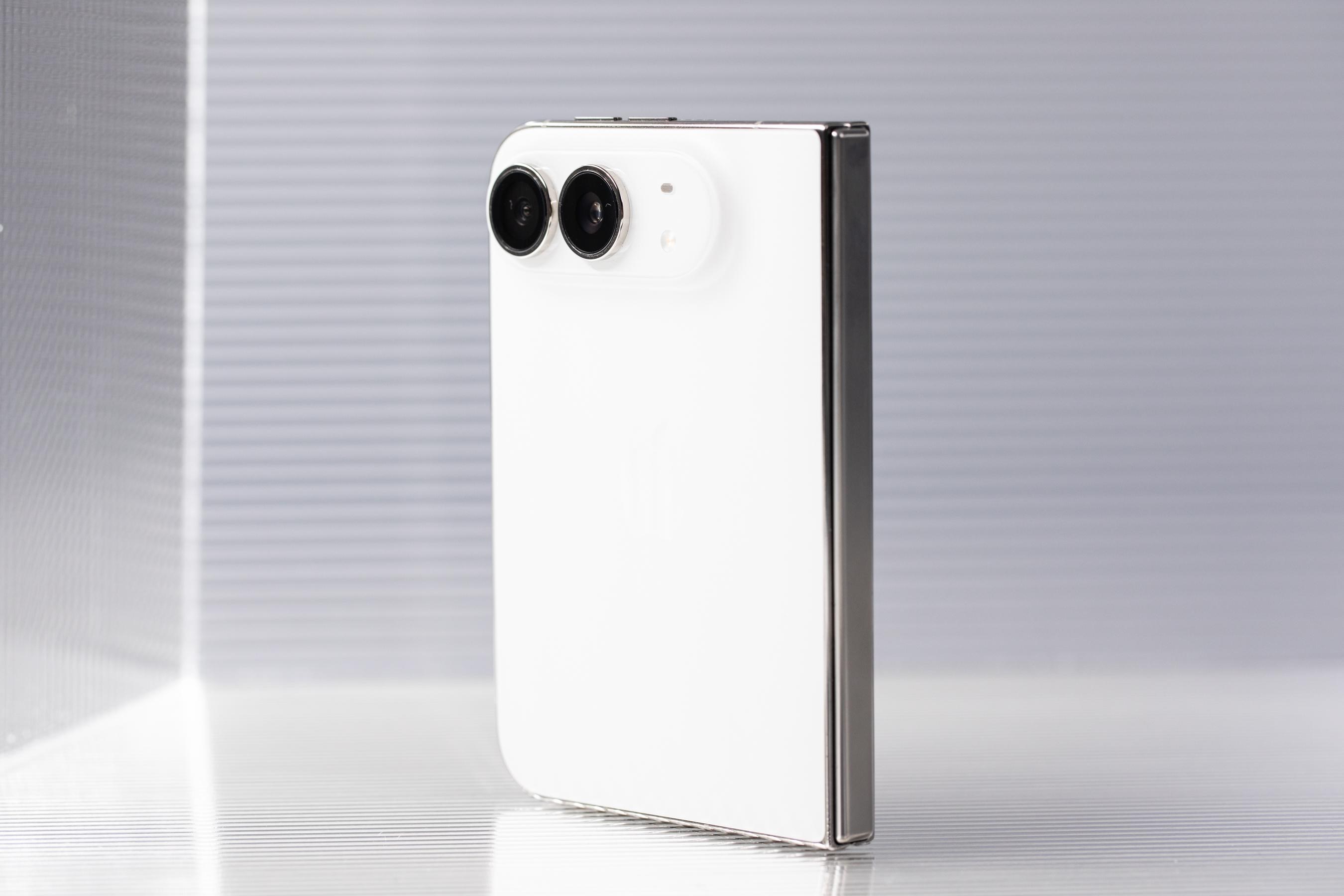
Why iPhone Duo Requires Learning
From the first iPhone to today, Apple has rarely made fundamental changes to the iPhone's basic interaction model. Duo's "built different" nature shows in its product form and usage logic: it's no longer just a single screen, but a new device that requires users to rebuild their operating habits. Because of this, feeling uncomfortable when you first get your hands on it is normal.
Public information is currently limited, but what's certain is that the Duo experience differs significantly from a traditional iPhone. Setting the right expectations in advance is the first step to a smooth start.
The term "learning curve" originated in psychology and industrial engineering, describing the process by which proficiency improves over time as a new skill is mastered. The steeper the curve, the harder the initial learning and the more practice required. Applied to consumer electronics, the steepness of a learning curve depends on the gap between the interaction paradigm and the user's existing habits—the larger the gap, the more users need to actively "relearn" rather than rely on muscle memory. iPhone Duo is considered to have an obvious learning curve precisely because its form factor and operating logic deviate from the intuition users have built over more than a decade. Understanding this helps adjust expectations: initial awkwardness is not a product defect but a normal stage of habit migration.
Getting-Started Tips and Suggestions
Since the original material only provides introductory content, specific operational tips have not yet been elaborated. However, judging from the product positioning, users are advised to start from the following aspects:
Get Familiar with Basic Interactions First
After getting the Duo, don't rush to install a large number of apps. First spend time getting familiar with its basic operating logic, understand how it differs from a traditional iPhone, and then gradually migrate your daily usage scenarios.
Follow Official and Community Tutorials
As a new-form-factor device, official guides and early users' experience sharing will be the most valuable sources of information. Some pre-order users have already begun figuring out how to use it; following these discussions can help you avoid detours.
The term "form factor change" in the phone industry usually refers to a dual change in both physical structure and interaction method—for example, moving from a slab touchscreen to a foldable, dual-screen, or slider structure. Such changes often involve the entire supply chain: screen hinges, flexible panels, body weight distribution, thermal layout, and even the operating system's adaptation to multi-window and multi-form factors all need to be redesigned. Historically, an important reason foldable phones have spread slowly is that the app ecosystem and interaction conventions failed to keep pace with the hardware form factor. Therefore, evaluating a device with a completely new form factor cannot rely on hardware specs alone; you also need to look at whether the system and app layers provide matching interaction logic and developer support, which likewise determines how smoothly users can get started.
"Early adopter community" refers to a group of users who purchase a new product early in its release and actively share their usage experiences. They often post unboxings, pitfall records, and tip summaries on forums, social platforms, and video sites, forming an important supplement to official documentation. For devices with novel form factors, this kind of first-hand experience is especially valuable: official manuals usually cover only standard operations, while edge cases, hidden features, and compatibility issues in real-world use are often first discovered by the community. When following these channels, it's advisable to prioritize sharing that includes specific steps and reproduction conditions, and to note differences between system versions to avoid copying outdated information.
Conclusion
iPhone Duo represents a genuine form-factor revolution. Its learning curve is inevitable, but once mastered it may bring a completely new user experience. For users who got their hands on one early, patience in adapting and proceeding step by step is the most reliable strategy.
(Note: This article is based on limited material; more specific tips will be added later.)
One-line Summary
iPhone Duo has a brand-new form factor and an obvious learning curve; get familiar with interactions first, then migrate scenarios.
Paragraph Summary
This article is a getting-started guide for iPhone Duo. It points out that iPhone Duo is a brand-new form factor from Apple, entirely different from the slab-touchscreen iteration logic of the past decade-plus, so users will feel uncomfortable on first use and face an obvious learning curve. Due to limited public information and original material, the article does not elaborate specific operational steps but offers directional advice: after getting the device, don't rush to install many apps; first spend time getting familiar with the basic interaction logic, understand how it differs from a traditional iPhone, and then gradually migrate daily usage scenarios; at the same time, follow official guides and early user community experience sharing to avoid detours. The article concludes by emphasizing that the learning curve brought by a form-factor change is inevitable, and that patient adaptation and step-by-step progress are the most reliable strategy, noting that specific tips will be supplemented later.
Related articles

AI Simulates Thousands of Typhoon Seasons, Reshaping Tropical Cyclone Risk Assessment
AXA and NVIDIA Earth-2 use AI to generate over a thousand simulated cyclone seasons, overcoming the sparsity of 46 years of historical data and providing a richer probabilistic view for tropical cyclone risk assessment and insurance pricing.

JetBrains Incubates ThinkRail: A Pi-Based Agentic IDE with a New Spec-Driven Development Experience
JetBrains Innovation Hub's open-source agentic IDE ThinkRail, built on Pi, offers spec-driven development, Git worktree parallel workspaces, and Monaco editor interaction—completely free. This article details installation, workflow, and ecosystem integration.

Beyond the Mainstream World: Security and Privacy Struggles in Overlooked Regions
Human-centered security research has long focused on the West, causing security solutions to fail in the mainstream world. Researcher Collins Minando draws on Kenyan mobile loan apps, internet café authentication dilemmas, and local expert studies across nine countries to reveal how socioeconomic constraints reshape privacy practices, and proposes mobile money privacy redesign and PETs deployment pathways.