Jev Ultrafast: A Browser Agent with Dynamic Indexed Action Space
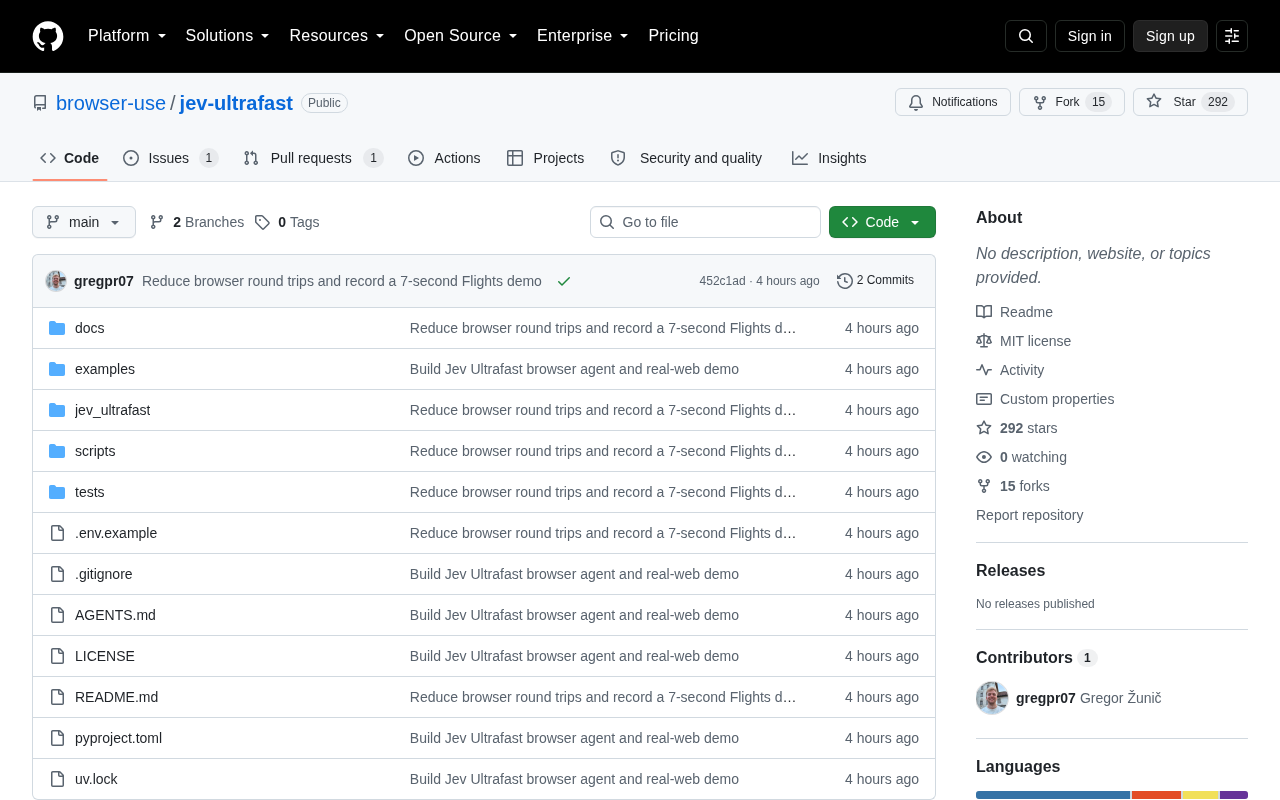
Jev Ultrafast uses a dynamic indexed action space to make browser agents faster and more efficient.
Jev Ultrafast is an early-stage browser agent project that appeared on Hacker News, with its core innovation being a "dynamic, indexed action space." Modern web pages contain thousands of DOM elements, and passing all of them to an LLM is both token-expensive and slow. Jev Ultrafast addresses this by pre-building a structured index of interactable elements — like looking up a dictionary instead of flipping through every page — while keeping that index updated in real time for dynamic pages and single-page apps. The design prioritizes engineering performance over AI sophistication, making it better suited for bulk scraping, automated testing, and other speed-critical production workflows. The project currently lacks benchmarks and detailed documentation, so its actual performance gains remain unverified, but its design direction offers a valuable perspective on browser automation bottlenecks.
What Is Jev Ultrafast
Jev Ultrafast is a browser agent project that recently surfaced on Hacker News, with its core selling point being a "dynamic, indexed action space." In the competitive landscape of browser automation, this design philosophy deserves attention — it directly addresses one of the most persistent pain points in browser agents today: how to efficiently and accurately locate actionable elements among thousands of elements on a page.
Since community discussion around the project is still in its early stages (13 upvotes and 1 comment at the time of writing), this article focuses on the design principles revealed by its technical naming, helping readers understand what a "dynamic indexed action space" means in the context of browser automation.
The Core Challenges of Browser Agents
The job of a browser agent is, in essence, to let an AI model operate a webpage the way a human would: clicking buttons, filling out forms, scrolling, and extracting information. It sounds simple — but implementing it is anything but.
The DOM structure of a modern webpage can be extraordinarily complex, often containing thousands of HTML elements. Feeding all of them to a large language model at once would not only blow past the context window limit, but also leave the model struggling to identify the right element to interact with amid a flood of noise. This is the root cause of why so many browser agents are slow and expensive to run.
Why Action Space Matters
In reinforcement learning and agent architectures, the "action space" refers to the complete set of valid actions an agent can take at any given moment. For a browser agent, the action space is the collection of all interactable elements on the current page along with their corresponding operations. How this action space is organized directly determines the agent's response speed and decision-making accuracy.
The concept of action space originates from reinforcement learning, where it's divided into discrete action spaces (e.g., the finite number of moves on a game board) and continuous action spaces (e.g., continuous joint angles in robot control). A browser agent's action space is discrete but high-dimensional — there are a large number of interactable elements, each supporting multiple operations (click, hover, input, etc.). This gives rise to the so-called "curse of dimensionality": the larger the action space, the longer the context the model must process, and inference latency and token costs grow linearly — or even exponentially. Common mitigation strategies include pruning the DOM tree to retain only interactable elements, replacing raw HTML with the Accessibility Tree, and numbering elements so the model outputs an index rather than pixel coordinates. Jev Ultrafast's "indexed action space" is an extension of this thinking — using pre-built indexes to further reduce lookup overhead at each inference step.
The Value of a "Dynamic Index" Design
The word "Ultrafast" in Jev Ultrafast's name echoes its "dynamic, indexed action space" approach, implying that its performance advantages stem directly from how it indexes the action space.
Indexing: From Traversal to Lookup
Traditional approaches often require re-scanning the entire page and reconstructing a list of interactable elements at every step — a process that is both slow and repetitive. The indexing approach builds a structured index of page elements, allowing the agent to locate a target action as quickly as looking up a word in a dictionary, rather than scanning from scratch every time. This "lookup table" style of access is a universal technique used to speed up many high-performance systems.
Dynamic: Adapting to Page Changes
Modern websites rely heavily on JavaScript for dynamic rendering, with page content changing constantly in response to user interactions. "Dynamic" means this index is not a one-time static snapshot — it updates in real time as the page state changes, ensuring the agent always has access to a current and valid set of actions, even in scenarios involving popups, asynchronous loading, and single-page application route transitions.
Combining both properties, the design theoretically guarantees speed while maintaining reliability in complex interaction scenarios — which is exactly the positioning the name "Ultrafast" is meant to convey.
How Jev Ultrafast Differs from Mainstream Browser Agents
The browser automation space already has plenty of solutions. Some rely on vision models to interpret screenshots directly; others parse the DOM tree to generate actions. Jev Ultrafast puts its emphasis on the organization and indexing efficiency of the action space — a route that leans more toward engineering optimization.
For use cases that require high-frequency, large-scale browser task execution — such as bulk data scraping, automated testing, and RPA workflows — speed and stability are often more critical than raw "intelligence." Performance-first agents like this hit a genuine need in real production environments.
For context, here's how the major browser automation approaches compare: Playwright/Puppeteer provides low-level APIs for precise developer control, but requires a significant amount of hand-written scripting. Frameworks like Browser Use and Browserbase wrap an LLM layer on top of these, enabling natural-language-driven interactions. Academic approaches such as WebAgent and SeeAct explore using vision-language models to directly interpret screenshots and generate click coordinates. Vision-based approaches have the advantage of not needing DOM parsing and work better on canvas-rendered pages, but suffer from high inference latency and heavy model dependency. DOM/Accessibility Tree-based approaches are faster and cheaper, but prone to element-locating failures on dynamic pages. RPA tools like UiPath and Automation Anywhere primarily use a record-and-replay model, which is fragile against page structure changes. Jev Ultrafast's "dynamic index" route attempts to strike a balance between the low cost of DOM parsing and the adaptability needed for dynamic pages.
A Measured Take on an Early-Stage Project
It's worth noting that Jev Ultrafast is still an early-stage project with limited community traction, sparse technical documentation, no published performance benchmarks, and no third-party evaluations. Just how much of a speed improvement its "Ultrafast" claim actually delivers remains to be validated with real-world data.
For developers tracking the evolution of browser agent technology, the value of this project lies more in the design direction it proposes — using dynamic indexing to optimize the action space — than in being a mature, production-ready solution. It's worth keeping an eye on its open-source progress and community feedback before committing to actual use.
Summary
Jev Ultrafast represents an engineering-focused exploration in browser agent design: by using a dynamic, indexed action space, it aims to solve the slowness and high cost of locating actions in complex web pages that plague traditional approaches. While public information remains limited, its core ideas offer a useful lens for understanding the performance bottlenecks in browser automation and the directions worth pursuing to address them.
Related articles
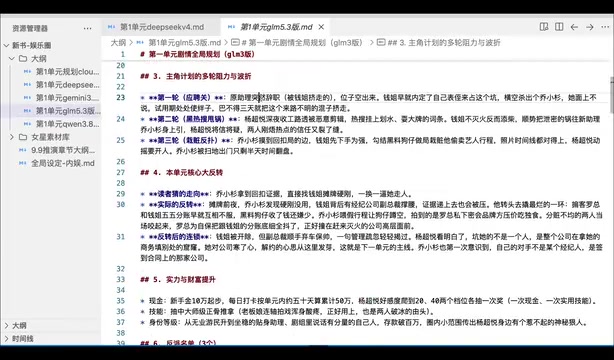
Which AI Model Writes Better Fiction? A Head-to-Head Plot Generation Showdown Across 5 Models
Head-to-head test of DeepSeek, GLM, Qwen, Gemini, and Claude on fiction plot generation. GLM leads in story logic; Claude and Gemini shine in prose quality.
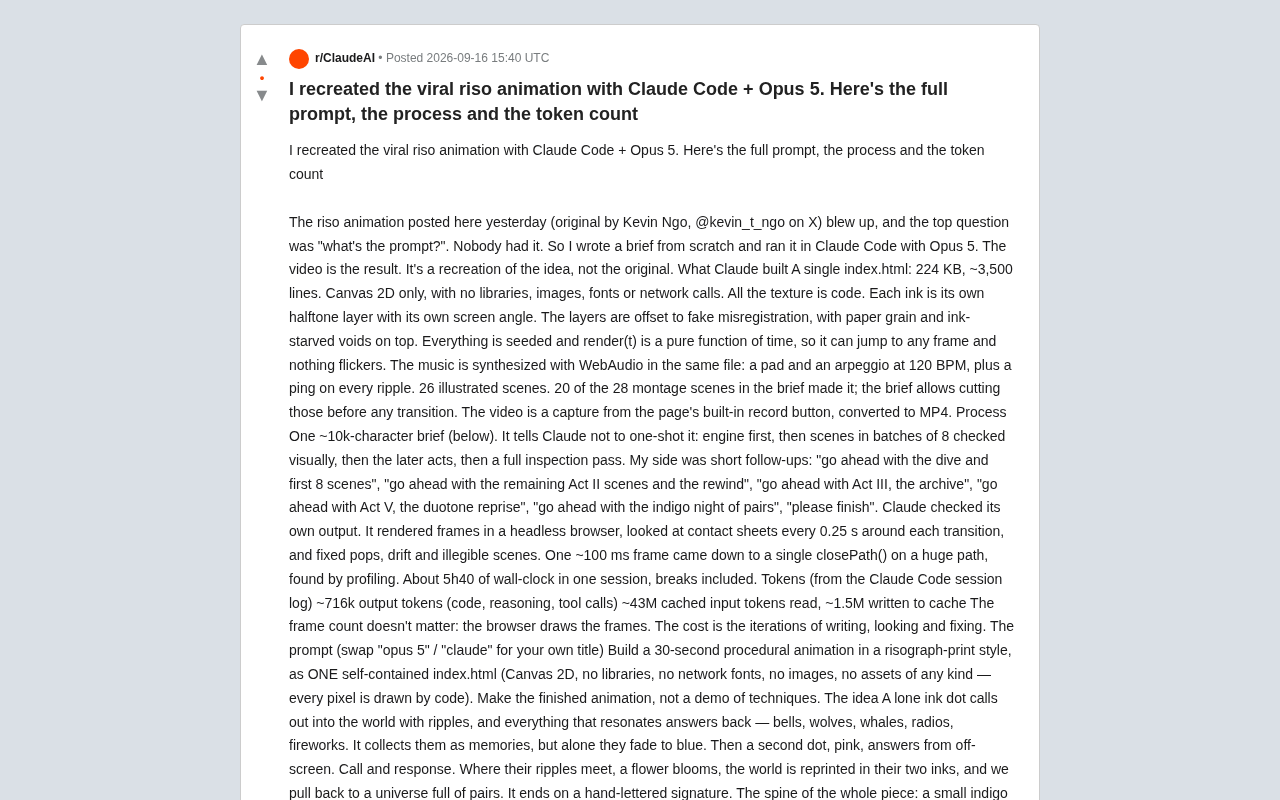
Claude Code Recreates Viral Riso Animation: Full Workflow, Prompt Design, and Token Cost Breakdown
A ~10,000-char creative brief drove Claude Code + Opus 5 to recreate a viral risograph animation in pure code. Full prompt design, workflow, and token costs revealed.
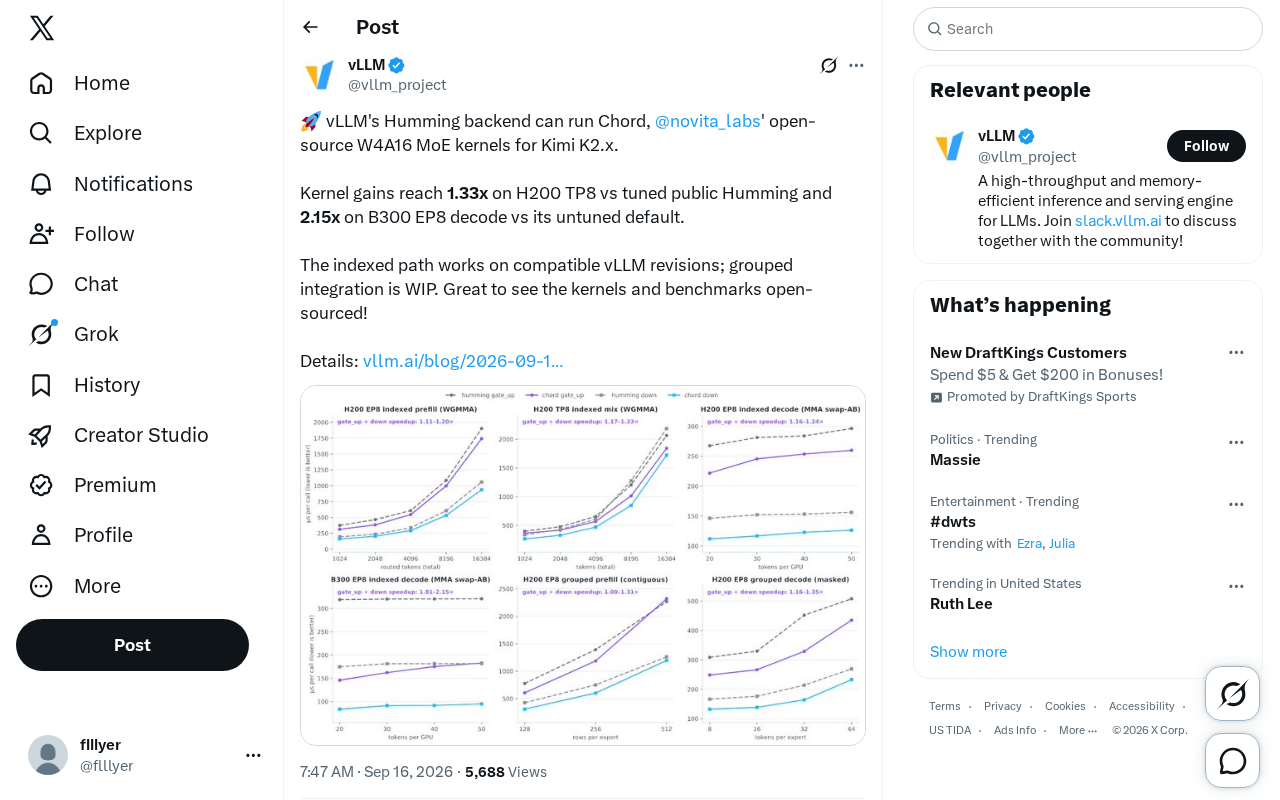
vLLM Integrates Chord Kernel: Up to 2.15x Inference Speedup for Kimi K2.x
vLLM's Humming backend now supports Novita Labs' open-source Chord W4A16 MoE kernels, optimized for Kimi K2.x. 1.33x on H200 TP8, up to 2.15x on B300 EP8 decoding. Indexed path available now.