Kimi K2: A Complete Guide to Moonshot AI's Open-Source LLM Series
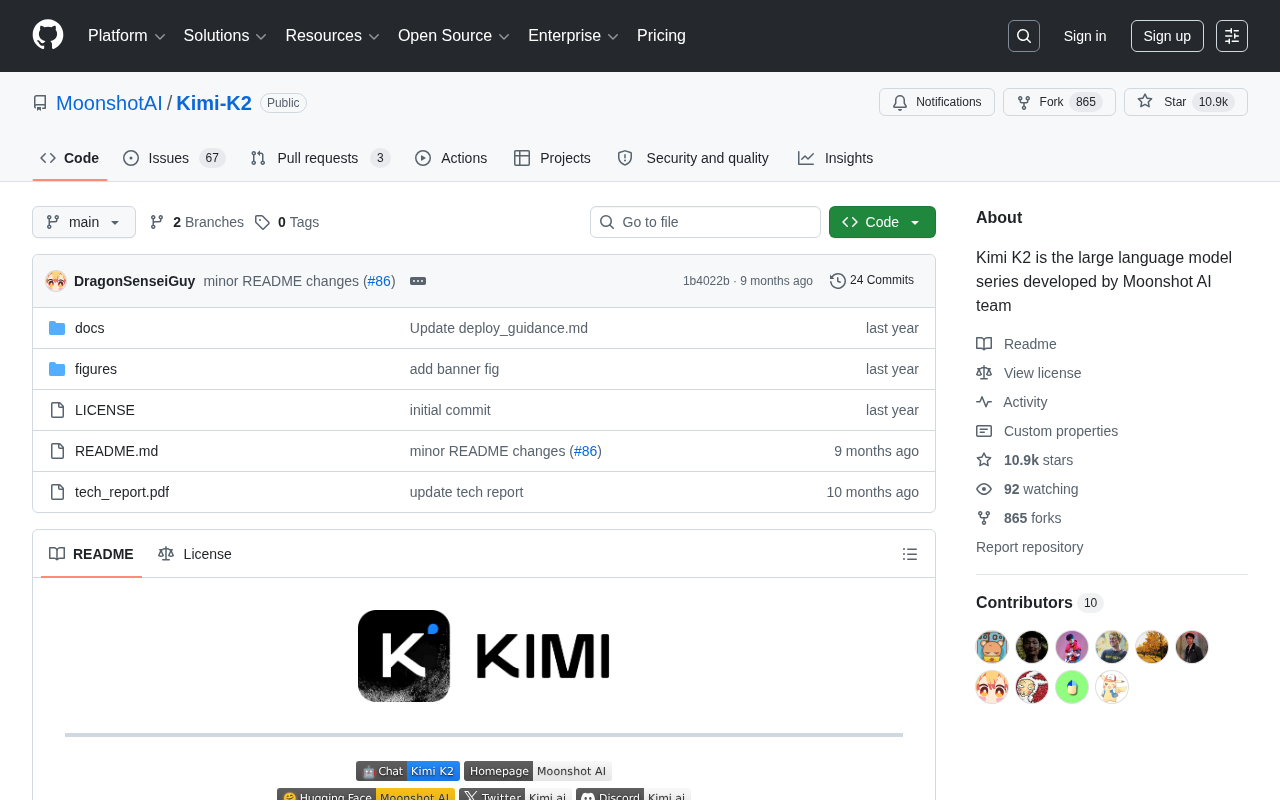
Moonshot AI open-sources Kimi K2, an LLM series that surpasses 10K GitHub Stars and joins China's competitive open-source AI landscape.
Kimi K2 is an open-source large language model series from Moonshot AI, released as a multi-version lineup covering different parameter scales and both base and instruction-tuned variants. It quickly amassed over 10,700 Stars and 831 Forks on GitHub, signaling strong community interest. Alongside established projects like Qwen and DeepSeek, Kimi K2 further energizes China's open-source LLM ecosystem. Developers are advised to carefully review the model's license terms, hardware requirements, and official documentation, and to cross-reference third-party benchmarks before making a final selection.
What Is Kimi K2
Kimi K2 is an open-source large language model series developed by Moonshot AI. As one of the most closely watched teams in China's AI landscape, Moonshot AI first made its name with the Kimi intelligent assistant's standout performance in long-context processing. Kimi K2 is the team's open-source model project aimed at developers and the research community.
The project has already garnered over 10,700 Stars and 831 Forks on GitHub — a notably impressive showing for an open-source LLM project, reflecting strong community enthusiasm for domestically developed open-source models.
Why It Deserves Attention
The significance of open-source LLMs lies in lowering the barrier to accessing cutting-edge AI capabilities. For developers, a model that can be freely downloaded, deployed, and fine-tuned means the ability to build applications in local or private environments — without being entirely dependent on closed-source APIs. This has direct value for data-sensitive use cases, cost control, and model customization.
Given Moonshot AI's technical background, the team has built considerable depth in areas like long-context handling and instruction following. The fact that Kimi K2 is released as a "series" rather than a single model typically implies multiple versions at different parameter scales or serving different purposes (such as a base model alongside an instruction-tuned model), making it easier for developers to choose based on their compute resources and task requirements.
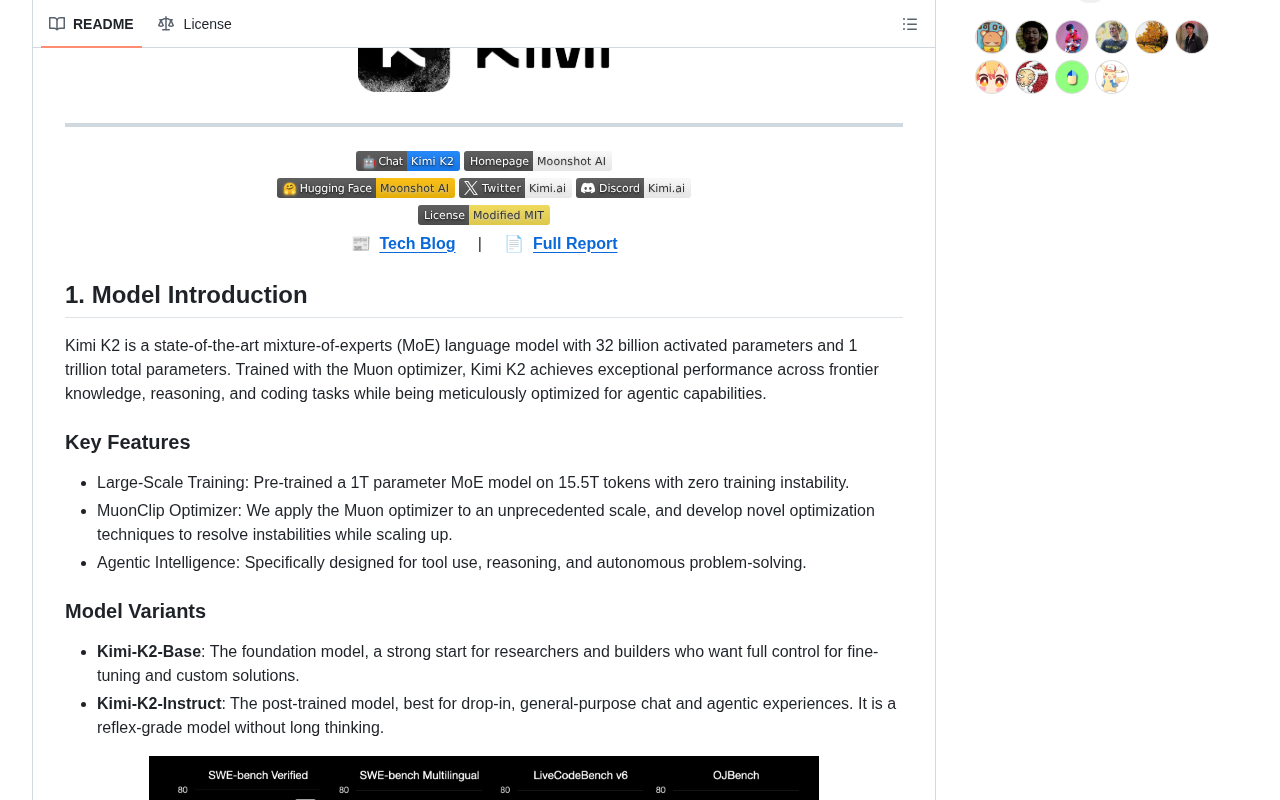
Large language models are typically released in two forms: Base Models and Instruction-tuned Models. A base model is the raw version pretrained on massive text corpora — it has strong general language understanding but isn't optimized for direct conversation or instruction-following. An instruction-tuned model, built on top of the base through supervised fine-tuning (SFT) and reinforcement learning from human feedback (RLHF), is much better at understanding and following user instructions, making it suitable for chat, Q&A, and similar applications. For developers, base models are better suited for further custom fine-tuning, while instruction-tuned versions can be quickly integrated into applications. A "series" release like Kimi K2 typically includes both forms to accommodate users across different levels of technical depth.
The Community Ecosystem Value of Open-Source Models
In recent years, the pace of open-sourcing among Chinese LLM developers has accelerated noticeably — from Alibaba's Qwen series to DeepSeek, and now Moonshot AI's Kimi K2. This is forming an increasingly active open-source competitive landscape. Such competition is healthy for the entire industry: it drives continuous improvement in model capabilities while also enabling smaller teams and individual developers to access top-tier language models at lower cost.
Surpassing 10,000 Stars signals that Kimi K2 has entered the mainstream conversation around open-source models. For teams evaluating Chinese open-source models, it's a worthy candidate to include in the shortlist.
It's worth noting that Chinese open-source LLMs take differentiated approaches to licensing. Both the Qwen series and DeepSeek offer permissive licenses that allow commercial use, lowering the legal barrier to enterprise adoption. Some models, however, impose restrictions on commercial scale — for example, requiring a separate license once monthly active users exceed a certain threshold. When selecting a model, developers must treat license terms as a prerequisite check alongside technical performance, since they directly determine whether the model can be used in a commercial product. GitHub Star counts reflect community interest but are not equivalent to actual model performance or production readiness. Independent benchmark results (such as MMLU, HumanEval, MT-Bench, etc.) should be consulted for a well-rounded evaluation.
How to Get Started
For developers looking to get hands-on, the recommended starting point is the official repository. Pay close attention to the following:
- Model weights and license: Confirm which model versions are available and their open-source licenses — specifically whether commercial use is permitted.
- Deployment requirements: Understand the VRAM and hardware requirements for different versions, and assess whether your compute setup is sufficient.
- Inference and fine-tuning documentation: Review the official sample code and best practices to quickly set up a test environment.
- Community feedback: Browse Issues and discussion threads to learn about real-world problems other users have encountered and how they've been resolved.
Summary
Kimi K2 represents Moonshot AI's continued embrace of the open-source trend in Chinese LLM development. Backed by Moonshot AI's technical pedigree and the community's enthusiastic response, it has the potential to become an important piece of infrastructure for developers building AI applications. That said, given the limited public information currently available, the model's specific parameter scale, performance benchmarks, and real-world behavior still need to be verified against official documentation and third-party evaluations. Readers who are interested are encouraged to visit the project repository directly for first-hand information.
Related articles
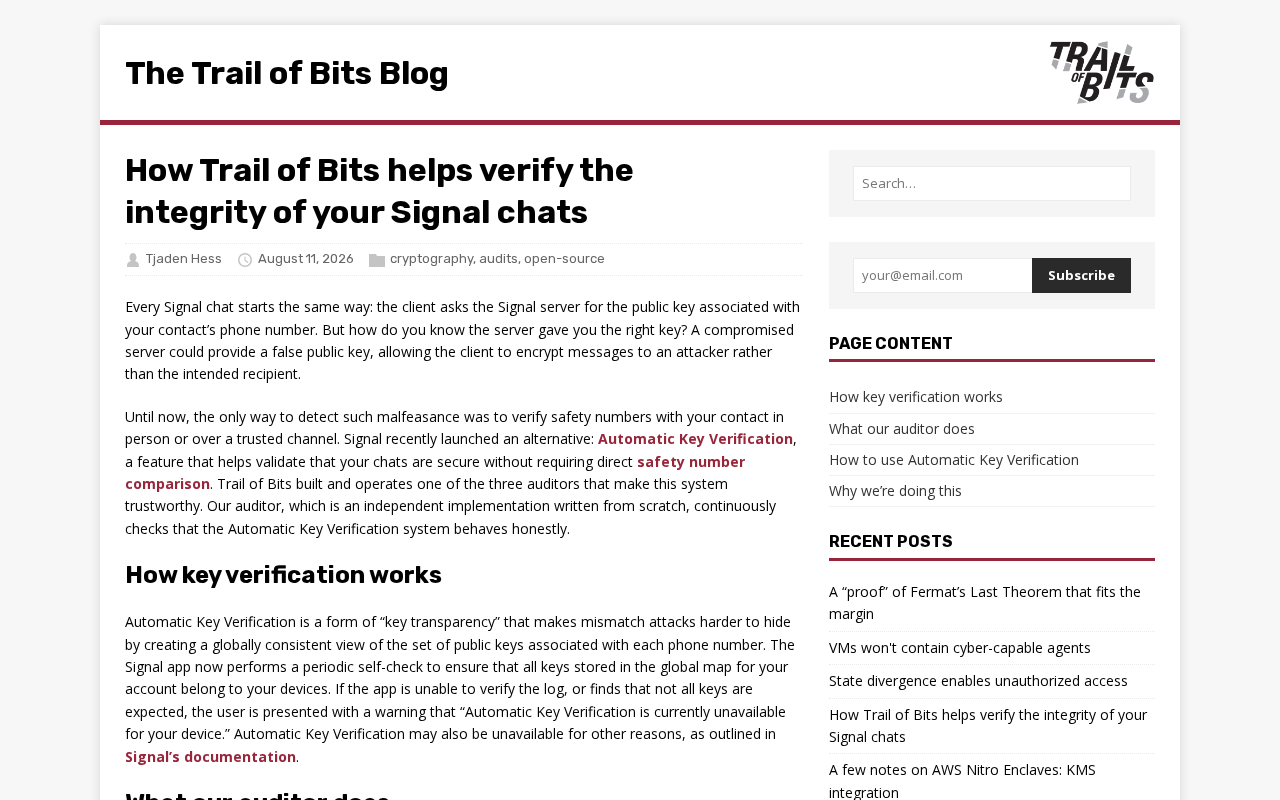
How Trail of Bits Verifies the Integrity of Signal Chat Logs
How does Trail of Bits, as an independent security auditor, help verify the integrity of Signal's end-to-end encrypted chat logs? A technical overview of chat integrity verification and the value of third-party audits.
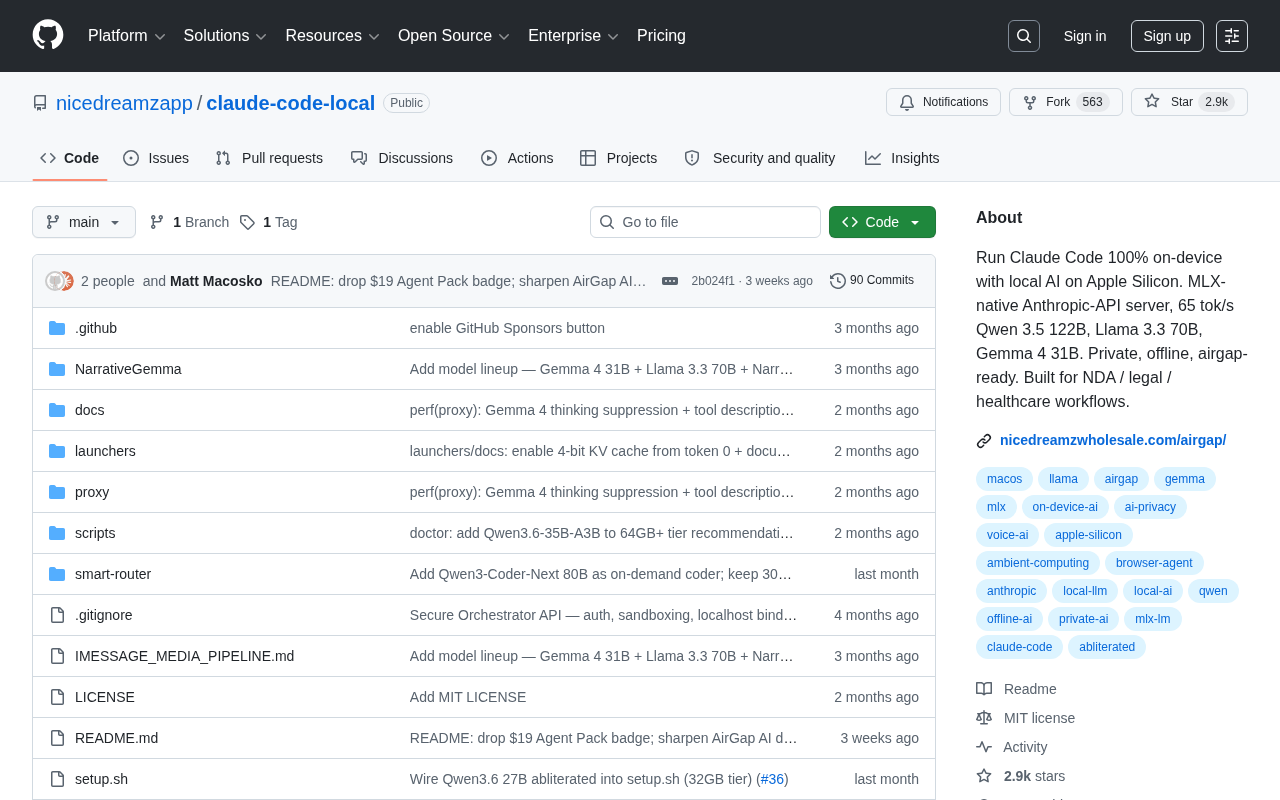
Running Claude Code Locally: A Fully Offline AI Coding Solution for Apple Silicon
claude-code-local runs Claude Code 100% offline on Apple Silicon via MLX, supporting Qwen 3.5 122B at 65 tok/s — built for NDA, legal, and medical privacy workflows.
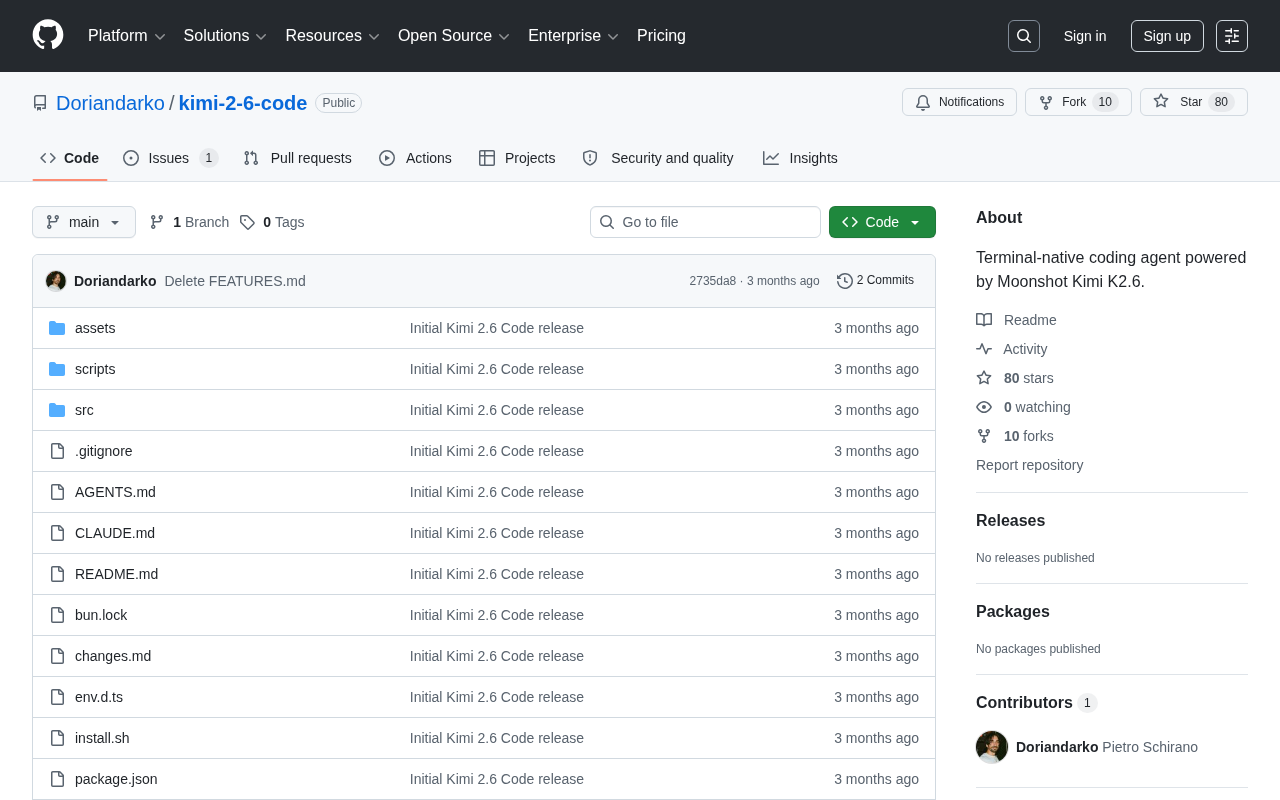
Kimi 2.6 Code: A Terminal-Native Coding Agent Built on the Moonshot Model
kimi-2-6-code is a terminal-native coding agent built in TypeScript on Moonshot's Kimi K2.6 model. Learn about its design, model choice, and maturity level.