Krea 2 + Qwen 3.8 Prompt Optimizer: A Game-Changing AI Image Generation Combo
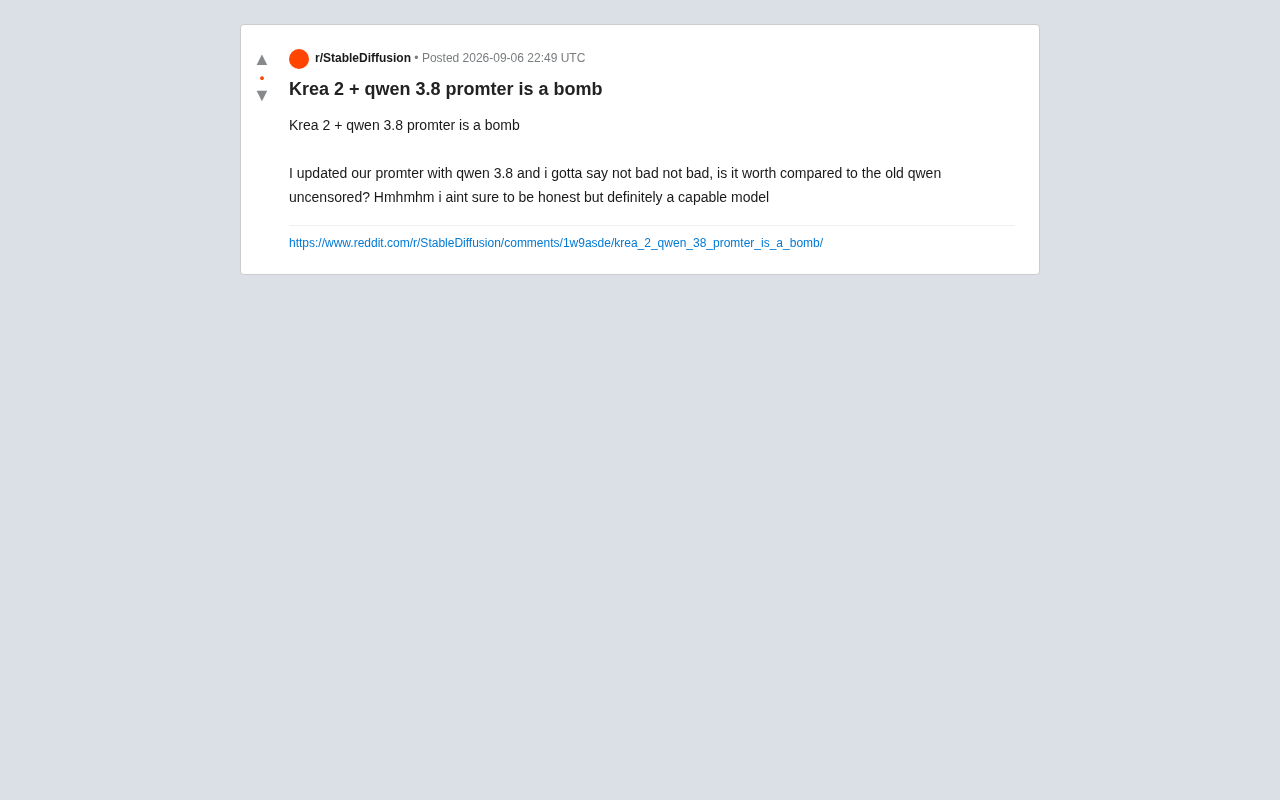
Qwen 3.8 + Krea 2: Using LLMs to optimize prompts dramatically improves AI image generation quality
A Reddit user discovered that pairing Krea 2's image generation tool with Qwen 3.8 as a prompt optimizer produces exceptional results. Qwen 3.8 excels at understanding intent, expanding keywords, and generating structured descriptions, while Krea 2's high prompt sensitivity translates these optimized inputs into precise visual outputs. This LLM + specialized tool combination pattern demonstrates how prompt engineering and intelligent orchestration can unlock capabilities beyond individual tools.
Krea 2 + Qwen 3.8 Prompt Optimizer: A Game-Changing AI Image Generation Combo
Recently, a Reddit user shared their experience combining the Krea 2 image generation tool with the Qwen 3.8 large language model, calling the results "explosive." This approach—using an LLM to optimize prompts before feeding them to an AI image generator—offers a promising new direction for prompt engineering.
Qwen 3.8's Performance in Prompt Optimization
Qwen 3.8 is the latest version in Alibaba Cloud's Tongyi Qianwen series, showing significant improvements in prompt generation and optimization. Tongyi Qianwen (Qwen) is Alibaba Cloud's continuously evolving LLM family, launched in 2023. Starting from Qwen-7B and progressing through Qwen 2, Qwen 2.5, and now the Qwen 3 series, the model has steadily advanced in multilingual understanding, instruction following, and creative generation. The "3.8" in the name refers to the model version number. The Qwen 3 series incorporates multiple architectural innovations including mixture-of-experts inference, enabling even smaller parameter versions to deliver excellent performance on specific tasks. After integrating Qwen 3.8 into their custom prompter, the user found the model exceptionally capable at understanding user intent, expanding keywords, and generating structured descriptions.
Compared to the previously used Qwen uncensored version, Qwen 3.8 is highly competitive in overall capability. "Uncensored" versions refer to community-fine-tuned variants of open-source model weights with some safety alignment constraints removed. These models have fewer restrictions on creative content generation, making them popular in creative scenarios like prompt writing. While the user hasn't determined whether the new version fully surpasses the old one, they clearly recognize Qwen 3.8 as a "capable model." This demonstrates how rapidly LLMs are improving in vertical applications—when a foundation model's instruction-following ability is strong enough, it can often outperform older fine-tuned versions on specific downstream tasks.
Krea 2's Core Advantages in Image Generation
Krea 2's defining characteristic as a next-generation AI image generation tool is its high sensitivity to prompts and precise execution capability. Krea initially gained recognition for real-time image generation and interactive canvas editing, with a design philosophy emphasizing fine-grained creator control over the generation process. Krea 2 further strengthens semantic parsing of natural language descriptions, meaning every adjective and compositional instruction in the prompt translates more accurately to the final image.
Compared to mainstream tools like Midjourney and Stable Diffusion, Krea 2 relies more heavily on high-quality prompt input to achieve optimal results. This stems from an important technical reason: different image generation models employ different text-image alignment strategies during training. Midjourney is known for its strong default aesthetic style, producing visually appealing images even with brief prompts. Krea 2, however, tends to faithfully reproduce user descriptions, with prompt quality directly determining output ceiling. This "high ceiling, high threshold" characteristic explains why pairing it with a dedicated prompt optimization model produces such stunning results.
The workflow is straightforward: users input a simple description, Qwen 3.8 acts as an intermediary layer to understand and expand it, then the optimized detailed prompt is passed to Krea 2 for image generation. This process technically resembles "semantic compilation"—translating vague human intent into precise machine-executable instruction language. This both lowers the barrier for average users and significantly improves the quality and accuracy of generated images.
The Practical Value of Prompt Engineering
This case clearly demonstrates the critical role of prompt engineering in AI image generation. Prompt Engineering emerged as a new practical discipline rapidly becoming a core AI creation skill after diffusion models gained widespread adoption in 2022. Its essence is studying how to guide AI models toward desired outputs through carefully designed text inputs. In image generation, prompts play an especially crucial role because current mainstream text-to-image models (such as architectures based on CLIP text encoders) work by coupling text embedding vectors with the image generation process—every semantic unit in the prompt influences the sampling direction in latent space.
For image generation tools, a quality prompt typically needs to cover multiple dimensions:
- Clear subject description
- Style specification (e.g., photorealistic, illustration, oil painting)
- Composition requirements
- Lighting and shadow details
- Color scheme
Additionally, experienced creators add negative prompts to exclude unwanted elements and use weighting markers (like parenthesis weighting syntax) to emphasize or de-emphasize specific descriptions. These techniques form an informal but effective "prompt grammar system."
Manually writing such prompts is not only time-consuming but requires extensive accumulated experience. Introducing a language model like Qwen 3.8 as a prompt optimizer brings several direct benefits:
- Enhanced intent understanding: Inferring complete creative intent from a few simple keywords. After training on massive text corpora, LLMs possess strong contextual reasoning capabilities, expanding simple inputs like "cat at sunset" into complete descriptions including emotional atmosphere, environmental details, and visual hierarchy.
- Professional terminology supplementation: Automatically adding specialized descriptive language from the image generation domain. For example, models can automatically add widely validated trigger words from the image generation community like "volumetric lighting," "depth of field," and "cinematic color grading."
- Structured output: Formatting prompts according to the target tool's best practices. Different image generation tools have different prompt format preferences—some work better with comma-separated tag-style inputs, others with natural language paragraph descriptions—and LLMs can adapt for the target platform.
- Creative expansion: Enriching visual details while maintaining core intent. This effectively provides every user with an experienced creative director who can draw inspiration from art history, photography techniques, and design principles to enhance visual expression.
The Trend of LLM + Specialized Tool Combinations
This "LLM + specialized tool" combination pattern is becoming a mainstream approach in AI applications. From a software architecture perspective, this is essentially an "Orchestration Layer" design pattern—the language model acts as an intelligent middleware responsible for understanding, transforming, and optimizing user inputs, while specialized tools focus on executing specific tasks. This pattern has many successful precedents in the industry: OpenAI's ChatGPT connects to external tools through plugins and function calling, Anthropic's Claude supports interaction with various applications via the MCP protocol, and in the open-source community, frameworks like LangChain and AutoGPT systematize this "LLM as central brain" concept.
This division-of-labor architecture not only improves final output quality but also significantly enhances user experience. From a technical evolution perspective, it reflects the AI industry's shift from "single large model solves everything" toward "specialized model combination and collaboration." Each model or tool focuses on what it does best—LLMs excel at semantic understanding and text generation, image models excel at visual content creation—and connecting them through APIs and workflows achieves synergy greater than the sum of parts.
For developers and creators, this case offers a clear lesson: don't wait for a single tool to achieve perfection. Through reasonable tool combination and workflow design, you can quickly build solutions that exceed individual tool capabilities. Notably, the barrier to these combinatorial approaches is rapidly lowering—as model API interfaces become increasingly standardized and local model deployment tools like Ollama and LM Studio proliferate, even individual developers can build similar intelligent workflows on their own computers. The combination of Qwen 3.8 and Krea 2 is just a starting point; similar innovative combinations will increasingly appear across various AI application domains.
Key Takeaways
- Qwen 3.8 demonstrates strong capabilities in prompt optimization and creative expansion
- Krea 2's high sensitivity to prompt quality makes it an ideal partner for LLM-optimized prompts
- The "LLM + specialized tool" architecture pattern is becoming mainstream in AI applications
- Prompt engineering remains a critical skill area with significant practical value
- Individual developers can now build sophisticated AI workflows using accessible tools and APIs
Related articles
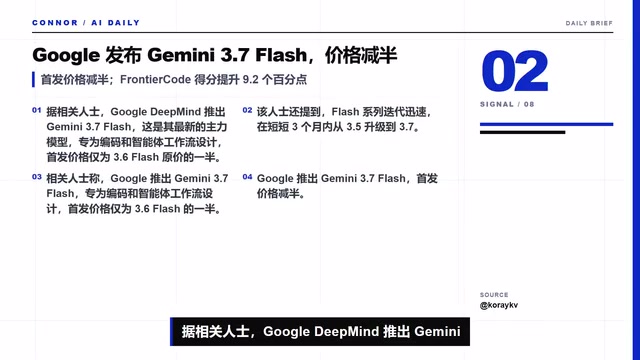
AI Daily: The Speed War and Cost War Are in Full Swing
OpenAI GPT 5.6 UltraFast mode delivers 14x faster inference, Gemini 3.7 Flash slashes prices while boosting performance, MOE architecture gains traction, HBF storage breakthrough—AI industry competition shifts from model capability to speed and cost efficiency dual-front battle.
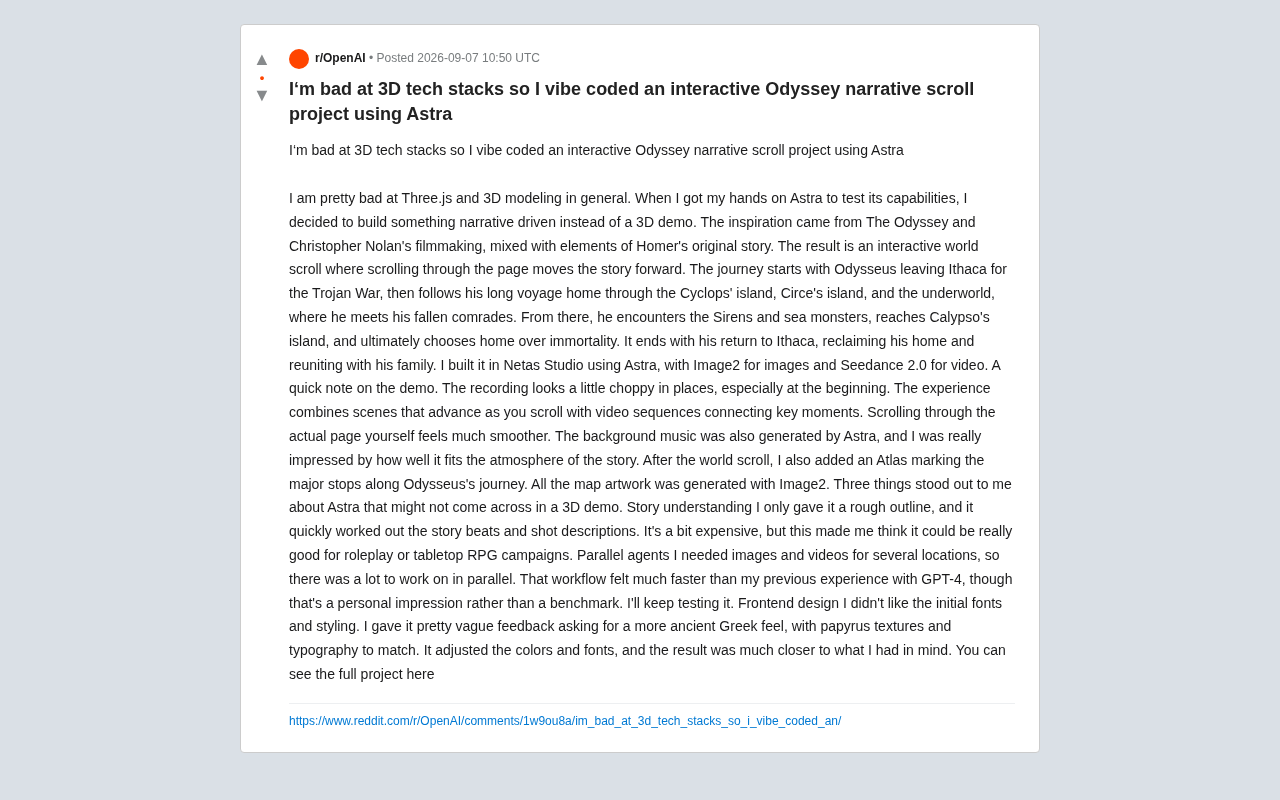
AI-Assisted Creative Production: Building an Interactive Odyssey Narrative Scroll with Astra
A developer with weak 3D skills used Astra AI to create an interactive Odyssey narrative scroll. Learn how AI tools lower technical barriers through story comprehension, parallel workflows, and design iteration.
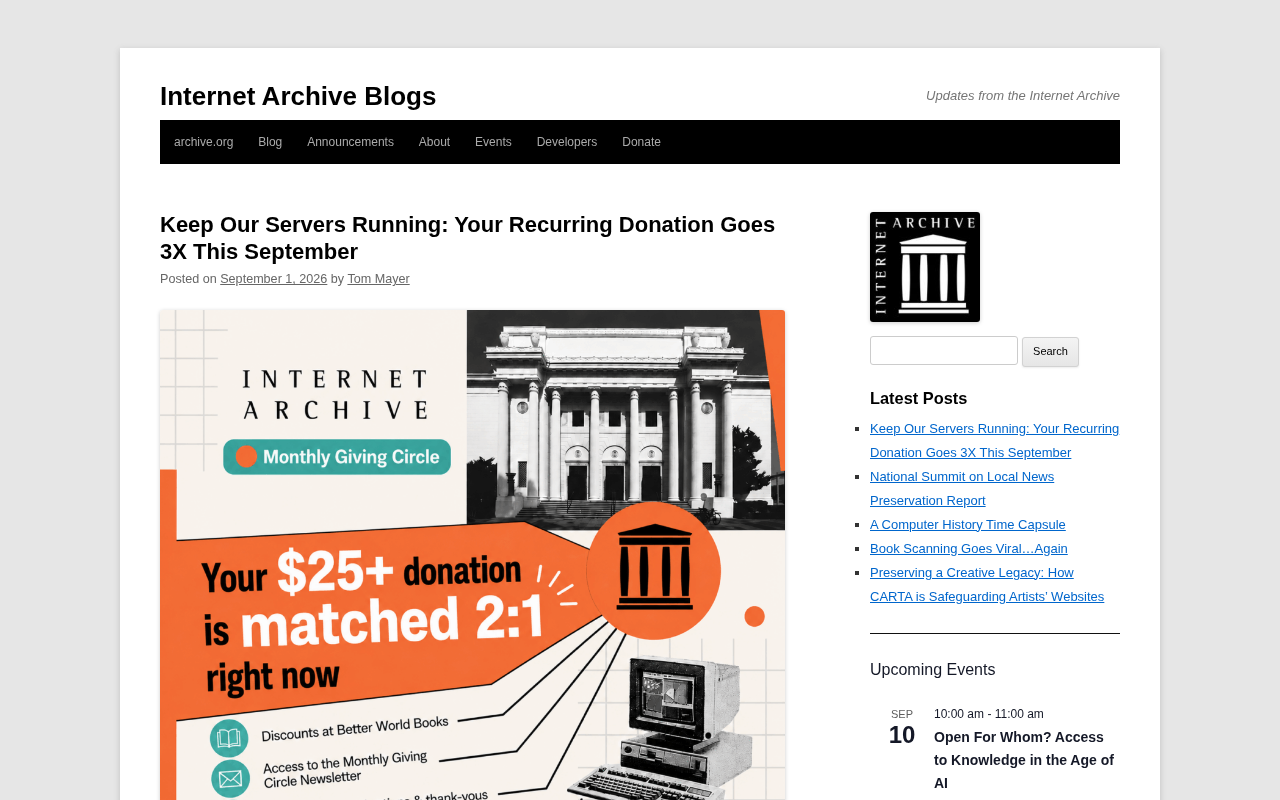
Internet Archive Fundraising Crisis: Server Operations Challenge Behind 800 Billion Archived Web Pages
The Internet Archive faces server operations funding pressure with 800 billion archived pages. Analysis of Wayback Machine cost challenges, nonprofit digital preservation survival crisis, and sustainable development paths.