LLM Classification Is Feature Engineering: Rethinking How We Apply Large Language Models
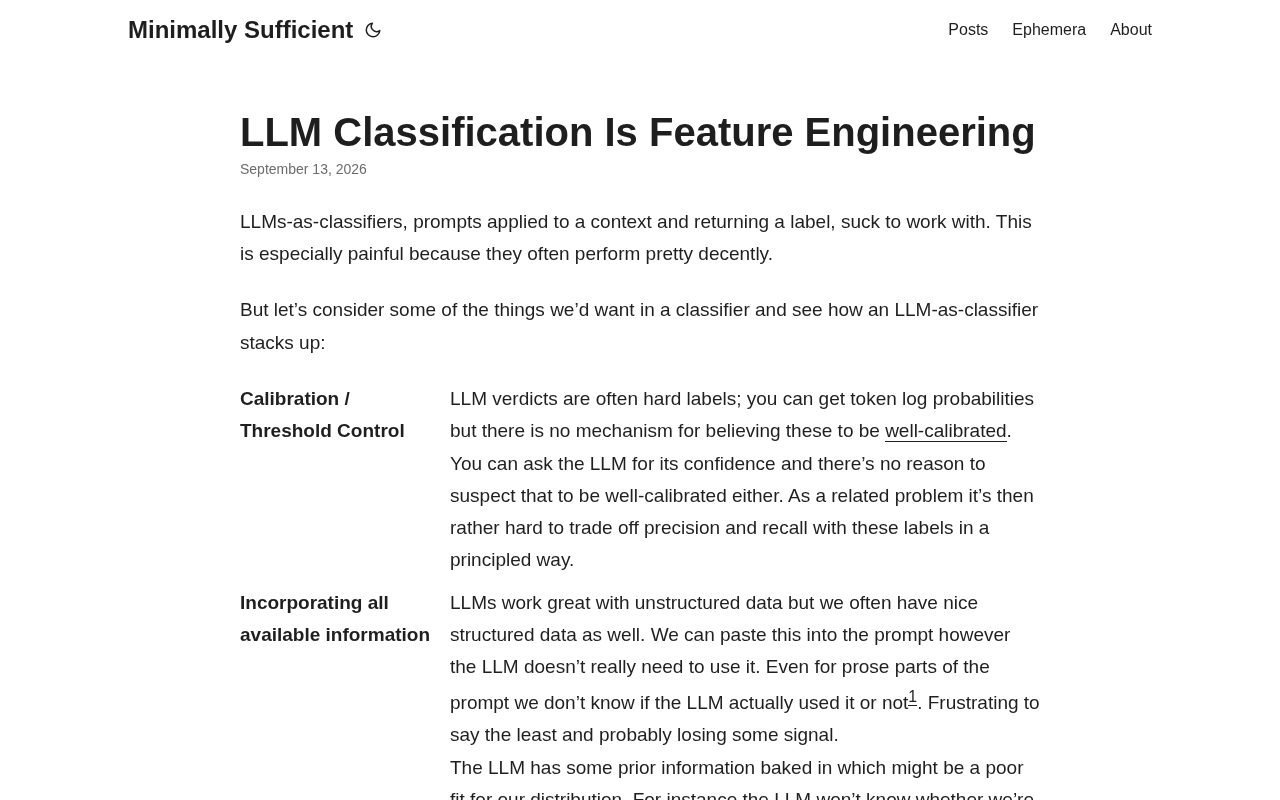
LLM-based classification is feature engineering in disguise — understanding this builds better, more stable systems.
This article argues that using LLMs for classification is fundamentally feature engineering. Every classification task involves two stages — representation and decision — which traditional ML separates but LLMs compress into a single forward pass. Prompt engineering is therefore modern feature engineering: how you define categories and provide examples directly shapes decision boundaries in semantic space. This framing explains why LLM classifiers are unstable, reveals the value of hybrid architectures (LLM as feature extractor, lightweight classification head for decisions), and guides teams toward layered, version-controlled production systems instead of endless prompt tweaking.
What Are We Actually Doing When We Use LLMs for Classification?
Using large language models (LLMs) as classifiers has become the default choice for many engineering teams. Whether it's detecting user intent, tagging support tickets, or running sentiment analysis on large volumes of text, the approach seems straightforward: feed the text to a model, get a category label back. Simple and efficient. But this convenience hides an overlooked truth: using an LLM for classification is, at its core, feature engineering.
That might sound counterintuitive at first. In traditional machine learning, feature engineering means manually extracting and constructing meaningful input variables from raw data for a downstream model. LLMs seem to skip that step entirely — going straight from raw text to a predicted output. But look more closely, and you'll see that when an LLM performs a classification task, it's internally doing exactly this: transforming unstructured text into a high-dimensional semantic representation, then mapping that representation onto a limited output space. That process is precisely what feature engineering aims to do.
The Two Hidden Stages of Any Classification Problem
Every classification task can be broken into two stages: representation and decision. The representation stage transforms raw input into a form that can be compared and discriminated. The decision stage draws boundaries in that representational space.
In traditional pipelines, these two stages are separate. Data scientists spend significant time engineering representations — TF-IDF, word embeddings, statistical features — and then train a logistic regression or gradient boosting model to handle the decision. LLMs compress both stages into a single forward pass. When you write a classification prompt and list your candidate categories, you're essentially telling the model: use the semantic features you learned during pretraining to approximate the decision boundary I have in mind.
This means prompt engineering is, in large part, the modern incarnation of feature engineering. How you describe your categories, how many examples you provide, how you define the boundaries — all of this directly shapes how the model partitions semantic space. Change a single word in a category definition, and classification results can shift dramatically. This mirrors the well-known sensitivity of traditional models to feature selection choices.
Semantic embedding is the key concept for understanding how LLMs handle the "representation" stage. During pretraining, LLMs learn semantic relationships between words, sentences, and paragraphs from vast amounts of text, encoding them as points in a high-dimensional vector space. Semantically similar text lands closer together in this space — which is why a model can recognize that "request a refund" and "my payment never arrived" express the same intent. When an LLM receives text to classify, it first constructs an internal high-dimensional semantic representation of that text, then decides which label to output based on the category boundaries described in the prompt. This builds on the same principles behind earlier word embedding models like Word2Vec and GloVe, but LLMs operate at a vastly higher level of representational power — capturing context, tone, and implicit meaning. That's precisely why the way you describe categories in a prompt is effectively drawing decision boundaries in semantic space: the more precise the description, the cleaner the boundary, and the more consistent the classification results.
Why This Perspective Matters
Framing LLM classification as feature engineering yields several concrete engineering benefits.
First, it explains why LLM-based classification is often unstable. Since model output depends on how the model interprets the prompt's semantics, vague category definitions and skewed example distributions will corrupt results just like bad features do. Instead of endlessly tweaking temperature parameters, teams should step back and ask: are the category definitions clear? Are they mutually exclusive?
Second, it highlights the value of hybrid architectures. A more robust approach is to treat the LLM as a feature extractor — have it produce semantic embeddings or intermediate judgments, then hand those off to a lightweight, trainable classification head for the final decision. This combines the LLM's powerful semantic understanding with the controllability, interpretability, and low-cost inference of a traditional classifier.
Third, it reshapes how we evaluate. If classification quality fundamentally depends on feature quality, then evaluation shouldn't stop at end-to-end accuracy. Teams should examine whether the model's representations of boundary-case samples are sensible, and whether it's stable across paraphrases and synonymous expressions. These are exactly the diagnostic methods that matured during the feature engineering era.
The "classification head" is the core component of a hybrid architecture — a lightweight model layer appended after the feature extractor, responsible solely for making the final category decision. In deep learning, it's typically a simple fully connected layer with a Softmax activation that maps a high-dimensional feature vector to a probability distribution over classes. When using an LLM as a feature extractor, the workflow looks like this: call the LLM's embedding API (not the generation API) to obtain a fixed-dimension semantic vector for each input, then train a logistic regression model or small neural network classification head on those vectors. The benefits are substantial: the classification head requires only a small amount of labeled data to train; at inference time, you can run just the lightweight head without calling the full large model on every request, dramatically reducing latency and cost; when business rules change, you only retrain the classification head rather than rewriting prompts; and the head's weights offer a degree of interpretability. This architecture already has a strong track record in production text classification systems.
From Prompts to Maintainable Classification Systems
For teams moving LLM-based classification into production, this perspective points to a clear path forward.
When the classification task is simple — few categories, clearly defined — using a prompt for end-to-end classification is entirely reasonable. Low cost, fast to ship. But as the number of categories grows and boundaries become subtle, a pure prompt-based approach quickly hits a ceiling: one change ripples everywhere, regression testing becomes a nightmare, and costs scale linearly with call volume.
At that point, the better investment is a layered design — use the LLM to produce stable semantic representations, and push the volatile business logic and decision boundaries down into a separate, version-controlled classification layer. This way, adjusting business logic doesn't require rewriting prompts, and you don't need to invoke an expensive large model every single time.
Closing Thoughts
"LLM classification is feature engineering" isn't meant to diminish the capabilities of large models. It's a clearer engineering framework. It reminds us that LLMs haven't abolished the decades of methodology accumulated in machine learning — they've simply taken the representation learning step to unprecedented heights. Understanding this lets engineers break out of the inefficient loop of endlessly tweaking prompts, and instead build classification systems that are stable, maintainable, and cost-controlled.
Related articles

AI Plays Pokémon Red: Jev Clears Two Gyms for Under $2
A Reddit user had AI model Jev play Pokémon Red in real time while Opus 5 built the harness on the fly — clearing two gyms for under $2, showcasing low-cost AI agents.
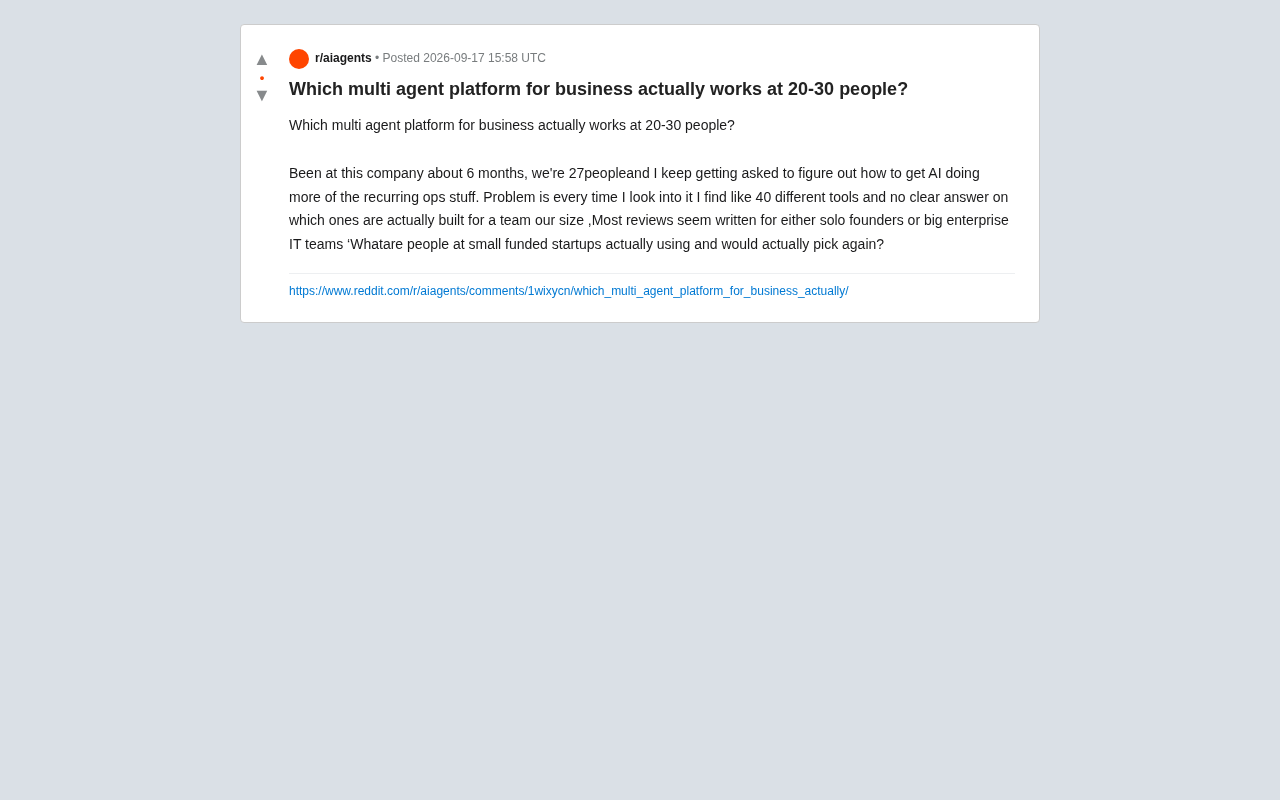
How Should a 20–30 Person Team Choose the Right Multi-Agent AI Platform?
How should a 20–30 person startup choose a multi-agent AI platform? Based on real Reddit discussions, this article analyzes the selection challenges for small teams and offers practical advice.
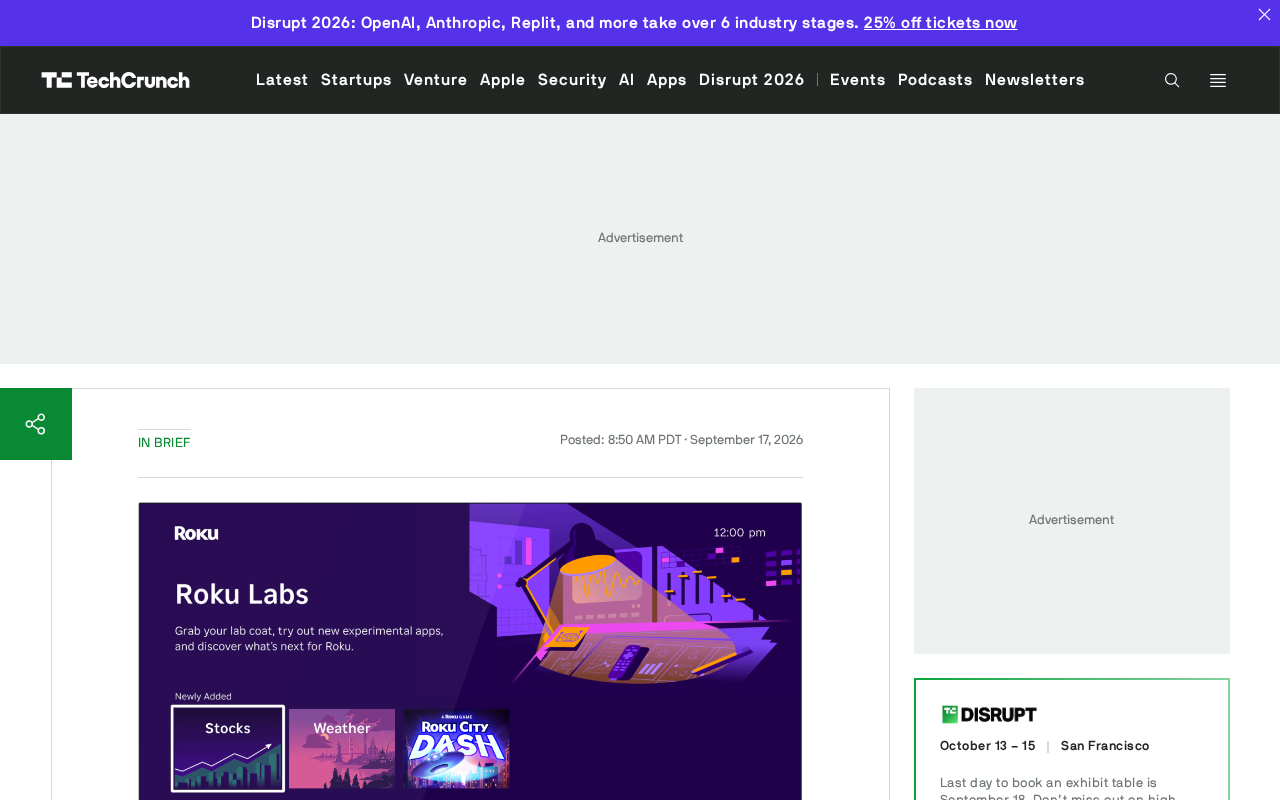
Roku Labs Goes Live: Experimental Apps Come to the Big Screen
Roku's latest OS update launches Roku Labs for experimental apps, expands personalized home screens, and introduces streaming subscription bundles to strengthen its smart TV ecosystem.