LLMagnet: The AI Visibility Tool That Helps WordPress Sites Get Noticed by AI Crawlers

LLMagnet helps WordPress sites track AI crawlers, score AI visibility, and auto-generate llms.txt for the AI search era.
As users increasingly get information through AI assistants like ChatGPT and Claude, "being cited by AI" is becoming the next frontier after SEO. LLMagnet offers a WordPress "AI visibility layer" that tracks crawlers from major AI models, provides a quantified AI Visibility Score, and auto-generates llms.txt and structured data to improve machine readability. The product fills a real gap left by traditional analytics tools, though questions remain around tracking accuracy, scoring methodology, and whether llms.txt will gain broad adoption across AI vendors.
As search behavior gradually shifts from traditional search engines to AI assistants like ChatGPT, Claude, and Gemini, website operators face a new challenge: can your content still be "understood" and cited by these AI systems? LLMagnet launched on Product Hunt with 84 upvotes and a #10 ranking, targeting exactly this rapidly emerging gap in the market.
AI Visibility: The New Battleground After SEO
For the past two decades, the core goal of website optimization has been to help Google's crawlers understand and rank your content highly. Today, however, more and more users ask questions directly to AI assistants, and the answers those AI systems provide come from web pages they've crawled and indexed. If your website isn't being effectively read by AI crawlers, you simply don't exist in this new "answer interface."
LLMagnet calls this layer of needs an "AI visibility layer." It targets WordPress sites — the platform powering a significant share of websites worldwide — and delivers a comprehensive set of capabilities to make content AI-friendly. For blogs, media outlets, and business sites that rely on content for customer acquisition, this is a space that previously had almost no dedicated tooling.
What LLMagnet Offers
Based on the Product Hunt page description, LLMagnet's functionality breaks down into three main areas.
Track AI Crawler Visits
It can track visits from ChatGPT, Claude, Gemini, and other AI crawlers. This means operators can, for the first time, quantifiably see how many AI bots are crawling their site, which model providers they're from, and how frequently they visit. This type of data is often missing or buried within general traffic in traditional analytics tools like Google Analytics.
Measure an AI Visibility Score
LLMagnet introduces the concept of an "AI Visibility Score," which quantifies how AI-friendly a website is into a trackable metric. Similar to the various scoring tools of the SEO era, the value of this quantification is giving operators something concrete to optimize and benchmark against — rather than relying on vague intuitions.
Generate llms.txt and Structured Data
The tool can also automatically generate an llms.txt file and structured data. llms.txt is a convention that has recently emerged in the community — similar to robots.txt — used to tell large language models which content can be read and how to understand a site's structure. Structured data helps AI parse page meaning more accurately, making site content "readable and actionable" for AI agents to work with.
Why This Direction Is Worth Watching
LLMagnet is categorized under three tags — Analytics, SEO, and WordPress — giving it a clear positioning. At its core, it's an extension of SEO tooling, just with AI models replacing search engines as the optimization target.
The potential of this space stems from a clear trend: AI assistants are becoming the primary information gateway. As users increasingly skip the ten blue links and accept direct answers from AI, the value of "being cited by AI" will continue to rise. Yet the vast majority of website owners currently have no visibility into AI crawler behavior and no targeted means of optimization — a genuine information gap and tooling void.
WordPress as the entry point is also pragmatic. The massive base of existing sites and the mature plugin ecosystem allow tools like this to reach large numbers of non-technical content creators at relatively low integration cost.
A Measured Take: The Uncertainties of an Early Product
It's worth noting that publicly available information is still limited to product descriptions, with no empirical evidence about the specific algorithm behind the "AI Visibility Score," the accuracy of tracking data, or the actual effectiveness of optimization. Identifying AI crawlers is inherently difficult — some models don't always crawl using clearly identified User-Agent strings, and ensuring complete tracking coverage is a core technical challenge for tools like this.
Furthermore, llms.txt remains a community convention rather than an enforced standard. Whether and to what degree each AI vendor follows it is still evolving. This means the tool's real-world effectiveness largely depends on the maturity of the external ecosystem — something no single product can fully control.
For content operators, the thinking behind LLMagnet is worth taking seriously: getting ahead of machine readability in the age of AI search. But before integrating it into your workflow, it's advisable to start with a trial period and observe the data, rather than setting overly high expectations for an early-stage product.
Conclusion
LLMagnet addresses a genuinely emerging need — keeping websites visible in the AI era. It packages AI crawler tracking, visibility scoring, and llms.txt/structured data generation into a plugin-style solution for WordPress, lowering the barrier for ordinary site owners to participate in "AI optimization." As an early product, its long-term value will depend on the robustness of its data capabilities and the evolution of AI ecosystem standards. But the direction it points toward is likely to become an unavoidable topic for content operators in the years ahead.
Related articles
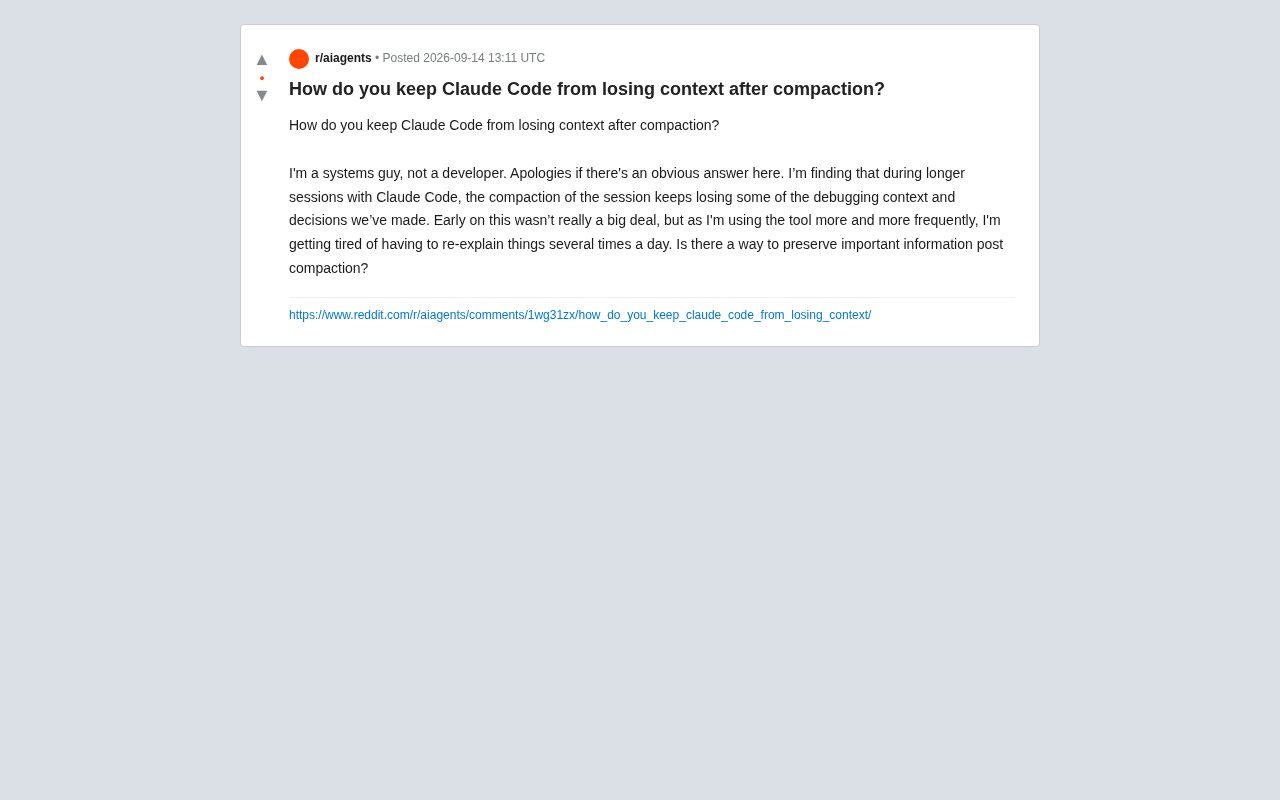
Losing Memory After Claude Code Context Compaction? Practical Solutions Explained
Claude Code losing debugging context after compaction? Learn how CLAUDE.md persistent memory, manual /compact control, session splitting, and external records solve the problem.
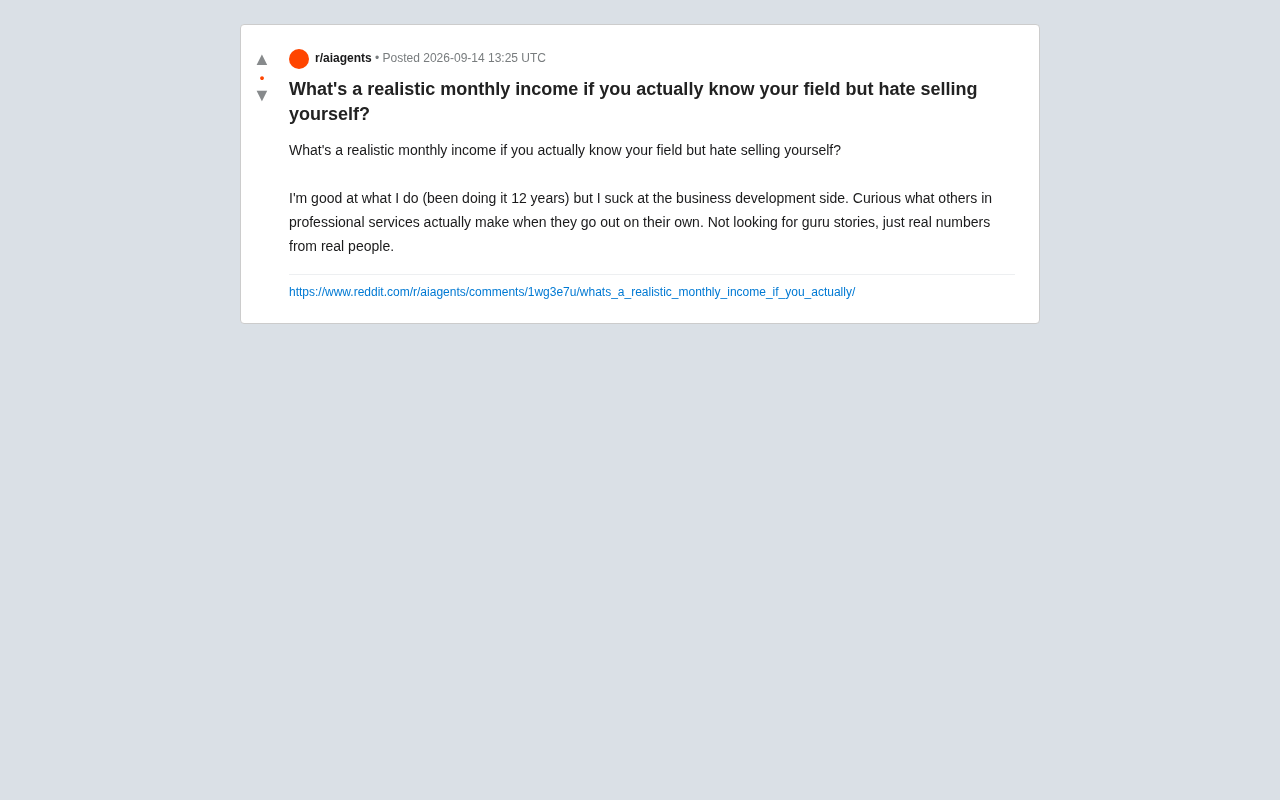
Great at the Work, Bad at the Hustle: A Realistic Look at Monthly Income for Independent Professionals
Can a 12-year professional who hates self-promotion earn well independently? Explore real Reddit insights on income expectations and non-sales client acquisition paths.
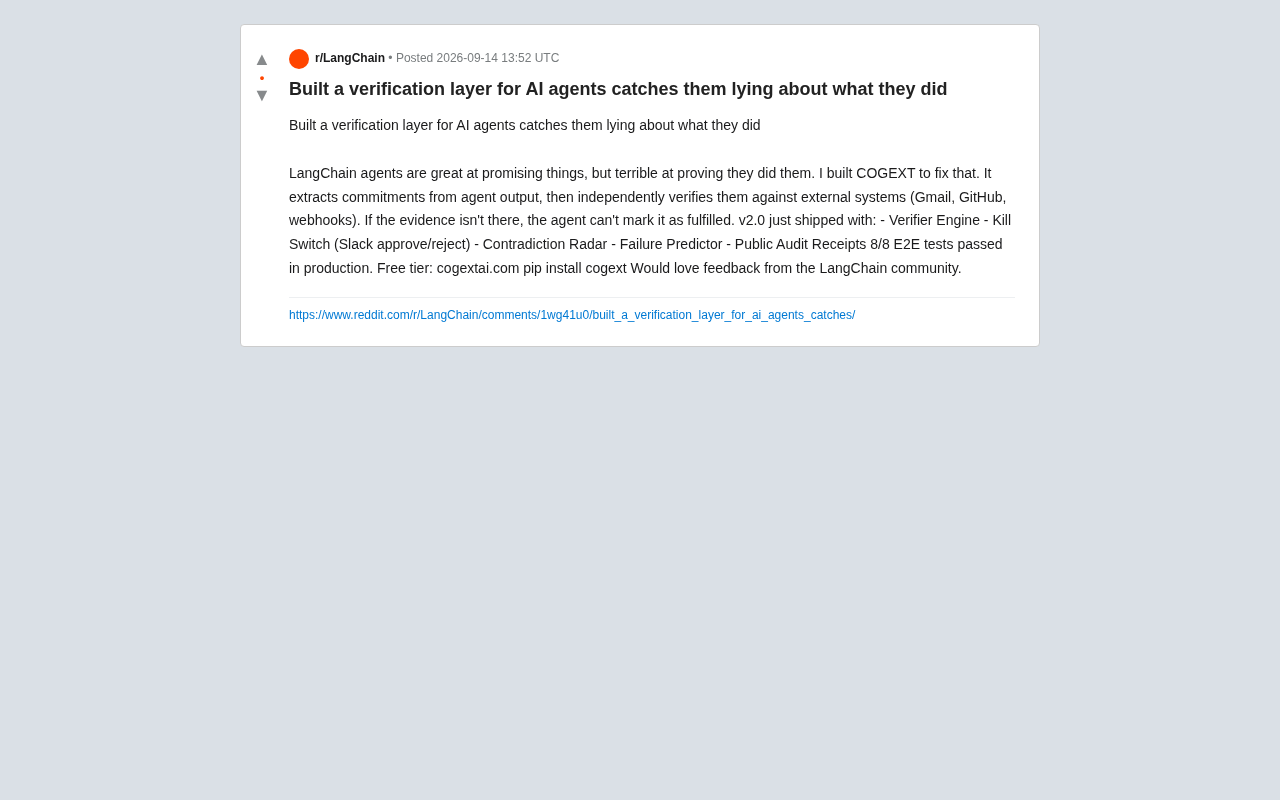
COGEXT: A Verification Layer That Gives AI Agents a "Lie Detector"
COGEXT is a verification layer for AI Agents like LangChain that extracts commitments and cross-checks them against Gmail, GitHub, and other external systems to catch agents lying about task completion.