Local LLM Showdown: Why GLM 3.8-27B Crushes the 35B Previous Generation
GLM 3.8-27B beats the larger 35B predecessor in real workflows — generational training gains trump raw parameter count.
A Reddit user ran a comprehensive end-to-end comparison between local LLM 3.8-27B and the 3.5/3.6-35B series across five complete research projects covering data pipelines to report writing. The smaller 3.8-27B delivered a decisive quality advantage, with its gap to the newer 5.3 being far smaller than its gap above the old 35B models. It also reduced token consumption by 22–33% and lowered memory usage — though at the cost of being 3–4× slower. The case underscores that local model selection should prioritize generational training quality and token efficiency over raw parameter counts.
A Reddit user recently shared a strikingly compelling local model experience: after switching to 3.8-27B, they completely abandoned the 3.5/3.6-35B series they'd been using, calling the gap "absurdly large." This firsthand account from a real scientific research workflow offers a genuine window into how local LLMs are evolving across generations.
A Real-World Stress Test Covering the Entire Workflow
Unlike most evaluations that stop at "running a few prompts," this user embedded their testing in a real applied science work environment — spanning workflow design, data pipeline construction, results analysis, report writing, and online data publishing. They reproduced five complete past projects from start to finish.
This end-to-end reproduction approach is arguably the most demanding way to evaluate a model's overall capability. It tests not just isolated reasoning or writing, but a model's ability to maintain consistency across long task chains, handle context effectively, and attend to fine details. The user's strongest impression of 3.8-27B was precisely its "stupid level of attention to detail."
Fewer Parameters, Better Performance: A Counterintuitive Comparison
Perhaps the most thought-provoking aspect of this report is the inversion between parameter count and actual performance. The 3.8-27B has fewer parameters than the 3.5/3.6-35B-A3B series (which includes multiple variants: vanilla, kat, Ornith/tiel, nex-2, and others), yet it achieves a decisive lead in output quality.
The user's benchmarking is remarkably clear: with access to Z.ai's API, they compared directly against 5.3 and 5.3-flash. The conclusion: the gap between 5.3 (regular or flash) and 3.8-27B is far smaller than the gap between 3.8-27B and any 3.5/3.6-35B variant. Within the old 35B family, only Ornith came close — but never quite matched it.
This suggests that generational optimization gains (architecture, training data, alignment strategies) can far outweigh simply scaling up parameter count. A more "intelligently" trained 27B can leave a larger predecessor well behind.
The Efficiency Equation: Fewer Tokens, Less Memory
For local deployment users, there's a practical efficiency calculation beyond raw quality. The user specifically noted that at the medium effort setting (effort=medium), 3.8-27B consumes 22% to 33% fewer tokens than the previous generation, while also carrying a lower RAM footprint.
What does this mean in practice? Reduced token consumption and lower VRAM/RAM pressure directly translate to fewer context compactions, fewer ceiling hits, and more work accomplished on the same hardware. For independent developers and researchers running models on laptops, this "do more with less" characteristic is often more practically meaningful than top benchmark scores.
Slow — The Only Real Cost
Of course, there's no free lunch. The user frankly acknowledged the trade-off: fully reproducing those five projects took 3 to 4 times the wall time compared to the previous generation. They admitted that if this were the only model available on their laptop, it would "massively reduce" how much they could get done in a day.
In other words, 3.8-27B takes a "trade time for quality" approach. It doesn't prioritize speed — instead, it invests compute and reasoning steps into deeper thinking and finer execution. The user's attitude was relaxed about it: while the model slowly churns away, they simply "drink more tea and play piano" and let it work.
Key Takeaways for Local LLM Users
While this is a single user's personal experience with strong individual coloring, the trends it reflects are worth paying attention to:
First, don't evaluate local models solely by parameter count. The generational gap in training quality can allow a mid-sized new model to comprehensively outperform a larger predecessor.
Second, token efficiency and memory footprint should be core selection criteria. For local deployment, whether you can "finish the job without hitting limits or triggering compaction" often determines real-world usability.
Third, there's a clear trade-off between speed and quality. Users chasing the highest output quality need to mentally prepare for longer wait times; latency-sensitive use cases require different trade-offs.
It's worth noting that all of the above comes from a single Reddit user's subjective testing, without reproducible benchmark data — and broader validation from more users and standardized tests is still needed. But it at least reminds us: when choosing a local LLM, running it yourself on real tasks may be more reliable than trusting parameter counts and leaderboards.
Related articles
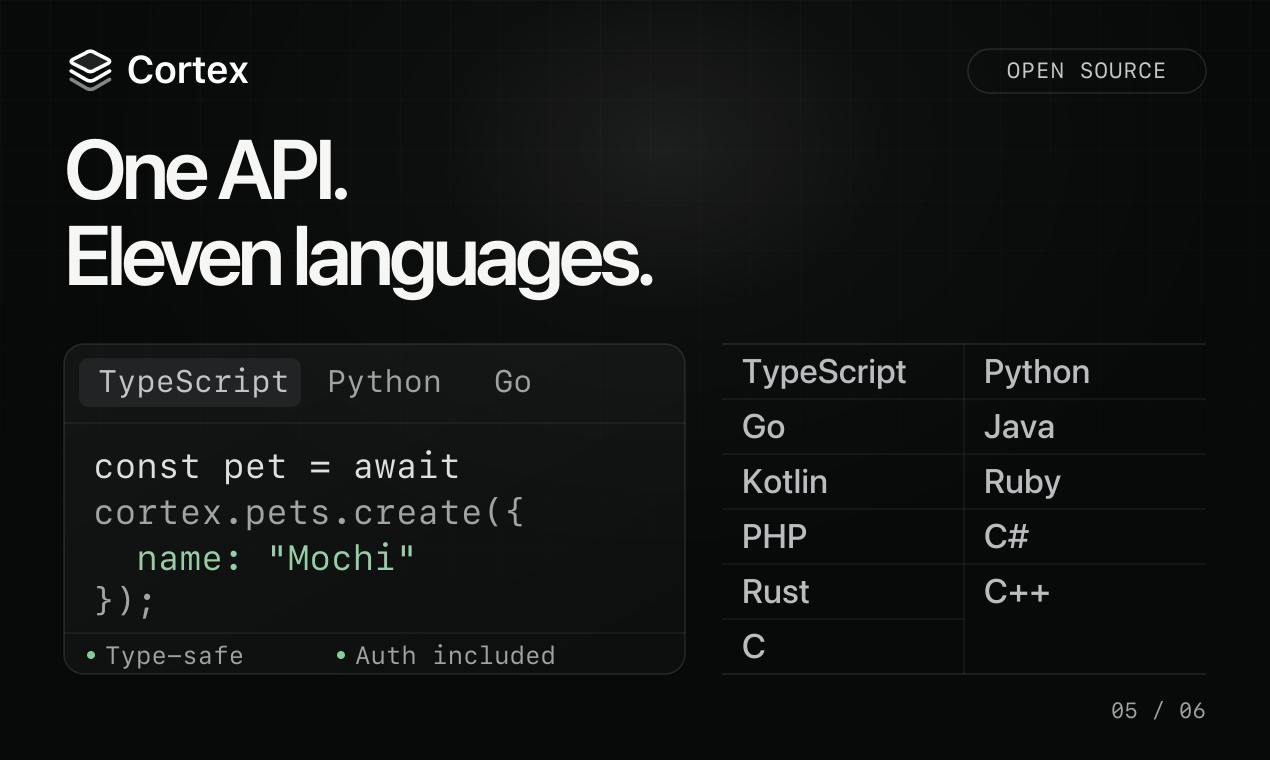
Cortex: Convert API Specs into Docs, SDKs, and MCP Servers in One Click
Cortex is an open-source tool that converts OpenAPI, GraphQL, gRPC and more into interactive docs, typed SDKs in 11 languages, and MCP servers for AI agents.
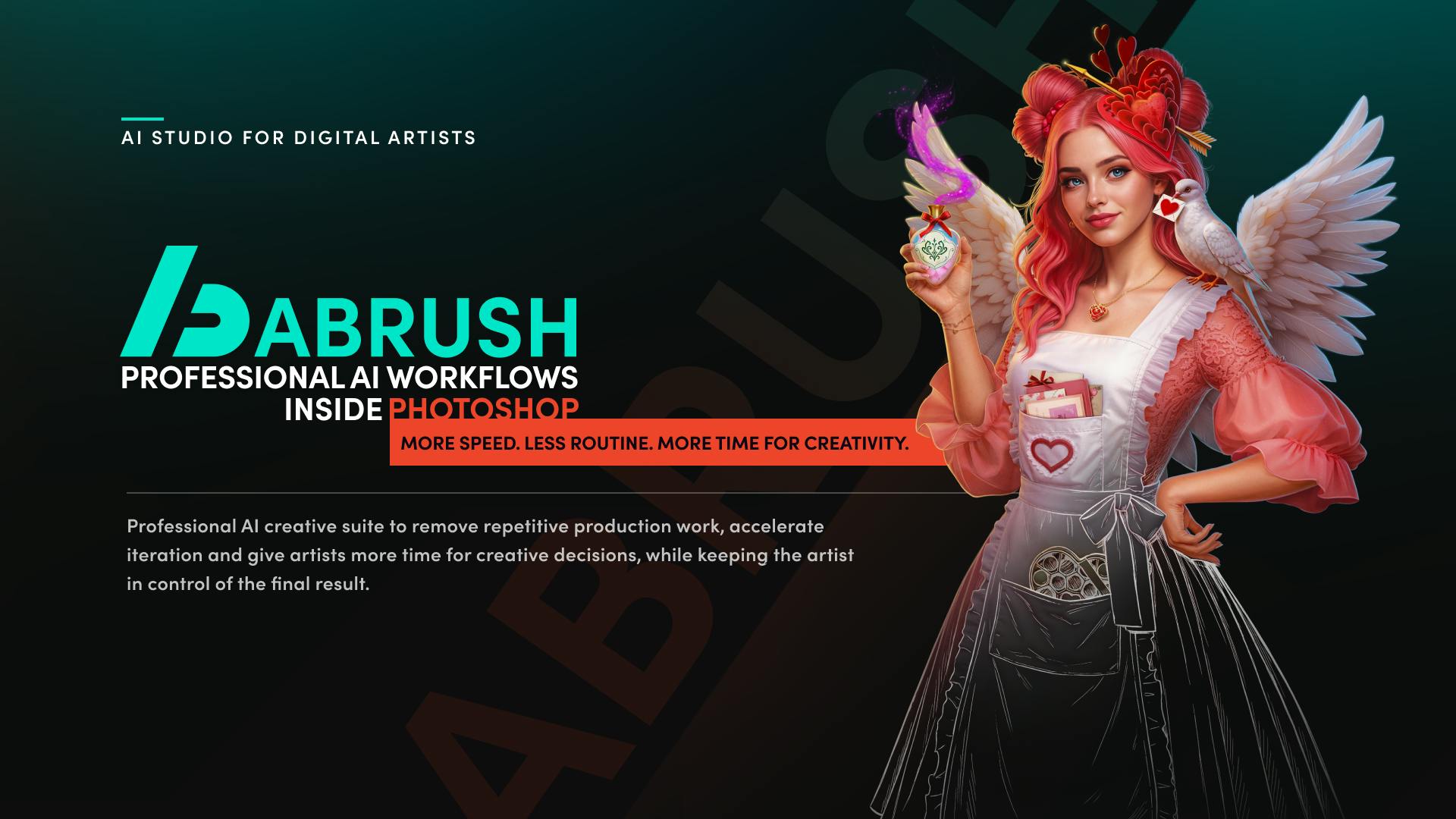
ABrush: An AI Studio Built for Digital Artists
ABrush is an AI studio for digital artists, ranked #4 on Product Hunt. It embeds leading AI models into existing workflows to remove repetitive tasks, speed up iteration, and keep artists in control.
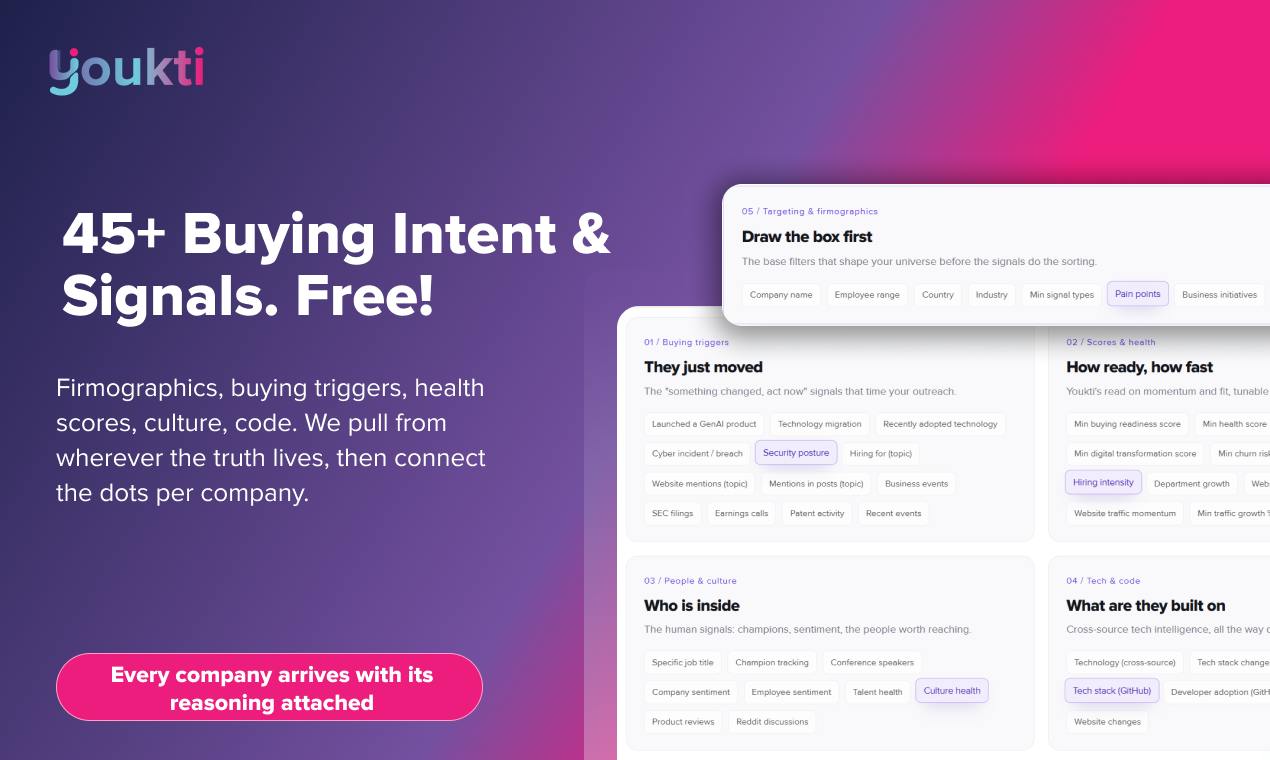
Youkti: An AI That Remembers Every Deal and Tells Your Sales Team What to Do Next
Youkti is an AI sales assistant that hit #2 on Product Hunt. It remembers every account, conversation, and deal — then tells your team exactly what to do next. Contact data, buying signals, and intent data are all free.