Loniva Brain Training App Review: 27 Games to Boost Memory and Focus
Loniva offers 27 adaptive brain games across six cognitive dimensions for daily mental training.
Loniva is a mobile brain training app featuring 27 games designed to exercise memory, attention, language, logic, reaction speed, and focus. Its adaptive difficulty system adjusts challenges based on user performance, keeping training in the optimal learning zone. Suitable for all ages, from professionals to seniors.
Loniva Brain Training App Review: 27 Games to Boost Memory and Focus
In today's fast-paced modern life, maintaining brain vitality has become a health concern for more and more people. Loniva is a mobile application focused on daily brain training that helps users exercise core cognitive abilities like memory and focus through gamified methods in a relaxed and entertaining way.
The Scientific Foundation of Cognitive Abilities and Brain Training
Cognitive abilities refer to the mental processes by which the human brain processes, stores, and retrieves information, encompassing multiple dimensions including memory, attention, language, and executive functions. Neuroplasticity theory demonstrates that the brain has the capacity to reorganize neural connections based on experience, providing a scientific foundation for brain training. Research shows that targeted cognitive training can improve performance in specific cognitive domains, but the key lies in the continuity, intensity, and specificity of the training. The academic community still debates the "cognitive training transfer effect"—whether training on a particular task can enhance general cognitive abilities in daily life. Nevertheless, keeping the brain active and engaging in diverse cognitive challenges is widely recognized as beneficial for maintaining cognitive health.
A Game Library Covering Six Cognitive Dimensions
Loniva's core highlight is its rich game content. The app features 27 different types of brain training games covering six major cognitive dimensions:
- Memory: Strengthens short-term and long-term memory through matching and sequence recall games
- Attention: Trains users to quickly capture targets in complex information
- Language Ability: Enhances vocabulary and language processing speed
- Logical Thinking: Exercises high-level thinking abilities such as reasoning and pattern recognition
- Reaction Speed: Reduces cognitive response time
- Focus: Enhances sustained attention and resistance to distraction
This comprehensive design ensures users can develop various cognitive skills in a balanced way, rather than being limited to repetitive training in a single dimension.
More importantly, these 27 games are not simple repetitions but offer thousands of variable combinations. Users can experience fresh challenges every day, effectively avoiding the monotony that traditional brain training applications tend to produce.
Adaptive Difficulty System: Keeping Training Effective
Technical Principles of Adaptive Learning Systems
An Adaptive Learning System is an intelligent algorithm that dynamically adjusts content difficulty based on user performance. Its core is the "Zone of Proximal Development" theory proposed by psychologist Vygotsky, referring to the area between a learner's current ability and potential ability. In technical implementation, adaptive systems typically employ Item Response Theory (IRT) or Bayesian Knowledge Tracing algorithms, analyzing multidimensional data such as user accuracy rates and reaction times to estimate user ability levels in real-time and select appropriately difficult questions accordingly. This mechanism is more efficient than traditional fixed-difficulty training, avoiding problems of "too simple leading to boredom" or "too difficult leading to frustration," keeping training consistently in the optimal learning state.
Loniva employs an adaptive difficulty mechanism, which is an important technical feature. The app dynamically adjusts game difficulty based on actual user performance, ensuring training always remains in the user's "zone of proximal development"—neither too simple to result in ineffective practice nor too difficult to cause frustration and abandonment.
This personalized training approach makes Loniva suitable for users of different age groups and cognitive levels:
- Young professionals hoping to maintain mental sharpness and improve work efficiency
- Middle-aged and elderly groups wanting to prevent cognitive decline through daily training
- Players interested in puzzle games and pursuing continuous challenge
Cross-Platform Support and Product Positioning
The Product Philosophy of Serious Games
Serious Games refer to digital games whose primary purpose is practical goals such as education, training, and health rather than pure entertainment. This concept emerged in the early 21st century and is now widely applied in fields such as medical rehabilitation, vocational training, and cognitive intervention. The design core of serious games is embedding learning objectives within game mechanics, enhancing user engagement and persistence through gamification elements like immediate feedback, progress visualization, and achievement systems. Unlike traditional "edutainment," serious games emphasize measurable effects and scientific design foundations. In the brain training field, serious games need to balance enjoyment with training effectiveness—being attractive enough for continued use while ensuring game mechanics genuinely exercise target cognitive abilities rather than merely providing entertainment.
As an application supporting both iOS and Android, Loniva demonstrates good inclusivity in platform coverage. From a product classification perspective, Loniva is categorized under Android, Puzzle Games, and Games, reflecting its positioning as a "serious game"—both a casual entertainment product and a functional brain health tool.
This dual nature allows it to find a differentiated entry point in the highly competitive health app market, balancing both enjoyment and practicality.
Comparative Considerations: Loniva vs. Similar Brain Training Apps
Brain Training App Market Landscape
The global brain training application market has grown rapidly over the past decade, with representative products including Lumosity (launched in 2007 with over 100 million users), Peak (launched in 2014, once Apple's App of the Year), and Elevate. These applications typically adopt subscription-based business models with annual fees ranging from $40-80. Market growth drivers include cognitive health demands from an aging population, young professionals' pursuit of mental enhancement under workplace competitive pressure, and the convenience brought by smartphone proliferation. However, this market also faces scrutiny: in 2016, Lumosity was fined $2 million by the U.S. Federal Trade Commission for exaggerating training effects. The academic community disputes the effectiveness of commercial brain training applications, with a 2016 review published in Psychological Science noting that most products lack sufficient scientific evidence supporting their claimed effects.
The brain training application market continues to grow, with pioneers like Lumosity and Peak having validated the commercial value of this track. As a new entrant, Loniva demonstrates competitive strength with its 27-game scale and adaptive difficulty system, but still needs more time to verify user retention and long-term training effectiveness.
For users, two key points should be considered when choosing brain training applications:
- Continuity: Loniva's "daily brain exercise" philosophy aligns with basic principles of cognitive training, encouraging users to develop regular training habits
- Scientific rigor: Information about the scientific basis for training effects and connections to neuroscience research still needs to be further disclosed by the product team in subsequent operations
Additionally, the app has not yet clearly disclosed its monetization model—whether subscription-based, in-app purchase unlocking, or ad-supported free model—which will directly impact long-term user experience.
Summary
With 27 games, coverage of six cognitive dimensions, and an adaptive difficulty system, Loniva provides a content-rich, low-barrier option for daily brain training. If you're looking for a cognitive training tool that can integrate into daily life, Loniva is worth downloading and experiencing. However, it's recommended to evaluate its actual impact on your cognitive abilities after using it for a period of time. At the same time, users should maintain rational expectations about brain training applications—they can serve as auxiliary tools for cognitive health management but should not be viewed as a panacea for boosting intelligence or preventing cognitive decline.
Related articles
Is Vibe Coding Reliable? Security Concerns Behind the AI Programming Joke
A Reddit meme sparks programmer debate: Vibe Coding enables everyone to write code, but who's responsible for AI-generated code security? Exploring common security risks in AI-assisted programming.
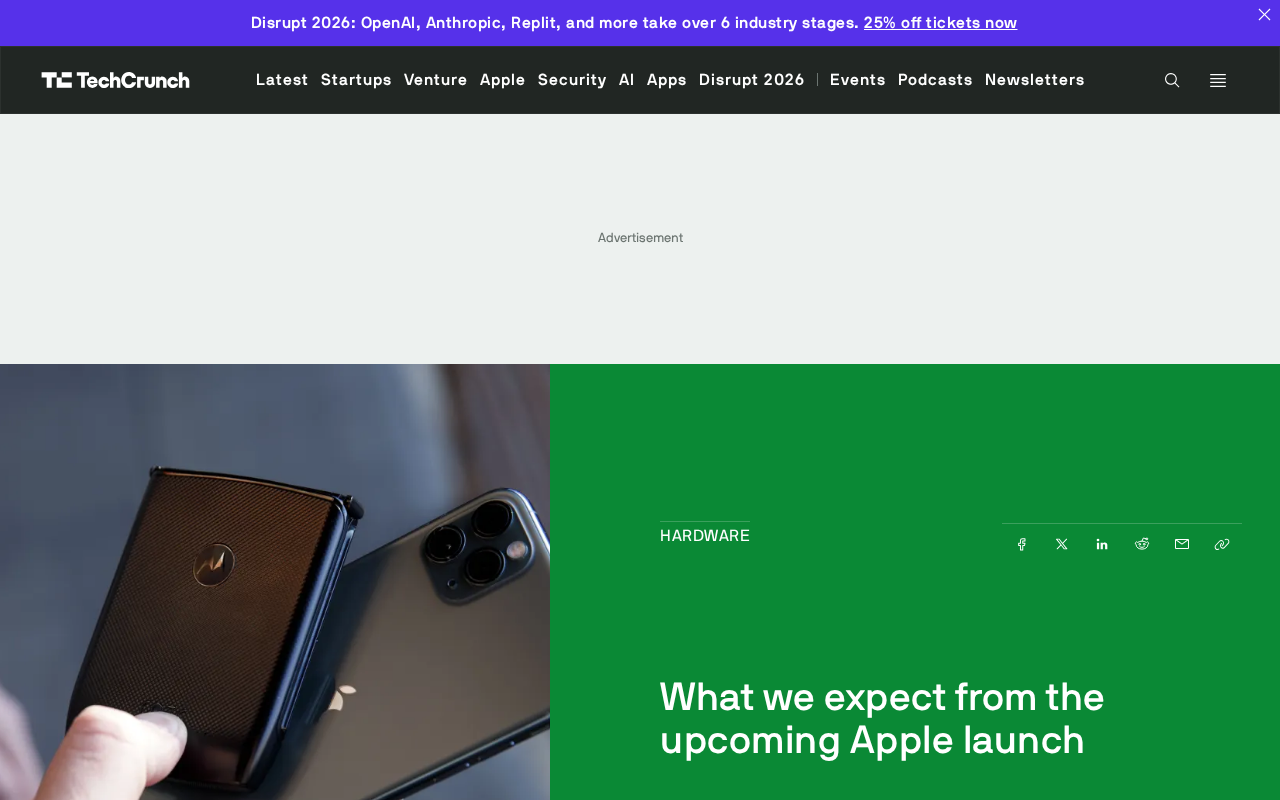
Apple September 9 Event Preview: Foldable iPhone Ultra Takes Center Stage
Apple's September 9 fall event is coming, headlined by the first foldable iPhone Ultra. This article covers the naming strategy, industry impact, key challenges, and expected AirPods and HomePod updates.

Sony Revisits the WH-1000XM4 After Six Years: Why This Legendary Noise-Cancelling Headphone Endures
Sony revisits the WH-1000XM4 wireless noise-cancelling headphones after six years. A deep dive into why this legendary product's sound, ANC, and design remain an industry benchmark.