Making Marketing Videos with Claude Code Is More Efficient Than AI Video Generation

Use Claude Code to programmatically generate marketing videos in a reference style—faster to edit and cheaper than AI frame-by-frame generation.
The article presents a counterintuitive approach to making marketing videos: instead of using AI video generators like Higgsfield to conjure people and scenes, hand a reference video style to Claude Code so it first generates a storyboard and then builds the video programmatically. Traditional AI video tools require regenerating the entire video for every edit, which is costly in time and money, while code-driven video can be adjusted instantly with local changes at far lower cost. This suits marketing content requiring frequent iteration, such as product promos and social media ads. The workflow: provide a reference style, generate a storyboard, confirm, output via code, and edit quickly as needed. The article notes this comes from a single YouTube share without concrete code, so it needs independent verification.
AI video generation tools are rapidly gaining popularity, but if what you need is a marketing video—not a flashy AI short film—then generating video programmatically with Claude Code may be a smarter, more cost-effective path.
In a recent share, a YouTube creator presented a counterintuitive idea: instead of using AI video generators (like Higgsfield) to conjure people and scenes out of thin air, let Claude Code generate a complete video based on the style of a reference video you specify, using code.
The Problem with Traditional AI Video Generation
Current mainstream AI video generation tools, such as Higgsfield, are built around generating realistic people and scenes. That's appealing for creative short films, but it has obvious shortcomings for marketing content.
According to the creator's analysis, tools like these require regenerating the entire video with every edit, which is costly in both time and money. Marketing videos often require repeated adjustments to copy, pacing, and visuals, and each change triggers a full regeneration—extremely inefficient.

How Claude Code Changes Video Production
The creator's approach is straightforward: find a video style you like—whether from a competitor or any example you admire—give it to Claude, and make a request: "Please make a video for my business in this style."
Claude Code first creates a storyboard, then generates the actual content programmatically. This is fundamentally different from AI video generation: the video is built by code, not generated frame by frame by a model.

The core advantage of a code-driven approach is modifiability. If a visual, text, or pacing element needs adjustment, the change can be made in an instant—no need to regenerate the entire video as with AI video tools. The creator emphasizes that this approach costs far less than using AI to generate live-action videos.

Storyboard is a classic pre-production tool in film, television, and animation, referring to a series of sketches or shot-by-shot frames that present a video's narrative structure, shot transitions, and key information in chronological order. In a code-driven video workflow, the storyboard serves as a "human-reviewable intermediate artifact": Claude Code first generates a storyboard so the creator can confirm pacing and content before actual rendering, avoiding the problem of AI video generation producing a finished product that is hard to modify locally. Once the storyboard is confirmed, the program converts each shot into specific visual elements, text, and animation parameters, and finally composites the video file.
Generating video with code typically means using programming interfaces to call rendering or animation libraries (such as timeline-based compositing frameworks), defining each frame's layers, text, colors, and motion curves in a declarative way. Unlike diffusion models that generate frame by frame, code generates deterministic instructions, and the same script can reliably reproduce the same result. This makes local changes possible—change one line of text or a single timing parameter and you only need to re-render the affected segments rather than rerunning the entire generative model, giving it an advantage in both cost and iteration speed.
Use Cases and How to Approach It
This approach is particularly well suited to marketing content that requires frequent iteration, such as product promotion videos, social media ad assets, and brand introduction shorts. The workflow can be summarized as: provide a reference video style, have Claude Code generate a storyboard, confirm it, output the video via code, and make quick edits as needed.
The creator concludes the video by saying this is a "quick and simple" way to produce marketing videos that is worth trying.
It's worth noting that this share comes from a single YouTube video—a personal experience report that does not provide a concrete code implementation or a full walkthrough. Readers who want to replicate this workflow are advised to validate it on a small project first before considering scaling it up.
One-line Summary
Generate marketing videos programmatically with Claude Code in a reference style—fast to edit, low cost, and better than frame-by-frame AI generation.
Paragraph Summary
The article introduces a counterintuitive approach to producing marketing videos: instead of using AI video generators like Higgsfield to conjure people and scenes from scratch, hand a reference video style you like to Claude Code so it first generates a storyboard and then builds the video programmatically. Traditional AI video tools require regenerating the entire video for every edit, which is costly in time and money, whereas code-driven video only needs local changes to be adjusted instantly, at a cost far below generating live-action AI video. This method suits marketing content that requires frequent iteration, such as product promotions and social media ads, with the workflow being: provide a reference style, generate a storyboard, confirm it, output the video via code, and make quick edits as needed. The article also notes that this experience comes from a single YouTube share without a concrete code implementation, so it needs to be validated independently.
Related articles
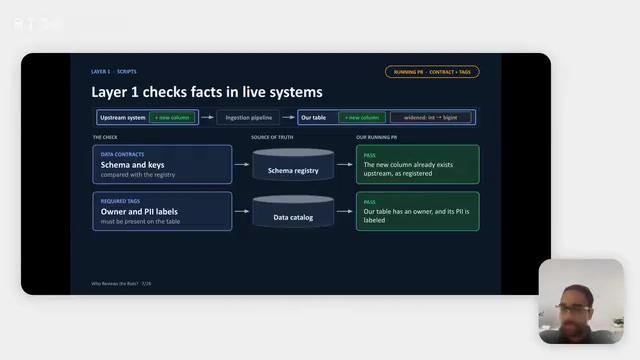
Robinhood's Hybrid AI Reviewer: 60% of Data PRs Auto-Merge
Robinhood's data platform team shares a hybrid AI PR reviewer: deterministic scripts verify facts, AI Agents judge contextual risk, and humans keep key decisions. About 60% of data pipeline PRs merge without human review, cutting review workload ~75%, saving ~132 engineering hours monthly, and reducing related incidents ~30%.

Open-Weight Models Are Falling Behind: Three Structural Reasons
A veteran developer uses his platform's usage data and public benchmark experiments to argue why open-weight models are falling behind closed-source frontier models.
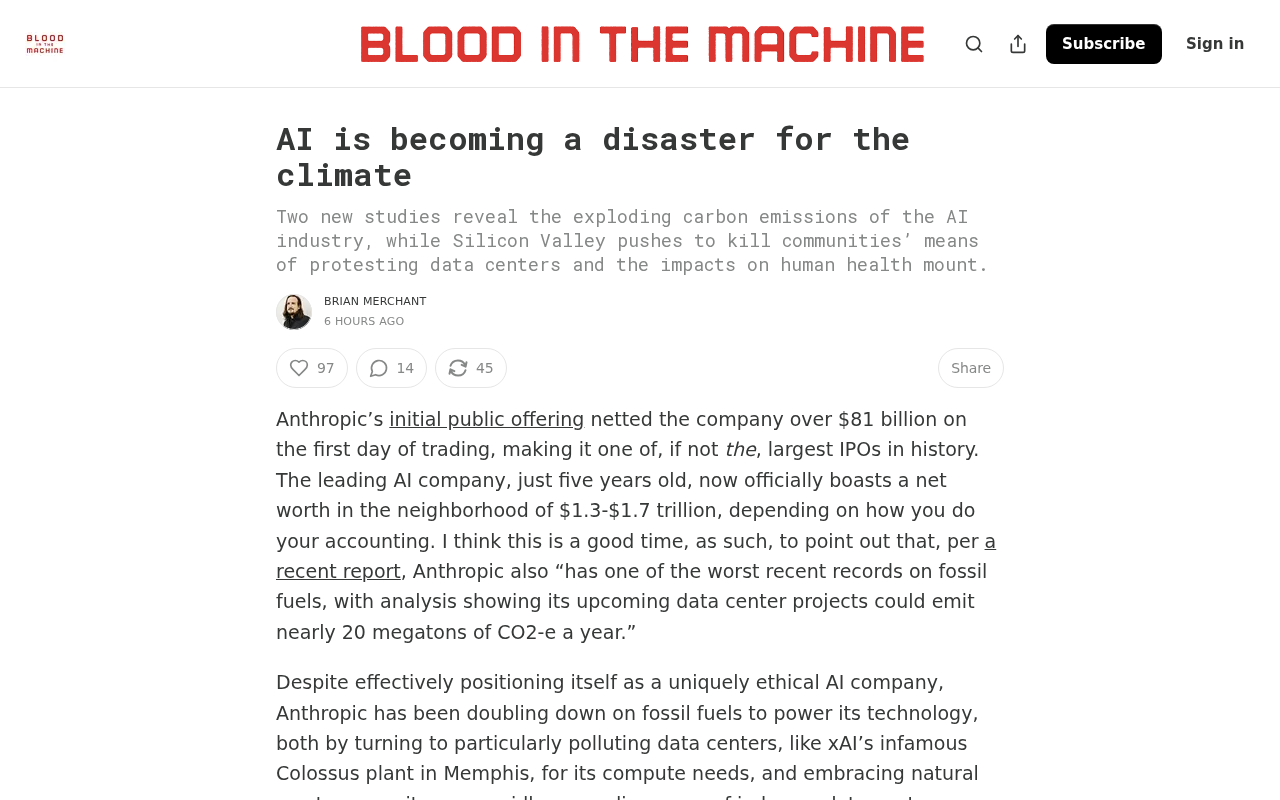
Is AI Becoming a Climate Disaster? A Deep Dive into the Carbon Cost of Compute Expansion
AI compute expansion is driving dual energy pressure from training and inference, while data centers face challenges in power, cooling, and water. This article examines AI's climate impact and possible sustainable paths for the industry.