Meta Confirms Quest 2 and Pro Will Stop Receiving System Updates in 2027

Meta will push the final feature update v213 for Quest 2 and Quest Pro before March 2027, after which only security patches will be provided until the end of the year.
Meta announced that the final feature update v213 for Quest 2 and Quest Pro will be pushed before March 2027, after which only security patches and critical bug fixes will be provided until the end of the year. This means users will still receive basic security protection, but new apps and games may not be compatible with older devices due to system version limitations. Developers need to plan compatibility strategies in advance and reduce investment in optimizing for older hardware. This move reflects the hardware support cycle common in the consumer electronics industry, with Meta shifting resources to new ecosystems such as Quest 3. Users should evaluate whether to upgrade devices based on their needs, and developers should pay attention to the compatibility watershed brought by API freezing.
Meta recently announced that it plans to release the final operating system update for the Quest 2 and Quest Pro VR headsets before March 2027. According to official information, the final system version for these two devices will be v213, after which Meta will continue to provide security patches and critical bug fixes until the end of the year. This decision marks the beginning of the end for Meta's support of early VR hardware and has sparked discussion about device lifecycle and the future ecosystem.
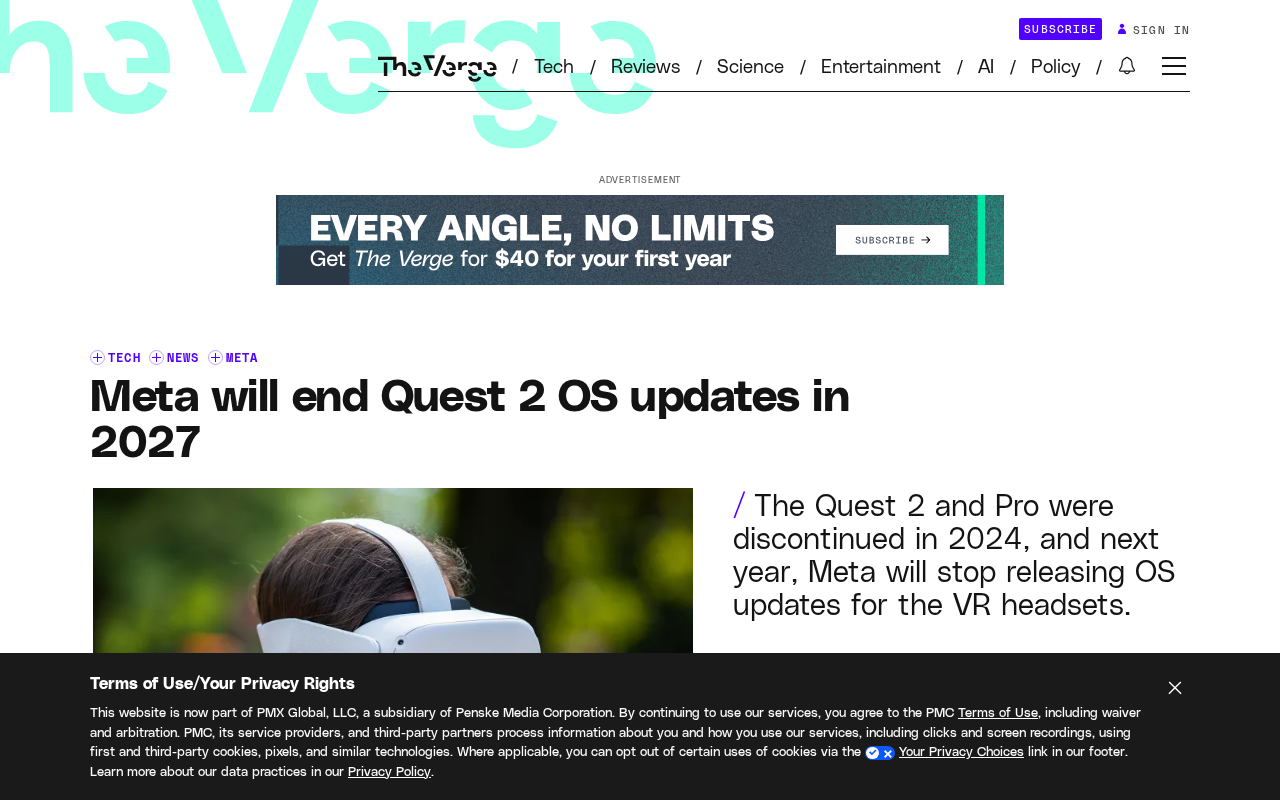
Specific Timeline and Scope of Update Termination
According to Meta's announcement, the last feature update for Quest 2 and Quest Pro will be version v213, expected to roll out before March 2027. After that, the company will still release security patches and critical bug fixes but will not introduce new features. This means users will still receive basic security protection but will not be able to experience improvements from subsequent system upgrades.
This timing comes years after the Quest 2's release, showing that Meta's support cycle for older devices is winding down. Although the announcement does not specify the exact impact after support ends, typically after system updates cease, some new apps and features may not be compatible with older devices.
Meaning of the v213 Version Number
Meta's Quest system uses incremental internal version numbers (such as v213) to identify each feature update. The version number itself does not directly correspond to a year or feature set but is a continuation of Meta's internal build sequence. Historically, Quest 2 stayed around v50 for a long time and then gradually advanced. v213 as the final feature version means that the system will be frozen at the v213 API and feature level and will no longer evolve. For developers, API-level freezing is a more substantive signal than the version number: new apps that call interfaces introduced only in higher versions (such as newer hand tracking or spatial anchor APIs) will not run on Quest 2/Pro. Therefore, v213 is not only a time point but also a compatibility watershed, and developers need to set their minimum supported version accordingly.
Impact on Users and Developers
For users still using Quest 2 or Quest Pro, stopping feature updates means the device will gradually fall behind the latest system version. Although security patches will continue until the end of the year, new apps and games may gradually require higher system versions, making older devices unable to run them. Developers also need to consider compatibility and may reduce investment in optimizing for older hardware.
On the positive side, Meta's promised security patches and bug fixes can extend the device's usable time, so users do not need to replace hardware immediately. But in the long run, users seeking new experiences may need to consider upgrading to newer models.
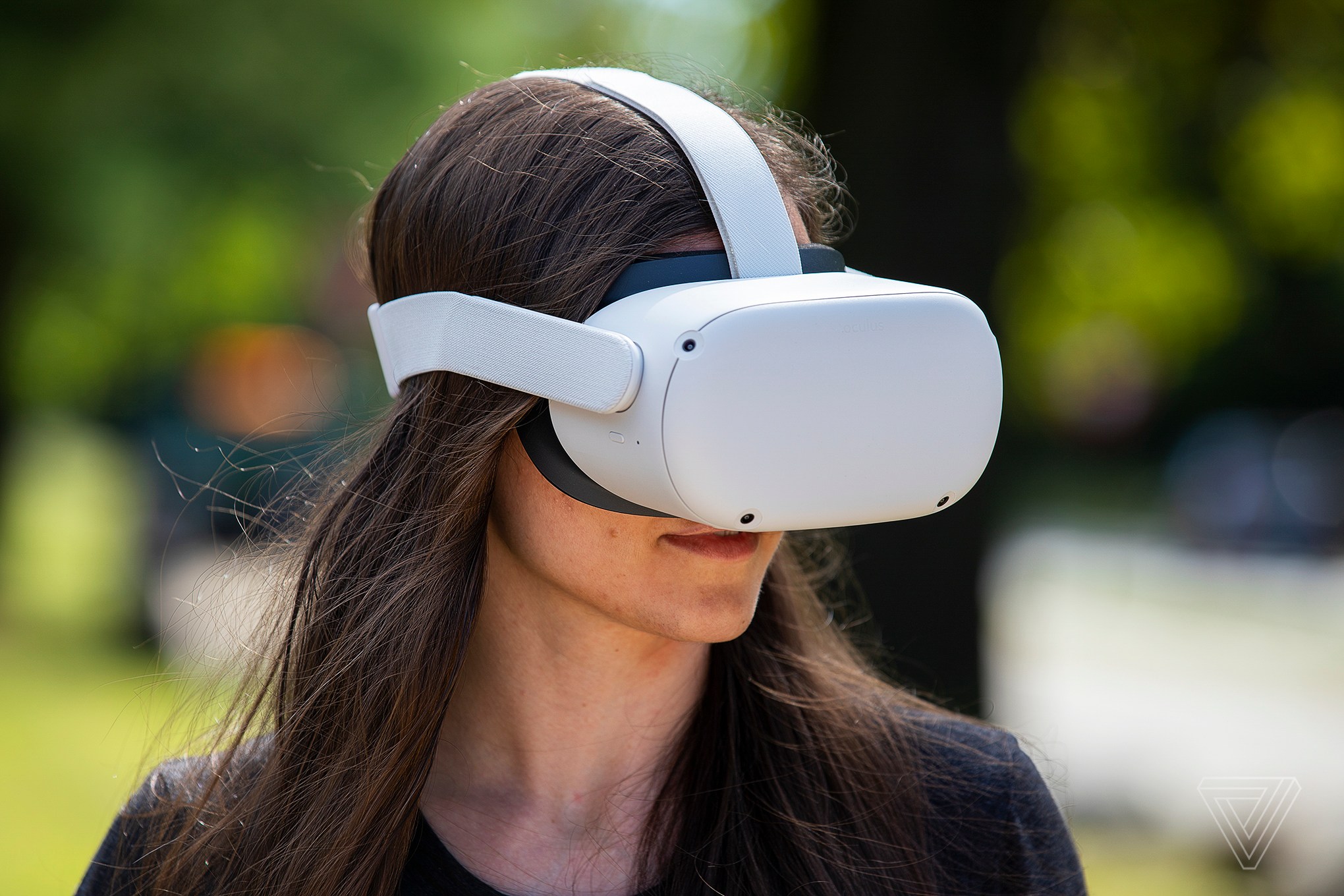
Difference Between Security Patches and Feature Updates
Security patches usually only fix known vulnerabilities and improve system stability without changing user-visible features or API behavior; feature updates introduce new features, new APIs, and performance optimizations. Meta's commitment to continue providing security patches and critical bug fixes until the end of the year after v213 means the device is still protected at the security level but its system capabilities are stagnant. For users, this is similar to a phone stopping major version upgrades but still receiving security updates: daily use is unaffected, but new apps that rely on new system features may not install or run. For developers, security patches do not change the API contract, so compatibility testing pressure is lower, but they need to note that if new apps raise the minimum system version requirement, older devices will be excluded.
Meta's Hardware Support Strategy and Industry Trends
Meta's move reflects the hardware support cycle common in the consumer electronics industry. As VR technology iterates rapidly, manufacturers need to concentrate resources on new devices. Quest 2, as one of Meta's best-selling VR headsets, seeing its support end also signals an acceleration in VR hardware replacement.
Like other tech products, termination of system updates is part of the product lifecycle. Meta balances user interests and R&D resources by providing security patches, but users need to realize that the functional limitations of older devices will gradually become apparent. In the future, Meta may devote more effort to building the ecosystem for new products such as Quest 3.
Industry Convention for Consumer Electronics Hardware Support Cycles
The consumer electronics industry generally sets a limited feature support cycle for hardware, usually 3 to 5 years. For example, smartphone manufacturers typically provide 3 to 5 years of major version updates, after which only security patches are provided; game consoles have longer lifecycles, up to 7 years or more. VR headsets, as an emerging category, have support cycles between the two. Meta's support for Quest 2 lasted from its release in 2020 to 2027, about 7 years, which is already relatively long in the VR field. The underlying logic of this strategy is limited R&D resources: as new hardware (such as Quest 3) comes to market, manufacturers need to shift engineering efforts to new platforms, and the marginal benefit of maintaining older devices diminishes. Understanding this convention helps users reasonably anticipate device lifespan and plan upgrades.
Recommendations for Users
For Quest 2 and Quest Pro users, it is recommended to pay attention to Meta's official security updates to ensure the device remains secure during the support period. If you rely on new features or apps, evaluate whether upgrading the device is necessary. At the same time, developers should plan compatibility strategies in advance to avoid affecting user experience due to system version limitations.
Overall, Meta's announcement clarifies the end of support for older devices, and users need to make reasonable plans based on their own needs.
One-line Summary
Meta will push the final feature update v213 for Quest 2 and Quest Pro before March 2027, after which only security patches will be provided until the end of the year.
Paragraph Summary
Meta announced that the final feature update v213 for Quest 2 and Quest Pro will be pushed before March 2027, after which only security patches and critical bug fixes will be provided until the end of the year. This means users will still receive basic security protection, but new apps and games may not be compatible with older devices due to system version limitations. Developers need to plan compatibility strategies in advance and reduce investment in optimizing for older hardware. This move reflects the hardware support cycle common in the consumer electronics industry, with Meta shifting resources to new ecosystems such as Quest 3. Users should evaluate whether to upgrade devices based on their needs, and developers should pay attention to the compatibility watershed brought by API freezing.
Related articles

Qwen 3.8 Beats Opus at Coding—But Can Your Mac Run It?
Open-source Qwen 3.8 beats Opus 4.6 at coding at just 18GB, but how much Mac memory do you need? 24GB crashes; 32GB is the sweet spot. Full config guide inside.

Claude Code + Agent: Building a Fully Automated AI Testing Loop
Bilibili course breakdown: how test developers can use Claude Code terminal-based Agents to build a fully automated AI testing loop. Compares permission boundaries of terminal vs. device Agents, explains why enterprise projects choose Claude Code over Open Claude-type tools, and outlines the Node.js environment setup and DeepSeek model integration path.

Working with AI Agents Requires Nerves of Steel
The more autonomous AI agents become, the heavier the user's psychological burden. Drawing from a Hacker News discussion, this article analyzes black-box anxiety, behavior drift, and monitoring fatigue in agent collaboration, and offers practical approaches like sandbox isolation, permission control, and task granularity management to reduce cognitive load.