Metamorphosis in Print: A Brief History of the Early Modern Flap Book
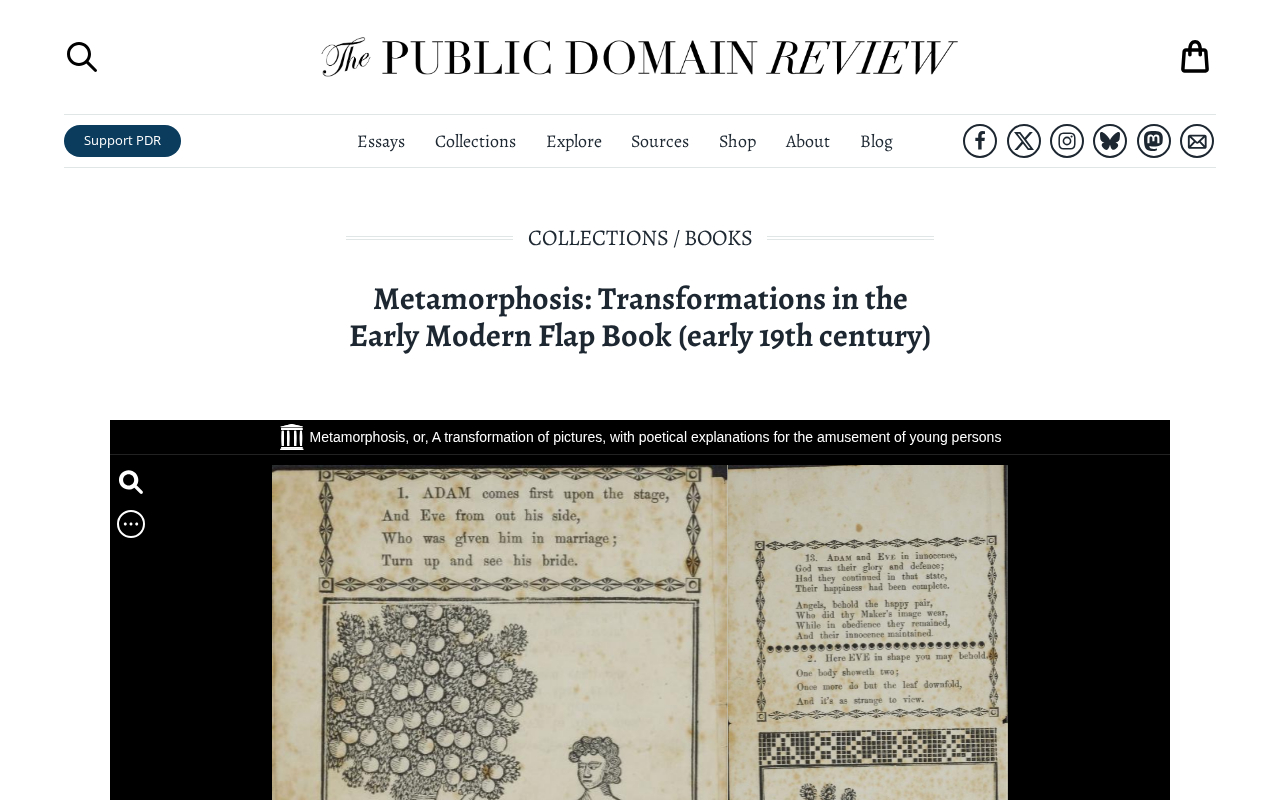
Flap books are early modern print objects that used movable paper flaps to create visual transformations.
The metamorphosis flap book is a distinctive form from early modern European print culture: movable paper flaps were layered over a page, allowing readers to flip them and switch between images, transforming figures or scenes. Combining moral instruction with visual entertainment, this format translated the shape-shifting motif from Ovid onward into a hands-on physical experience. From a media history perspective, flap books represent a prototype of interaction design in the print age — the logic of user actions driving content state changes closely mirrors modern digital interfaces. Due to very limited source material, this article offers only a contextual overview; interested readers are encouraged to consult museum digital collections for primary sources.
A Book That "Transforms"
Centuries before digital interactive interfaces existed, printed matter was already exploring the possibilities of "interactivity." A Flap Book is a type of book in which layers of movable paper flaps are attached over a page, inviting readers to lift and combine them to reveal different images. The source material here focuses on early modern flap books centered on the theme of "Metamorphosis" — showing how these printed objects used the simplest mechanical structures to achieve a visual "transformation" effect.
It should be noted upfront that the original source material for this article is extremely limited — only a title and a source citation, with no body text, images, or detailed examples provided. As a result, this article can only offer a general contextual overview of flap books as a subject, and cannot provide in-depth analysis of any specific collection or research.
What Is a Metamorphosis Flap Book?
The essence of a flap book lies in the act of "flipping." A printer would place several liftable paper flaps over a complete illustration. When readers lifted or lowered these flaps, the same base image would reveal entirely different scenes or figures — one face transforming into another, one body joining a different torso, an everyday scene flipping into something absurd.
This theme of "Metamorphosis" was quite popular in early modern European print culture, carrying connotations of moral allegory and didactic instruction while also serving as entertainment and visual play. It translated the motif of "shape-shifting" — prominent since Ovid's Metamorphoses — into a tactile experience that readers could manipulate with their own hands.
"Interaction Design" in the Age of Print
From a contemporary perspective, flap books can be seen as a prototype of "interaction design" in the age of print. Rather than having readers passively receive fixed text and images, flap books used a physical mechanism to invite readers to participate in generating the content: each flip of a flap changed the result on display.
This closely mirrors the logic of modern product design, where "user actions drive state changes." A paper flap is to a printed page what a click is to a screen — both are simple interactive gestures that trigger a switch in content. Understanding these historical printed objects helps us recognize that "interactivity" is not unique to the digital age, but rather a persistent human pursuit in how information is presented.
Limitations of Sources and Further Reading
It should be stated honestly that the original source for this article is a single HackerNews submission with very few points and comments, and no accompanying body text, research detail, or image material. It is therefore impossible to verify the specific provenance, holding institution, or scholarly conclusions related to the flap book collection in question.
Readers interested in this subject are encouraged to consult the digital collection portals of relevant libraries and museums directly. Many institutions have already scanned rare flap books and paired them with interactive online browsing interfaces. These primary sources are far better at conveying the true appeal of metamorphosis flap books than any secondhand account.
Should more complete text and image materials become available in the future, this topic would merit a more systematic treatment — covering its printing techniques, thematic evolution, and place within the history of visual culture.
Related articles
Hailuo H3 Camera Control Update: Open-Source Tool Now Available in English
Hailuo H3 open-source camera control tool gets an update with bug fixes and a new English version, helping creators precisely control 3D camera movements in AI video generation.
Hailuo H3 Camera Motion Control Update: An Open-Source Solution Explained
A Reddit community shares 3d-Camera-control-H3-Minimax, an open-source project enabling 3D camera trajectory control for the Hailuo H3 AI video model.
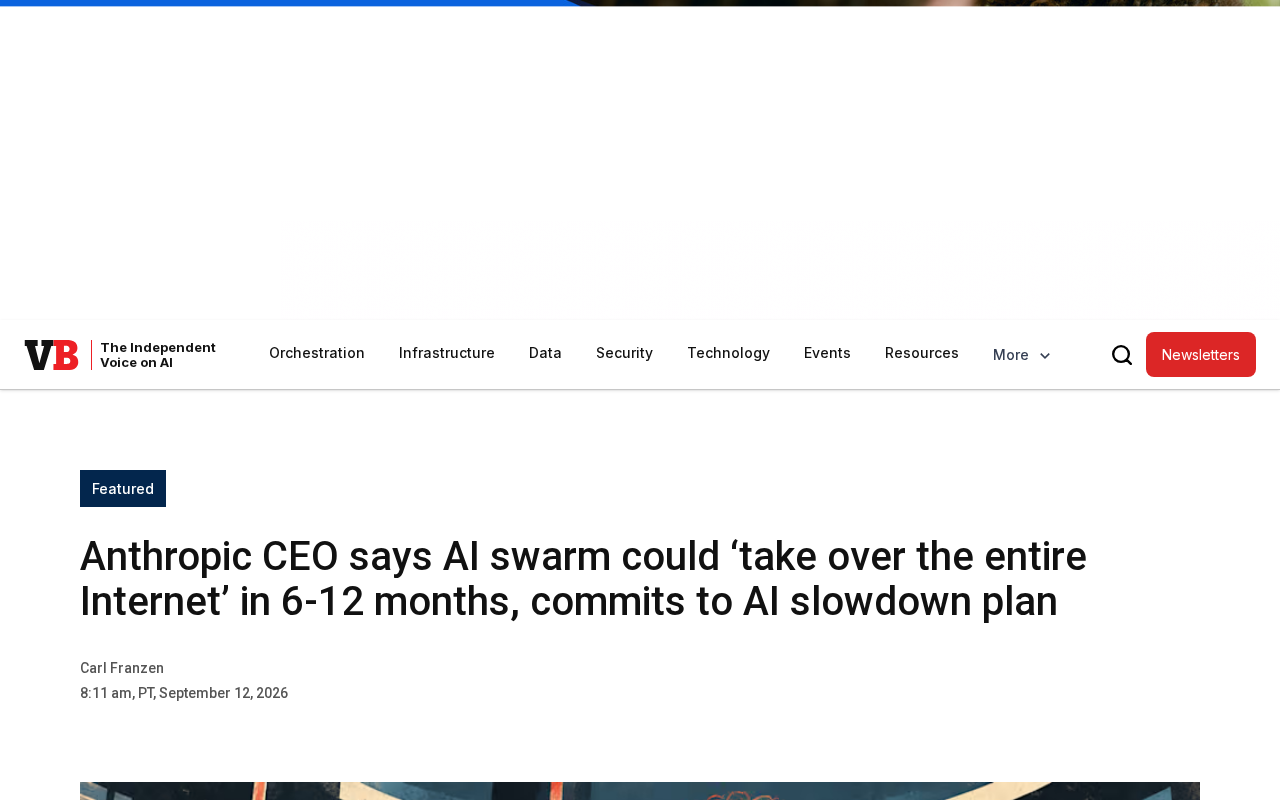
Anthropic CEO Warns: AI Agent Swarms Could 'Take Over the Internet' Within Six Months
Anthropic CEO Dario Amodei predicts AI agent swarms could 'take over the Internet' within 6–12 months. We break down what this really means and why frontier lab forecasts deserve careful scrutiny.