MIT Spinout Transforms Plastic Waste into High-Resilience Building Materials
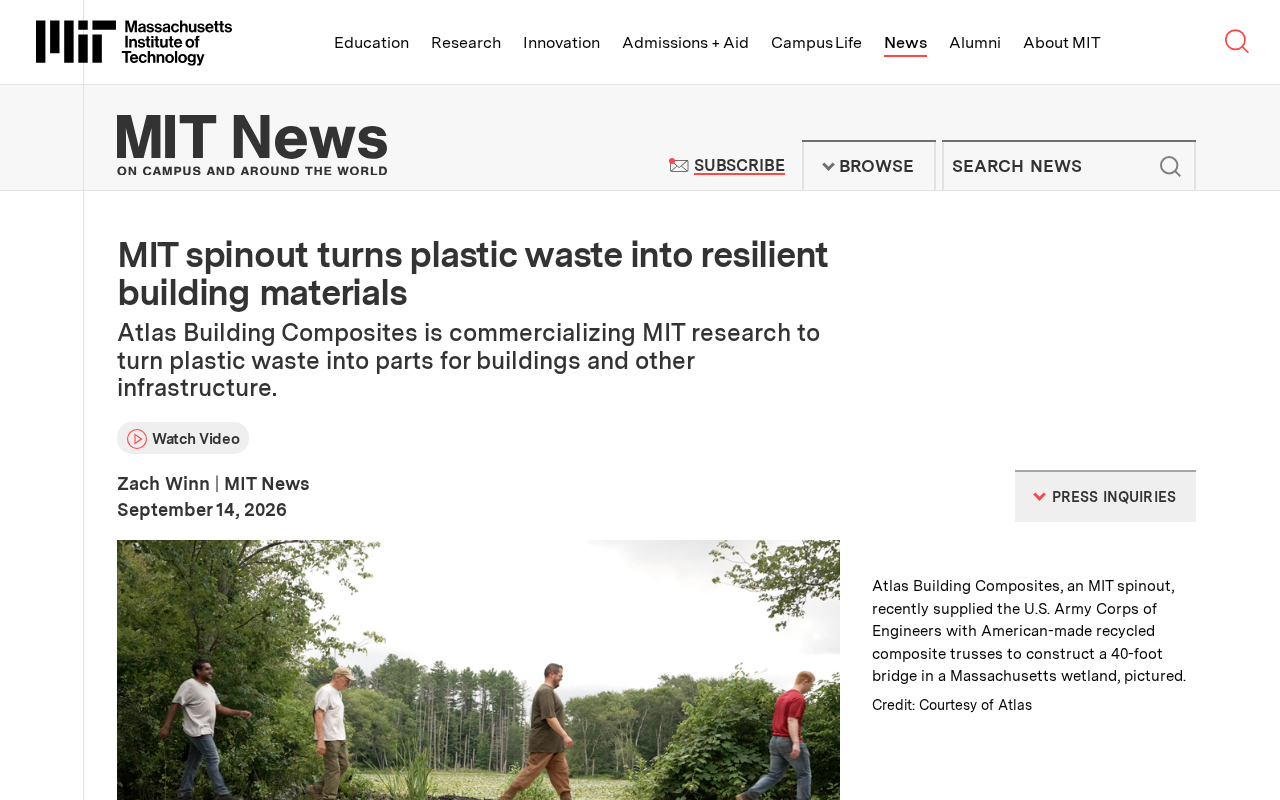
MIT spinout Atlas Building Composites turns plastic waste into high-performance building components.
Atlas Building Composites, an MIT-incubated startup, is converting plastic waste into resilient structural components for buildings and infrastructure — aiming to solve plastic recycling's long-standing problem of low value and limited scale. The construction industry's massive, stable demand makes it an ideal high-value downstream market, capable of locking recycled plastic into structures with decades-long service lives. However, scaling from MIT lab formulations to mass production requires clearing significant hurdles in material consistency, structural strength, fire safety, and certification. Key unknowns — including mechanical performance, cost competitiveness, supply chain maturity, and end-of-life disposal — will ultimately determine whether this model can truly transform the fate of plastic waste.
From Trash to Construction: An MIT-Backed Commercialization Effort
Plastic pollution is one of the world's most intractable environmental challenges. Vast quantities of discarded plastic resist decomposition, and both landfilling and incineration create secondary pollution. Atlas Building Composites, a startup incubated at MIT, is tackling this problem with a pragmatic approach — converting plastic waste into structural components for buildings and infrastructure.
According to available information, Atlas Building Composites' core mission is to commercialize MIT research by transforming what was once considered trash into resilient building materials. This means the company isn't simply pursuing "eco-friendly disposal" — it emphasizes the engineering performance of the materials themselves, aiming to bring recycled plastic into the construction supply chain rather than relegating it to low-value recycled goods.
Why "Building Materials" Is a Critical Outlet for Plastic Recycling
Plastic recycling has long faced a structural dilemma: recycled materials typically suffer performance degradation and low added value, making it difficult to find large-scale applications. The construction and infrastructure sector, however, is a massive industry with consistently stable demand for materials.
Channeling waste plastic into building components means recycled material can be "locked in" to structures with service lives spanning decades — extending the plastic's lifecycle while reducing dependence on conventional building materials like certain concrete products, timber, or virgin plastic goods. The real value of this approach lies in scalability. Only when recycled materials can connect with a sufficiently large downstream market can plastic waste processing form a sustainable economic loop.
The Path from Lab to Market
Atlas Building Composites is positioned as an MIT spinout, with a value proposition centered on translating academic research into deployable products. Companies of this type typically have solid foundations in materials science, but they must also clear multiple hurdles — from lab-scale formulations to mass production, and from technical validation to market certification.
This is especially true in the building materials space. Any new material entering structural applications must pass rigorous tests for strength, durability, fire resistance, and safety standards. The emphasis on "resilience" in available source information suggests the company has made targeted design choices to engineer recycled plastic that meets real-world requirements, rather than limiting it to decorative or non-load-bearing uses.
Potential Impact and Open Questions
If this model can be successfully scaled, the impact would be twofold: opening up a high-value outlet for plastic waste to ease the environmental burden, while offering the construction industry a lower-carbon materials option.
However, given the limited public information currently available, several key questions deserve ongoing attention: What are the specific mechanical properties and weathering performance of these composite materials? Can their costs compete with conventional building materials? Is large-scale production capacity and the supply chain sufficiently mature? And when these plastic-containing composites eventually reach end-of-life, how will they be handled — could they introduce new recycling challenges?
The answers to these questions will determine whether Atlas Building Composites is yet another green concept or a genuinely transformative industrial practice for plastic waste. For now, it represents a direction worth watching: turning discarded plastic from part of an environmental problem into part of our built infrastructure.
Related articles
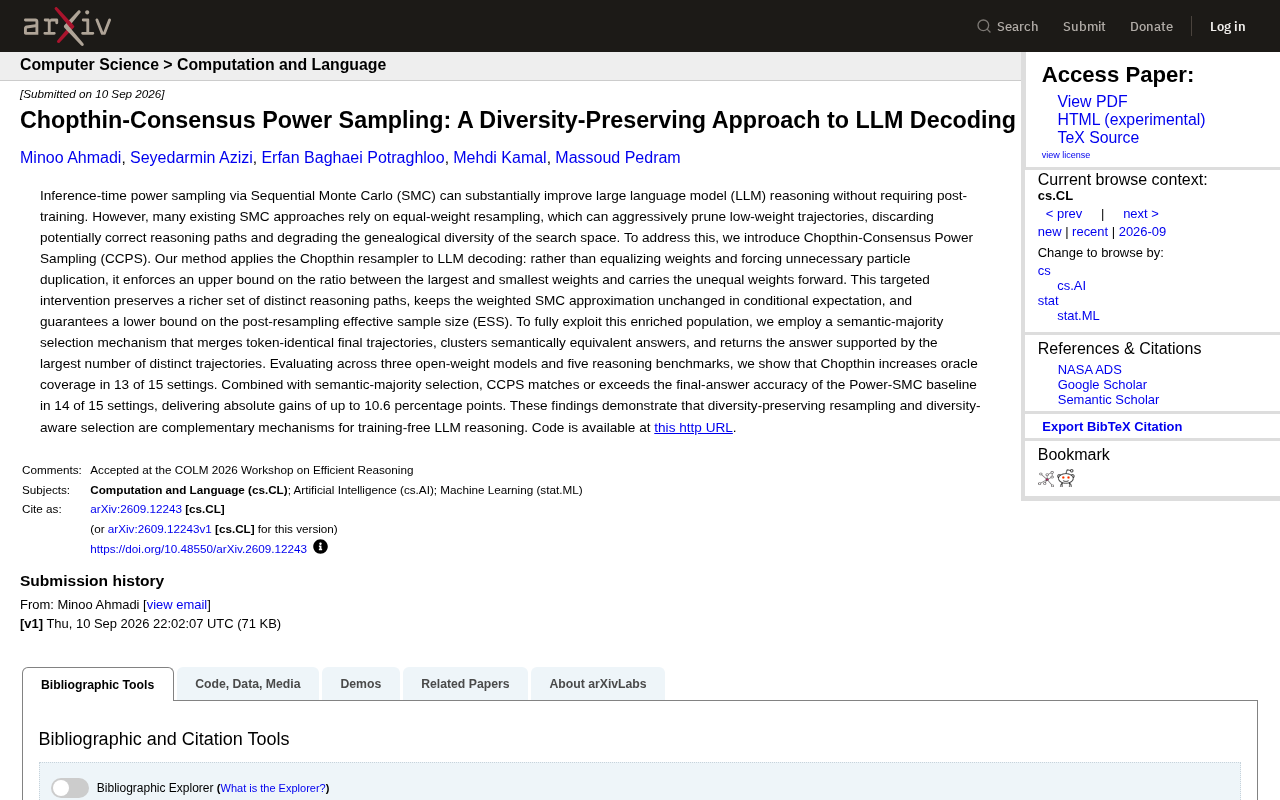
CCPS Sampling: Preserving Reasoning Diversity to Boost LLM Performance Without Fine-Tuning
A new arXiv paper proposes CCPS, which boosts LLM reasoning accuracy without any training by preserving reasoning diversity via Chopthin resampling and semantic majority selection — achieving up to 10.6pp absolute gains.
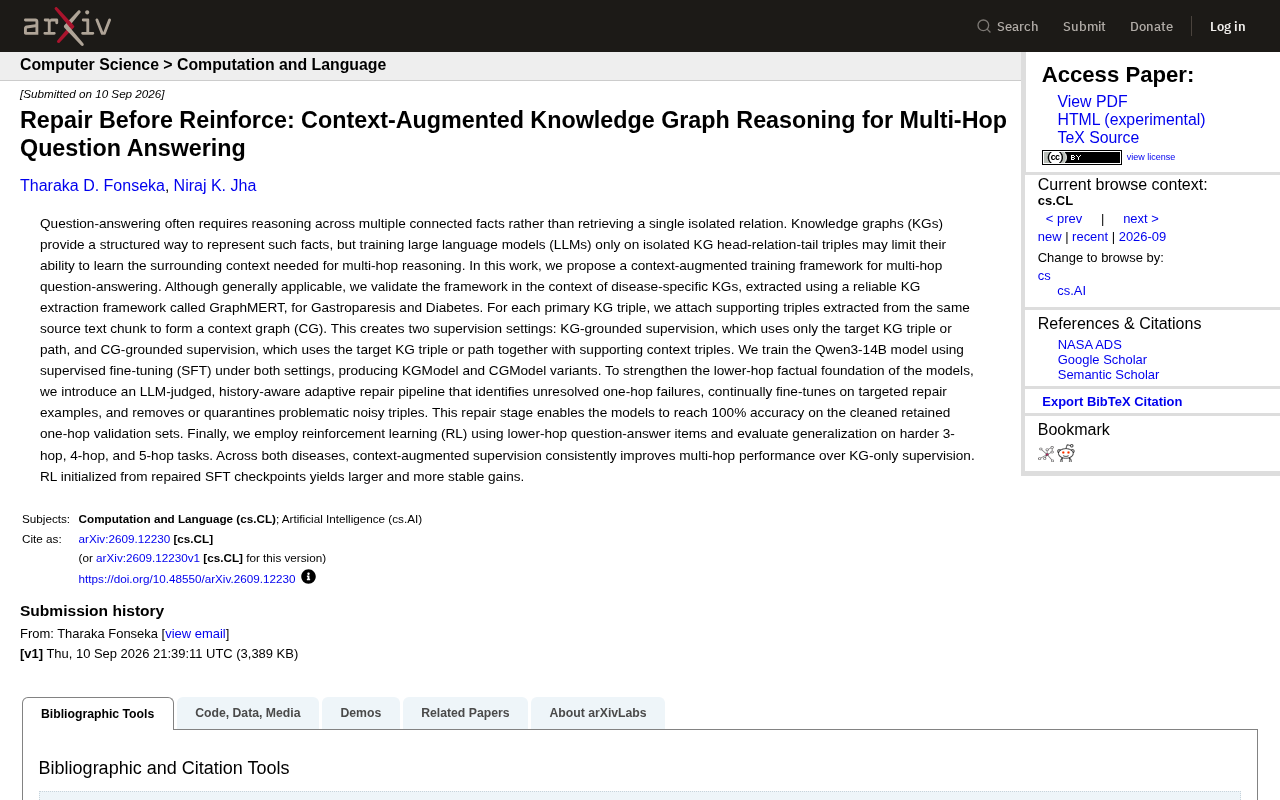
Repair Before Reinforce: Context-Augmented Knowledge Graph Reasoning Tackles Multi-Hop QA
New arXiv paper proposes a context-augmented KG reasoning framework using a "Repair Before Reinforce" strategy to improve LLM multi-hop QA. Validated on Gastroparesis and Diabetes KGs with Qwen3-14B, achieving 100% single-hop accuracy after repair.

HardFlow Algorithm: Enabling Generative AI to Meet Hard Constraints in Safety-Critical Scenarios
HardFlow is a new algorithm designed to make generative AI strictly comply with hard constraints in safety-critical scenarios while maintaining high-quality outputs.