Muse: The AI Assistant That Stops at Nothing to Meet Your Needs?
Muse, an AI assistant teased in a tweet, appears to be a task automation agent, but details are scarce and unverified.
The article discusses a short tweet about an AI product called Muse, analyzing its possible positioning. The phrases "work tirelessly" and "get what you need" suggest Muse is an intelligent assistant that runs continuously and is goal-oriented, potentially featuring the proactivity, persistence, and outcome orientation of an AI agent. The article compares it with existing AI assistants, noting that if these traits hold, Muse would be closer to a "digital employee." However, with key details like developer, features, and pricing undisclosed, it advises caution and waiting for verifiable demos or reviews, while highlighting task automation and long-term memory as hot AI trends.
Introduction: Speculation Sparked by a Single Tweet
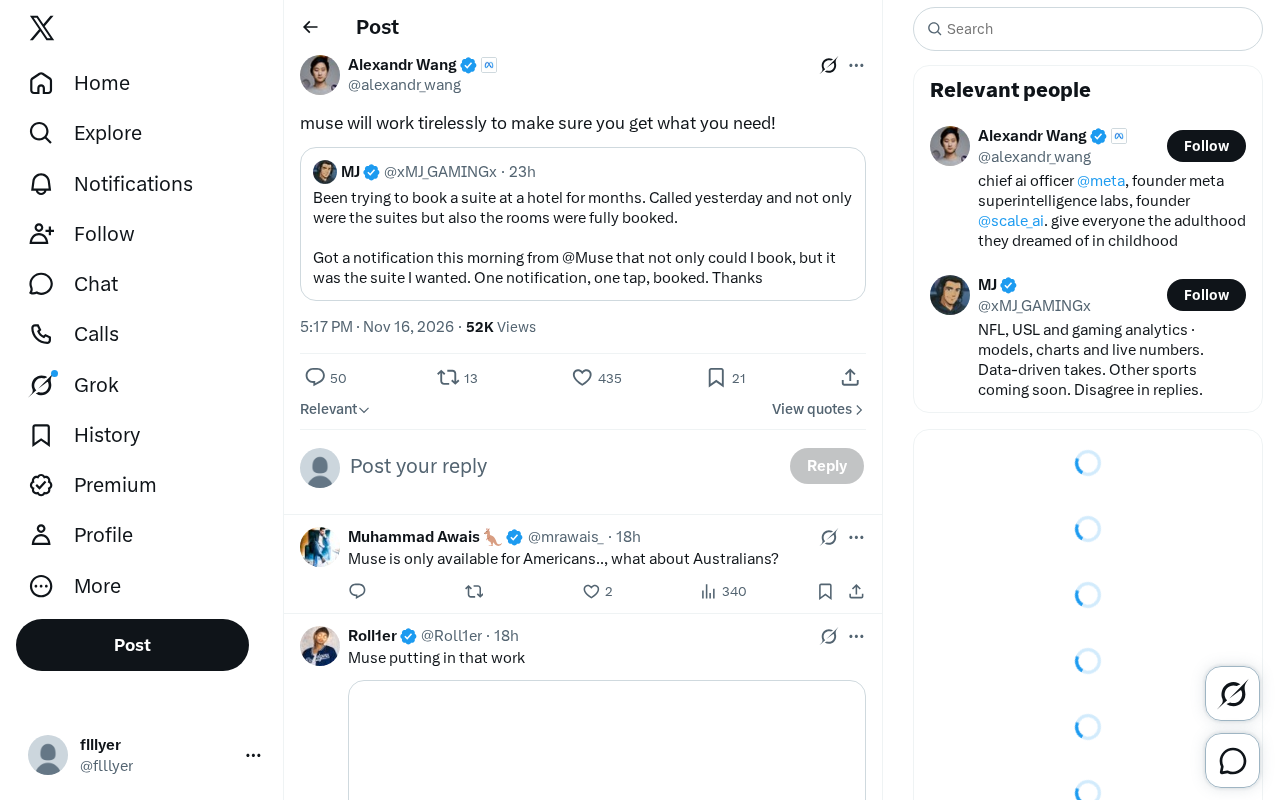
"muse will work tirelessly to make sure you get what you need!" — this short tweet from Twitter describes a product called "Muse" in anthropomorphic terms. The tweet offers no further details, but the two phrases "work tirelessly" and "get what you need" convey a clear message: Muse is positioned as a tireless, user-needs-centric tool.
In today's increasingly competitive AI assistant landscape, such a promise is not unfamiliar. But who exactly is Muse? What problem is it trying to solve? We can only infer from the limited text available and remain cautious.
Muse's Product Positioning as Seen from the Tweet
The tweet's wording is worth examining. "work tirelessly" suggests continuous operation without rest, which aligns with the typical characteristics of an AI agent — executing tasks over extended periods without human intervention. "get what you need" points to an outcome-oriented approach: Muse is not satisfied with providing information but attempts to help users achieve their goals.
Given the current evolution of AI products, Muse is likely an intelligent assistant focused on task automation rather than a simple chatbot. It may possess the ability to understand user intent, invoke tools, and execute tasks step by step. Of course, this is only speculation; the tweet itself does not reveal specific features.
AI Agent is an intelligent system capable of perceiving its environment, making autonomous decisions, and taking actions to achieve specific goals, distinct from chatbots that merely answer questions passively. Typical characteristics include: task decomposition and planning capabilities, tool invocation (such as search engines, APIs, code executors), long-term memory and context retention, and continuous operation without human intervention until goals are achieved. Current mainstream agent frameworks such as AutoGPT and BabyAGI all attempt to upgrade large language models from "generating text" to "executing tasks." The description "work tirelessly" in the Muse tweet precisely matches the core characteristic of agents running continuously without rest, suggesting it may belong to this product category.
Outcome-oriented is an important shift in AI product design in recent years. Traditional dialogue models treat "generating a reasonable response" as the endpoint, while outcome-oriented assistants use "whether the user's goal is achieved" as the completion criterion — for example, successfully booking a flight, completing a code commit, or producing a usable report. This philosophy requires the system to have the ability to verify results and automatically retry or adjust strategies upon failure. "get what you need" in the tweet emphasizes exactly this positioning of measuring by final outcomes rather than intermediate outputs.
Potential Differences from Existing AI Assistants
The market already has many AI assistants, from general-purpose dialogue models to specialized agent frameworks, covering scenarios from Q&A to coding. If Muse truly "works tirelessly" as the tweet claims, its differentiators may lie in:
- Proactivity: Not just passive response, but actively tracking user goals;
- Persistence: Maintaining task context over extended time windows;
- Outcome orientation: Using "getting what the user needs" as the completion criterion.
If these characteristics hold true, Muse would be closer to a "digital employee" than a "digital assistant." However, lacking technical details and empirical data, we cannot verify whether these capabilities are actually delivered.
Long-term Memory refers to an AI system's ability to retain and retrieve information across multiple interactions or long-duration tasks. Unlike short-term memory that relies on a single conversation's context, long-term memory is typically implemented through external vector databases or structured storage, enabling the assistant to remember user preferences, historical task progress, and intermediate results. For agent-type products requiring "persistence," long-term memory is a key technical foundation for maintaining task context and avoiding redundant work, and is also one of the hot research directions in current AI applications.
Information Gaps: What We Need to Know
Currently, public information about Muse is very limited. The following key questions remain unanswered:
- Who is developing Muse? Is there a team background or corporate entity?
- What task types does it support? Are there example scenarios?
- Is it a standalone product or an integrated feature of some platform?
- What is the pricing model and availability?
Until these questions are answered, it is premature to regard Muse as a "disruptive product." The tweet reads more like a suspenseful teaser than a product launch.
What It Means for Users
If you are interested in AI assistants, Muse's promise is worth watching, but there is no need to rush in. Waiting for more official information, demos, or reviews is a more prudent strategy. The actual experience of AI products often falls short of marketing claims, and a promise to "work tirelessly" needs verifiable cases to back it up.
For developers, Muse's emergence once again signals that task automation and long-term memory are hot directions in current AI applications. Regardless of Muse's final form, such explorations are pushing AI from "answering questions" toward "completing tasks."
Conclusion
A single tweet is not enough to define a product. Muse attracts attention with a concise and powerful promise, but its true value needs to be proven through product details and user experience. We will continue to follow subsequent information and provide deeper analysis when more data becomes available. Until then, stay curious — and stay rational.
One-line Summary
Muse, an AI assistant teased in a single tweet, appears positioned as a task automation agent, but details are scarce and await verification.
Paragraph Summary
The article centers on a short tweet from Twitter and analyzes the possible positioning of an AI product called Muse. Through the phrases "work tirelessly" and "get what you need," the tweet hints that Muse is an intelligent assistant that runs continuously and is oriented toward achieving user goals, potentially possessing the proactivity, persistence, and outcome orientation of an AI agent. The article compares it with existing AI assistants and notes that if these characteristics hold true, Muse would be closer to a "digital employee." However, since key information such as the developer, features, and pricing has not been disclosed, the article advises readers to remain cautious and wait for verifiable demos or reviews, while noting that task automation and long-term memory are hot directions in current AI applications.
Related articles

OpenAI to Shut Down Agent Builder and Two Other Services on November 30, Developers Must Migrate Urgently
OpenAI will shut down Agent Builder, the evals dashboard, and reusable prompts on November 30; evals is already read-only. Here's the scope, OpenAI's migration paths (Agent SDK, PromptFu, your own code), and what developers should export and rebuild this week.
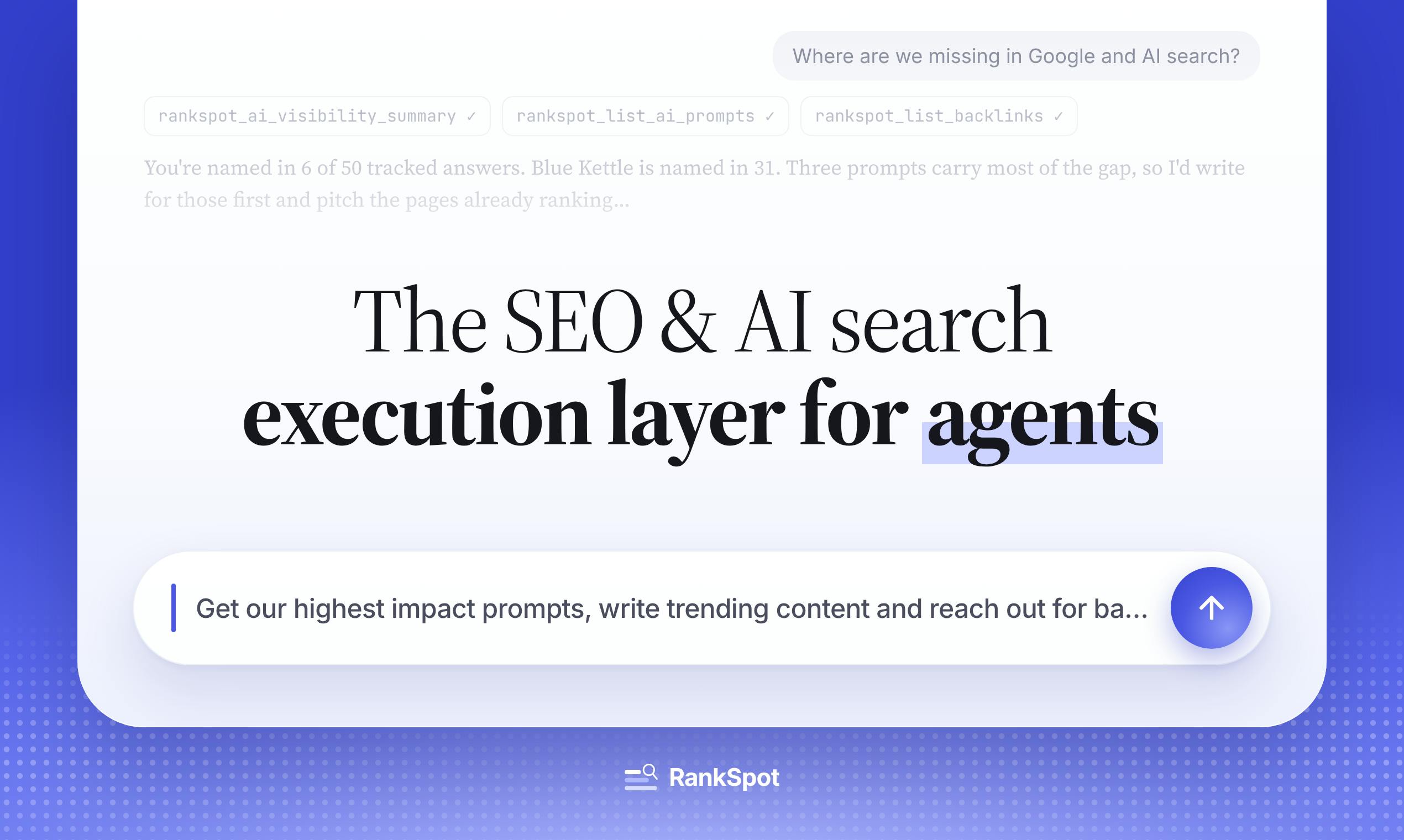
RankSpot: A Pay-Per-Use SEO & AI Search Execution Layer That Lets Agents Write, Publish, and Build Backlinks for You
RankSpot is an SEO & AI search execution layer for AI Agents. Connect via MCP to Claude or ChatGPT to write, publish & build backlinks. Pay-per-use, $3/article.

Appxiom: Giving AI Coding Assistants Production Context
Appxiom gives AI coding agents production context—crashes, jank, memory leaks, failed network calls—across Android, iOS, Flutter, KMP, and Web, ranking bugs by Goal Friction Impact.