Musk's Long-Time Backer Valor Is Distributing SpaceX Shares Directly to Its LPs
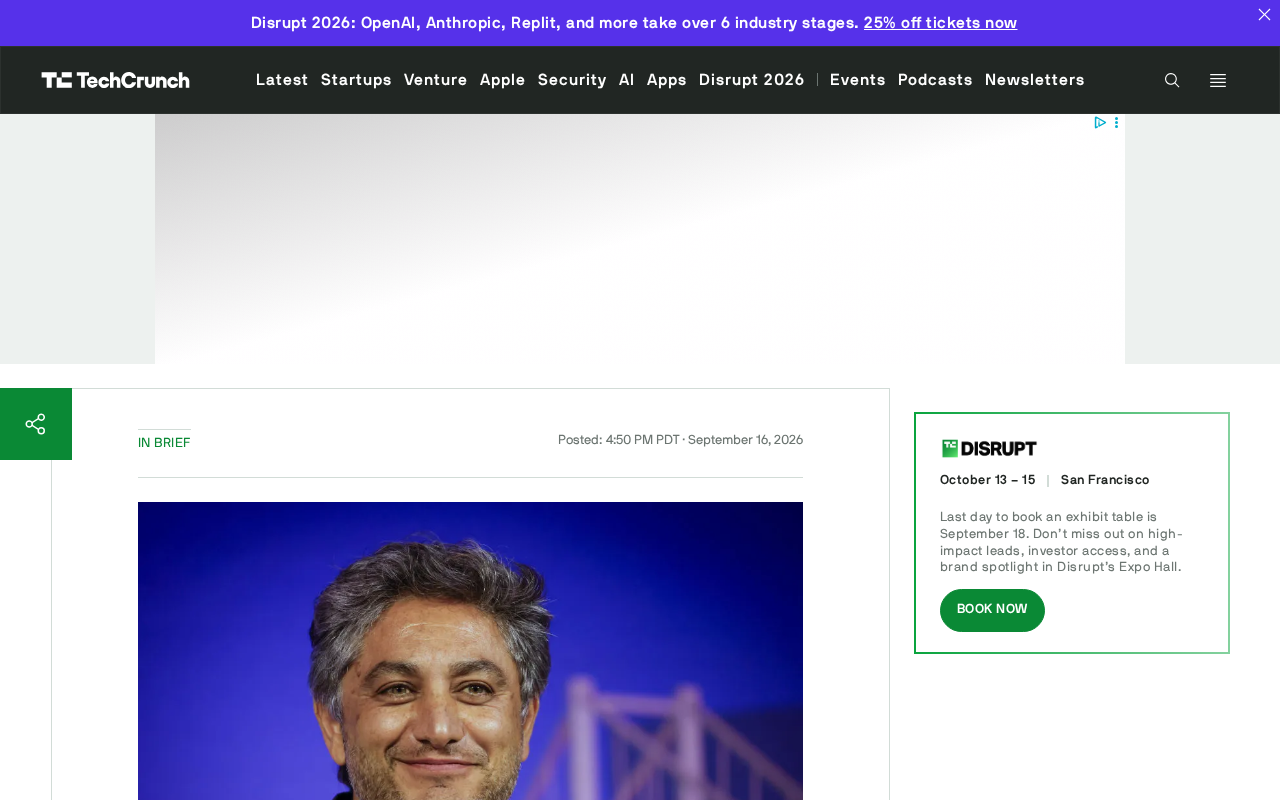
Valor Equity Partners is distributing SpaceX shares directly to LPs rather than returning cash proceeds.
Valor Equity Partners, a long-time backer of Elon Musk's ventures, is returning capital to its limited partners in an unconventional way: distributing SpaceX shares in-kind rather than liquidating and returning cash. The move is rare in private markets and reflects the belief that forcing a sale of SpaceX equity could sacrifice significant upside. By transferring shares directly, Valor hands LPs the decision on exit timing — whether to hold for a potential IPO or sell on the private secondary market. Founded by Antonio Gracias, Valor has deep ties to Musk, and the distribution is widely seen as a vote of confidence in SpaceX's long-term value. As unicorns continue to delay IPOs, this model may gain traction across the industry.
Overview
Valor Equity Partners — a long-time backer of multiple companies in Elon Musk's portfolio — is taking an unconventional approach to returning capital: distributing SpaceX shares directly to its limited partners (LPs) rather than returning cash in the traditional sense.
This practice is uncommon in private equity and venture capital, where funds typically return proceeds to LPs in cash upon exiting an investment. Instead, Valor is opting for an in-kind distribution, transferring its SpaceX equity directly to investors.
Why Stock Instead of Cash
Distributing shares rather than cash to LPs often reflects a fund's conviction in the long-term value of the underlying asset. As a high-valuation private company that has yet to go public, SpaceX stock has limited liquidity on secondary markets — distributing shares directly allows LPs to continue holding this scarce asset.
For investors, this means they can decide for themselves whether to hold their SpaceX shares in anticipation of a potential IPO or further valuation gains, or to find buyers on the private secondary market to cash out on their own terms. This arrangement hands the decision on exit timing back to the LPs.
The private secondary market is key context for understanding this arrangement. Since SpaceX has remained private for so long, its shares cannot be freely traded on public exchanges — but an active over-the-counter ecosystem has emerged around high-profile private companies like it. Platforms such as Forge Global and Nasdaq Private Market specialize in connecting buyers and sellers of private equity. SpaceX's valuation has climbed steadily across multiple recent funding rounds, surpassing $200 billion in 2024, with strong secondary market demand. This gives LPs who receive shares in-kind a relatively viable path to liquidity, without having to passively wait for an IPO.
Valor's Long-Standing Relationship with Musk
Valor Equity Partners, founded by Antonio Gracias, has been a deep, long-term investment partner across Musk's business empire, participating in early funding rounds for companies including Tesla and SpaceX. That enduring relationship has given Valor a uniquely privileged position in the equity structures of Musk-affiliated ventures.
The decision to distribute SpaceX shares rather than liquidate them also signals Valor's strong conviction in the asset. Choosing to let LPs hold equity rather than cashing out ahead of any liquidity event is widely interpreted as an expression of confidence in the asset's future upside.
What This Signals for Private Markets
Against the backdrop of high-valued unicorns broadly delaying their IPOs, this kind of in-kind stock distribution could become a growing trend. It addresses the pressure funds face to return capital to LPs at maturity, while avoiding a forced liquidation of quality assets at a potentially suboptimal time.
That said, this model also shifts the risk and burden of monetization onto LPs, who must then manage the valuation and exit of these illiquid assets themselves. For a marquee name like SpaceX, where secondary market demand is strong, in-kind distribution is highly feasible — but the same approach may not work as well for other assets.
Note: This article is based on limited source information. Further details are pending disclosure.
Fund lifecycle pressure is the structural driver behind arrangements like this. Traditional private equity funds typically have a 10-year lifespan (a 5-year investment period followed by a 5-year exit period), after which GPs are obligated to return capital to LPs. When high-quality portfolio companies delay their IPOs indefinitely, GPs face a dilemma: either sell at a discount on the secondary market, or transfer the asset in-kind to LPs. For an in-demand asset like SpaceX, in-kind distribution is closer to a dignified alternative to the former. However, some argue that certain GPs use this mechanism to legitimately offload liquidity challenges onto LPs — something investors should carefully evaluate in limited partnership agreements before signing.
Related articles
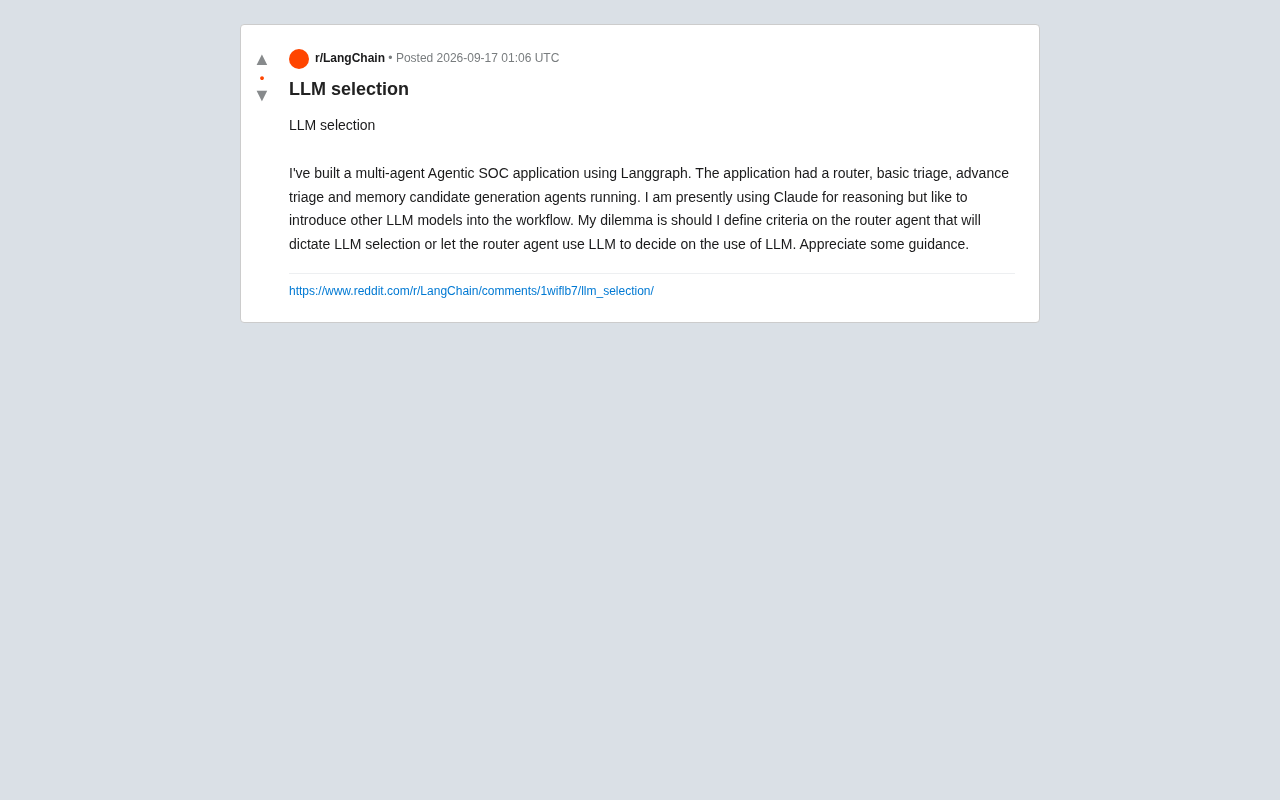
LLM Selection Strategy for Multi-Agent SOC Applications: Rule-Based Routing vs. LLM-Driven Decisions
Should multi-agent SOC apps on LangGraph use rule-based routing or LLM-driven model selection? This article analyzes both approaches and recommends a hybrid strategy for security operations.
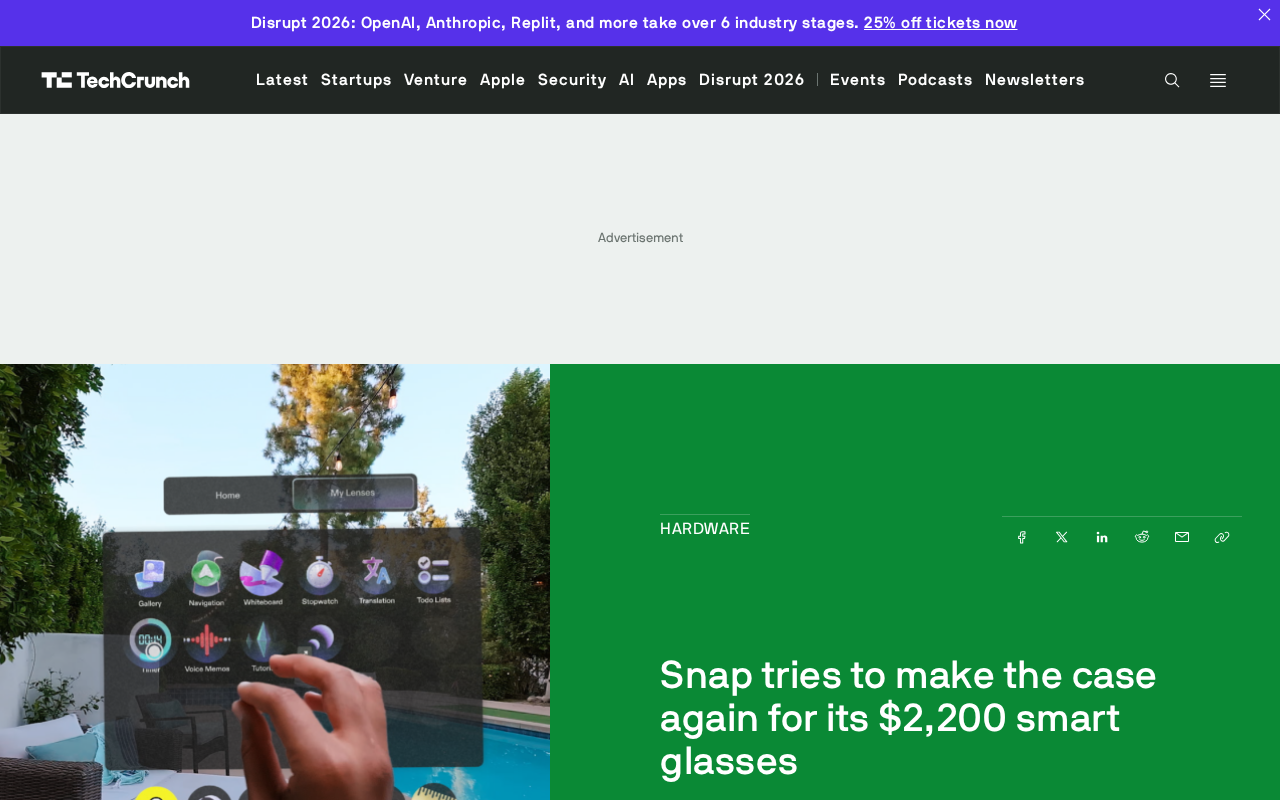
Snap Pushes Its $2,200 Smart Glasses Again — Can It Convince the Market?
Snap launched new features for its $2,200 smart glasses, doubling down on AR. We break down the pricing dilemma, its rivalry with Meta Ray-Ban, and what it means for the AR glasses race.
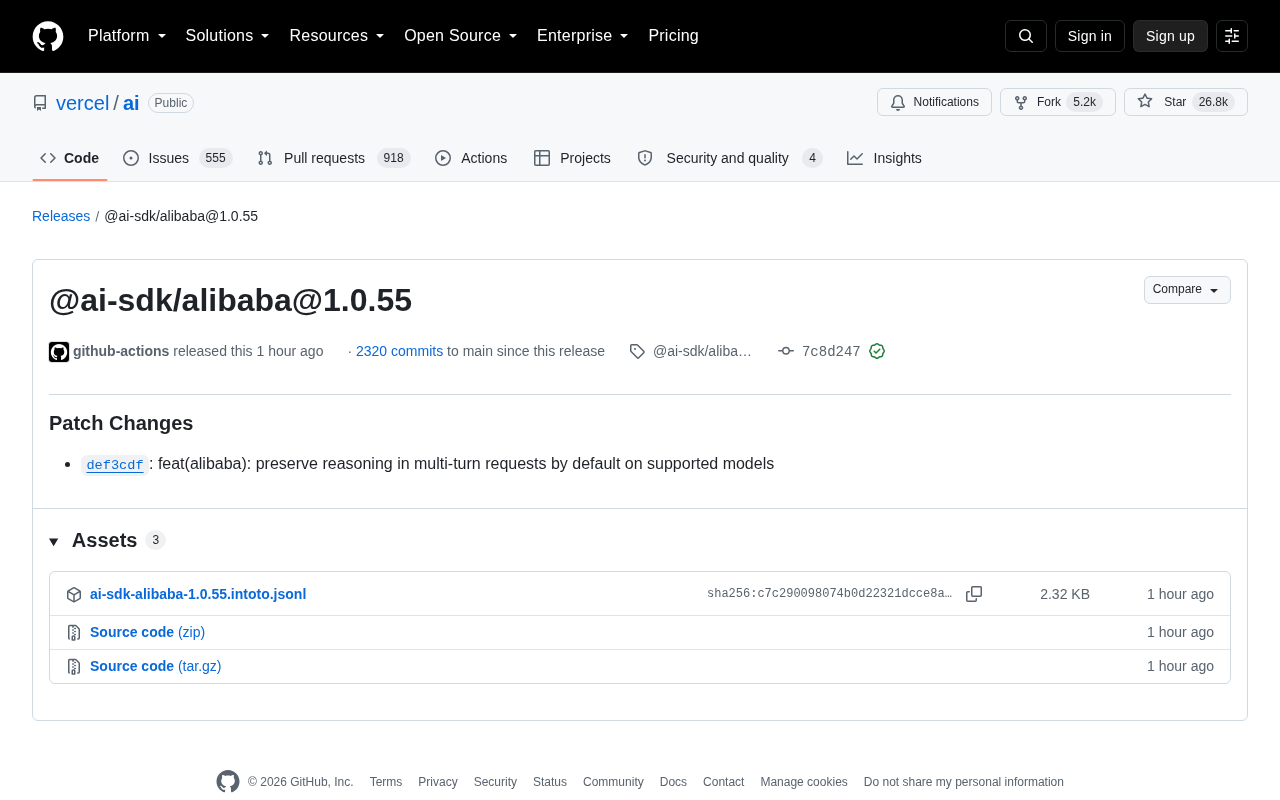
Vercel AI SDK Update: Multi-Turn Reasoning Preservation for Alibaba Models
Vercel AI SDK releases @ai-sdk/alibaba@1.0.55, enabling reasoning preservation by default in multi-turn requests for supported Alibaba models like Qwen.