Nathan Fielder Documentary Focuses on Elizabeth Holmes and the Theranos Scandal
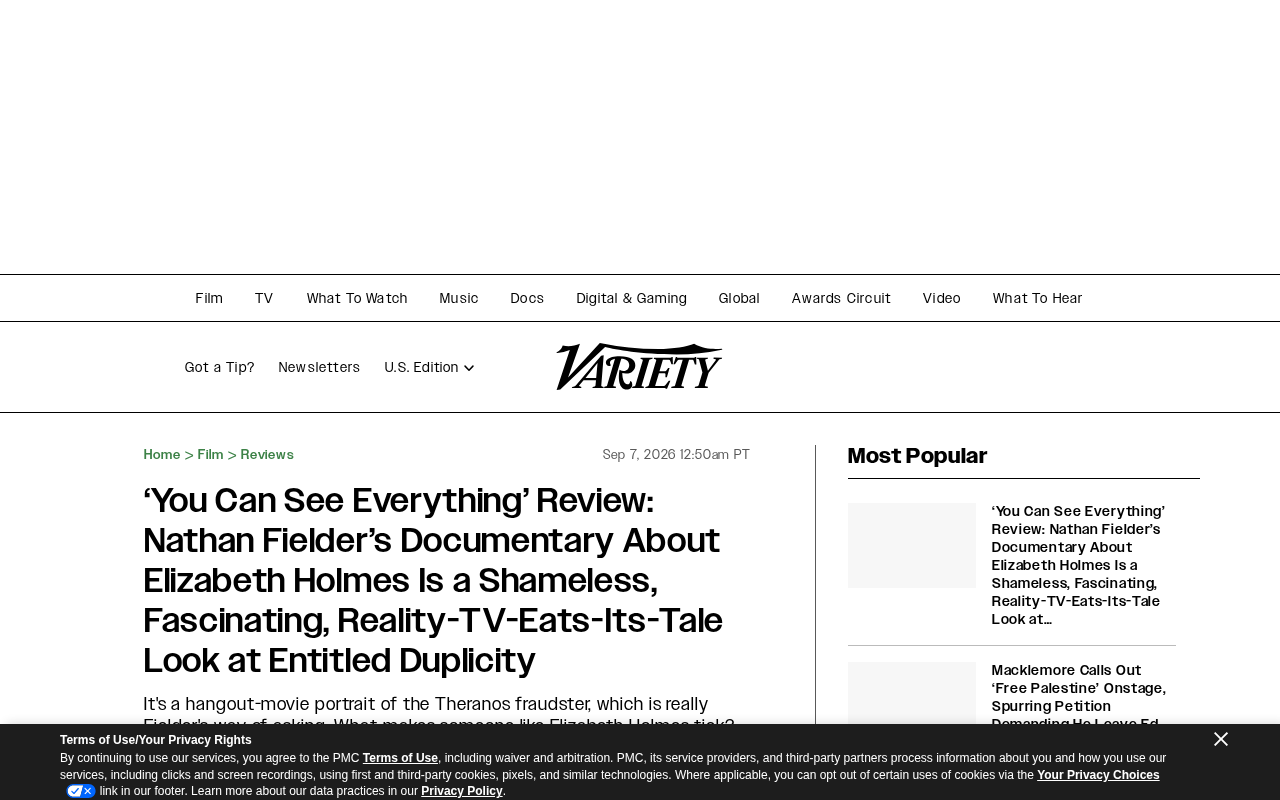
Nathan Fielder's new documentary reexamines Elizabeth Holmes through his signature absurdist lens.
Nathan Fielder premiered You Can See Everything at Telluride Film Festival, examining Elizabeth Holmes and Theranos through his distinctive meta-narrative style. Rather than a traditional biography, the documentary explores Silicon Valley's cultural psychology and why investors believed in disruptive narratives.
Nathan Fielder Crosses Over to Direct Elizabeth Holmes Documentary
Comedy director Nathan Fielder premiered his documentary You Can See Everything about Elizabeth Holmes at the Telluride Film Festival—a bold creative crossover. The creator known for Nathan For You and The Rehearsal has turned his lens on one of Silicon Valley's most controversial figures: Theranos founder Elizabeth Holmes.
Fielder is renowned for his distinctive absurdist realism style, blurring the boundaries between reality and performance. Nathan Fielder is a Canadian comedian and director known for his unique "cringe comedy" approach. His signature work Nathan For You (2013-2017) explored the absurdity of business logic by offering outlandish advice to real small businesses. The Rehearsal (2022) went even further, having participants "rehearse" major life decisions in meticulously constructed scenarios, blurring the line between documentary and scripted drama. Fielder's work constantly makes audiences question what is real and what is performance. This meta-narrative approach makes him an ideal candidate to examine someone like Elizabeth Holmes, who carefully crafted her public image. His creative methodology differs radically from traditional documentary filmmakers, often revealing deeper truths through absurdity and discomfort.
Choosing Holmes as a documentary subject is undoubtedly a tension-filled decision. Holmes became infamous for the fraudulent blood-testing company Theranos scandal, and her story has been adapted multiple times before, including the HBO documentary The Inventor and the Hulu series The Dropout. Founded in 2003, Theranos claimed to have developed revolutionary blood-testing technology that could perform hundreds of medical tests using just a few drops of fingerstick blood, eliminating the need for traditional venous blood draws. If true, this technology would have completely disrupted the multi-billion-dollar medical testing industry. However, a 2015 investigation by Wall Street Journal reporter John Carreyrou revealed that Theranos's core devices "Edison" and "miniLab" could not deliver on their promised capabilities. The company was actually using traditional commercial blood analyzers for most tests, and the accuracy of results was seriously flawed. This technological fraud involved not just business deception but endangered patient health—inaccurate test results could lead to misdiagnosis and incorrect treatment. Holmes was ultimately sentenced to 11 years in prison, becoming the most extreme case of Silicon Valley's "fake it till you make it" culture.
A Unique Narrative Perspective Distinct from Traditional Biography
According to Variety, Fielder's work is not a traditional biographical portrait. The film attempts to explore the deeper cultural psychology behind the Holmes phenomenon—why is Silicon Valley so easily captivated by "disruptive" narratives? Why were investors willing to believe that a young woman could revolutionize an entire medical industry?
The documentary premiered at Telluride Film Festival's surprise screening segment and quickly sparked heated discussion. Founded in 1974, Telluride Film Festival is one of North America's most prestigious film festivals, forming the opening triumvirate of awards season alongside Venice and Toronto. Unlike Cannes's commercial atmosphere or Sundance's independent spirit, Telluride is famous for its mysterious "surprise screening" tradition—organizers don't announce the lineup in advance, and audiences buy tickets based on trust. This model maintains the festival's pure artistic exploration atmosphere, and many Oscar contenders choose to premiere here to build early buzz. Fielder's choice of Telluride over more commercial festivals suggests this documentary may have strong artistic experimental qualities rather than following traditional commercial documentary conventions. Located in a small Colorado mountain town far from Hollywood and Silicon Valley, this geographic distance also symbolically provides critical distance for examining Silicon Valley culture.
Audiences are curious about how Fielder will handle this oft-told story: will he employ the meta-narrative techniques from The Rehearsal? Or will he lean closer to traditional documentary form?
The Timing and Cultural Significance of the Holmes Story
The film's release timing is intriguing. Holmes is currently serving her sentence, and her story has transformed from news headlines into a cultural symbol. Fielder's choice to revisit this case now points to a deeper reflection on Silicon Valley's startup mythology.
From John Carreyrou's book Bad Blood to various documentaries and series, Holmes's story has been interpreted many times. But Fielder's unique perspective—fusing comedy, absurdity, and social critique—promises to bring an entirely new dimension to this story. He excels at revealing people's performativity on camera, and Holmes herself is a quintessential case of carefully constructed public image.
Tech Community Reactions to This Documentary
The film has sparked widespread discussion in the tech community, demonstrating the industry's continued fascination with the Theranos affair. This is not just a documentary about individual fate but an examination of the entire tech startup ecosystem. In the current era of AI boom and renewed tech entrepreneurship fervor, Holmes's story remains powerfully cautionary.
Whether Fielder can stand out among the many Holmes-related works depends on whether he can provide genuinely new insights. Given his past work's deep exploration of authenticity, performativity, and self-awareness, this documentary will likely transcend simple moral judgment to explore more complex questions: in a culture that encourages "fake it till you make it," where exactly is the boundary of deception?
"Fake it till you make it" is one of Silicon Valley startup culture's core tenets. This philosophy holds that entrepreneurs need to present their vision to investors and the public before products are perfected, obtaining resources through "over-promising," then using those resources to fulfill initial promises. In the software industry, this strategy often works—products can be rapidly iterated and improved. But the Theranos case reveals the dangerous boundaries of this culture: when it involves hardware technology, especially medical devices, "faking it" may cross the line into fraud. Silicon Valley's venture capital model often rewards founders who are good storytellers rather than technical feasibility, creating an ecosystem that encourages exaggerated claims. Holmes's black turtlenecks, deliberately deepened voice, and imitation of Steve Jobs all represent the ultimate manifestation of this "performative entrepreneurship."
Related articles
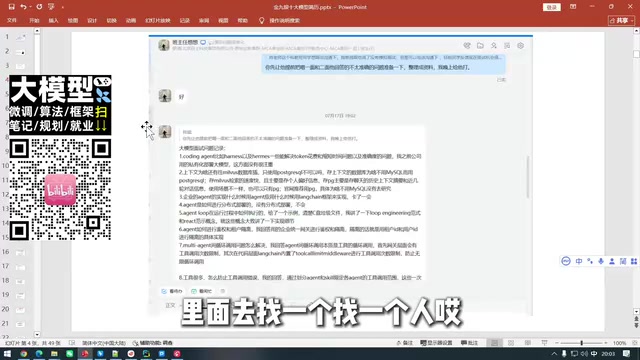
AI Large Model Interview Trends: 625 Real Post-Interview Reviews Reveal Core Focus Areas
Based on real data from 1,700+ students and 625 interview reviews, discover what AI large model interviewers focus on: multi-Agent architecture, deep fundamentals, and enterprise project experience.

HouseSpaceAI: Upload 2D Floor Plans, AI Automatically Generates Interior Design Schemes
HouseSpaceAI is an AI interior design tool where users upload 2D floor plans or sketches and AI Agents generate multiple design schemes in minutes. Deep dive into its features, use cases, and real-world limitations.
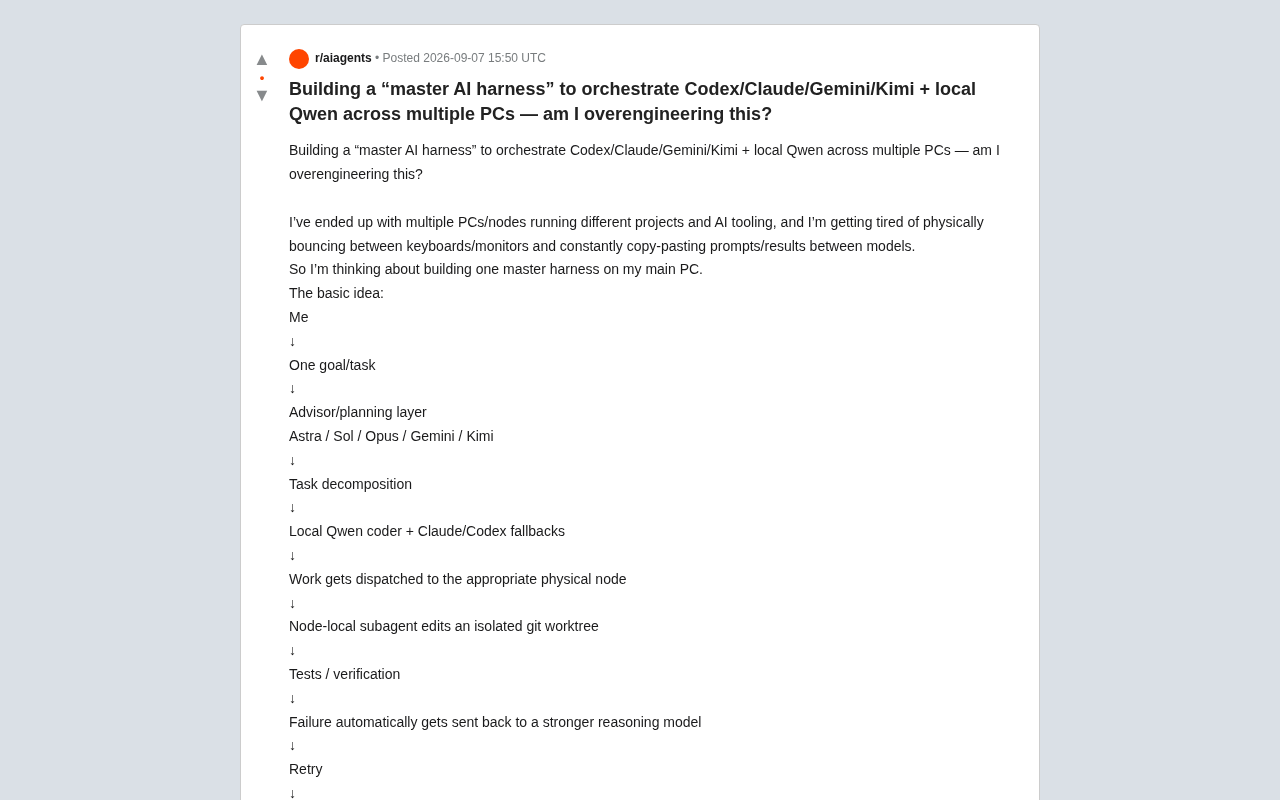
Multi-Model Multi-Machine Orchestration: Deep Dive into Unified AI Scheduling Architecture
In-depth analysis of multi-agent orchestration architecture: building unified AI scheduling with ACP, MCP, git worktree to achieve local model execution + cloud model review collaboration, with minimum viable loop validation and key risk analysis.