NativeShip: One-Click Publishing of Native n8n Integrations, a New Tool for SaaS Teams
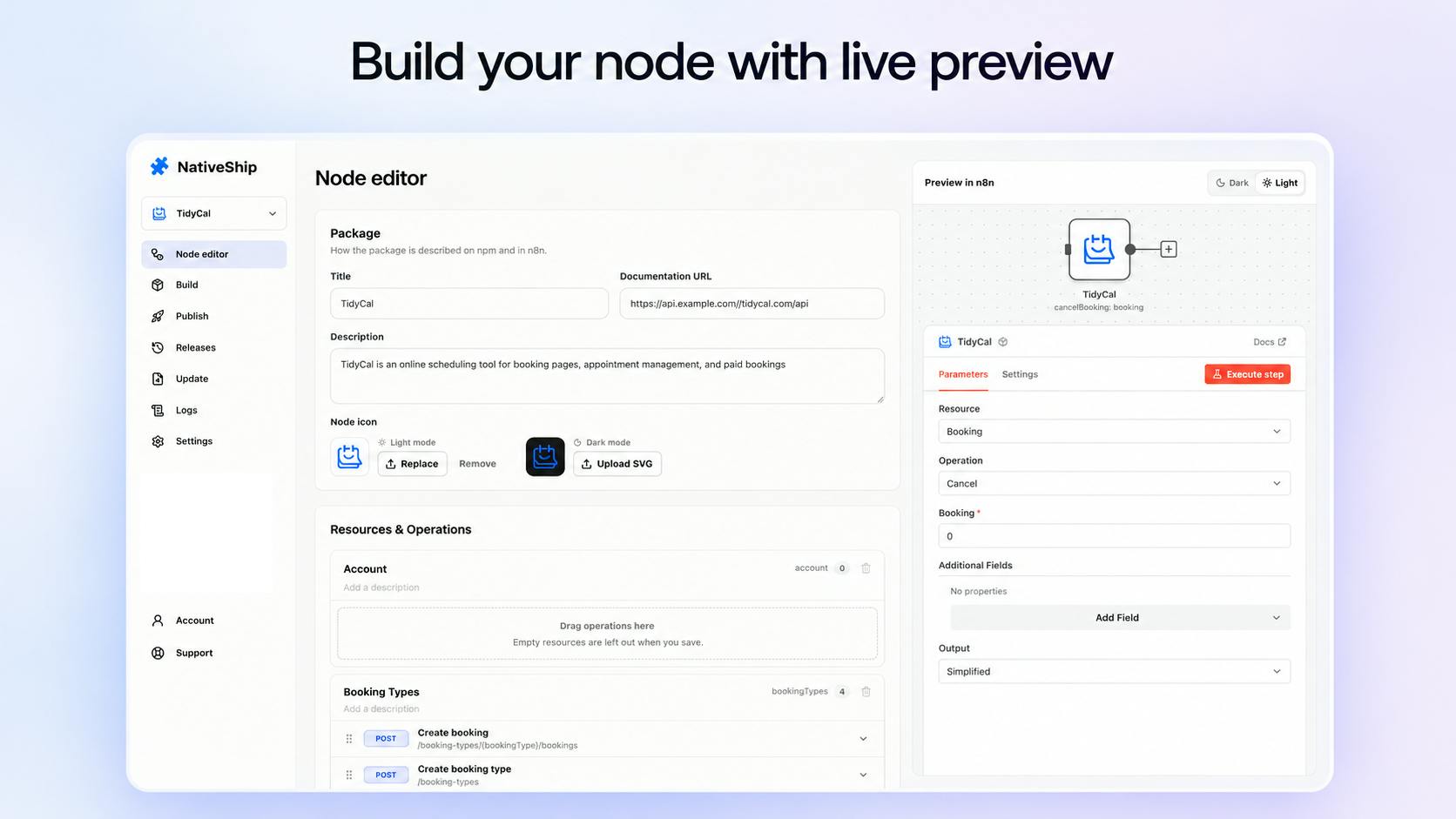
NativeShip simplifies the creation and publishing of native n8n nodes for SaaS teams, lowering the integration barrier.
NativeShip is a tool that helps SaaS teams quickly turn their APIs into native n8n nodes, addressing the pain points of traditional node development—manual coding, following official specs, and handling publishing. It offers real-time preview, one-click pushes to their own GitHub and npm repositories, and release tracking. Generated nodes comply with n8n guidelines and can directly enter verification. It claims no technical skills are needed and targets SaaS product teams with public APIs and small teams lacking dev resources. It received 81 votes and ranked 9th on Product Hunt, but its 'zero technical barrier' claim may be exaggerated, and actual ease of use and long-term maintenance still need verification.
n8n, as an open-source automation tool, has always relied on developers manually writing nodes to extend its ecosystem. But for SaaS teams with APIs, integrating their services into n8n is no easy task—it requires following official specifications, handling the publishing process, and continuously maintaining updates. NativeShip targets this pain point and has gained attention on Product Hunt.
From API to n8n Node, No Technical Background Required
The core value of NativeShip lies in simplifying the creation and publishing of native n8n integrations. According to the official description, it helps SaaS teams launch and maintain n8n integrations based on existing APIs. The generated nodes follow n8n's official guidelines and can directly enter the verification process. Standardized publishing and maintenance mechanisms are built in, claiming operation "without technical skills."
For SaaS companies hoping to reach the n8n user base, this lowers the barrier to integration development. The traditional approach requires familiarity with the n8n node development framework, writing code, and handling packaging and publishing, whereas NativeShip encapsulates all of this into a visual workflow.
The n8n node development framework is the official development specification and toolset provided by n8n for building custom nodes. Developers need to write node description files in TypeScript (defining input/output parameters, authentication methods, and operation behaviors) and implement execution logic. n8n uses a "node as plugin" architecture, where each node is essentially an independent npm package that must follow the n8n-nodes- naming convention and implement the INodeType interface. The official team also provides a node validation tool (n8n-node-dev) for local testing. The traditional development process includes: initializing the project, defining node properties, writing the execute method, configuring credential types, packaging and publishing to npm, and finally submitting to the n8n community node list for review. This process poses a high barrier for teams unfamiliar with n8n's internal mechanisms, which is exactly the part NativeShip attempts to encapsulate.
Real-Time Preview and One-Click Publishing
The product offers a real-time preview feature that lets users adjust the node's form before publishing. For publishing, it supports one-click pushes from their own GitHub and npm repositories and tracks each release record. This means teams can retain control over their code assets while enjoying the convenience of automated publishing.
According to the Product Hunt page, NativeShip ranked 9th on the day, with 81 votes and 3 comments. Although the number of comments is small, the ranking indicates that its concept has received some attention.
The role of npm and GitHub in the n8n ecosystem: n8n's custom nodes are distributed as npm packages, and users can install community nodes directly in the n8n interface (community node functionality must be enabled in settings). As a JavaScript package management repository, npm handles node version hosting and dependency resolution; GitHub is used for source code hosting and collaboration. NativeShip's support for one-click pushes from their own GitHub and npm repositories means teams retain ownership of their code repositories while automating steps such as version releases, tag management, and npm publish. This "bring-your-own-repository" model helps enterprise users meet compliance and audit requirements and avoids the risk of hosting code on third-party platforms.
Who Is NativeShip For?
Judging from its positioning, NativeShip mainly targets two types of users: first, SaaS product teams with public APIs who want to quickly list n8n nodes to increase product exposure; second, small teams lacking dedicated developer resources who need a low-code way to maintain integrations.
However, the product's claim of "no technical skills required" may be slightly exaggerated—at minimum, users need to understand basic API concepts and n8n's node specifications. In addition, publicly available information is currently limited, and actual ease of use still needs verification.
The n8n community node verification process: n8n has a set of review standards for community nodes, including completeness of node metadata, credential security, error handling specifications, and documentation completeness. Nodes that pass verification are listed in n8n's official integration directory and gain higher exposure. NativeShip claims that the generated nodes "can directly enter the verification process," meaning its output meets n8n's node structure requirements and reduces the risk of rejection due to format non-compliance. However, the verification process itself is still manually reviewed by the n8n team, and NativeShip cannot replace this step. For SaaS teams, this means they still need to prepare node description documentation and test cases, but technical implementation barriers have been greatly reduced.
Conclusion
NativeShip attempts to solve the efficiency problem in n8n ecosystem expansion, and its approach is commendable. For SaaS teams seeking automated integrations, it may be a tool worth trying. But as a new product, its maturity and long-term maintenance capabilities remain to be seen.
One-line Summary
NativeShip simplifies the process for SaaS teams to create and publish native n8n nodes, lowering the integration barrier.
Paragraph Summary
NativeShip is a tool that helps SaaS teams quickly turn their APIs into native n8n nodes, aiming to solve the pain points of traditional node development—manual coding, following official specifications, and handling publishing processes. It offers real-time preview, one-click pushes to their own GitHub and npm repositories, and release record tracking. The generated nodes comply with n8n's official guidelines and can directly enter the verification process. The product claims no technical skills are required and mainly targets SaaS product teams with public APIs and small teams lacking development resources. It received 81 votes and ranked 9th on Product Hunt, gaining initial attention. However, its "zero technical barrier" claim may be slightly exaggerated, and actual ease of use and long-term maintenance capabilities still need verification.
Related articles

Gemini 4 Dual Models Exposed, Genie 4 World Model Launches, AI R&D Self-Accelerates
November 19 AI evening news roundup: DeepMind Gemini 4 Sodium rumors surface, Cursor launches Gemini 4 Neon scoring 63.7% on CursorBench 4.1; Genie 4 world model goes live with real-time editing and native audio; WorkBuddy integrates GPT-6.2 series; OpenAI discloses AI chip design efficiency gains and RSI research metrics.
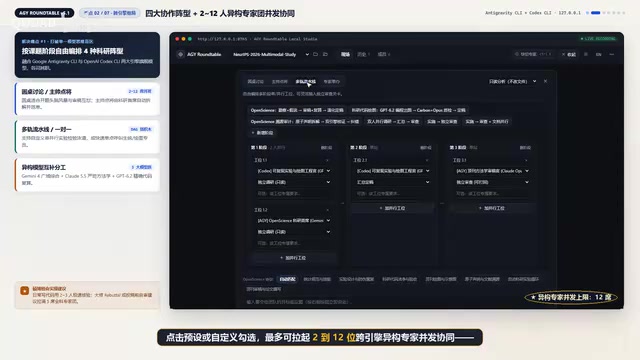
HY Roundtable: A Local Open-Source Multi-Agent Roundtable Where Multiple LLMs Blind-Review and Challenge Each Other's Papers
HY Roundtable is a local open-source multi-agent roundtable tool that brings Gemini 4, Claude Opus 5.5, and GPT 6.2 into a local seminar room to blind-review, cross-examine, and recompute code before submission, with built-in Open Science protocols for statistics and figures.
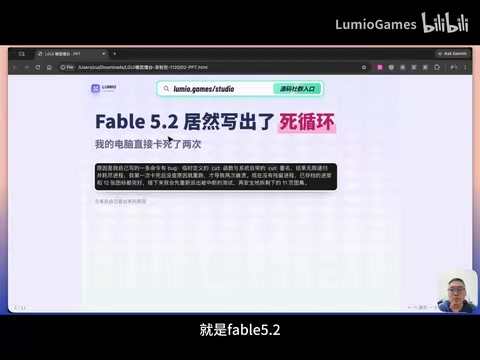
GPT 6.2, Fable 5.2, Gemini 4 Tested: Which Builds the Best Game UI from a Single Image?
Bilibili creator tests GPT 6.2, Fable 5.2, and Gemini 4 generating full game UI from one image: all work functionally, but fidelity and interaction quality differ sharply. Fable 5.2 looks best but caused infinite-loop crashes; GPT 6.2 is balanced but drifts from icons; Gemini 4 looks cheap. Includes LGUI Agent workflow and engine export details.