Noise Platform: A New Marketing Experiment That Lets Everyday People Earn Money from Content Creation
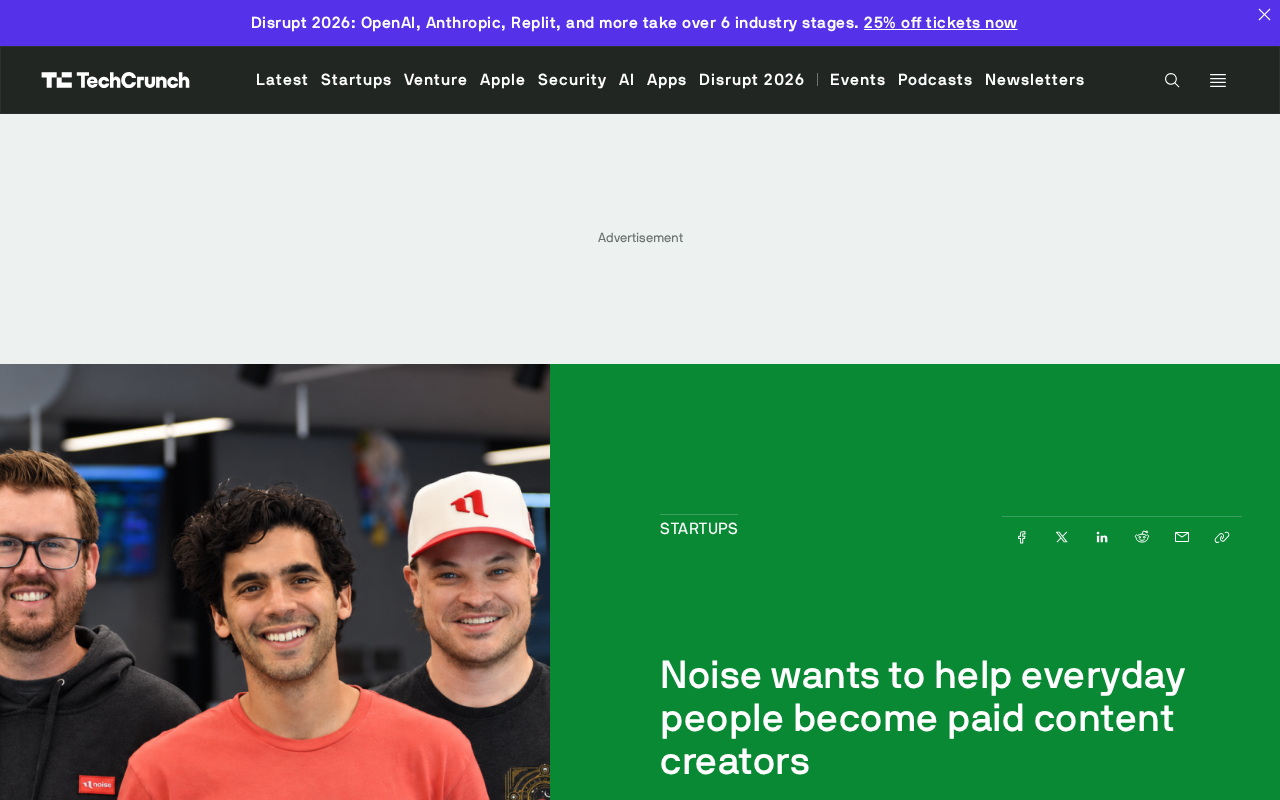
Noise is a marketing platform letting everyday smartphone users monetize UGC content, targeting the creator economy's long tail.
Noise positions itself as a marketing platform rather than a social app, with a core logic of bridging brands and everyday users for content monetization. Unlike platforms like YouTube or TikTok that rely on traffic-sharing, Noise targets "everyday people" with no existing following. While this aligns with genuine brand demand for authentic UGC content, the model's sustainability hinges on whether it can deliver stable, predictable income — not token payouts — to long-tail creators.
What Noise Is Trying to Do
Marketing platform Noise has set an ambitious goal: to help anyone with a smartphone earn income from their own content. At a time when the creator economy has become a mainstream topic, this positioning aims to lower the barrier to content monetization even further — enabling people without professional equipment, existing audiences, or operational experience to participate.
Based on available materials, Noise defines itself as a "marketing platform" rather than a traditional social or short-video app. This suggests its business logic is more likely built around connecting brands with everyday creators — ordinary users produce content on their phones, and the platform facilitates matches with advertising or marketing needs, completing a monetization loop.
A Creator Economy Built for Everyday People
Over the past few years, the benefits of content creation have largely concentrated at the top. Those who can reliably earn income from content are typically people who have already built large followings and possess professional production skills. Noise's emphasis on "everyday people" is essentially a bet on the long tail — users who casually shoot and share their lives but have never imagined getting paid for it.
This positioning has real-world grounding. The widespread adoption of smartphones has made content production tools universally accessible, and consumption habits around short-form video and photo content are well established. For brands, authentic content from ordinary people can sometimes build more trust and drive better conversions than polished professional ads — the logic behind so-called "grassroots marketing" and UGC advertising.
UGC (User Generated Content) advertising and grassroots influencer marketing have evolved into a distinct commercial sector in recent years. Brands aggregate authentic, real-world content from large numbers of ordinary users to achieve higher credibility at a fraction of professional production costs — Nielsen research indicates that consumers trust peer recommendations roughly 92% more than official brand content. Platforms supporting this model typically act as intermediaries handling task distribution, content review, and payment settlement. Notable examples include the early-stage Izea, China's Taobao affiliate system, and more recently short-video UGC-focused SaaS platforms like Billo and Cohley. The core tension in this space lies in supply-and-demand matching efficiency: everyday creators are plentiful but highly variable in quality, while brands have relatively strict requirements around content tone and compliance. Building a scalable screening mechanism between the two is the key to whether such platforms can operate sustainably.
Opportunity and Challenge in Equal Measure
Turning ordinary people into paid creators sounds simple but proves difficult in practice. Similar attempts are not uncommon in the industry, and the real pain points tend to cluster around a few areas: ensuring sufficient brand demand to sustain meaningful earnings for ordinary users, maintaining platform quality standards when content varies widely, and avoiding monetization rules so complex they discourage newcomers.
If Noise wants to establish itself in this space, lowering the barrier to participation is only part of the equation. It also needs to address the core question of "how much can I actually earn?" For everyday users, a token few dollars is unlikely to sustain motivation — stable, predictable income is what keeps long-tail creators engaged over time.
The retention problem for "long-tail creators" in the creator economy has plenty of cautionary precedents. YouTube's Partner Program requires channels to reach 1,000 subscribers and 4,000 watch hours before monetization unlocks, leaving the vast majority of small and mid-sized creators in a revenue-free limbo for extended periods. TikTok's Creator Fund has been widely criticized for extremely low per-view payouts (roughly $0.02–$0.04 per thousand views), with multiple prominent creators publicly stating that earnings fell far short of expectations. These cases illustrate that traffic-sharing models alone struggle to provide sufficient incentive for users with limited followings. By contrast, a task-based brand collaboration model — where users complete specified content and are paid per deliverable — offers more predictable earnings, though it faces its own challenges: whether task supply is sufficient and whether unit prices are attractive enough. If Noise pursues a similar path, the depth of its brand resource pipeline will directly determine how meaningful the experience feels for everyday users.
Closing Thoughts
Given the limited public information currently available, the specific product mechanics, revenue-sharing structure, and technical infrastructure behind Noise remain unclear. But the direction it represents — bringing content monetization capabilities down from the top tier to ordinary people — aligns with the deeper trajectory of the creator economy. Whether this model can actually work ultimately depends on whether it can deliver real, sustainable returns for everyday creators.
What deserves close attention going forward is how Noise specifically approaches brand resources, content distribution, and earnings allocation — these are the factors that will determine how far it can go.
Related articles
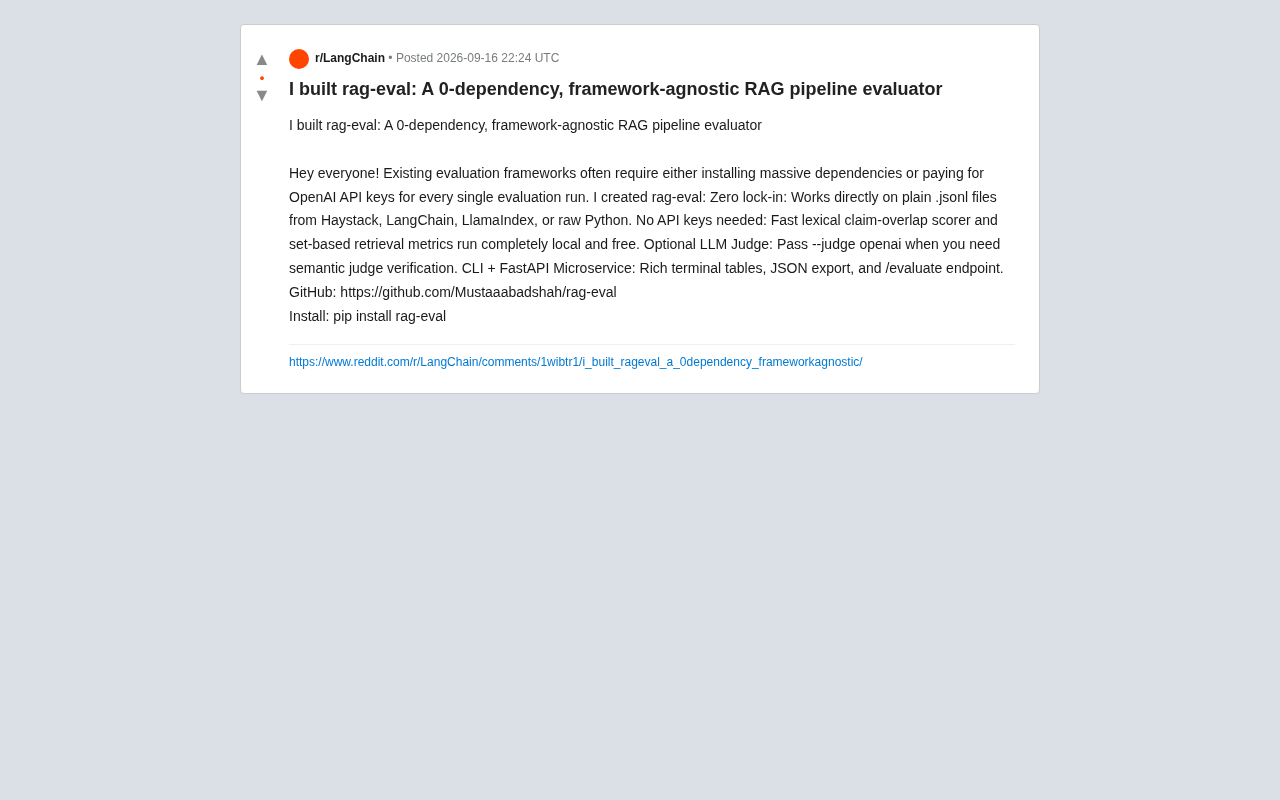
rag-eval: A Zero-Dependency, No-API-Key RAG Evaluation Tool
rag-eval is a zero-dependency, framework-agnostic open-source RAG pipeline evaluation tool. It supports free local lexical and retrieval metrics with no API keys required, and offers optional LLM Judge for semantic validation. Compatible with Haystack, LangChain, and LlamaIndex.
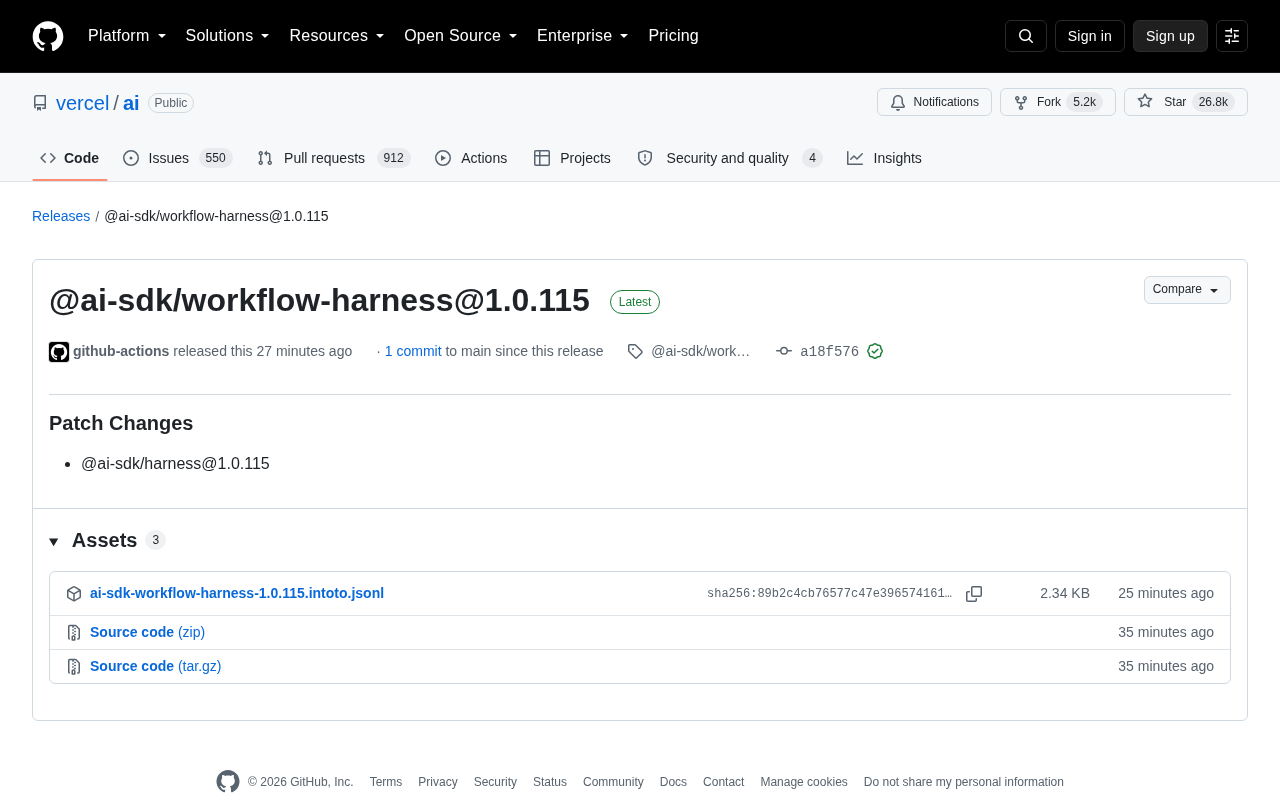
Vercel AI SDK Releases workflow-harness 1.0.115 Patch Update
Vercel AI SDK releases @ai-sdk/workflow-harness 1.0.115 patch update, syncing the @ai-sdk/harness dependency. Learn about the update, release mechanism, and what it means for developers.
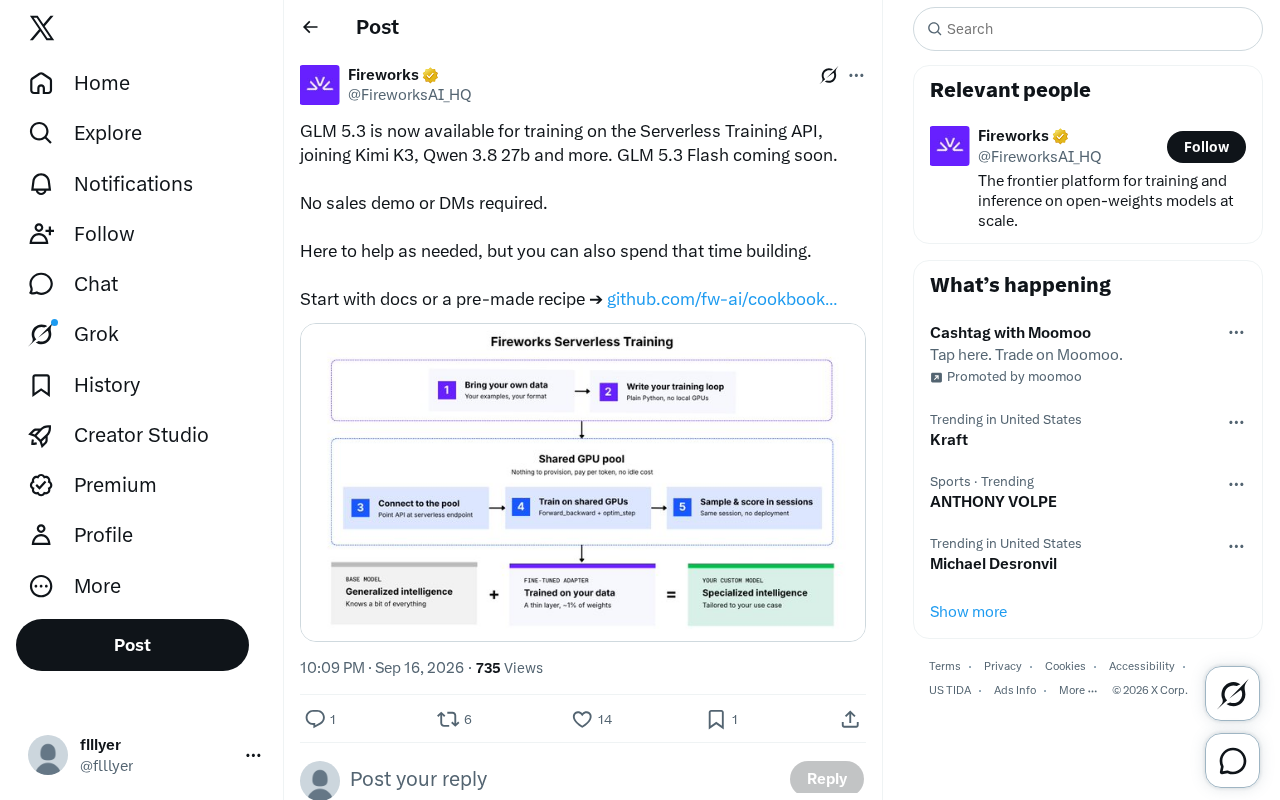
GLM 5.3 Now Available on Serverless Training API — No Sales Process Required
GLM 5.3 is now available on Serverless Training API alongside Kimi K3 and Qwen 3.8 27b. No sales process needed — start fine-tuning directly via docs or pre-made recipes.