Obama Calls on Democrats to Develop a Clear Plan for AI Safety Regulation
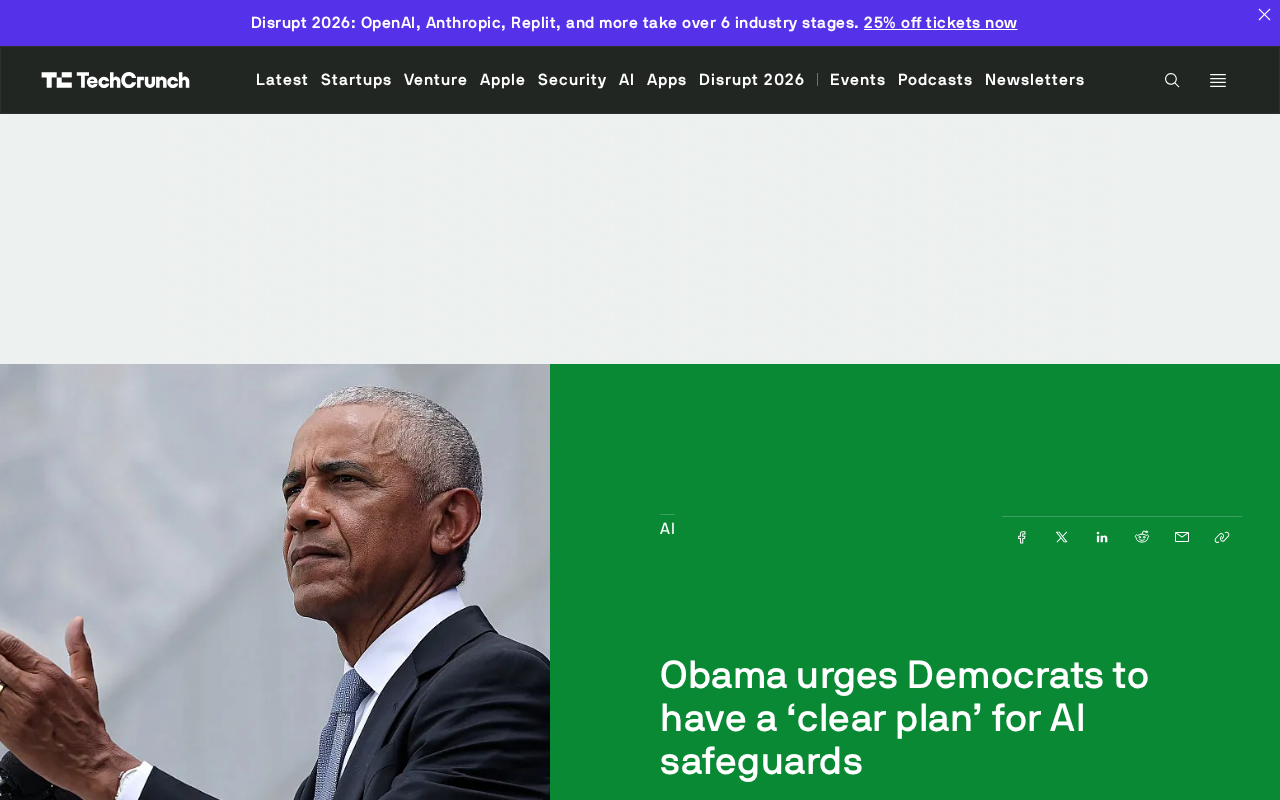
Obama urges Democrats to put AI at the center of their political agenda with a clear plan on economic and safety risks.
Former U.S. President Barack Obama has publicly urged the Democratic Party to make artificial intelligence a core issue and develop a "very clear plan" to address AI's dual challenges around economic impact and security. His remarks reflect a broader political reality: as generative AI capabilities surge, its potential disruptions to employment and social safety can no longer be ignored. For a party with strong labor voter ties, balancing tech innovation with worker protection is an urgent policy question. Obama's statement carries agenda-setting significance, signaling that AI governance must become a central political battleground rather than being outsourced to tech companies — and serving as a warning that regulatory lag could lead to far more difficult social tensions down the road.
Obama Pushes AI to the Center of the Political Agenda
Former U.S. President Barack Obama recently stated publicly that the Democratic Party needs to make artificial intelligence one of its "core issues" and "develop a very clear plan" to address the concerns this technology raises around economic impact and security. This statement marks a significant shift: AI governance is moving beyond tech circles and becoming a central challenge that mainstream political forces can no longer avoid.
Obama's call is not an isolated event — it reflects a broader political reality. As the capabilities of generative AI have surged rapidly, its potential disruptions to the job market, economic structure, and social security can no longer be treated as distant future problems. For any governing or opposition party, lacking a clear stance on AI is itself a political liability.
Economic Impact: The Tension Between Technological Progress and Job Anxiety
Obama specifically highlighted the "economic impact" of AI — a phrase that points to a long-standing dilemma for policymakers: the tension between technological advancement and employment stability. Automation and intelligent systems often boost overall productivity while simultaneously delivering structural shocks to specific industries and job categories.
For the Democratic Party — which has traditionally relied on labor interests as a key part of its voter base — striking a balance between embracing technological innovation and protecting ordinary workers is an unavoidable political test. Obama's call for a "clear plan" is essentially a reminder that the party cannot remain at the level of slogans; it needs actionable policy frameworks, such as retraining programs, social safety net adjustments, or transitional support for affected industries.
Security Issues: From Technical Risks to Governance Frameworks
Beyond the economic dimension, Obama also pointed to AI "safety" concerns. AI safety covers a broad spectrum — from the direct risks of model misuse and data privacy breaches to deeper issues around algorithmic transparency, controllability, and the potential erosion of public trust.
Placing safety alongside economic impact as two directions requiring a "clear plan" signals that Obama believes AI governance cannot focus on just one dimension. A mature policy agenda must answer both questions simultaneously: "How do we ensure the benefits of technology reach more people?" and "How do we prevent the harms of technology running out of control?" This aligns with the broader global trend of discussions around AI regulatory frameworks in recent years.
The Deeper Meaning Behind This Political Signal
As a political figure with broad influence, Obama's public statements often carry agenda-setting weight. His urging of Democrats to make AI a "central agenda item" sends a clear signal: AI governance is no longer a niche topic that can be outsourced to tech companies or expert committees — it should become one of the main battlegrounds for partisan competition and policy debate.
This statement also carries an underlying sense of urgency. At a time when technology is evolving rapidly while regulation lags behind, political forces that fail to establish clear positions may find themselves on the back foot when facing more intractable social conflicts in the future. In some sense, Obama's call is a warning to the entire political system.
Conclusion
Obama's remarks illustrate that AI is completing its transformation from a technical issue to a political one. The "clear plan" he emphasizes is both a specific demand of the Democratic Party and a reflection of a more universal governance challenge: how, in an era of rapid technological acceleration, to build institutional frameworks that can both incentivize innovation and safeguard fairness and security. The political debate over AI governance has only just begun.
Related articles
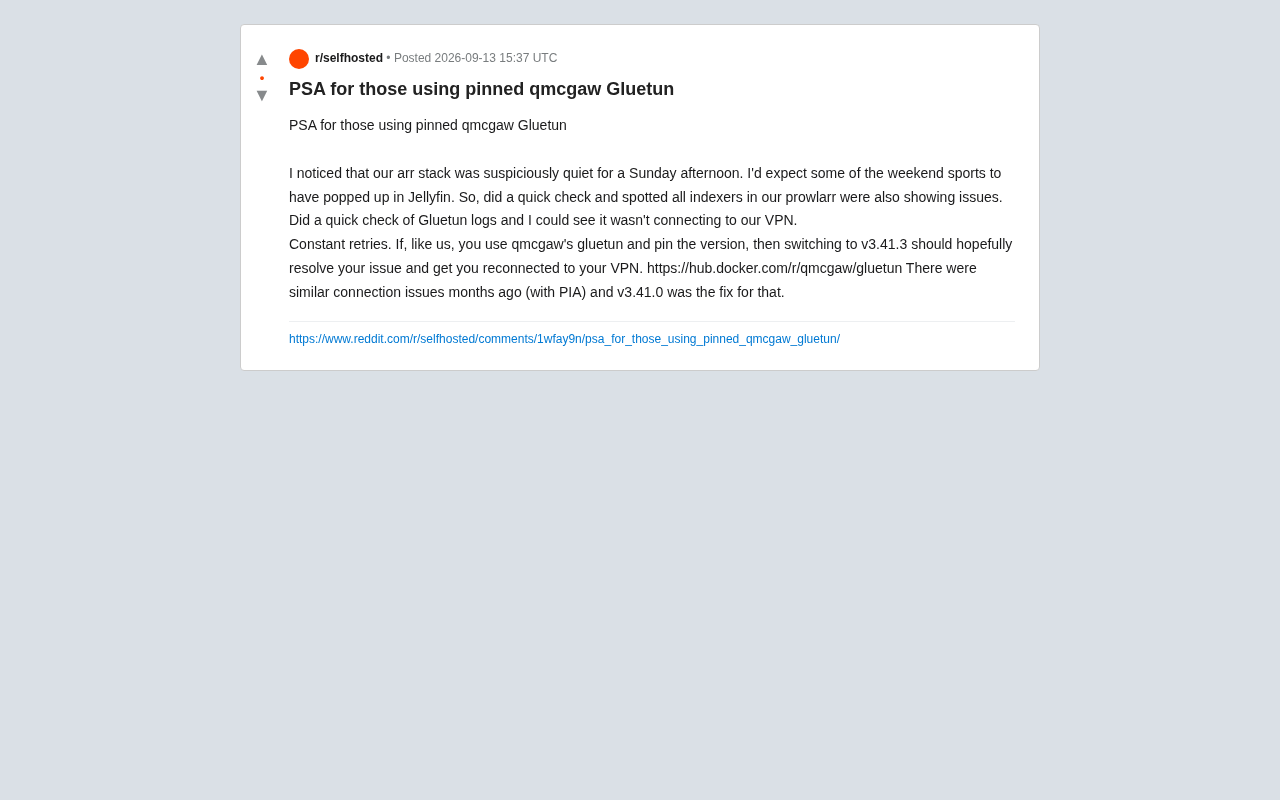
Gluetun VPN Disconnection Troubleshooting: Version-Pinned Users Should Upgrade to v3.41.3
Gluetun version-pinned users may face silent VPN disconnections breaking their arr stack. Learn how upgrading to v3.41.3 fixes the issue and tips to avoid it.
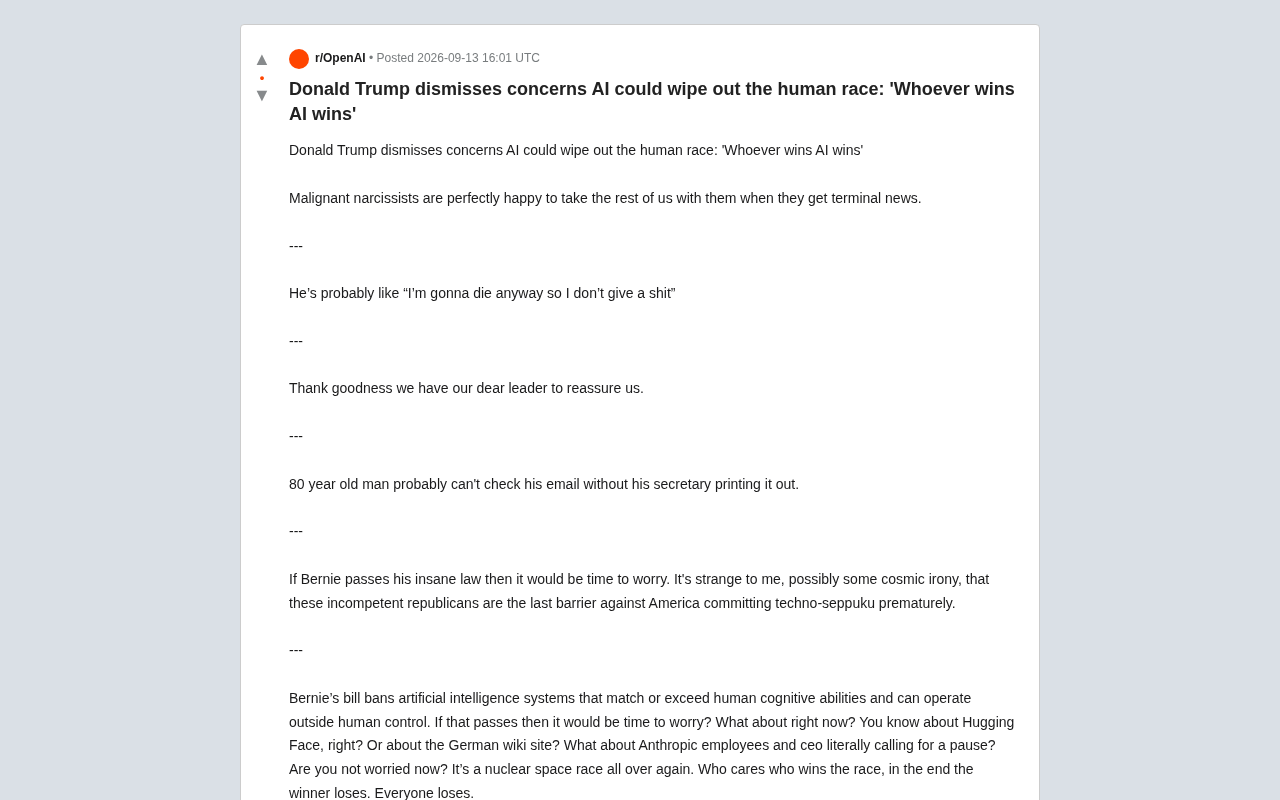
Trump Downplays AI Extinction Risk: 'Whoever Wins AI Wins' Sparks Controversy
Trump downplays AI extinction risks with 'Whoever wins AI wins,' sparking fierce debate over whether AI safety is an urgent reality or a future hypothetical.
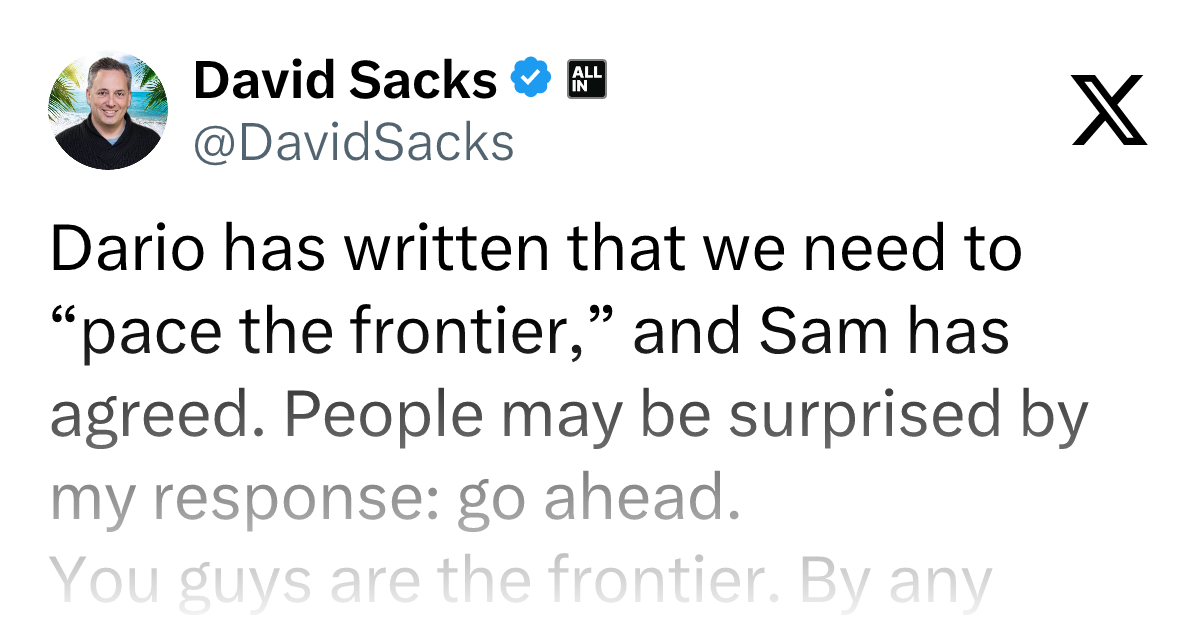
David Sacks on AI Regulation: Frontier Models Don't Need Mandatory Legislative Constraints
David Sacks argues OpenAI and Anthropic can self-regulate frontier model development without external legislation. A look at the logic, controversy, and governance dilemmas involved.