Ollama Time-of-Use Pricing: DeepSeek Model Off-Peak 50% Discount Strategy Explained
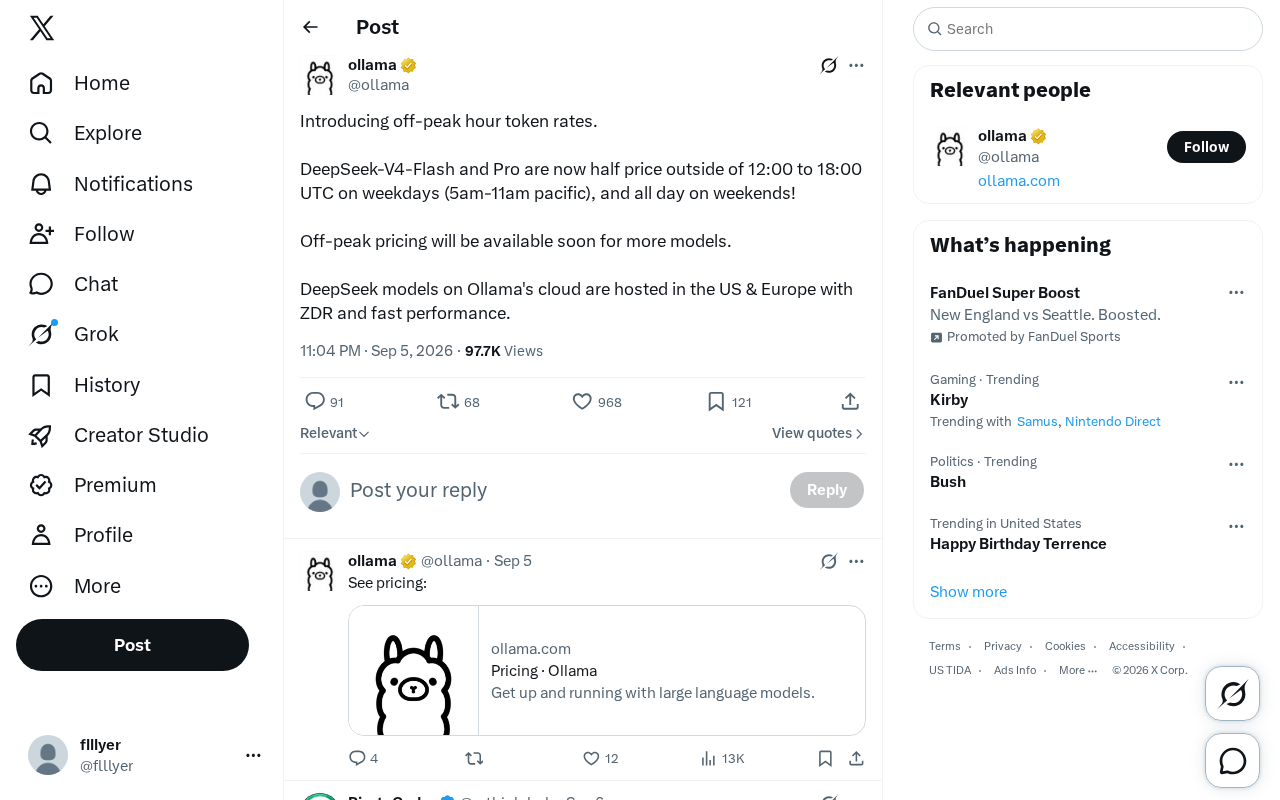
Ollama introduces 50% off-peak pricing for DeepSeek-V4 models to optimize GPU utilization and developer costs.
Ollama has launched a time-of-use pricing strategy for DeepSeek-V4 models, offering 50% discounts during off-peak hours and weekends. Deployed across US and European data centers with Zero Data Retention, this approach mirrors AWS Spot Instance economics while providing more predictability. The strategy leverages DeepSeek's MoE architecture for cost-efficient inference and encourages developers to adopt async task scheduling for further savings.
DeepSeek Models Get Time-of-Use Pricing Strategy
Ollama recently announced an innovative time-of-use pricing (off-peak hour token rates) mechanism, implementing a differentiated pricing strategy for its hosted DeepSeek-V4 series models. This move signals that AI model service providers are beginning to explore more flexible business models to optimize resource utilization and reduce user costs.
Time-of-Use Pricing is a pricing strategy rooted in demand-side management theory from economics. Its core principle is using price signals to balance supply and demand — maintaining prices during peak demand periods to curb overconsumption, and lowering prices during off-peak periods to stimulate usage. This mechanism is particularly critical for GPU-intensive AI inference services, as the procurement and operational costs of high-end GPUs (such as NVIDIA H100/H200) are extremely high. Depreciation costs continue to accrue every hour of idle time, making utilization rates directly tied to a provider's profitability.
According to the official announcement, both the DeepSeek-V4-Flash and DeepSeek-V4-Pro models receive a straight 50% price reduction during off-peak hours — outside of UTC 12:00 to 18:00 (5 AM to 11 AM Pacific Time) on weekdays, as well as all day on weekends. By strategically scheduling API calls, developers can significantly reduce their usage costs.
The Business Logic Behind Time-of-Use Pricing
This pricing strategy reflects the supply-and-demand characteristics of cloud computing resources. During traditional business hours, API call volumes hit their peak and server resources operate under heavy load. During off-peak hours, computing resources sit relatively idle. By using price levers to guide users toward off-peak usage, providers can both improve resource utilization efficiency and offer cost-effective options for price-sensitive users.
This model has successful precedents in other cloud service domains, such as AWS Spot Instances and the utility industry's peak-and-valley electricity pricing. AWS Spot Instances, launched by Amazon in 2009, allow users to bid for idle computing resources at market prices, typically 60%-90% cheaper than on-demand instances — but with the downside that instances may be interrupted at any time. In comparison, Ollama's time-of-use pricing model is far more predictable: users know exactly which time windows qualify for discounts, with no risk of service interruption. Google Cloud's Preemptible VMs and Azure's Spot VMs follow similar logic. Together, these elastic pricing mechanisms are driving cloud computing's paradigm shift from fixed pricing to dynamic pricing.
For batch processing tasks, data analysis, model training, and other scenarios that don't require real-time responsiveness, developers can choose to run workloads during off-peak hours and save half the cost.
Technical Infrastructure Advantages
Ollama specifically emphasizes that its cloud-hosted DeepSeek models are deployed in data centers across the United States and Europe, featuring a Zero Data Retention (ZDR) policy and fast response performance. This is particularly important for enterprise users who prioritize data privacy and service quality.
From a technical implementation perspective, the ZDR policy means data exists only within the inference pipeline in RAM. Once inference is complete, the data is released — it never gets written to SSD/HDD or enters logging systems. Users' API request data is neither stored long-term nor used for model training. This strategy directly addresses the data minimization principle in the EU's GDPR (General Data Protection Regulation) and the privacy protection legislation being enacted across various U.S. states. For heavily regulated industries such as finance, healthcare, and legal services, ZDR is a critical factor when selecting an AI API provider, as retained data creates potential risks of data breaches and compliance audit pressure. Additionally, deploying servers across multiple regions ensures low-latency experiences for users in different geographic areas.
Technical Advantages of the DeepSeek-V4 Series
DeepSeek is a large language model series developed by the Chinese AI company DeepSeek, which has gained widespread attention in the global developer community through its open-source strategy and highly competitive cost-performance ratio. The DeepSeek series employs a Mixture of Experts (MoE) architecture. The core idea behind this architecture is dividing model parameters into multiple "expert" sub-networks, activating only a subset during each inference pass. This maintains a massive total parameter count (enabling powerful capabilities) while dramatically reducing the actual computational load per inference. This architectural design gives DeepSeek models a significant advantage in inference costs compared to dense models of equivalent capability, and provides a solid technical foundation for further cost-reduction strategies like time-of-use pricing.
The DeepSeek-V4 series is already renowned for its high cost-performance ratio, and the introduction of time-of-use pricing further strengthens its market competitiveness.
Industry Impact and Future Outlook
Ollama has stated that the time-of-use pricing mechanism will soon be extended to more models. This trend may prompt other AI service providers to follow suit, driving the entire industry toward a more flexible and diverse pricing ecosystem.
For developers, this not only means greater room for cost optimization but also requires incorporating the time dimension of task scheduling into architectural design. Specifically, developers need to categorize AI API call tasks into real-time tasks (such as user conversations and live translation) and delay-tolerant tasks (such as batch document summarization, data labeling, and report generation), then use message queues (such as RabbitMQ or Apache Kafka) and schedulers (such as Cron Jobs or Apache Airflow) to execute the latter during low-price windows. This aligns with asynchronous processing patterns in microservice architectures but adds cost optimization as a new scheduling dimension. Mature FinOps (Cloud Financial Operations) teams are already practicing similar strategies in cloud resource management, and AI API cost management is becoming an emerging area of focus within FinOps.
In an era where large model applications are becoming increasingly prevalent, cost control remains one of the key factors in enterprise decision-making. This innovative pricing model may well become the next battleground for differentiated competition among AI service providers.
Key Takeaways
Related articles
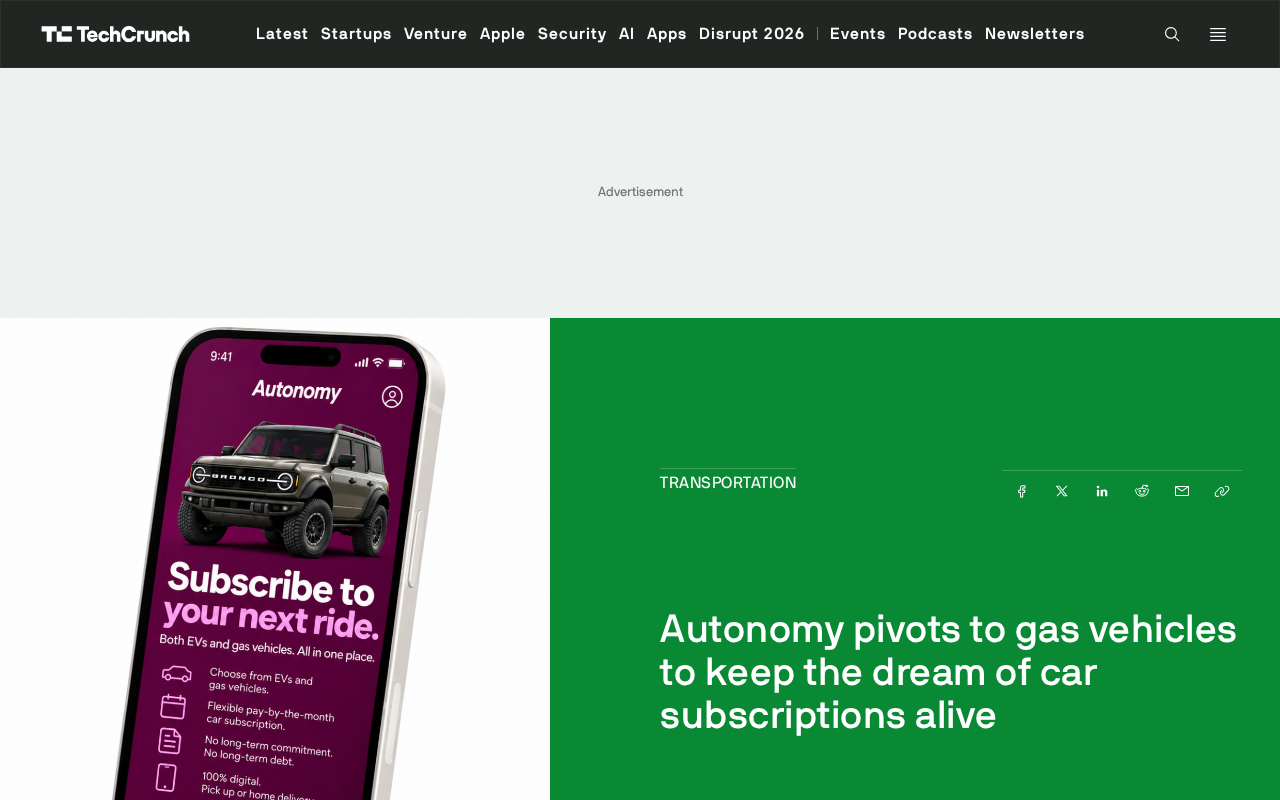
Autonomy Pivots to Gas-Powered Cars: A Survival Play for the Car Subscription Model
Autonomy pivots from EV to gas-car subscriptions. This article analyzes the heavy-asset challenges, EV residual value risks, and lessons for mobility innovation.
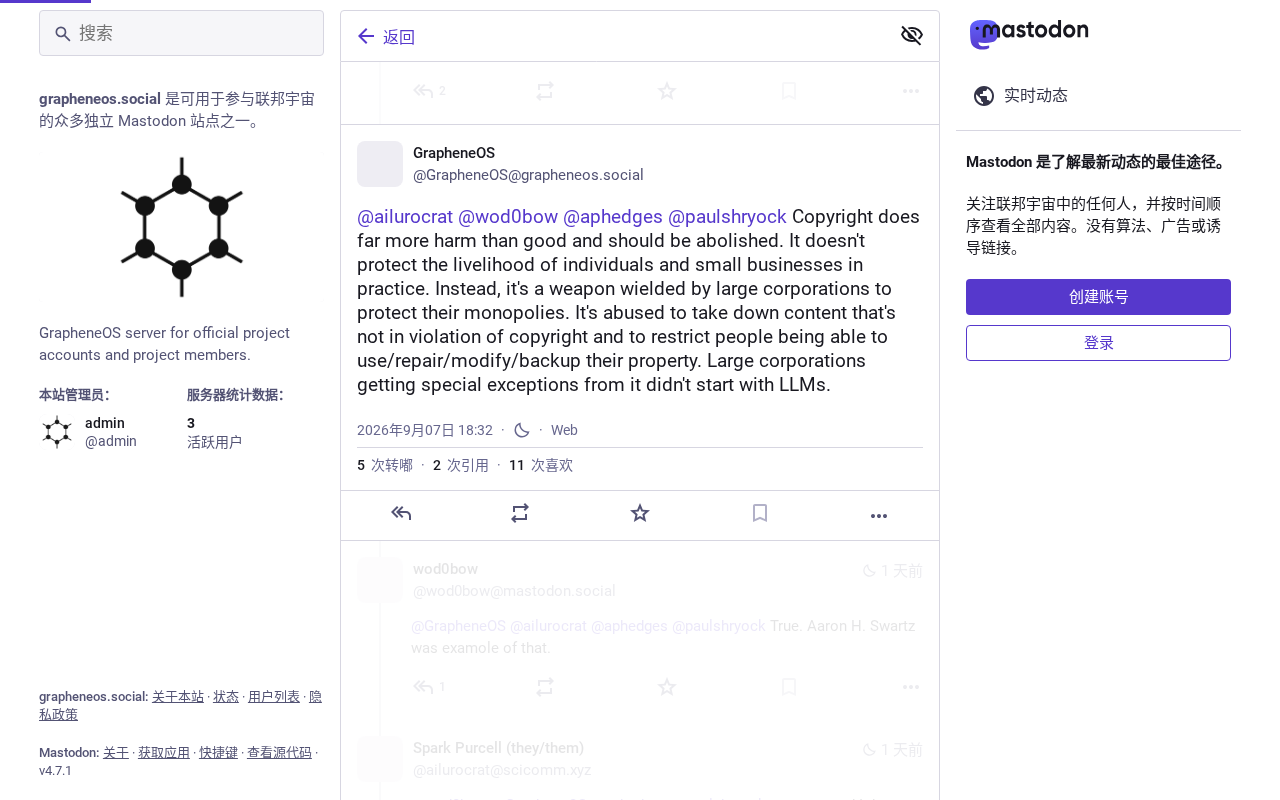
Abolish Copyright? Core Arguments and Reflections in the Intellectual Property Debate
Should copyright be abolished? This article analyzes core arguments for and against, covering excessive protection terms, AI training data disputes, open-source movements, and possible IP reform.
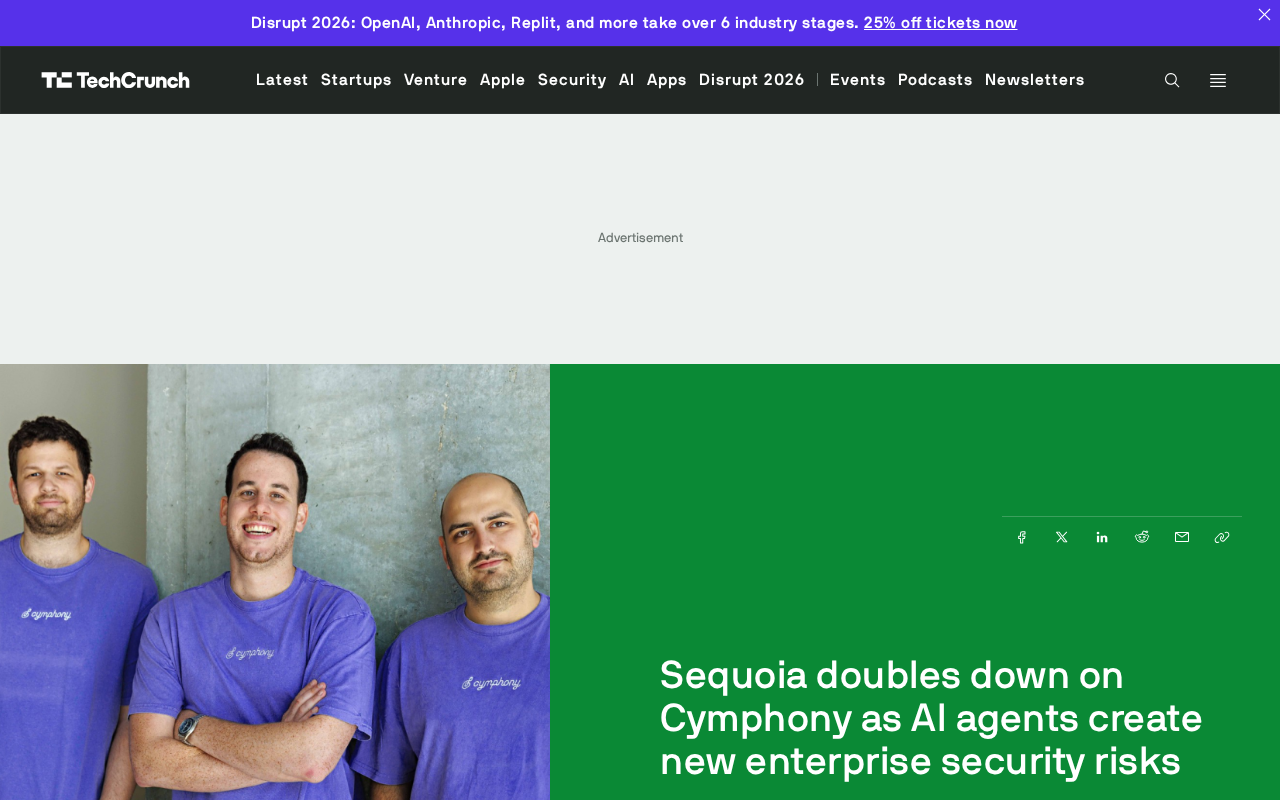
Cymphony Raises $25M Series A Led by Sequoia: AI Agent Enterprise Security Challenges and Opportunities
Sequoia leads Cymphony's $25M Series A for AI agent security, valued over $100M. Exploring enterprise AI agent security challenges, permission management, and emerging market opportunities.