OpenAI Launches Sponsored Agents: A Pivotal Step Toward ChatGPT Monetization Through Ads
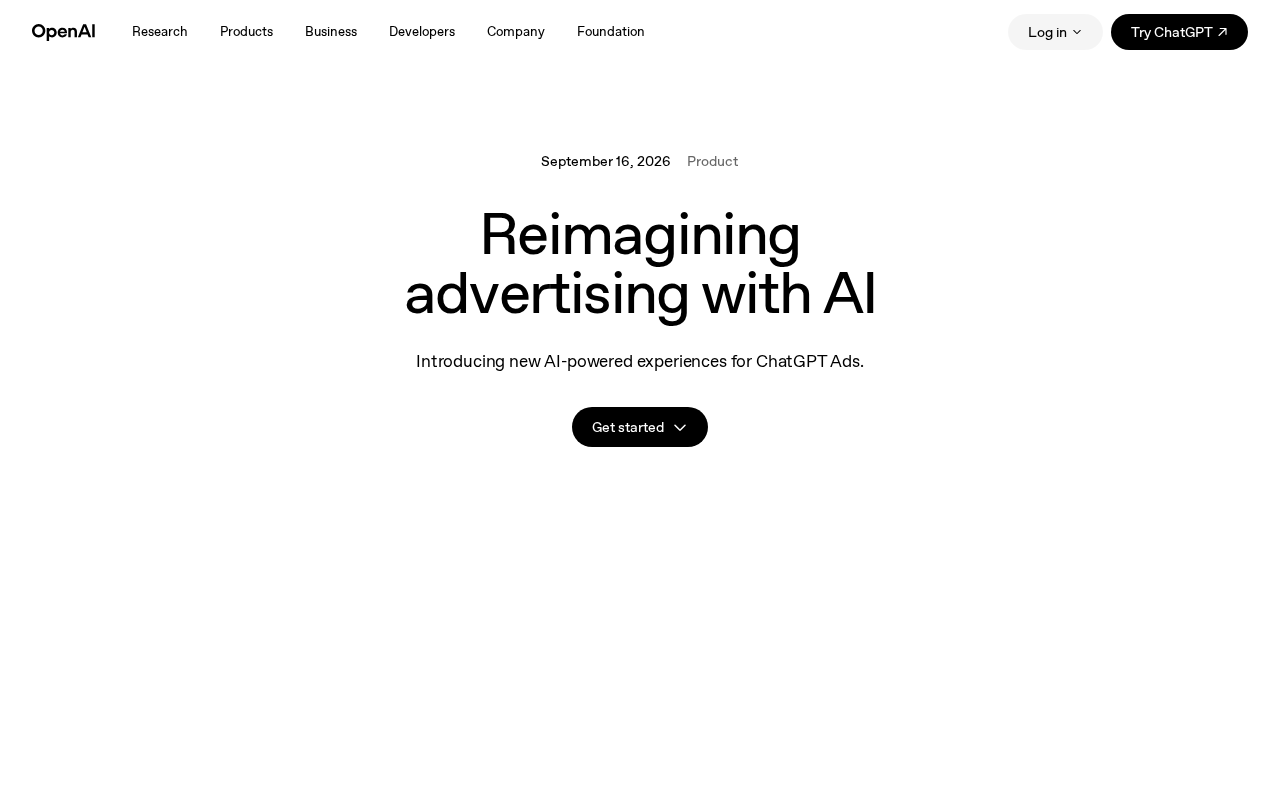
OpenAI embeds branded AI agents into ChatGPT conversations, opening a new advertising revenue stream amid trust and transparency concerns.
OpenAI is introducing a new ad format for ChatGPT called "Sponsored Agents," embedding brand sponsors as interactive, task-capable AI agents within user conversations — rather than as traditional banners or bidded links. The move reflects the real tension between high compute costs and limited subscription revenue. However, since many users treat ChatGPT as a neutral decision-making assistant, the sponsorship mechanism blurs the line between optimal advice and commercial recommendation, sparking debate over transparency, user trust, and regulatory compliance. The heated Hacker News discussion reflects a broader concern in the tech community: as AI becomes an intermediary in human decision-making, how and where commercial interests are allowed to intervene is a question the entire industry must squarely address.
OpenAI Brings Advertising Into ChatGPT Conversations
According to discussions in the Hacker News community, OpenAI is expanding ChatGPT's advertising business with a new format called "Sponsored Agents." The topic has attracted around 100 upvotes and 100 comments, reflecting strong interest among developers and the broader tech community in how AI products can be monetized.
Sponsored Agents refers to embedding brand or merchant-sponsored content into ChatGPT's interaction flow in the form of "intelligent agents." Unlike traditional banner ads or search bidding, this format functions more like an AI assistant that recommends specific services or products during conversation — users chatting with ChatGPT may be guided toward solutions provided by a sponsoring party.
For a company whose primary revenue streams are subscriptions and API usage, advertising represents an entirely new and potentially lucrative monetization channel. ChatGPT's massive active user base means that any form of ad placement could generate substantial revenue — a realistic choice for OpenAI as it faces the pressure of sustaining enormous compute costs.
"AI Agent" has become one of the core paradigms in large model applications in recent years. It refers to an AI system capable of perceiving context, formulating plans, and autonomously executing multi-step tasks — fundamentally different from single-turn Q&A interactions. In an advertising context, a Sponsored Agent means a brand can deploy an agent with specific capabilities (for example, a booking agent for a travel platform, or a loan consultation agent for a bank). When ChatGPT determines that a user's need matches that agent, it brings the agent into the conversation to help complete the task. This is a far deeper intervention in the user's decision-making journey than the traditional model of "inserting a paid link at the top of search results" — which is precisely why it carries higher commercial value, and also greater ethical risk.
Why Advertising Has Sparked Controversy
ChatGPT functions as a highly trusted information and decision-making assistant, and the neutrality of its responses is central to its product value. Once a sponsorship mechanism is introduced, users will struggle to determine whether the AI's recommendations are truly optimal or influenced by commercial interests. This is one of the key points of debate in the Hacker News comment section.
From a product experience standpoint, the immersive quality and efficiency of AI conversation are its key advantages over traditional search engines. If every query might carry a sponsored recommendation, the purity of the user experience will be compromised — potentially repeating the fate of search engines, where ads have come to overwhelm organic results.
A further concern is information transparency. Traditional ads typically carry clear "Advertisement" labels, but how Sponsored Agents embedded in conversation will clearly disclose their commercial nature to users is a trust problem OpenAI must solve. Insufficient disclosure could attract regulatory scrutiny.
The regulatory risk is significant and should not be overlooked. The U.S. Federal Trade Commission (FTC) has already begun reviewing native advertising disclosure in AI-generated content, while the EU's Digital Services Act (DSA) and AI Act impose mandatory transparency requirements on algorithmic recommendation systems. If Sponsored Agents are classified as "algorithmic recommendations" rather than "clearly labeled advertisements," OpenAI could face compliance risks. Google and Meta have both faced regulatory scrutiny over their native advertising models in search and social feeds; AI conversation scenarios, given their greater potential for deception, are likely to face even stricter examination.
A Crossroads for AI Monetization
OpenAI's move is in many ways a microcosm of the broader generative AI industry's search for monetization. Training and inference costs for large models are extremely high, and subscription revenue alone cannot cover long-term capital expenditure — making advertising an almost unavoidable option. Google, Meta, and others have long demonstrated that advertising is the internet's most powerful monetization engine.
The "Agent" format itself is worth paying close attention to. Unlike static ads, agents are intelligent entities capable of interaction and task execution. This means advertising could evolve from "display" to "service" — where sponsors don't merely buy exposure, but have their agents directly participate in helping users complete tasks. If this model proves viable, it could fundamentally reshape the definition of digital advertising.
That said, the heated community discussion serves as a reminder that the greatest risk facing this kind of innovation is the erosion of user trust. Once an AI assistant is perceived as a "sales tool," its standing as a reliable information source is undermined. How OpenAI strikes a balance between monetization needs and user trust will determine whether Sponsored Agents become an industry paradigm or a cautionary tale.
The inference cost of large models is a critical piece of context for understanding OpenAI's commercial pressures. Every ChatGPT conversation consumes significant GPU compute; industry estimates suggest that the per-conversation cost for GPT-4-class models far exceeds that of a traditional search query. As user numbers grow and compute-intensive features like multimodal capabilities and long-context windows become widespread, a $20/month ChatGPT Plus subscription can barely cover marginal costs, and enterprise API revenue, while substantial, has limited growth velocity. The advantage of advertising is its near-zero marginal cost — the same conversation serves the user while simultaneously generating ad revenue. This is precisely why Google's search advertising model is so financially sustainable, and why OpenAI is motivated to replicate that logic.
Conclusion
From subscriptions to advertising, OpenAI is searching for a more sustainable business model for ChatGPT. The launch of Sponsored Agents is both an inevitable commercial decision and a risky product experiment. It touches on one of the most sensitive questions of the AI era: when AI becomes an intermediary in human decision-making, in what form and within what boundaries should commercial interests be allowed to intervene? This conversation has only just begun.
Related articles
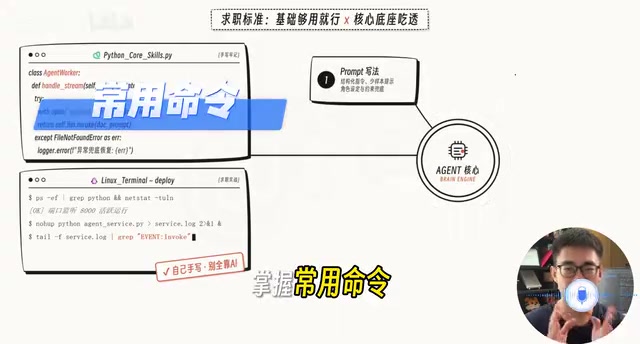
AI Agent Developer Job Hunt Guide: Four Hard Standards to Clear Before You Apply
A practical guide for landing AI Agent developer roles: four measurable standards — project runs, problems debuggable, solution explainable, interviews survivable.
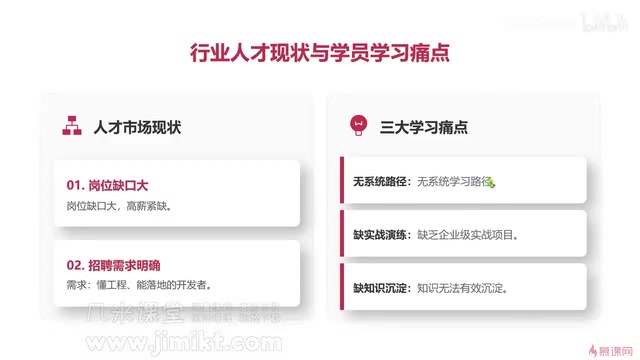
Multi-Agent Development Guide: From Monolithic AI to Team Collaboration in Practice
A beginner's guide to multi-agent development covering core advantages, common learning pain points, enterprise tech stacks, and engineering methodology for AI developers.

Agent Skill Routing: Retrieval vs. LLM vs. Two-Stage Architecture Compared
Retrieval or LLM for Agent skill routing? Compare coarse-filter vs. fine-select architectures on latency, accuracy, and cost — with 4 key production considerations.