Oracle's 6 AM Layoff Emails Spark Controversy
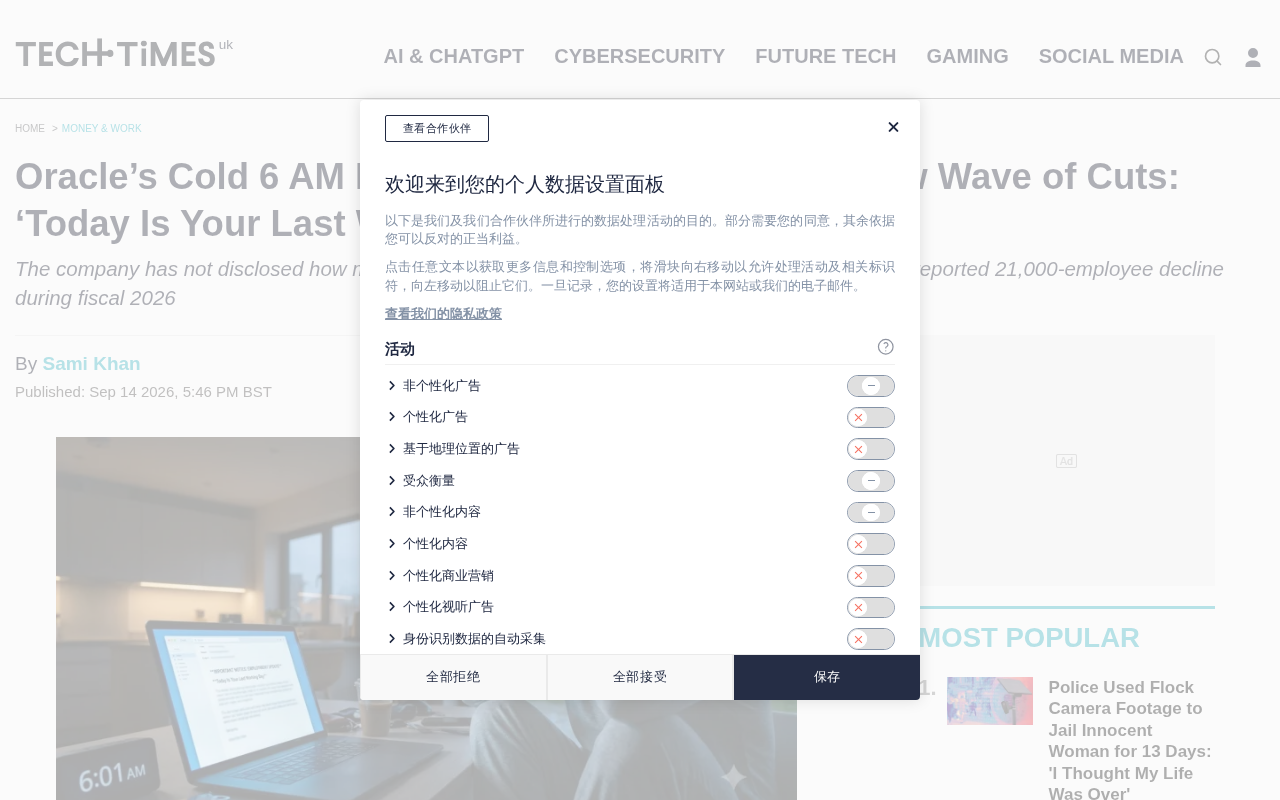
Oracle's 6 AM cold layoff emails draw backlash, highlighting a lack of empathy amid the tech industry's ongoing workforce cuts.
Oracle has launched a new round of layoffs, notifying employees through batch emails sent at 6 AM — a cold, impersonal approach that has sparked widespread criticism. Employees described the notices as "cold layoff emails," and the incident quickly became a flashpoint in public debate. Oracle's move is part of a broader tech industry trend of ongoing layoffs driven by AI-driven restructuring and capital market pressures. While the after-hours email approach may serve legal compliance or security purposes, it comes at the cost of employee dignity and long-term employer brand trust. The episode is a reminder for professionals to prioritize career resilience, and for companies to reckon with how — not just whether — they cut their workforce.
Oracle's Latest Round of Layoffs: The 6 AM Email Notification
According to foreign media reports, Oracle has recently launched a new wave of layoffs, drawing strong backlash from employees. At the center of the controversy is the company's decision to notify affected employees via email at 6 o'clock in the morning — a cold, impersonal approach that employees have described as "cold layoff emails."
For many workers, receiving a termination notice first thing in the morning with no prior warning is an undeniable blow. This batch-processed, procedural method of delivering layoff notifications reflects a broader reality: under mounting cost-control pressures, large tech companies are increasingly reducing human resources management to a mechanical exercise.
Another Chapter in the Tech Industry's Ongoing Layoff Wave
Oracle's layoffs are not an isolated incident — they are a snapshot of the sweeping wave of workforce reductions that has swept across the tech industry in recent years. Facing a combination of economic uncertainty, AI-driven organizational restructuring, and growing capital market demands for profitability, major tech companies have continued to cut headcount as a way to optimize their cost structures.
What stands out here is how the layoff notifications were handled. Compared to traditional in-person conversations or phased communication, sending a blanket email outside of working hours may be more operationally efficient, but it also exposes a significant gap in employee care. This type of approach has appeared in previous layoff events at other tech giants and has repeatedly drawn public criticism.
Why the Layoff Method Sparked Debate
Layoffs themselves are a common business decision, but how a company lays people off often says more about its culture than whether it does so. The reason a 6 AM email notification triggers such strong reactions comes down to the message it sends: employees are reduced to data entries that can be processed in bulk, rather than individuals deserving of respect and direct communication.
From a corporate management standpoint, this approach may stem from legitimate concerns — legal compliance, information security (such as promptly revoking system access), or avoiding on-site confrontations. But from the perspective of employee experience and employer branding, the cost of this cold treatment is a long-term erosion of trust that can damage the morale of remaining employees and harm the company's reputation in recruiting.
What This Means for Tech Professionals
This incident serves as yet another reminder to tech industry workers that job security is uncertain, even at top-tier companies. As structural shifts in the industry continue, personal skill development, career planning, and emergency financial preparedness become all the more critical.
For companies, how to strike a balance between cost control and human compassion remains an enduring challenge. The details of how a layoff is executed often become the ultimate litmus test for a company's values.
Note: This article is based on a brief report from Hacker News. The original information is limited, and specific details such as the scale of the layoffs and the departments affected have yet to be confirmed by more authoritative sources.
Related articles
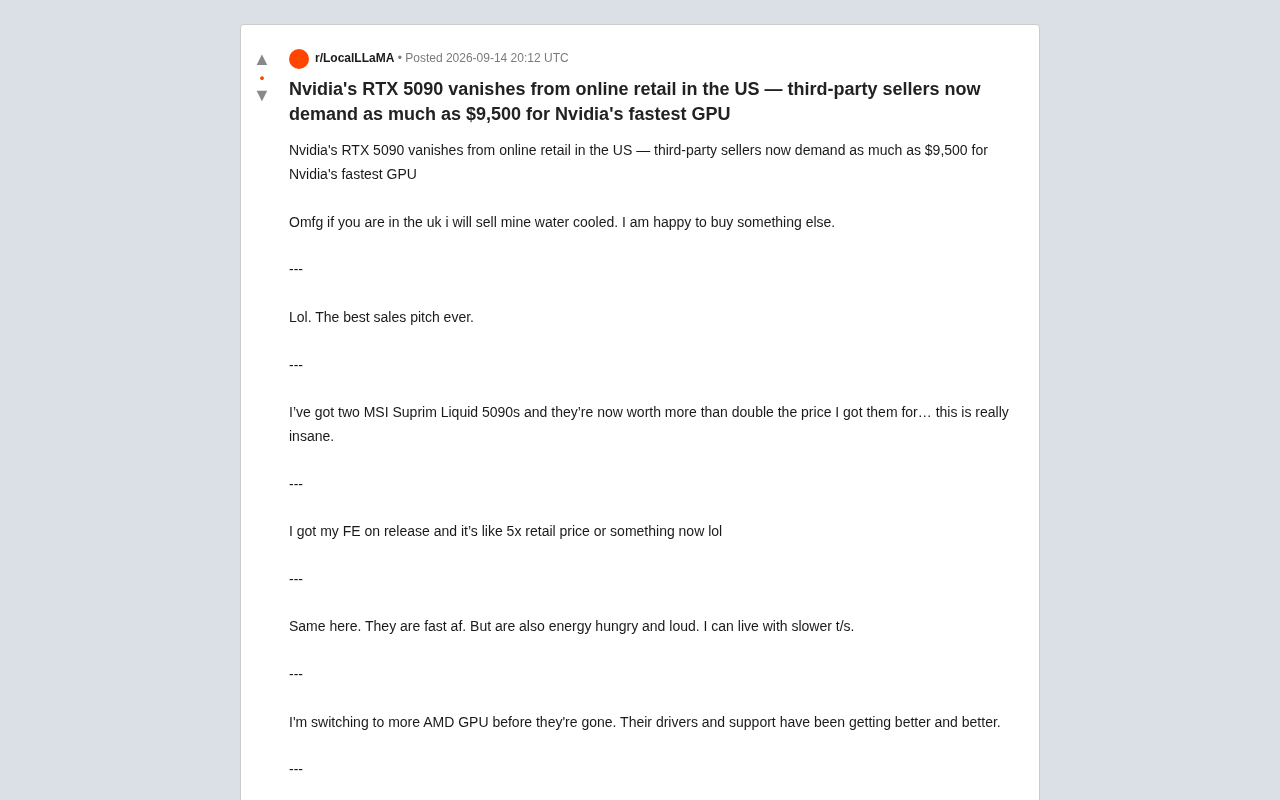
RTX 5090 Stock Crisis: Why Third-Party Sellers Are Charging $9,500
NVIDIA's RTX 5090 has vanished from U.S. online retail, with third-party sellers asking up to $9,500. Here's how AI compute demand is driving GPU prices to extremes.
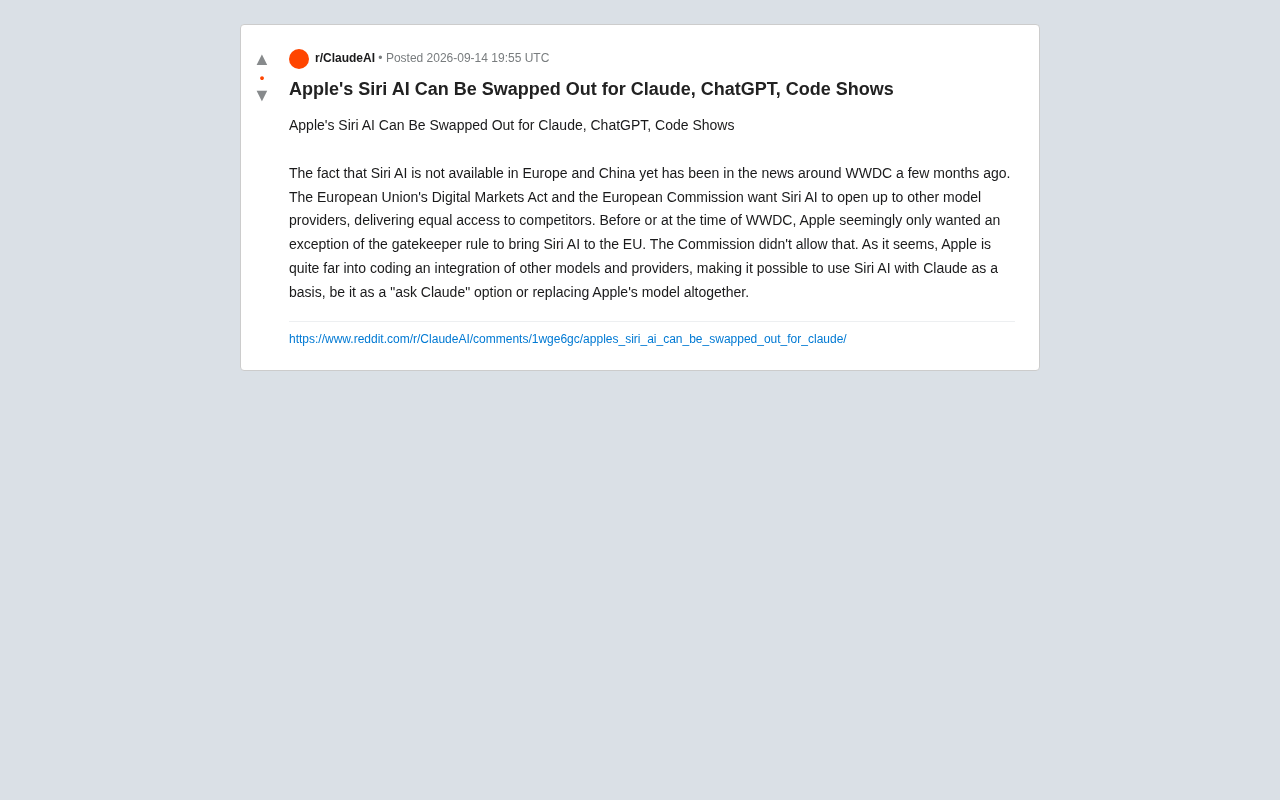
Apple Siri May Support Swapping in Claude and ChatGPT — Code Already Shows Signs
Leaked code shows Apple is developing third-party AI model integration for Siri, potentially allowing users to swap in Claude or ChatGPT under EU DMA pressure.
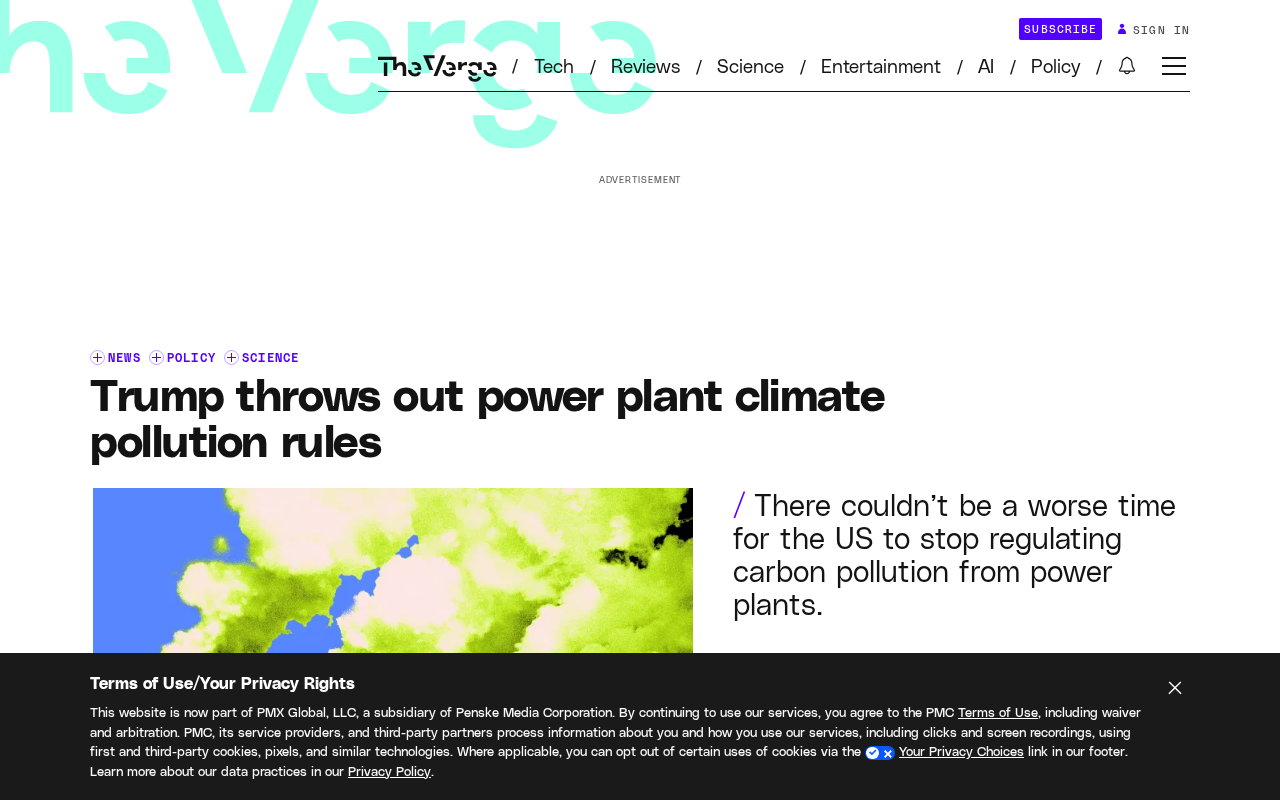
EPA Moves to Scrap Power Plant Greenhouse Gas Emission Standards Amid Surging AI Energy Demand
The EPA plans to eliminate all power plant greenhouse gas emission standards, just as AI, EVs, and manufacturing drive electricity demand higher — making U.S. power potentially far dirtier.