Ponytail: The Open-Source Project Teaching AI to Think Like the Laziest Senior Engineer

Ponytail teaches AI coding agents to think like a lazy senior engineer: when in doubt, don't write the code.
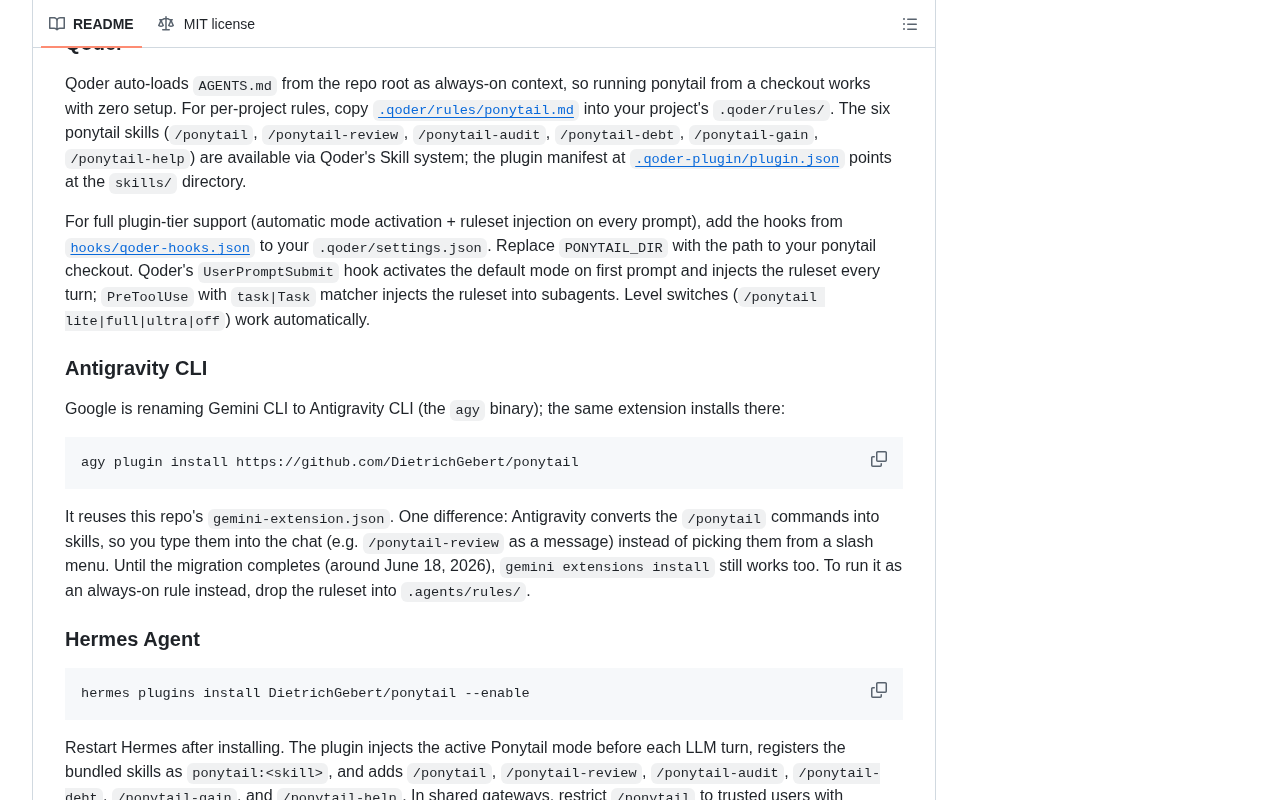
Ponytail is a fast-rising open-source project on GitHub built around one core idea: AI coding agents should think like a "lazy senior engineer" — asking whether code needs to be written before writing it. Its slogan, "the best code is the code you never wrote," speaks to a longstanding truth in software engineering. As AI tools increasingly over-generate bloated, over-abstracted code, Ponytail uses prompt engineering or agent-level constraints to make restraint the default. Its 110K+ stars and nearly 1,000 daily new stars signal a broader developer shift from asking "how much can AI write?" to "should AI write this at all?"
An Open-Source Project That Defies Conventional Wisdom
On GitHub, an open-source project called Ponytail is gaining attention at a remarkable pace — it picked up 944 new stars in a single day, pushing its cumulative count past 110,000, with over 6,000 forks. Author DietrichGebert summed up the project's philosophy with a line that's equal parts witty and profound:
"Makes your AI agent think like the laziest senior dev in the room. The best code is the code you never wrote."
This might sound tongue-in-cheek, but it captures a truth that software engineering has validated time and again: the more you write, the higher the maintenance cost, and the greater the chance of introducing bugs. Ponytail aims to instill this hard-won wisdom into today's AI coding agents.
What Does "The Laziest Senior Engineer" Actually Mean?
Laziness as Engineering Intelligence
In the software industry, calling a senior engineer "lazy" is actually a compliment. Truly experienced developers rarely rush to write code. Instead, they ask themselves first: Is this feature even necessary? Can we reuse an existing solution? Can we solve this with less code?
Ponytail's core idea is to transplant this mindset of deliberate restraint into AI agents. Most mainstream AI coding assistants (think various Copilot-style tools) share a common flaw: they tend to generate a lot of code. Ask them to implement a small feature, and they might produce hundreds of lines, pull in several dependencies, and build out an entire abstraction layer. The result looks professional, but it's often the product of over-engineering.
The Best Code Is the Code You Never Wrote
The project's slogan cuts right to the heart of it — The best code is the code you never wrote. Every line of code is a liability: it needs to be read, tested, maintained, and it can introduce new bugs. Senior engineers know this well, which is why their first instinct is usually "can we avoid writing this?" rather than "how should we write this?"
Ponytail encourages AI agents to think reductively before proposing a solution:
- Does this requirement actually need new code?
- Is there an existing library, function, or pattern that can be reused?
- Can we achieve the same goal in a simpler way?
- Is the added complexity worth it?
What Pain Points Does Ponytail Address?
Fighting AI's "Over-Generation" Tendency
As large models grow more capable, AI agents generate code faster than ever — but speed doesn't always equal quality. More and more developers are reporting that AI-generated code tends to be redundant, over-abstracted, and bloated with dependencies. This code works fine in a demo, but once it enters a real project and needs long-term maintenance, it becomes a breeding ground for technical debt.
Ponytail's value lies not in making AI write more or faster, but in teaching it to hold back. This philosophical shift is, in many ways, closer to the essence of real engineering practice than simply improving code generation quality.
Upgrading from "Can Write" to "Should I Write?"
Traditional AI coding tools optimize for generation quality. Ponytail optimizes for decision quality — figuring out whether to act before figuring out how to act. This upfront layer of thinking is precisely the biggest gap between junior developers and senior ones.
What the Explosive Growth Is Signaling
Key Metrics at a Glance
The public numbers paint a striking picture:
| Metric | Value |
|---|---|
| Total Stars | 110,229 |
| Daily New Stars | 944 |
| Forks | 6,070 |
| Primary Language | JavaScript |
Over 110,000 stars means this isn't a flash-in-the-pan newcomer, while nearly 1,000 new stars per day shows it's still on an upward trajectory.
A Collective Resonance in the Developer Community
Ponytail's rise reflects a broader moment of reflection in the developer community about the current AI coding paradigm. As "AI writes code" shifts from novelty to routine, people are increasingly focused on maintainability and soundness of the output — not just volume and speed. A tool that encourages AI to "write less, write well, or don't write at all" hits a collective nerve.
A Grounded Take: A Vehicle for an Idea
To be fair, based solely on the project's title and description, it's impossible to fully evaluate Ponytail's implementation details or real-world effectiveness. Whether it achieves its "lazy thinking" through prompt engineering, rule-based constraints, or deeper agent architecture is something that requires examining the source code more closely.
But regardless of implementation, the idea itself carries real value:
- Less is more: In the age of AI-assisted programming, restraint is rarer and more valuable than output.
- Engineering judgment over generation capability: Teaching AI to think like a senior engineer matters more than teaching it to write faster.
- Technical debt awareness: Every line of code has a cost, and AI should be accountable for that too.
Closing Thoughts
Ponytail wraps a serious engineering proposition in a slightly humorous name and slogan. At a time when everyone is chasing "AI that writes more code," it pushes back — reminding us that true mastery often lies in knowing what not to write.
For developers currently using AI coding assistants, Ponytail offers at least one direction worth thinking about. Rather than turning AI into a tireless code-generation machine, why not teach it to think like the laziest — and smartest — senior engineer in the room? To pause, and ask: does this line of code really need to exist?
Related articles
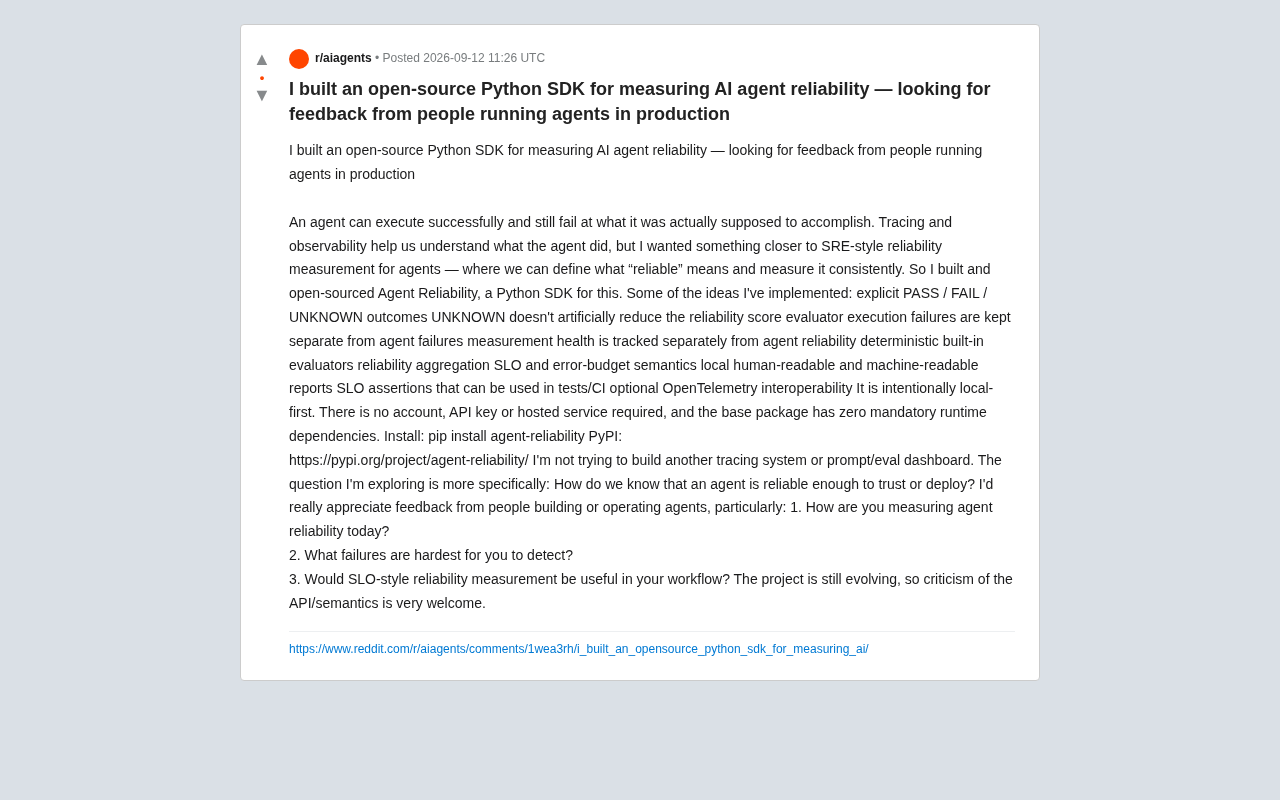
Open-Source Python SDK: Measuring AI Agent Reliability with SRE Principles
Agent Reliability is an open-source Python SDK that applies SRE's SLO and error budget concepts to AI Agent evaluation, with PASS/FAIL/UNKNOWN states, CI assertions, and zero forced dependencies.
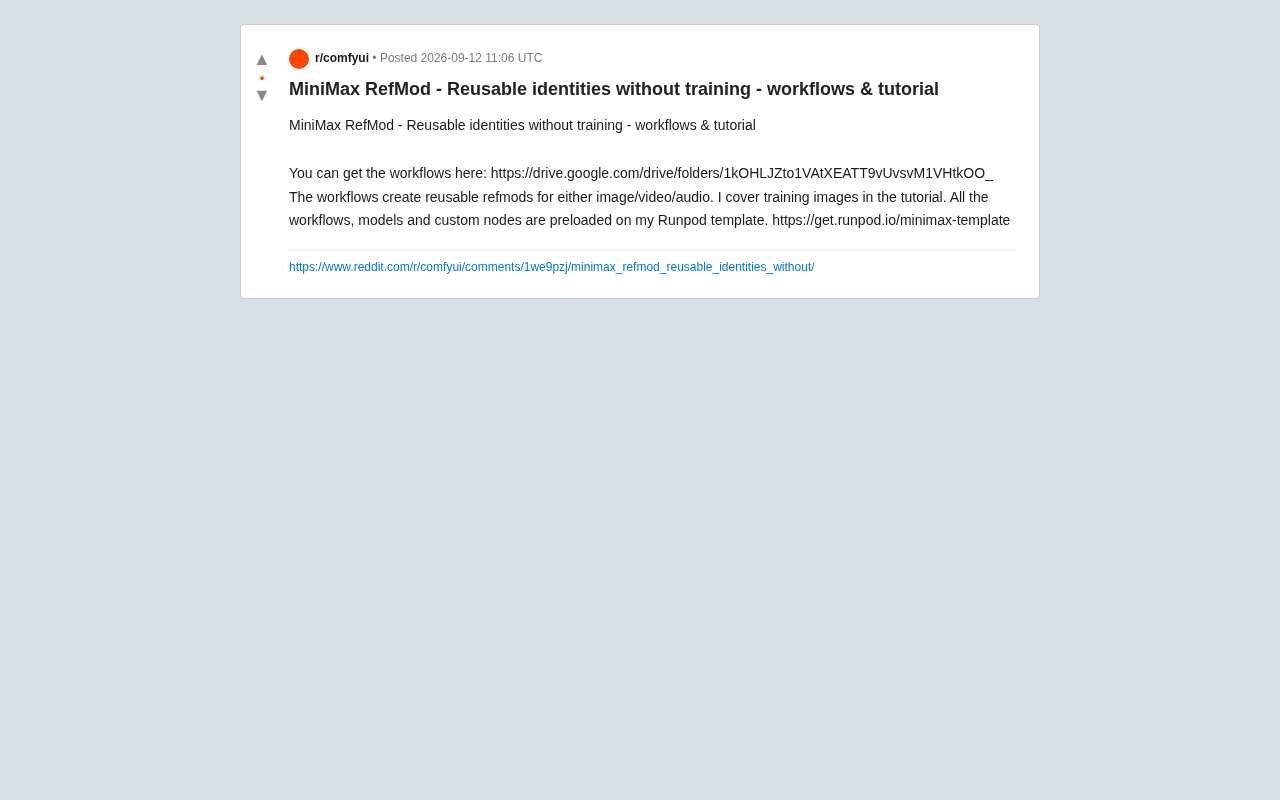
MiniMax RefMod: A Complete Guide to Training-Free Reusable Identity Workflows
MiniMax RefMod offers training-free reusable identity workflows for image, video, and audio generation. Includes Runpod template and tutorial for quick setup.

Invalid Source Material Notice
The source material provided lacks substantive information and is unrelated to AI/tech topics, making it impossible to produce a complete professional article.