Portable Computer Comes to Windows: Run AI Agents Locally with RTX GPUs
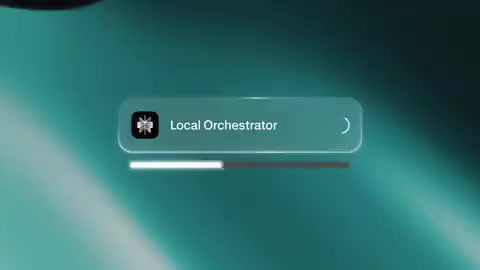
Portable Computer brings local AI agents, harnesses, and models to Windows RTX PCs with a privacy-first, hybrid cloud architecture.
Portable Computer now supports Windows PCs with NVIDIA RTX GPUs, running AI agents, execution harnesses, and model inference entirely on-device — no cloud uploads required for local files or connected apps. The core selling point is data privacy and compliance, making it particularly relevant for sensitive industries like legal, healthcare, and finance. Rather than going fully local, the product adopts a hybrid approach: routine tasks run on-device, while high-complexity workloads can call frontier cloud models on demand. The launch further deepens the tie between RTX consumer GPUs and AI software ecosystems, reflecting a broader industry shift from pure cloud toward edge-first AI deployment.
Local AI Agents Arrive on Windows
Portable Computer has officially launched on Windows PCs equipped with NVIDIA RTX GPUs. The core value proposition is straightforward: AI agents, execution harnesses, and models all run locally on the device — no cloud uploads required for complex AI operations.
For an AI tooling ecosystem that has long depended on cloud APIs, this sends a clear signal: local compute is becoming a serious delivery path for AI applications. RTX GPUs, with their CUDA and Tensor Core acceleration, provide the hardware foundation needed to run small-to-mid-sized models and inference workloads on consumer PCs.
Three Core Capabilities: Harness, Agents, and Local Models
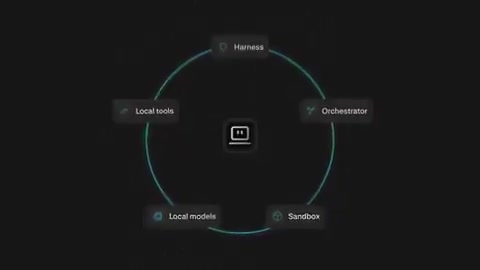
According to the official announcement, Portable Computer delivers three layers of local execution on Windows:
- Harness (execution framework): The underlying container responsible for scheduling and running AI tasks. Running locally means task orchestration no longer depends on remote servers.
- Agents: AI units capable of autonomously executing multi-step tasks, completing inference and action loops directly on the local machine.
- Models: Model weights and inference processes stay on the local device, eliminating round-trip latency to external services.
Taken together, this stack moves a complete AI workflow loop onto the user's own machine — rather than simply providing a frontend interface that calls out to the cloud.
Privacy and Data Sovereignty as Key Selling Points
The company emphasizes that users can work directly with local files and connected applications without sending those tasks to the cloud. This design addresses one of the most contested pain points in AI tooling today: data privacy and regulatory compliance.
For scenarios involving sensitive documents, internal corporate data, or personal information, local execution means data never leaves the machine — inherently eliminating the risk of exposure through uploads. This is especially compelling for industries with strict data sovereignty requirements, such as legal, healthcare, and finance.
A Hybrid Local-Cloud Strategy
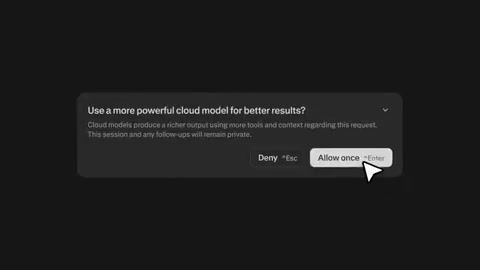
Notably, Portable Computer doesn't pursue a purely local approach. Instead, it adopts a hybrid model: everyday tasks run locally, while more demanding workloads can still call on frontier cloud models when needed.
This design choice is pragmatic. Local devices are constrained by VRAM and compute capacity, making it difficult to run the most powerful large models. By routing high-complexity, resource-intensive tasks to the cloud on demand, the product preserves a privacy-first default experience without sacrificing raw capability. This reflects a broader trend in AI application architecture: local-first, with cloud as a fallback.
Potential Industry Implications
The wider adoption of local AI agents could reshape the competitive landscape for AI tools. On one hand, it reduces dependence on cloud subscriptions and API call costs. On the other, it further underscores the value of consumer GPUs like NVIDIA's RTX line, tightening the relationship between hardware and AI software ecosystems.
That said, the real-world experience will depend on several variables: the capability ceiling of locally run models, how well the software adapts to different RTX VRAM tiers, and how deeply the harness integrates with local files and applications. These details remain limited in publicly available information and will require hands-on testing to fully evaluate.
For users and developers who prioritize data privacy and want to reduce cloud dependency, Portable Computer's arrival on Windows is a development worth watching.
Related articles
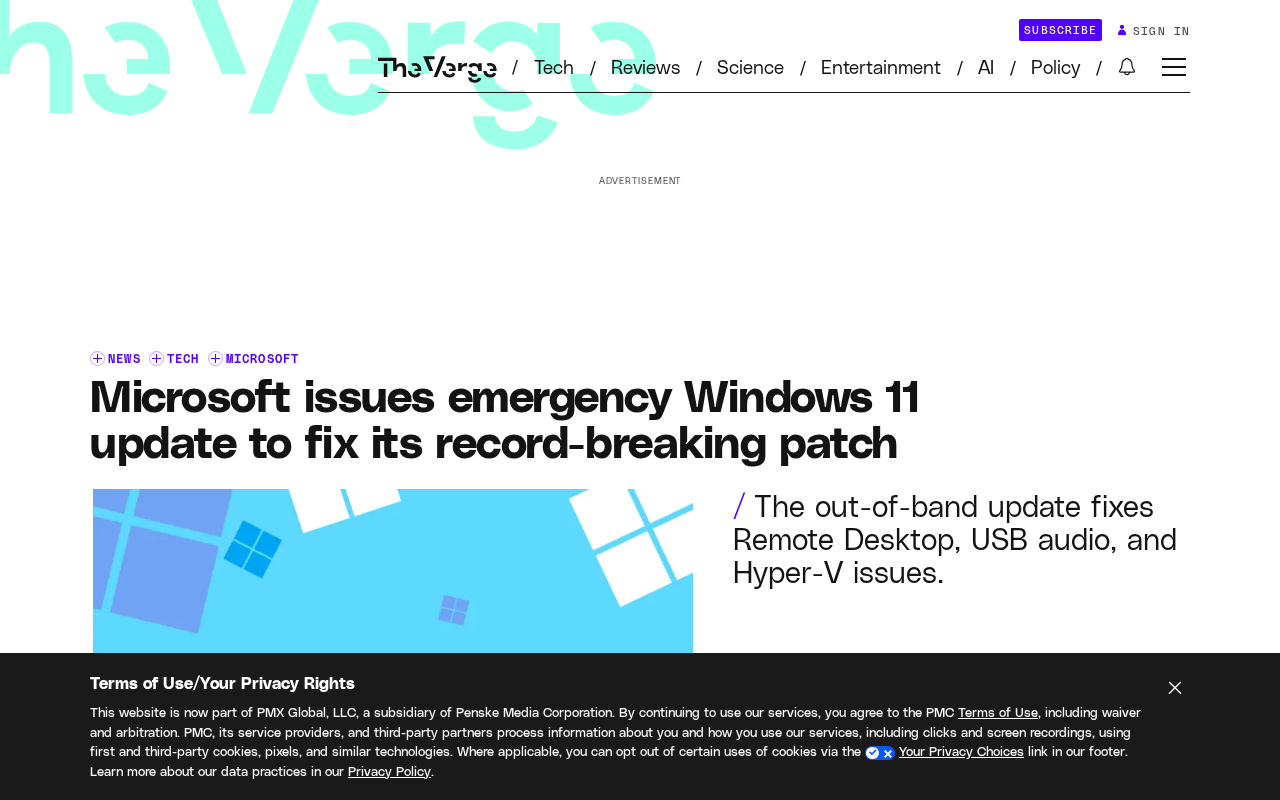
Microsoft Issues Emergency Windows 11 Patch to Fix Bugs Caused by Its Largest-Ever Update
Microsoft pushed an emergency out-of-band Windows 11 update to fix bugs introduced by its largest-ever September Patch Tuesday, which fixed nearly 1,000 vulnerabilities but broke Hyper-V folder sharing.
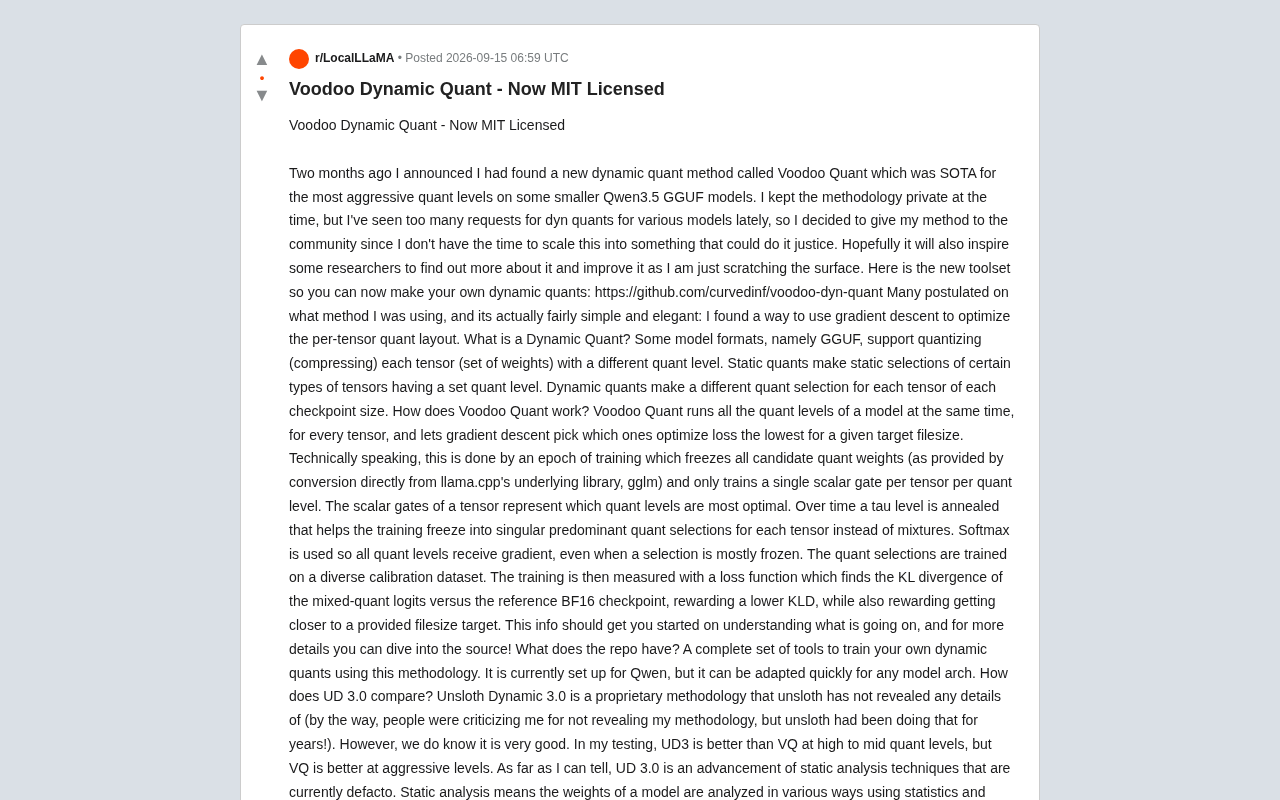
Voodoo Dynamic Quant Goes Open Source: Using Gradient Descent to Optimize Model Quantization
Voodoo Dynamic Quant (VQ) is now MIT-licensed open source. It uses gradient descent to optimize per-tensor GGUF quantization, outperforming Unsloth Dynamic 3.0 at aggressive low-bit levels.
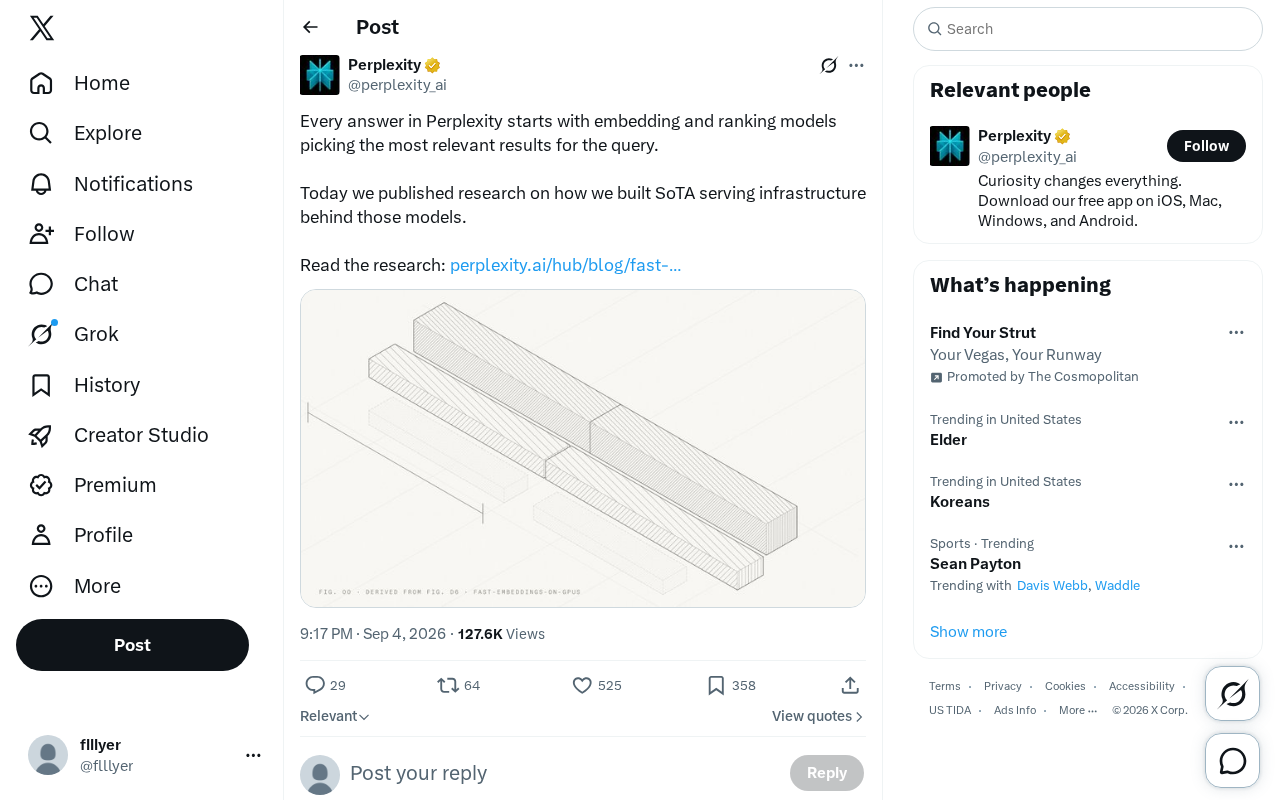
Perplexity Reveals: The Embedding and Ranking Model Serving Infrastructure Behind AI Search
Perplexity reveals the serving infrastructure behind its AI search embedding and ranking models, showing how retrieval quality shapes answer accuracy and speed.