publicdesktop.lol: Buy a Permanent Icon Spot on the Internet's Public Desktop for $10

Pay $10 for a permanent icon on the internet's shared public desktop — a creative indie experiment.
publicdesktop.lol is a creative internet experiment styled as a shared public computer desktop. Users can buy permanent icon ad slots for $10 or bid to control the music playing for all visitors. Built by indie developer Serhan, the project channels the spirit of the Million Dollar Homepage into a more interactive format, blending digital ownership, social bidding, and viral potential into a lightweight, fun concept.
A "Public Computer" That Belongs to the Whole World
Among the many creative experiments in the digital world, publicdesktop.lol is undoubtedly one of the most conversation-worthy projects. Its premise is simple yet fun — it's the "Public computer of the internet." Users can spend $10 to buy a permanent icon spot on this "public computer's" desktop, or bid to control the public song it plays.
This concept easily brings to mind the sensational "The Million Dollar Homepage" from 2005 — which made a million dollars by selling pixel ad slots. publicdesktop.lol takes this "digital ownership" concept and places it in a far more interactive setting: a virtual desktop shared by everyone.
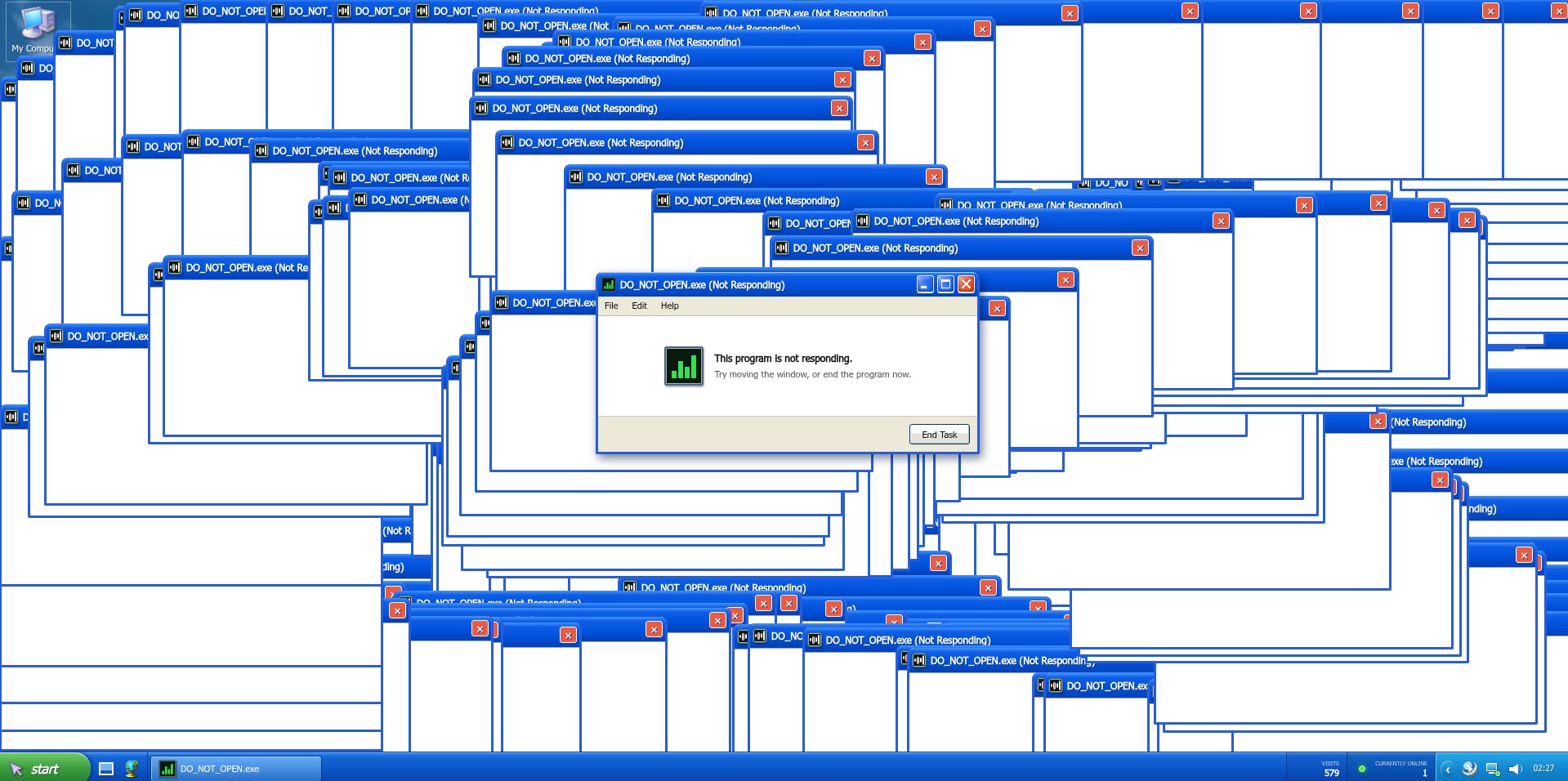
The project was built by indie developer Serhan. After launching on Product Hunt, it garnered 83 upvotes and ranked 6th on the daily leaderboard, categorized under Design Tools, Icons, and Marketing.
Core Mechanics of publicdesktop.lol: Icon Ad Slots & Public Song Bidding
Buy a Permanent Icon Spot for $10
The first layer of gameplay on publicdesktop.lol is "buying real estate." For $10, users get a permanent icon spot on this public computer's desktop. The icon can link to your website, product, social media account, or anything else you want to promote.
For indie developers, entrepreneurs, or brands, this is an extremely low-cost digital ad slot. Since the placement is permanent, as more and more people visit this "public computer," early buyers theoretically gain increasing exposure value over time — which is exactly the key logic behind replicating the Million Dollar Homepage's success.
Bid to Control the Public Song
The second layer is more dynamic and entertaining — users can bid to control the song currently playing on this public computer. The highest bidder gets to decide what music all visitors hear.
This "bid-to-take-control" mechanism introduces elements of social game theory: it's no longer a static display of ad slots, but an ongoing battle that can be disrupted at any moment. This design cleverly generates buzz and viral potential.
Why Internet Experiments Like This Attract Widespread Attention
Nostalgia for Digital Ownership Meets Fresh Gameplay
The popularity of publicdesktop.lol reflects internet users' enduring fascination with the concept of "digital ownership." From the Million Dollar Homepage to the NFT craze, to various "buy a pixel" experiments, people have always harbored a uniquely romantic imagination about "owning a dedicated spot on the internet."
Setting the scene as a "public computer desktop" evokes nostalgia for early personal computers and shared terminals, while giving it a modern interactive experience. This emotional resonance is a major reason it quickly accumulated votes on Product Hunt.
A Minimalist Business Model Blueprint for Indie Developers
From a product perspective, publicdesktop.lol is a textbook "lightweight" indie project: the concept is clear, the implementation barrier is low, and the monetization path is straightforward (paid icons + song bidding). It doesn't rely on a complex tech stack, but drives growth through a fun idea and social dynamics.
For the indie developer community, projects like this are inherently inspiring — a great idea doesn't necessarily require a large team or complex technology. Tapping into a point of human resonance is often enough to spark viral spread.
Potential Limitations & Long-Term Challenges for publicdesktop.lol
Of course, projects like this also face obvious "lifecycle" issues. The Million Dollar Homepage gradually faded into obscurity after its initial wave of publicity, and the value of its ad slots declined accordingly. publicdesktop.lol faces the same challenge: its value is highly dependent on sustained traffic and buzz.
Once the novelty wears off, willingness to buy icon spots or bid on songs could drop significantly. Additionally, permanent icon placements mean limited desktop space, and balancing "scarcity" with "ongoing monetization" is a problem the project will need to address for long-term operation.
However, as a playful internet experiment, the significance of publicdesktop.lol may not lie in long-term commercial success, but in proving once again that the internet remains a playground where creativity grows freely.
Conclusion: Simple and Fun Is an Internet-Native Value in Itself
publicdesktop.lol uses the clever metaphor of a "public computer desktop" to blend digital ownership, social bidding, and viral spread into one package. It's both a tribute to the classic Million Dollar Homepage and a vivid embodiment of the indie developer creative spirit. Regardless of how far it ultimately goes, projects like this — simple, fun, and brimming with internet-native energy — always remind us that being fun is, in itself, a form of value.
Related articles

Meta vs. Publishers: The AI Data Battle Over Terms of Service Changes and the Future of the Internet
Meta changed its business account terms to allow AI training on linked website data, sparking backlash from publishers and creators. Industry groups demanded negotiations, forcing Meta to remove 'training' wording and delay the effective date. The dispute reveals the deeper battle over data authorization and the future of the internet in the AI era.
When Outside Xbox Meets Blood on the Clocktower: A Legion Match in Minecraft
Outside Xbox guests Ellen and Mike play Minecraft Blood on the Clocktower in a Legion game. How can three good players fight an evil majority amid information noise? This article breaks down Legion mechanics, information-role mind games, and the endgame reversal.

Kimi K3.1 Hands-On Test: Open-Source Model Nears Opus, Video Generation Steals the Show
Kimi K3.1 completed motion graphics, 3D rendering, mini-games, and video generation in a live test. Analysis of its 2.8T MoE architecture, gap vs Opus/GPT, and hidden video generation.