Python Learning Path for Beginners: A Complete Breakdown of Three Core Modules

A structured three-module Python course taking beginners from syntax basics to real-world projects.
This article breaks down a comprehensive Python curriculum for absolute beginners, organized into three progressive modules: Fundamentals (variables, data types, functions), Intermediate (OOP and functional programming), and Hands-On Practice (web scraping, office automation, data analysis). It also covers supplementary resources like mind maps and installer packages, plus practical study tips.
Why Beginners Need a Structured Python Course
Many people who want to get into programming share a common frustration: tutorials are everywhere online — from videos with millions of views to obscure ones with just a few hundred — but stitching them together rarely leads to a coherent learning experience. This was exactly the core problem the creator of this Python course set out to solve. After spending a month revisiting various Python tutorials on Bilibili from the perspective of a complete beginner, his conclusion was clear: most tutorials are neither systematic nor complete.
This observation cuts to the heart of what beginners actually struggle with. Learning to code isn't about stacking up isolated facts — it requires building skills progressively. Scattered videos often leave learners stuck in an awkward gap: they understand each concept individually, but when it comes to actually building something, they don't know where to start. A well-structured Python curriculum matters precisely because it offers a clear learning trajectory and a gradually increasing difficulty curve.
It's also worth noting why Python itself makes such a strong case as a first programming language. Created by Dutch programmer Guido van Rossum and released in 1991, Python was designed around code readability and clean syntax — compared to Java or C++, Python reads closer to natural English, significantly lowering the cognitive load for beginners. Python has topped the TIOBE programming language index for several consecutive years, and its thriving ecosystem — over 500,000 third-party packages on PyPI — has made it ubiquitous across web development, data science, artificial intelligence, and automation. That's why Python remains the go-to entry point for beginners.
Three Modules: A Complete Path from Python Basics to Real-World Projects
This course divides the learning journey into three modules: Fundamentals, Intermediate, and Hands-On Practice, forming a clear progression from zero to job-ready.

Fundamentals: Building a Solid Python Foundation
The fundamentals module starts with an introduction to Python and environment setup, then covers core concepts including variables, data types, control flow, and functions. These are the universal building blocks of any programming language — and the exact spots where beginners most often get stuck. Variables and data types may seem straightforward, but truly understanding why we distinguish between integers, strings, and lists takes real practice. Control flow (if/for/while) is the first genuine exercise in logical thinking, while functions introduce the ideas of code reuse and modularization.
One thing worth highlighting: environment setup is often the biggest invisible barrier for beginners. Key challenges include Python version management (the legacy Python 2 vs. Python 3 split, plus version conflicts between projects), configuring pip and mirror sources, creating isolated virtual environments with venv or conda, and choosing an IDE — the two most popular options being PyCharm and VS Code. For learners heading into data science, the Anaconda distribution is a particularly popular choice, as it bundles the Python interpreter, the conda package manager, and hundreds of commonly used scientific computing libraries into a single install, eliminating most environment headaches. This is where a bundled software installer included with the course truly earns its value.
Intermediate: Writing Clean, Efficient Python Code
The goal of the intermediate module is to move learners from "can write code" to "writes good code." This stage covers two major programming paradigms — Object-Oriented Programming (OOP) and Functional Programming — along with Python's advanced features and practical techniques.
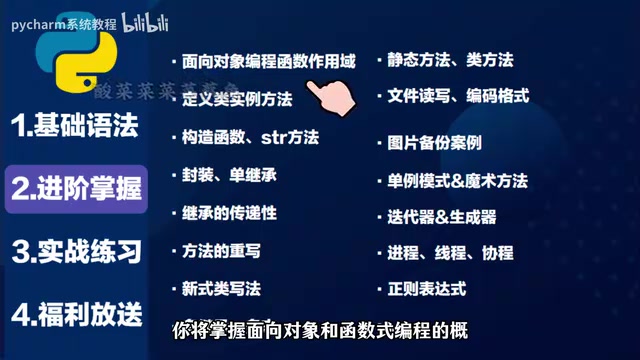
Understanding the difference between these two paradigms is critical. Object-Oriented Programming (OOP) centers on "objects" — it encapsulates data and behavior inside classes and organizes code through inheritance, encapsulation, and polymorphism. It's well-suited for building large, complex software systems. Functional Programming (FP), on the other hand, treats computation as the evaluation of mathematical functions, emphasizing immutable data and side-effect-free operations. Python features like lambda, map, filter, and list comprehensions all fall into this style. The two paradigms aren't mutually exclusive — Python is a multi-paradigm language, and experienced developers switch between them based on context. Mastering both ways of thinking is what separates professional-grade code from beginner code.
A common pitfall among self-taught learners: they rush into projects after only completing the fundamentals, ending up with bloated, hard-to-maintain code. The intermediate module is the critical bridge that fills this gap.
Hands-On Practice: Turning Python Knowledge into Deliverable Skills
The hands-on practice module is the most exciting part of the course. It walks learners through real-world projects, including:
- Web Scraping: Crawling images, videos, and other online resources
- Office Automation: Using Python to replace repetitive Excel and document processing tasks
- Data Storage and Analysis: Storing, cleaning, and analyzing collected data
On Web Scraping: At its core, web scraping means writing programs that simulate browser behavior and automatically extract content from web pages. The most commonly used Python libraries include requests (for sending HTTP requests and fetching page source code), BeautifulSoup/lxml (for parsing HTML and extracting data), and Scrapy (a professional scraping framework for large-scale crawls). For dynamically rendered pages, tools like Selenium or Playwright are used to control a real browser. Learning web scraping doesn't just teach data collection — it builds a deep understanding of HTTP protocols, HTML document structure, and web fundamentals, making it one of the broadest knowledge areas in Python practice.
On Office Automation: The core libraries for Python office automation include openpyxl and pandas (for reading, writing, and processing Excel files), python-docx (for generating and editing Word documents), python-pptx (for automating PowerPoint presentations), and PyAutoGUI for simulating mouse and keyboard input to automate desktop workflows. The immediate practical payoff here is hard to overstate — even basic pandas skills can compress hours of repetitive data wrangling into a few seconds of script execution, making this arguably the highest-ROI application of Python for working professionals.
The hands-on module is results-oriented by design, directly answering the question that adult learners care about most: What can I actually do with this? What real problems can it solve?
Supplementary Resources and Study Tips
Beyond the video content, this course comes with a full set of supplementary materials: learning mind maps, software installation packages, lecture notes, and e-books — all designed to reduce the friction of getting started from zero.

Mind maps are especially valuable in Python learning because they help beginners see how concepts connect to each other, rather than treating each topic in isolation. Python's knowledge base is large and deeply interconnected — for example, truly understanding list comprehensions requires a simultaneous grasp of list data types, for loops, and conditional statements. A mind map makes these dependencies visible, helping learners quickly pinpoint knowledge gaps when they hit a wall. The software installation package addresses what is often the first thing that makes beginners quit — environment configuration is a notorious stumbling block, and having a ready-to-use installer can save hours of troubleshooting.
A Realistic Take on "Fast-Track" Claims
Coding is a skill, and genuine mastery takes sustained practice and project work. The value of a structured course lies in providing a clear path and complete resources — but whether you actually master Python ultimately comes down to the time and effort you put in.
For Python beginners, here are some more grounded recommendations:
- Progress through modules in order — don't skip the fundamentals to rush into projects
- Write code after every concept you learn — programming ability is built through practice, not passive watching
- Use the included mind maps to organize your mental framework and build a holistic picture of the language
- Once you reach the hands-on module, actively modify the projects — try applying what you've learned to problems you actually face
Conclusion
The core value of this structured Python course is that it solves the biggest pain point for self-taught learners: fragmented, piecemeal learning. Through the progressive design of three modules — Fundamentals, Intermediate, and Hands-On Practice — combined with mind maps, installer packages, and lecture notes, it gives beginners a relatively complete and coherent path forward.
For anyone serious about learning Python, following a structured curriculum is far more efficient than cobbling together random tutorials. As the world's most popular programming language, Python's value extends well beyond job market demand — it's a versatile tool that transcends professional boundaries. Whether you're a data analyst, researcher, or product manager, knowing Python means having the ability to automate repetitive work and turn raw data into actionable insights. That said, any course is just a tool. Programming skill ultimately comes from consistent hands-on practice. Sticking with the modules and putting in the reps is the only real path from zero to Python developer.
Key Takeaways
Related articles
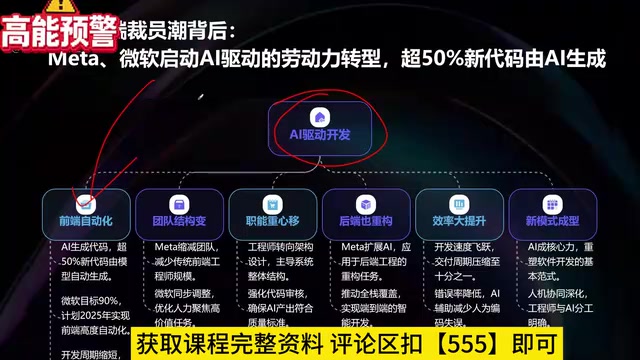
What Is Vibe Coding? The AI Programming Skill Every Developer Needs
What is Vibe Coding? Learn how AI programming is reshaping dev teams, why traditional programmers face displacement, and why Cursor & Claude Code matter.
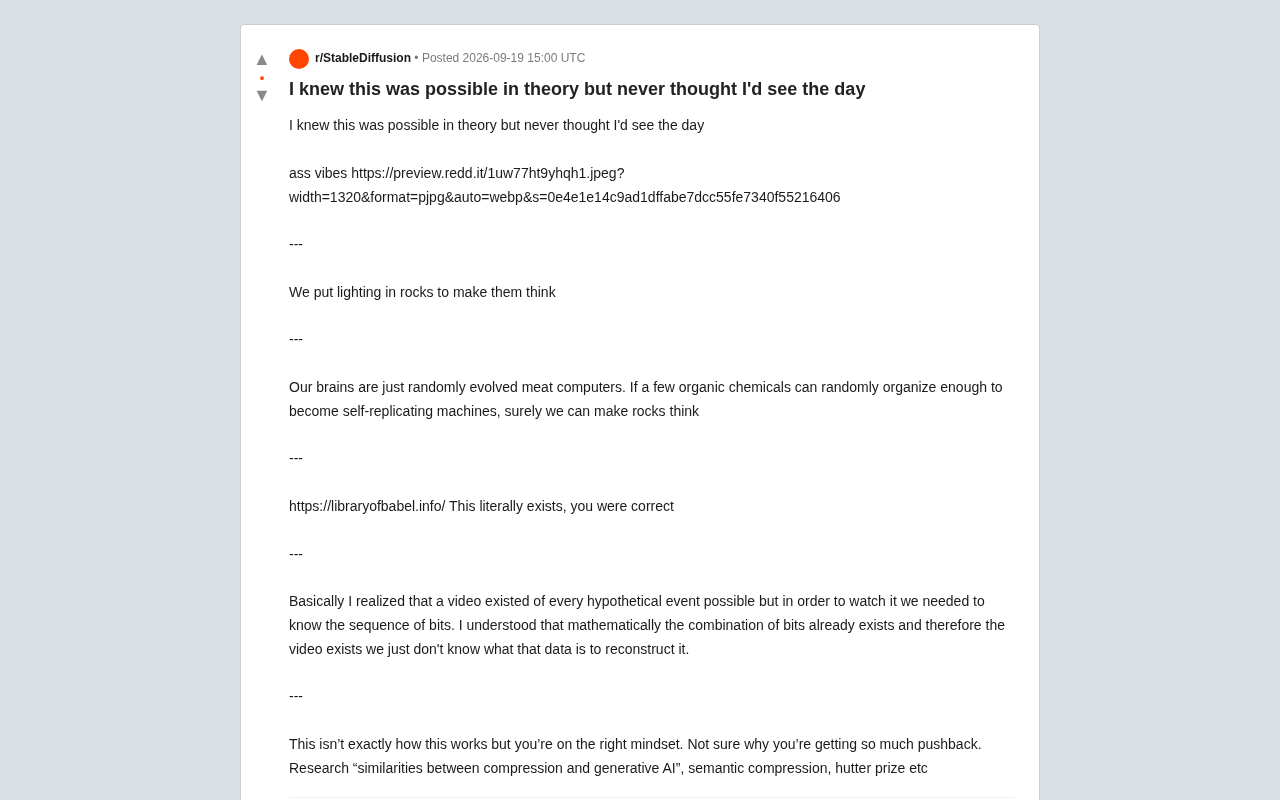
Making Rocks Think: A Philosophical Exploration of Generative AI and Information Compression
From a viral Reddit post to deep AI theory: why compression equals understanding, the Library of Babel thought experiment, semantic compression, and the Hutter Prize.
Irregular Warns: Four AI Lab Security Breaches Traced to the Same Root Cause
Irregular reveals four AI lab security breaches share a single root cause, exposing systemic risks from technology stack homogeneity across the AI industry.