Quxnet: A Breath of Fresh Air on HN — Why Small Projects Resonate
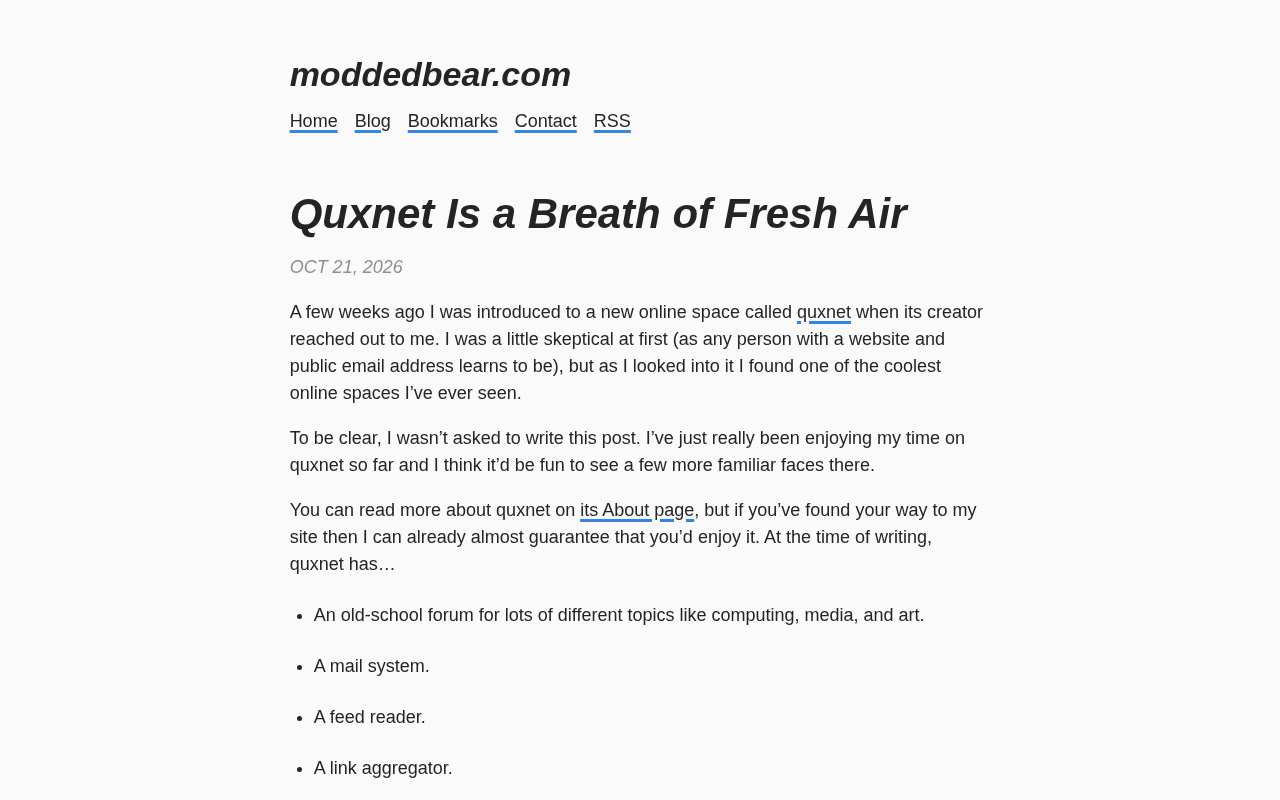
Quxnet was called a breath of fresh air on Hacker News for its restraint and pragmatism, reflecting the community's hunger for authenticity.
Starting from a Hacker News discussion titled "Quxnet Is a Breath of Fresh Air," this article analyzes why a small project can achieve high recognition with limited buzz. It notes that the tech community has long been dominated by homogeneous LLM narratives and funding news, prompting developers to return to a focus on practicality, authenticity, and restrained expression. Quxnet's positive reception points more to the project's character than specific features, and its discussion pattern fits the common traits of small projects gaining high-quality interaction on HN. The author also emphasizes that available information comes mainly from a single discussion thread lacking multi-source corroboration, so no excessive inferences are made about technical details, and distills lessons for indie developers such as doing subtraction and valuing discussion quality.
Starting from a Hacker News Discussion
Every day, countless projects are submitted, discussed, and forgotten on Hacker News. Recently, a project called Quxnet sparked a small but intriguing discussion — the post title "Quxnet Is a Breath of Fresh Air" is itself a statement of attitude: in a tech community flooded with large models, funding news, and homogeneous products, the fact that a project can make people feel "fresh" is worth analyzing in its own right.
Based on public discussion, Quxnet didn't receive particularly high attention, but the interaction in the comments section shows it genuinely appealed to a subset of developers. This combination of "low heat, high认同" — low buzz, high resonance — tends to appear in small projects with precise positioning that solve specific pain points.
Hacker News is a tech community under Y Combinator, known for its minimalist interface and voting-based ranking mechanism. After users submit links, posts are ranked by a formula of "time decay + vote count," so front-page placement depends heavily on the quality of early interaction. HN culture in the comments section emphasizes critical discussion and authors replying in person; the community is highly wary of hard-sell marketing and excessive packaging — which contrasts with the "unassuming" and "restrained" qualities mentioned in the article.
Behind "A Breath of Fresh Air": A True Reflection of Community Sentiment
The Source of Fatigue
The tech community's fatigue with "the next big thing" is long-standing. When the front page is repeatedly dominated by similar tech narratives, developers' expectations for unfamiliar projects return to the most basic standards: Is it actually useful? Was it carefully crafted by an individual or small team? Is it not in a hurry to sell you something?
The positive reaction Quxnet received largely comes from this sense of expectations being met. The comments described it as a "breath of fresh air" — a phrase that doesn't describe specific features but precisely conveys users' judgment of the project's character: restrained, pragmatic, unassuming.
"Homogeneous narratives" in the tech community typically manifest as: large numbers of projects rapidly packaged around the same wave of hype (such as LLM applications), with highly similar titles and positioning and a lack of differentiated trade-offs. This oversupply creates attention fatigue, and evaluation criteria fall back from "Is it trendy?" to "Does it actually solve a problem?" The so-called "breath of fresh air" is a judgment of character, emphasizing the project's sincerity in expression and functional boundaries rather than technical sophistication.
Revaluing Small Projects
This is not an isolated case. In recent years, small tools and experimental projects have repeatedly gained discussion heat far exceeding their scale on Hacker News. They typically share common traits: the author participates in discussion personally, technical choices involve clear trade-offs, and there's no pursuit of being all-encompassing. Quxnet's discussion follows the same pattern: limited heat, but above-average discussion quality.
The common effective strategy for independent developers on Hacker News is "Show HN" posts, where authors personally introduce their projects and respond to comments. Successful cases often feature clear functional boundaries, reproducible explanations of technical trade-offs, and the author's presence in the discussion. The community's recognition of "subtraction" is essentially recognition of product definition ability: knowing what not to do often demonstrates a better understanding of the problem domain than piling on features.
Observations from Multi-Source Cross-Validation
It should be noted that public information about Quxnet mainly comes from a single discussion thread on Hacker News, and there is currently a lack of analysis or independent reviews from other platforms as corroboration. Therefore, this article does not make inferences about technical details beyond the scope of the source material.
Confirmed consensus information includes: the project received positive evaluations on Hacker News, the discussion title directly positioned it as "a breath of fresh air," and while the number of comments was small, it was not ignored. As for the project's specific technical implementation, use cases, and author background, the available material does not provide sufficient information; interested readers can consult the original project link themselves.
Takeaways for Developers
Subtraction Is Harder Than Addition
The key to a small project gaining recognition often lies not in the number of features but in the willingness to cut away unnecessary parts. When most products are competing for attention, a project that doesn't try to please everyone is more likely to be remembered. Quxnet's case shows that the community still has patience for projects with "personality."
Discussion Quality Matters More Than Heat
For independent developers, one in-depth technical discussion is more valuable than extensive shallow exposure. Hacker News's comment mechanism naturally filters for users willing to spend time reading and thinking, and this kind of feedback is far more helpful for a project's iteration direction than likes on social platforms.
Under Hacker News's ranking and comment mechanisms, high heat does not equal high-value feedback. Shallow exposure tends to produce brief statements, while in-depth comments usually require readers to understand the project background and raise specific questions. For independent developers, such feedback can expose design blind spots and validate real needs, offering significantly higher iteration reference value than likes or reposts on social platforms.
Conclusion
Quxnet itself may not become a phenomenal project, but the fact that it was called "a breath of fresh air" reflects the tech community's ongoing need for authenticity and restraint. In an environment of ever-increasing information density, projects that can be described this way are worth documenting.
Related articles

Turn Your Phone Into a Thermal Camera: Thermal Master 8mm Macro Thermal Imager Review
Thermal Master is a phone-attached thermal camera with 8mm macro focus, compatible with iPhone and Android. Ideal for home inspection, circuit repair, and spotting overheating components—portable and easy to use.
In the Age of AI Programming, Should You Still Write Code by Hand?
Do you still need to write code by hand now that AI programming tools are widespread? A YouTube creator gives a conditional answer: during learning you must type it yourself—friction forces real understanding.
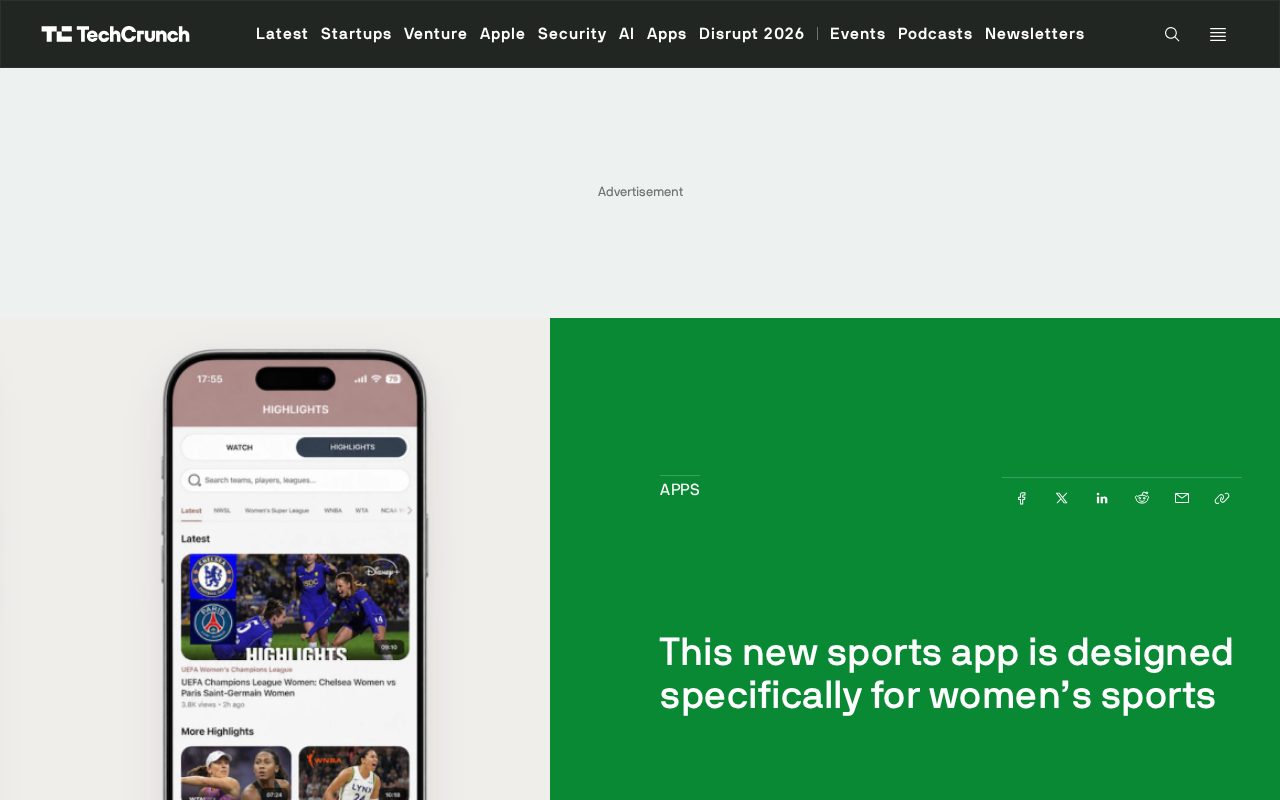
A New App Built Exclusively for Women's Sports, With No Real-Money Gambling
A new app focused exclusively on women's sports launches, aiming to change how fans engage with women's sports and explicitly avoiding real-money gambling. This article analyzes its product logic, compliance considerations, and commercial prospects.