Repair Before Reinforce: Context-Augmented Knowledge Graph Reasoning Tackles Multi-Hop QA
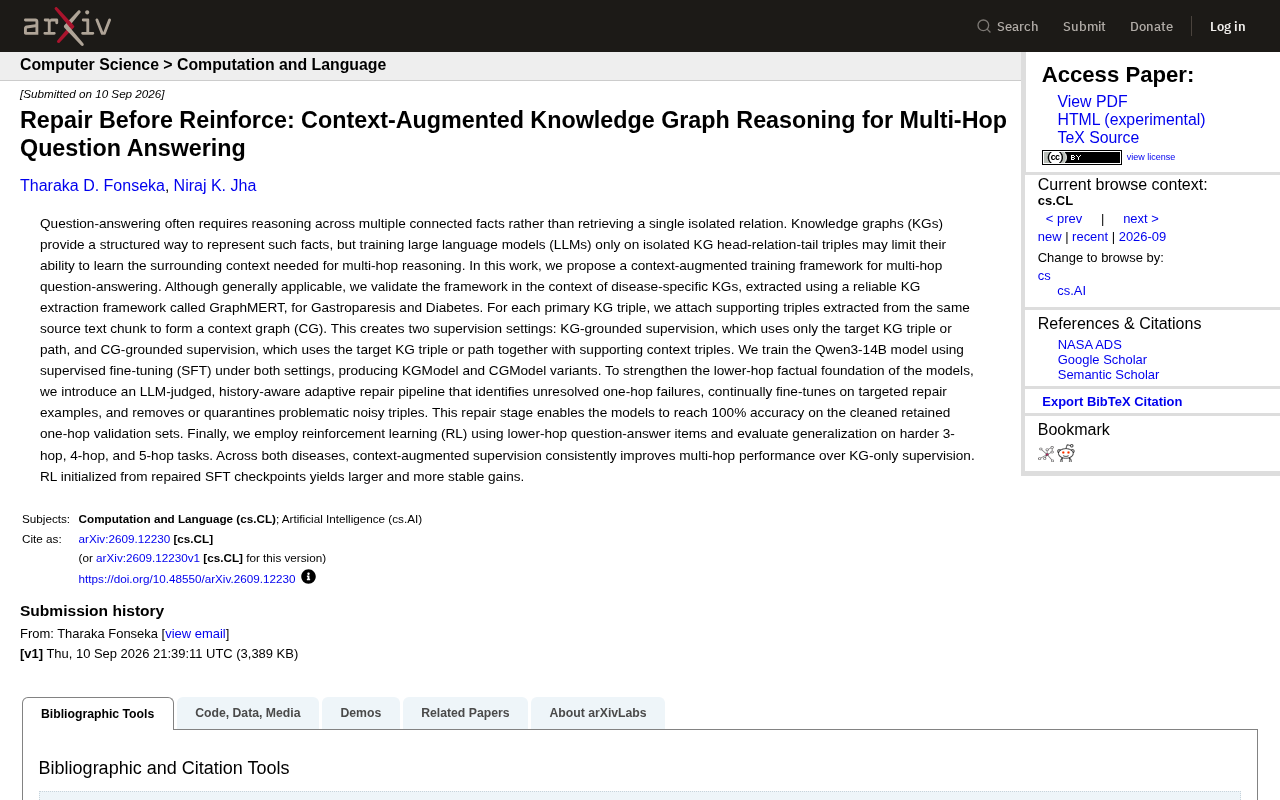
Context-augmented KG training plus repair-before-reinforce boosts LLM multi-hop medical QA performance.
This paper addresses the context gap that arises when LLMs are trained on isolated KG triplets for multi-hop reasoning. It proposes a context-augmented framework that attaches supporting triplets from the same source passage to each KG triplet, forming a Context Graph (CG) for SFT. An LLM-judged adaptive repair pipeline identifies and fixes persistent single-hop failures and removes noisy triplets, achieving 100% single-hop accuracy. RL initialized from this clean checkpoint then delivers larger, more stable gains on 3–5 hop tasks. Experiments on Gastroparesis and Diabetes KGs using Qwen3-14B confirm the framework's effectiveness and cross-domain generalizability.
The Core Challenge of Multi-Hop Question Answering
Real-world question answering tasks rarely involve simply retrieving a single isolated fact from a database. More often, they require reasoning across multiple interconnected knowledge nodes. For example, answering a question about the relationships among a disease, its symptoms, a medication, and that medication's side effects requires a model to build chains between multiple facts — a process known as "multi-hop reasoning."
Knowledge Graphs (KGs) represent such facts in a structured triplet format of (head entity, relation, tail entity), making them a natural fit for this kind of knowledge. However, a critical problem highlighted in this arXiv paper is: when large language models are trained only on these isolated triplets, they miss the surrounding context — the very context that multi-hop reasoning depends on.
In other words, fragmenting knowledge into discrete atomic facts and feeding them to a model actually undermines its ability to "connect the dots." The solution proposed in this paper is centered on bridging exactly this contextual gap.
The Context-Augmented Training Framework
The researchers propose a context-augmented training framework. The core idea is straightforward: for each primary KG triplet, extract additional supporting triplets from the same source passage and combine them into a "Context Graph" (CG).
This creates a direct comparison between two supervision strategies:
- KG-grounded supervision: Training uses only the target triplet or path.
- CG-grounded supervision: Training uses the target triplet or path along with surrounding contextual triplets.
The framework is validated on disease-domain knowledge graphs, specifically targeting Gastroparesis and Diabetes. These graphs were extracted from source text using a reliable extraction framework called GraphMERT. The base model is Qwen3-14B, which was fine-tuned via supervised fine-tuning (SFT) into two versions — KGModel and CGModel — for a direct comparison of the two supervision strategies.
The Key Design: "Repair Before Reinforce"
The paper's title, "Repair Before Reinforce," highlights the most compelling aspect of the methodology. The researchers observed that the accuracy of multi-hop reasoning is highly dependent on the reliability of low-hop (especially single-hop) factual foundations — if a model fails on one-hop base facts, any multi-hop chain built on top of them will inevitably collapse.
To address this, they designed an LLM-judged, history-aware adaptive repair pipeline that operates through three actions:
- Identifying single-hop failure cases that consistently cannot be resolved;
- Performing targeted fine-tuning on these problematic cases;
- Removing or isolating noisy, problematic triplets.
The impact of this repair mechanism is direct and measurable: after repair, the model achieves 100% accuracy on the cleaned single-hop validation set — establishing a solid factual foundation for harder reasoning tasks downstream.
Generalization Gains from Reinforcement Learning
With a reliable low-hop foundation in place, the researchers introduce reinforcement learning (RL), training on low-hop QA samples and evaluating generalization on more challenging 3-hop, 4-hop, and 5-hop tasks.
Two findings stand out:
First, across both diseases, context-augmented supervision (CG) consistently outperforms KG-only supervision on multi-hop performance. This confirms the core intuition — providing surrounding context genuinely enhances the model's ability to reason across facts.
Second, initializing RL from the repaired SFT checkpoint yields larger and more stable performance gains. This suggests that "repair before reinforce" isn't simply stacking two techniques — there is a synergistic effect: a clean, reliable factual foundation makes RL exploration more effective, preventing errors from being amplified on noisy data.
Implications for Knowledge-Intensive AI Applications
Although this research uses medical domain knowledge graphs as its validation setting, the authors explicitly note that the framework is broadly applicable. The implications for knowledge-intensive AI applications are clear:
How training data is organized may matter just as much as the data itself. Presenting knowledge in a context-rich graph structure rather than as isolated triplets can significantly improve a model's complex reasoning performance. Moreover, systematically repairing low-level factual errors and cleaning noisy data before pursuing higher-order reasoning capabilities is an empirically validated path — a pragmatic reminder amid today's trend of chasing ever-larger scale and stronger RL.
For developers building vertical-domain QA systems, medical decision-support tools, or enterprise knowledge bases, this combination of context augmentation and "repair before reinforce" offers a replicable engineering paradigm worth borrowing from.
Related articles
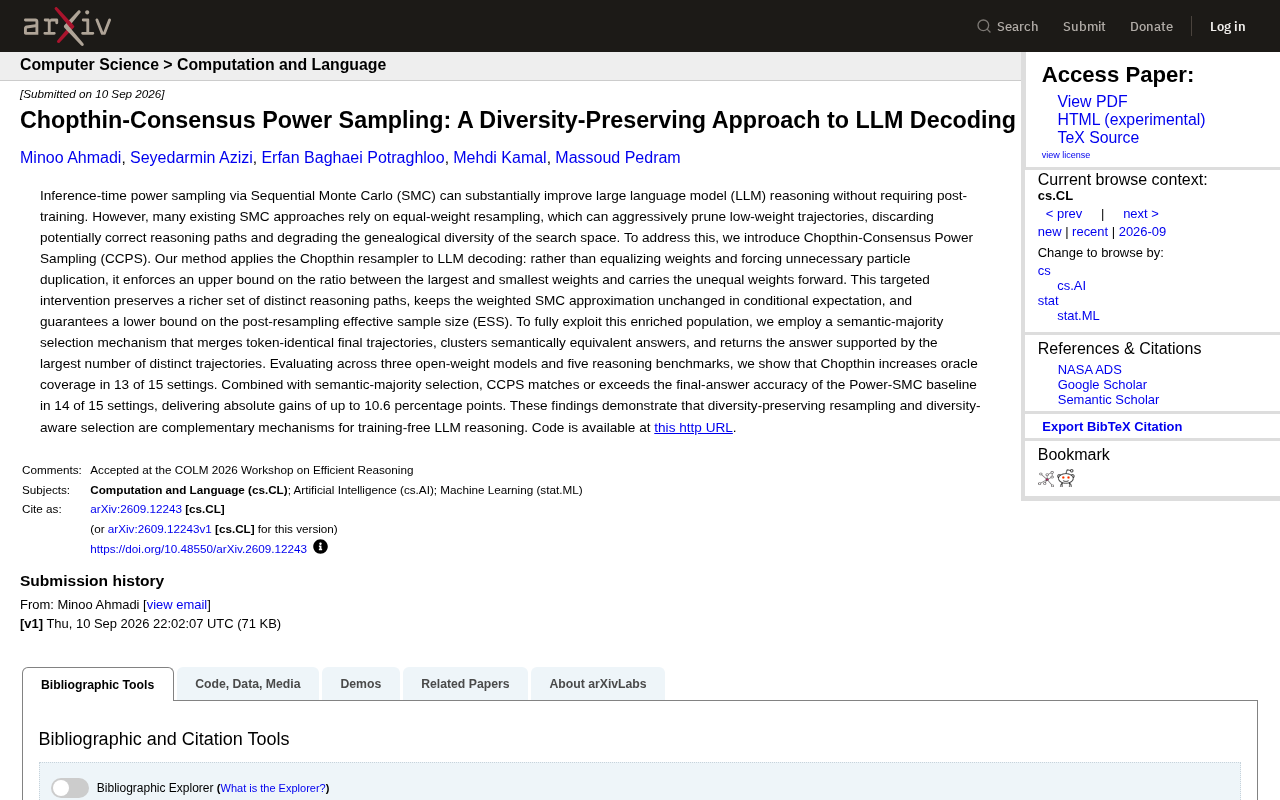
CCPS Sampling: Preserving Reasoning Diversity to Boost LLM Performance Without Fine-Tuning
A new arXiv paper proposes CCPS, which boosts LLM reasoning accuracy without any training by preserving reasoning diversity via Chopthin resampling and semantic majority selection — achieving up to 10.6pp absolute gains.
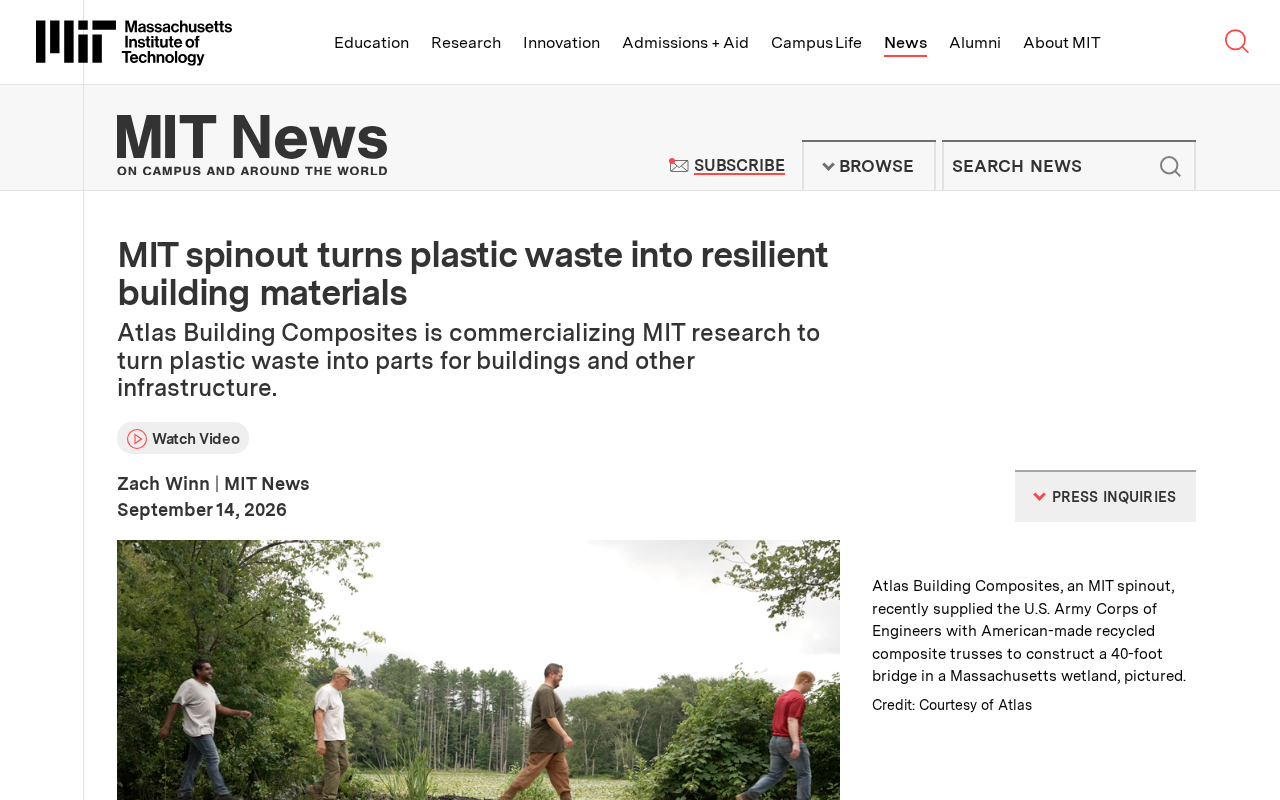
MIT Spinout Transforms Plastic Waste into High-Resilience Building Materials
MIT spinout Atlas Building Composites converts plastic waste into resilient structural components for buildings and infrastructure, pioneering a high-value recycling pathway.
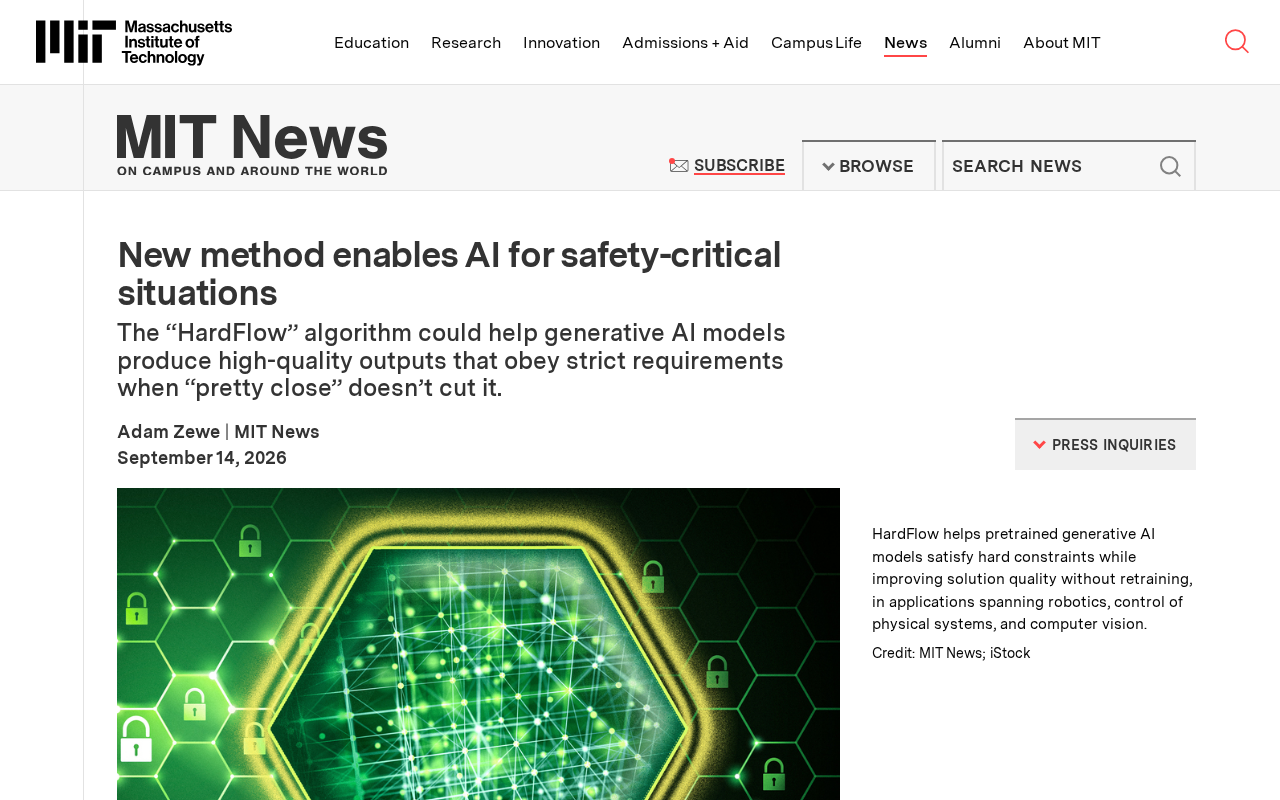
HardFlow Algorithm: Enabling Generative AI to Meet Hard Constraints in Safety-Critical Scenarios
HardFlow is a new algorithm designed to make generative AI strictly comply with hard constraints in safety-critical scenarios while maintaining high-quality outputs.