Runway AI Video Fools Viewers: When Generated Characters Pass as Real
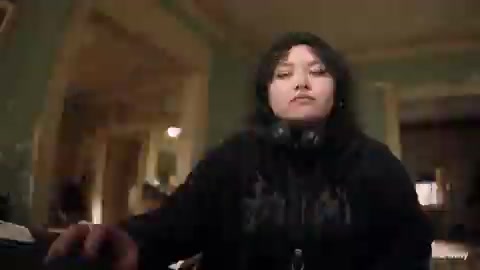
Runway's AI-generated characters fooled real audiences, signaling AI video's arrival in professional filmmaking.
Runway recently posted a video on social media where AI-generated characters were widely mistaken for real actors, sparking major discussion. The company used the moment to assert that "live action and generated content are all just pixels in service of story," explicitly targeting professional filmmakers and declaring now the ideal time to integrate AI into production pipelines. The incident both validates Runway's generative capabilities and highlights pressing industry challenges — from the potential to replace costly reshoots and background actors, to urgent questions around deepfakes, portrait rights, and content authenticity that the industry can no longer afford to ignore.
A Video That Sparked Major Debate
AI video generation tool Runway recently posted a clip on social media that unexpectedly ignited widespread discussion. Just how realistic were the characters in the video? Scores of viewers in the comments were convinced they were watching real actors — until Runway stepped in to clarify that every single person in the footage was AI-generated.
Runway's official response: "We've gotten a lot of comments from people thinking the humans in the video are real. For those still wondering, here's your answer." This wave of audience confusion — mistaking generated content for live footage — has become perhaps the most compelling proof point yet of how far generative video technology has matured.

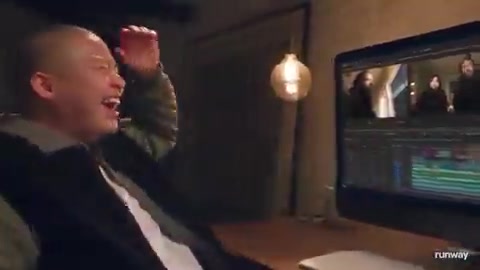

"They're All Just Pixels in Service of Story"
In its statement, Runway put forward an observation with real industry resonance: "Live action, generated, they're all just pixels in service of story."
Behind that line is a mindset shift that's beginning to reshape filmmaking. Traditionally, live-action footage and CG effects or AI-generated content have been treated as categorically distinct assets. But when generated visuals approach — or become indistinguishable from — real-world photography, that boundary starts to blur. For creators, what matters is no longer where the pixels came from, but whether they serve the final narrative.
The statement also signals Runway's broader product ambition: not to replace the camera, but to earn a seat alongside live-action footage as a first-class element in professional production pipelines.
The Right Moment to Enter Professional Timelines
Runway drove the point home: "There's never been a better time to bring Runway into your professional timelines."
"Professional timelines" is industry shorthand for the edit tracks in post-production software where footage lives. The phrasing sends a clear message — Runway is targeting professional filmmakers and editors, not just casual users looking for a novelty tool. Once AI-generated character shots can fool a general audience, they earn the right to be treated as legitimate assets in a professional edit.
For advertising production, short film work, and independent filmmaking, this opens a real possibility: costly elements like reshoots, background actors, and certain set constructions could theoretically be replaced or supplemented by AI-generated content.
The Double-Edged Sword of Hyper-Realism
Technological progress brings creative freedom — but it inevitably carries controversy in its wake. When audiences can no longer tell whether a person on screen is real or algorithmically generated, issues like deepfakes, portrait rights, and content authenticity verification become far more acute.
The widespread "I thought those were real people" reaction that Runway's video triggered is itself a double-edged sword: on one hand, it validates the tool's commercial potential; on the other, it's a reminder that the industry will have to grapple seriously with how to establish transparent labeling mechanisms that distinguish real footage from generated content.
It's worth noting that this information originates primarily from Runway's social media promotional messaging. Specific technical details, generation parameters, and available workflow integrations would need to be evaluated against the company's more comprehensive official documentation.
Conclusion
Generative video tools are crossing a critical threshold — moving from "can it generate something" to "can what it generates fool the human eye." With a single clip that triggered widespread audience misidentification, Runway made a powerful case for its own technical capabilities. When "they're all just pixels in service of story" becomes an accepted truth, the creative toolkit for filmmaking is being fundamentally redefined.
Related articles
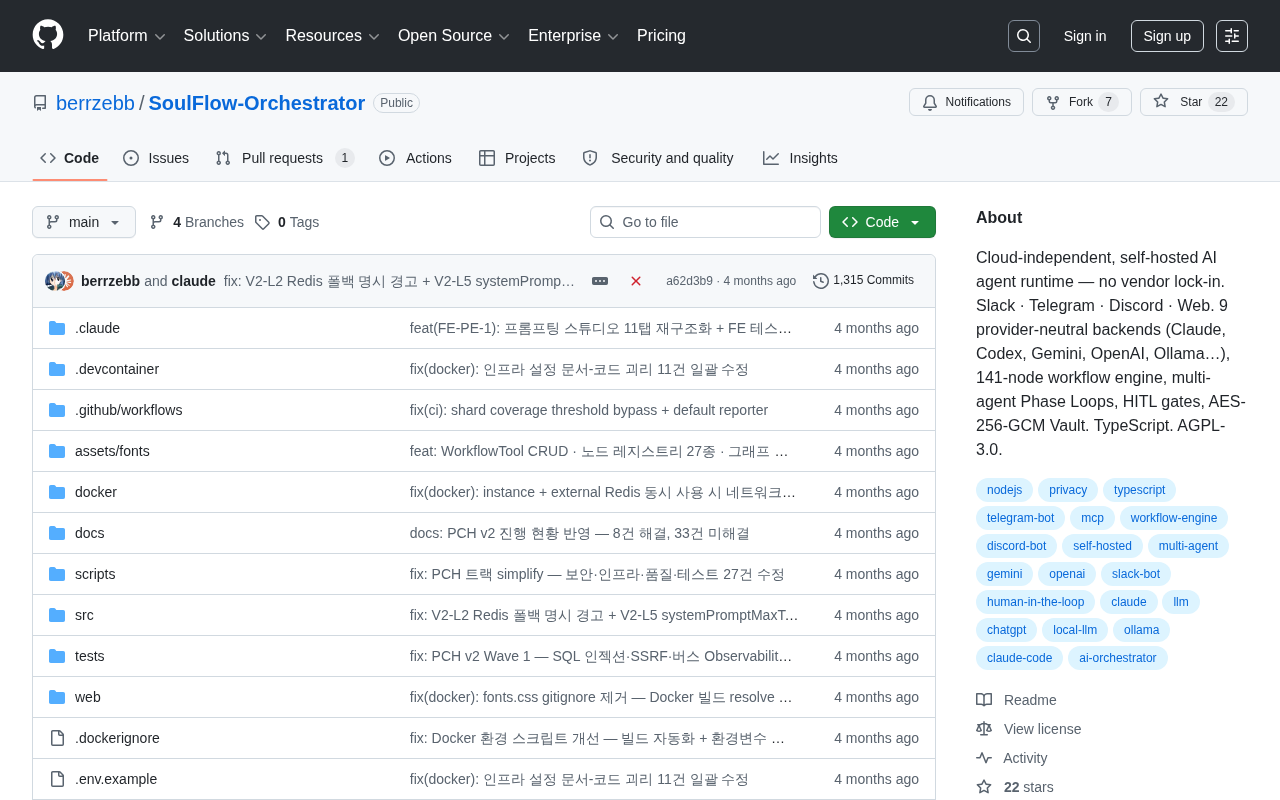
SoulFlow-Orchestrator: A Self-Hosted, Vendor-Lock-In-Free AI Agent Runtime
SoulFlow-Orchestrator is an open-source, self-hosted AI agent runtime with no vendor lock-in. Supports 9 neutral backends (Claude, OpenAI, Ollama), 141-node workflow engine, multi-agent loops, and HITL gates.
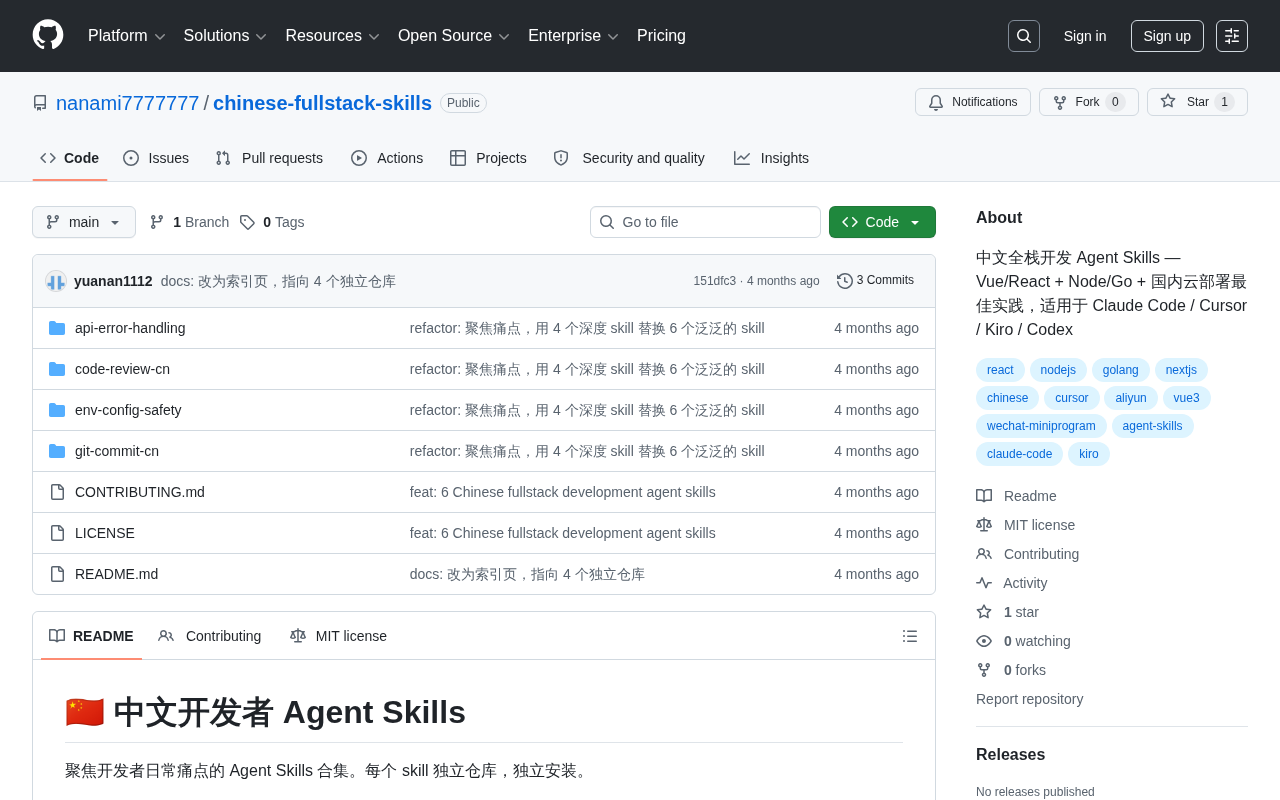
Chinese Full-Stack Agent Skills: A Skill Library Tailored for Domestic AI-Assisted Development
chinese-fullstack-skills is an Agent Skills library for Chinese full-stack development, covering Vue/React, Node/Go, and domestic cloud deployment best practices. Compatible with Claude Code, Cursor, Kiro, and Codex.

Paradigm Memory: A Local-First Memory System for AI Coding Assistants
paradigm-memory is a local MCP memory tool for Claude Code, Cursor, and Cline. It uses SQLite local storage, zero cloud, full audit trails, and a navigable cognitive map instead of bloated context files.