Self-Hosting for Beginners: Building a Home Server from Jellyfin to Stremio
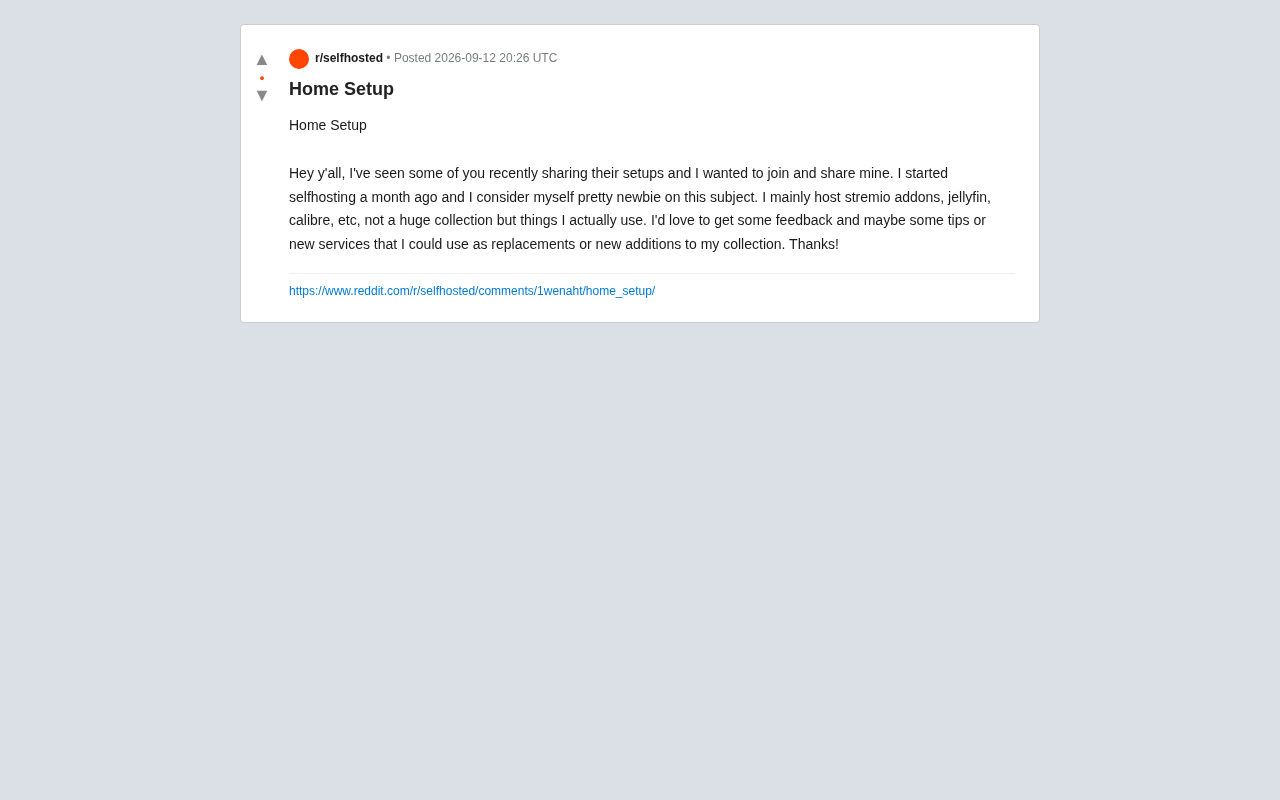
A beginner's home server journey with Jellyfin, Stremio addons, and Calibre — plus tips for expanding your self-hosted setup.
A self-hosting newcomer with just one month of experience shared their home server stack on Reddit, built around Jellyfin, a Stremio addon, and Calibre. The article covers each tool's purpose and offers expansion ideas across media automation (*arr tools), private cloud (Nextcloud), container management (Docker + Portainer), and secure remote access (reverse proxy + Tailscale). The guiding principle is to only run services you actually use — a pragmatic approach that keeps complexity and maintenance burden in check.
A Self-Hosting Newcomer's Setup
In Reddit's selfhosting community, more and more users are sharing their home server configurations. One newcomer — just one month into the hobby — posted their setup, openly admitting they're still fairly new to the space. Their stack centers on a Stremio addon, Jellyfin, and Calibre. They noted these aren't massive media collections, but tools they actually use day-to-day, and they invited the community to offer feedback, optimization tips, or recommendations for alternative services.
Posts like this may seem unremarkable, but they reflect the core ethos of self-hosting culture: start with real needs, and gradually build your own digital service ecosystem. Rather than chasing the biggest and most complex setup, many experienced self-hosters champion the same pragmatic principle — only run services you'll genuinely use.
What's in This Setup
Based on the shared details, this home server covers two common use cases: media consumption and reading. It's a very typical starting point for self-hosting beginners.
Jellyfin: Open-Source Media Server
Jellyfin is a completely open-source, free media server, often seen as an alternative to Plex and Emby. It organizes your local movies, TV shows, and music into a media library complete with posters and metadata, then streams everything to web browsers, mobile apps, or TV clients. For users who care about data ownership and want to avoid subscription lock-in, Jellyfin is one of the top picks for getting started with self-hosting.
Stremio Addon
Stremio is an aggregated streaming platform whose real power lies in its addon ecosystem. By self-hosting relevant addons, users can plug their own media sources into Stremio's unified interface. Pairing a Stremio addon with a backend like Jellyfin has become a popular way to set up a personal media streaming experience.
Calibre: E-Book Management
Calibre focuses on e-book management and format conversion. Once self-hosted — either Calibre itself or the web-based Calibre-Web — users can access their entire e-book library from any device, creating something like a private digital library.
Tips for Getting Started
For anyone new to self-hosting, this configuration is already a healthy starting point. Building on the original poster's request for "alternatives and new service suggestions," there are a few directions worth exploring.
On the media management front, if you want to automate library organization, a common pairing is the *arr suite of tools (like Sonarr and Radarr) combined with a download client to handle automatic media fetching and metadata scraping. For documents and notes, Nextcloud offers a full suite of private cloud features — file sync, calendar, contacts — and is often the second step many people take when expanding their self-hosted setup.
For service management, as the number of containers grows, using Docker alongside a visual management panel like Portainer dramatically reduces maintenance overhead. If you want to securely access your home services from the public internet, a reverse proxy (such as Nginx Proxy Manager or Traefik) paired with a tunneling solution or VPN like Tailscale is a combination the community recommends time and again.
The Value and Learning Curve of Self-Hosting
The appeal of self-hosting lies in data sovereignty and breaking free from subscriptions: services run on your own hardware, your data stays under your control, and you don't have to worry about price hikes or platform shutdowns. But it comes with a real learning curve — you'll need some working knowledge of networking, Linux, and containers, along with time to invest in maintenance and troubleshooting.
The original poster's philosophy of "only running services I actually use" is precisely the right antidote to over-engineering and complexity creep. For beginners, rather than spinning up a dozen services at once, it's better to start with clearly useful tools like Jellyfin and Calibre, learn the operational basics — backup, updates, security — through hands-on use, and then expand steadily from there.
Note: This article is based on a single Reddit post. Service choices should always be tailored to your own hardware and usage habits.
Related articles

Altman: Taking OpenAI Public This Year Would Be 'Ill-Advised'
OpenAI CEO Sam Altman says going public this year would be 'ill-advised,' even as the company has confidentially filed IPO paperwork. Here's what it means for AI.
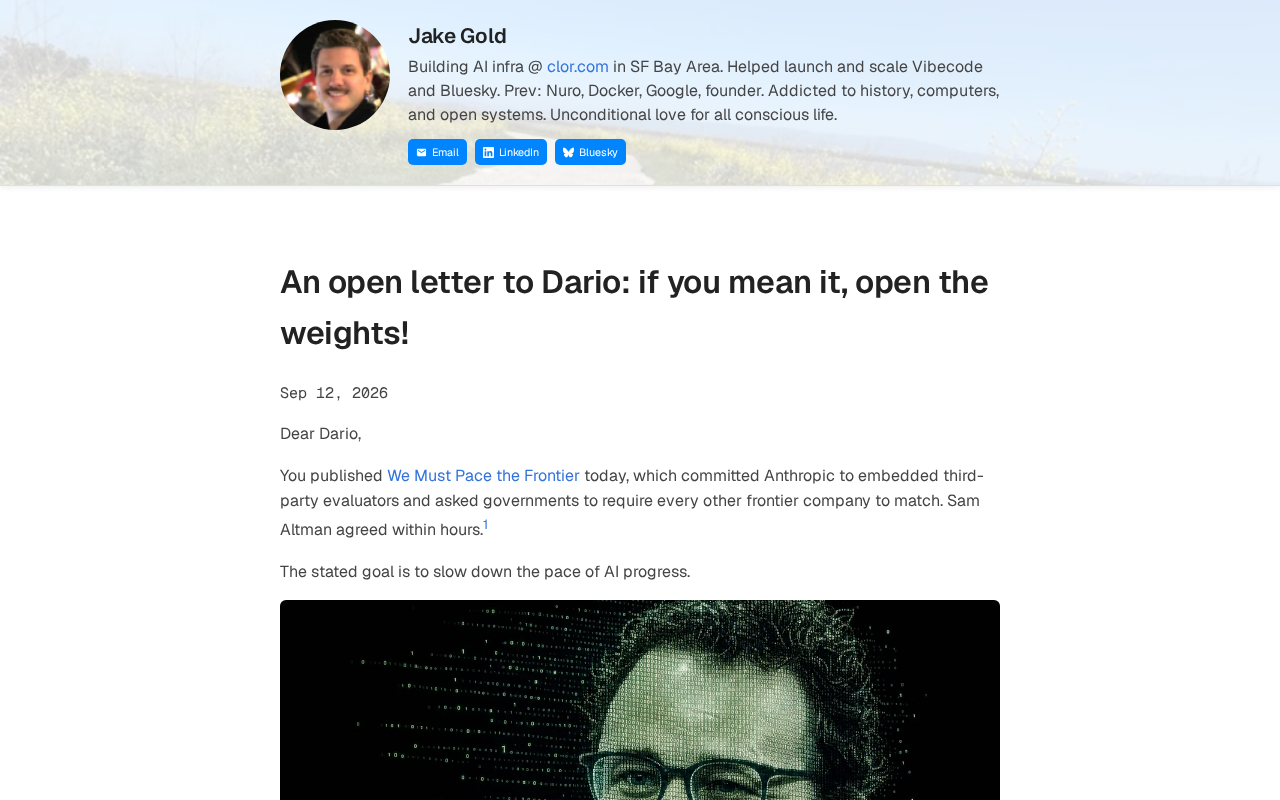
An Open Letter to Dario: If AI Safety Is Real, Open the Model Weights
Developer Jacob's open letter to Anthropic CEO Dario Amodei went viral on Hacker News, challenging the contradiction between AI safety rhetoric and closed-source models: if safety truly matters, why not open the weights?
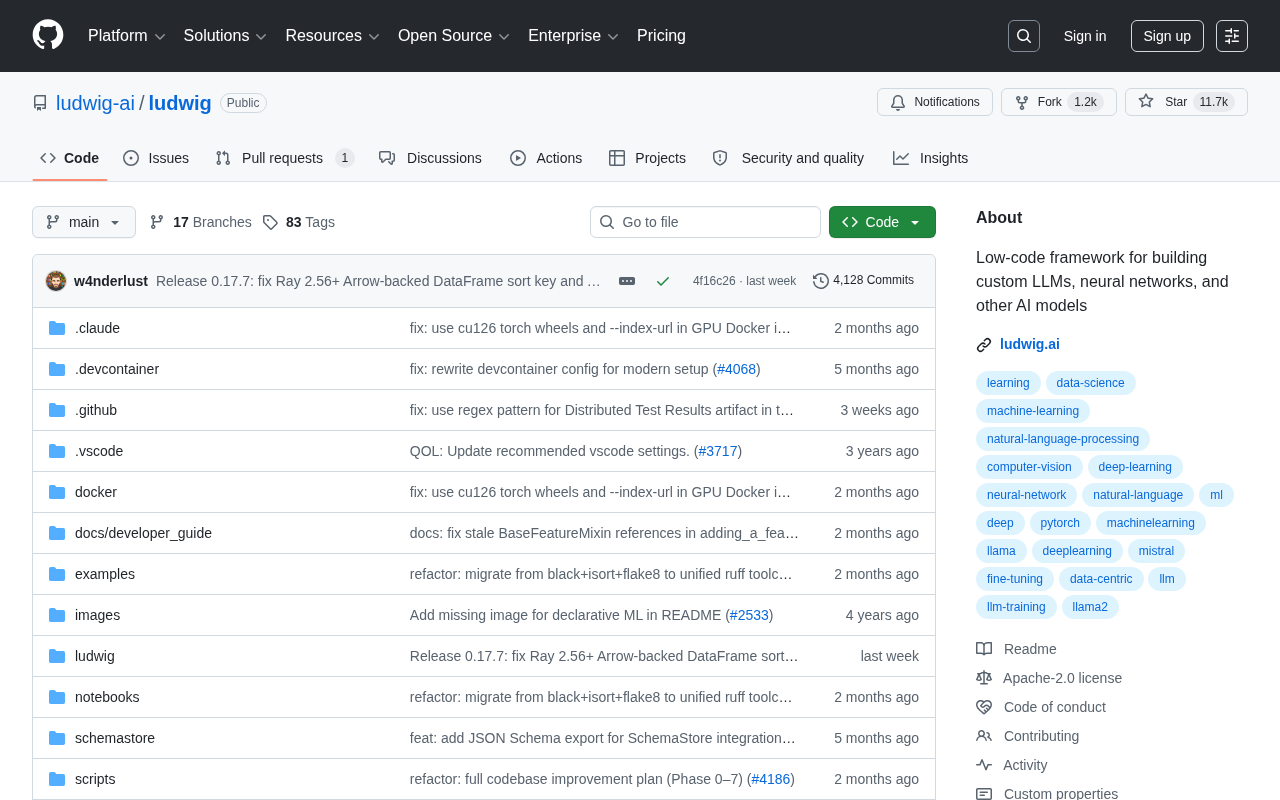
Ludwig: Building Custom LLMs and Neural Networks with Declarative Low-Code Configuration
Ludwig is an open-source low-code ML framework that builds custom LLMs and neural networks via declarative YAML config — no boilerplate training code required.