SheerID Verification Stuck? Solutions for Failed AI Student Discount Claims
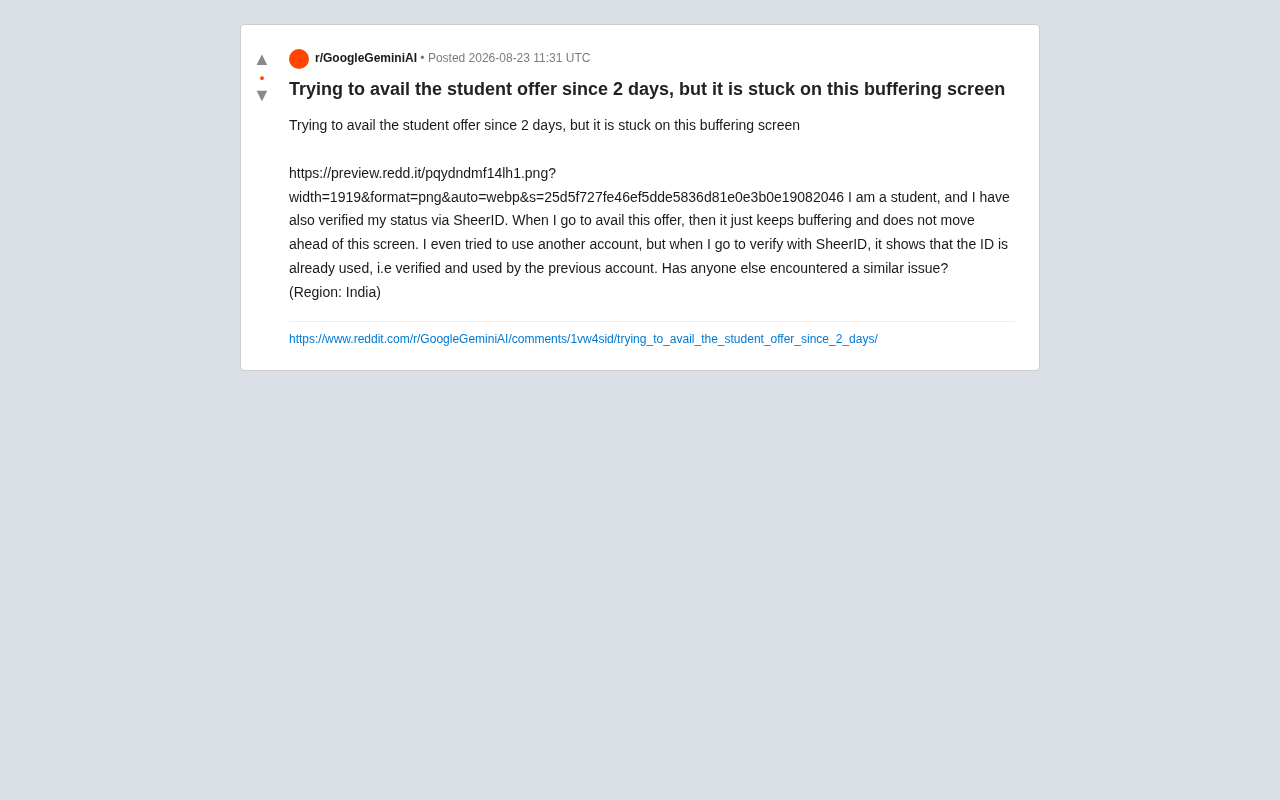
Solutions for SheerID verification stuck issues when claiming AI student discounts
When applying for AI product student discounts, users may encounter SheerID verification getting stuck on loading screens, with their student ID marked as already used despite unsuccessful discount activation. This occurs due to callback failures between verification and discount activation systems, worsened by regional adaptation issues in emerging markets like India. Solutions include browser troubleshooting, disabling VPNs, and contacting customer service to manually reset verification eligibility.
A Typical AI Subscription Discount Failure
Recently, a student user from India shared a frustrating experience on Reddit while applying for an AI product's student discount. He mentioned spending two consecutive days trying to claim the student-exclusive offer, only to have the process perpetually stuck on a buffering screen, unable to proceed.
What made matters worse was that when he attempted to reapply using a different account, the system indicated his student ID had "already been used"—meaning his previous stuck account had actually consumed his SheerID identity verification eligibility, leaving him in a catch-22 situation.
This seemingly simple technical glitch reveals underlying issues with verification mechanisms and user experience that are prevalent across many AI products offering student discounts today—issues worth examining in depth.
What is the SheerID Verification Mechanism
How Third-Party Identity Verification Works
SheerID is a third-party identity verification service provider used by numerous tech companies (including many AI tool vendors) to verify whether users qualify for specific discounts, such as student, teacher, or military discounts. Founded in 2011 and headquartered in Portland, Oregon, SheerID is currently one of the world's largest digital identity verification platforms. Its core business model is providing the technical infrastructure for "gated offers" to enterprise clients—discounts accessible only to specific verified populations. SheerID's database covers over 9,000 universities and educational institutions globally, enabling real-time verification of student enrollment information. Beyond AI products, mainstream consumer internet services like Spotify, Apple Music, YouTube Premium, and Amazon Prime also extensively use SheerID for student identity verification. The rise of this third-party verification model stems from the fact that building proprietary student verification systems is costly, difficult to maintain, and easily bypassed by fake .edu email addresses.
When users apply for student discounts, the system redirects to SheerID's verification process, where users must submit school email addresses, enrollment documents, or other materials. Once verification passes, SheerID returns a "verified" status flag to the corresponding service provider. The critical issue is that this verification result is often bound to a specific verification session or account. Once binding is complete, the same student credentials typically cannot be reused for other accounts—this is the root cause of the "ID already used" message users encounter.
Why SheerID Verification Gets Stuck
From the user's description, the problem occurs between SheerID verification success and the actual activation of the discount. The perpetual buffering indicates the frontend has completed the verification request, but the backend discount activation step hasn't returned the correct result.
To understand the technical nature of this problem, we need to understand the callback mechanism. Callbacks are a common asynchronous communication pattern in web development: when users complete verification on the SheerID interface, SheerID sends a callback request through a pre-agreed API endpoint to the AI product's server, notifying it that "this user is verified." Upon receiving the callback, the server executes the discount activation and returns the result to the frontend page. If this callback request fails due to network jitter, server overload, or interface configuration errors, the frontend page remains in a waiting state—the perpetual buffering users observe.
This type of problem commonly occurs in the following situations:
- Callback timeout or failure between the server and SheerID, preventing verification status from syncing to the user account
- Regional restrictions or payment gateway issues, where discount processing pipelines in certain regions (like India or Southeast Asia) experience delays or incomplete adaptation
- Browser cache, cookie, or network proxy issues, interfering with normal page redirects and status updates
Deeper Risks Behind Verification Failures
The "One-Time Consumption" Risk of Verification Eligibility
The most alarming aspect of this case is that even though the discount wasn't successfully claimed, the user's student verification eligibility was already "consumed." This means verification and discount activation are not atomic operations (either both succeed or both roll back), but rather split into two independent steps. When the second step fails, the first step's result cannot be automatically reversed.
An "Atomic Operation" is a core concept in databases and distributed systems, referring to a set of operations that either all execute successfully or all fail to execute, with no intermediate state. The classic example is bank transfers: debiting account A and crediting account B must both succeed or both roll back simultaneously—there's absolutely no allowance for an intermediate state where "money was deducted but not received." In this case, the fact that verification and activation weren't designed as an atomic operation is the technical root cause of users experiencing "eligibility consumed but discount not activated." In distributed system architectures, since SheerID and the AI product belong to different services, implementing atomic operations across services (distributed transactions) inherently involves high technical complexity, but this doesn't mean vendors can transfer this complexity to end users.
For users, this is an extremely unfriendly design. Users pay a real identity verification cost, yet lose the chance to try again due to system failures, with no clear self-service recovery path.
Universal Shortcomings in Regional Adaptation
The user specifically noted his location as India. India is one of the world's largest student markets, with over 40 million higher education students, and young people show extremely high acceptance of AI tools. However, the infrastructure complexity of the Indian market also presents enormous localization challenges for tech products.
First, India's internet access quality is uneven, with many users relying on mobile data networks that have high latency and packet loss rates—particularly problematic for verification processes that depend on multiple HTTP redirects and callbacks. Second, the standardization of academic records management systems in Indian universities is low, with some institutions not yet integrated into SheerID's database, leading to higher automatic verification failure rates. Additionally, India's mainstream payment methods (like UPI and Paytm) differ significantly from Western credit card systems, and payment gateway adaptation work for discount activation is often completed last.
In actual operations, many AI products' discount systems were initially designed around Western markets, with adaptation of payment methods, identity verification document formats, and network environments for emerging markets often lagging behind. These factors combined make failure rates for users in emerging markets claiming AI product discounts significantly higher than for Western users. This type of "regional lag" is not uncommon in user feedback from India, Southeast Asia, and similar regions.
What to Do When SheerID Verification Gets Stuck
User-Side Self-Troubleshooting Steps
If you encounter similar SheerID verification stuck issues, try the following steps:
- Switch browsers or use incognito mode to rule out interference from cache and plugins. Incognito Mode creates a clean browsing environment without any historical cookies or cached data, effectively preventing old session information from interfering with new verification processes
- Disable VPN or proxy tools to ensure network access paths align with your account registration region. Many verification systems check the geographic location of user IP addresses; if a VPN places your IP in a country different from your school's location, it may trigger additional security reviews or directly cause callback failures
- Wait patiently and refresh the page, as some callback delays may complete automatically after a few hours. Some systems have asynchronous retry mechanisms that automatically resend callbacks at set intervals even if the initial attempt fails
- Save screenshots of verification records, including SheerID confirmation pages and stuck screens, as evidence for subsequent appeals
Contact Official Customer Service to Reset Verification Eligibility
Since the "used" status of verification eligibility is typically stored in server-side databases, users cannot unbind it themselves. Therefore, the most effective solution is to directly contact the product's official customer service or SheerID support team, explain that verification completed but the discount didn't activate, and request manual verification status reset or eligibility transfer to the correct account.
Notably, SheerID also provides independent user support channels (support@sheerid.com). Users can submit requests to both the AI product's customer service and SheerID simultaneously to expedite problem resolution. When submitting tickets, attaching SheerID's verification confirmation email and screenshots of stuck screens can significantly speed up processing. According to community feedback, customer service can typically complete verification eligibility resets within 1-3 business days in most cases.
Lessons for AI Product Vendors
This seemingly minor user complaint reflects a common issue in AI products' rapid expansion into student markets: the robustness of discount pipelines lags far behind the products' own capabilities.
The tech industry has long viewed students as one of the most strategically valuable user demographics, a tradition dating back to Microsoft's practice of providing Office suites to universities for free or at low cost in the 1990s. The essence of student discounts isn't charity but a carefully calculated user acquisition strategy: tool usage habits students form during school often persist into their careers, where they'll convert to full-price paying users and potentially influence their organizations' procurement decisions. In the AI field, this logic is even more pronounced—student discount programs for ChatGPT, Claude, GitHub Copilot, and similar products are essentially competing for "default tool" status among the next generation of knowledge workers. The lifetime value (LTV) of a student user is estimated to be 10-20 times their subscription revenue during their student years.
For vendors, areas worth improving include: designing identity verification and discount activation as rollback-capable transactions to avoid eligibility being "wasted"; providing clear self-service recovery portals for users who verified but failed to activate; and conducting thorough pipeline testing for different regions, especially in high-growth emerging markets like India, Southeast Asia, and Latin America.
After all, students are often the most important early adopters and long-term reputation sources for AI tools. One poor claiming experience could deter a potential loyal user—and that user's value far exceeds a single discounted subscription fee.
Key Takeaways
- SheerID verification getting stuck typically stems from callback failures between third-party verification and the product's backend, causing discount activation to fail while eligibility is already consumed
- The non-atomic design of verification and activation is an unfriendly user experience pattern that should be improved to rollback-capable transactions
- Users in emerging markets (especially India and Southeast Asia) face higher failure rates due to network environments, payment gateway adaptation, and identity document format differences
- When encountering stuck verification, try switching browsers, disabling VPNs, and waiting patiently; if the issue persists, contact customer service with screenshots to request manual verification reset
- For AI product vendors, student discount pipelines require the same engineering rigor as core products, as student users represent significant long-term strategic value
Related articles
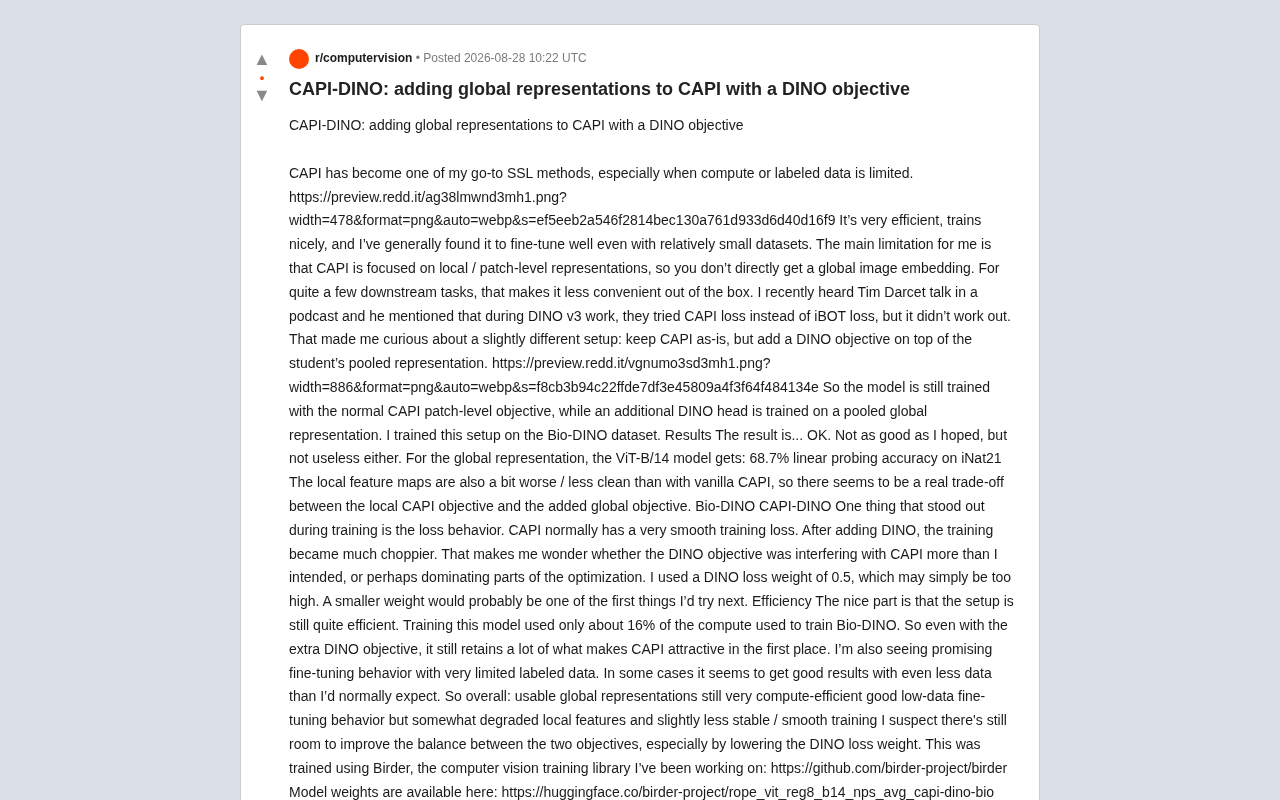
CAPI-DINO: A Combinatorial Approach to Adding Global Representations to Self-Supervised Learning
CAPI-DINO stacks DINO's global objective onto CAPI's local representations, achieving 68.7% linear probing accuracy on ViT-B/14 at only 16% compute cost.
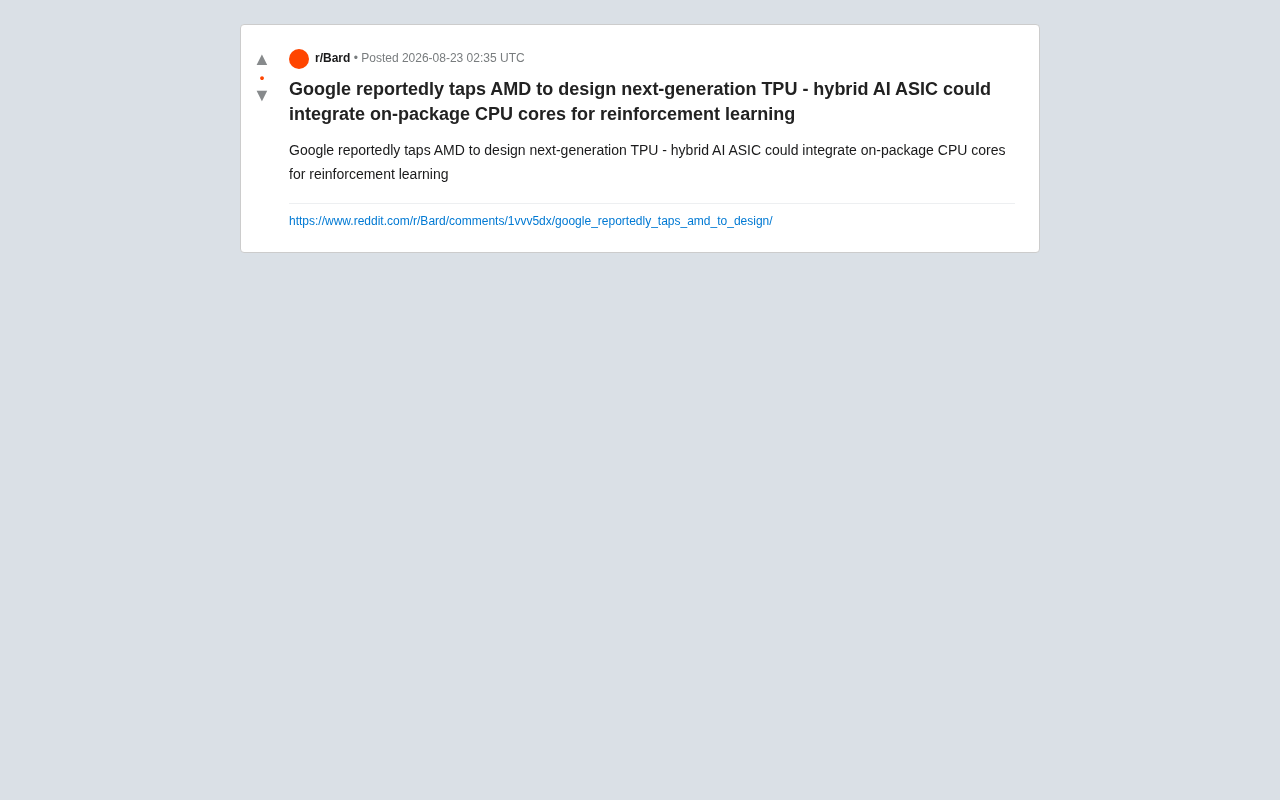
Google Teams Up with AMD to Build Next-Gen TPU Hybrid AI Chip: CPU Cores Integrated On-Package
Google is reportedly partnering with AMD to design a next-gen hybrid TPU with on-package CPU cores, optimized for reinforcement learning and emerging AI workloads.
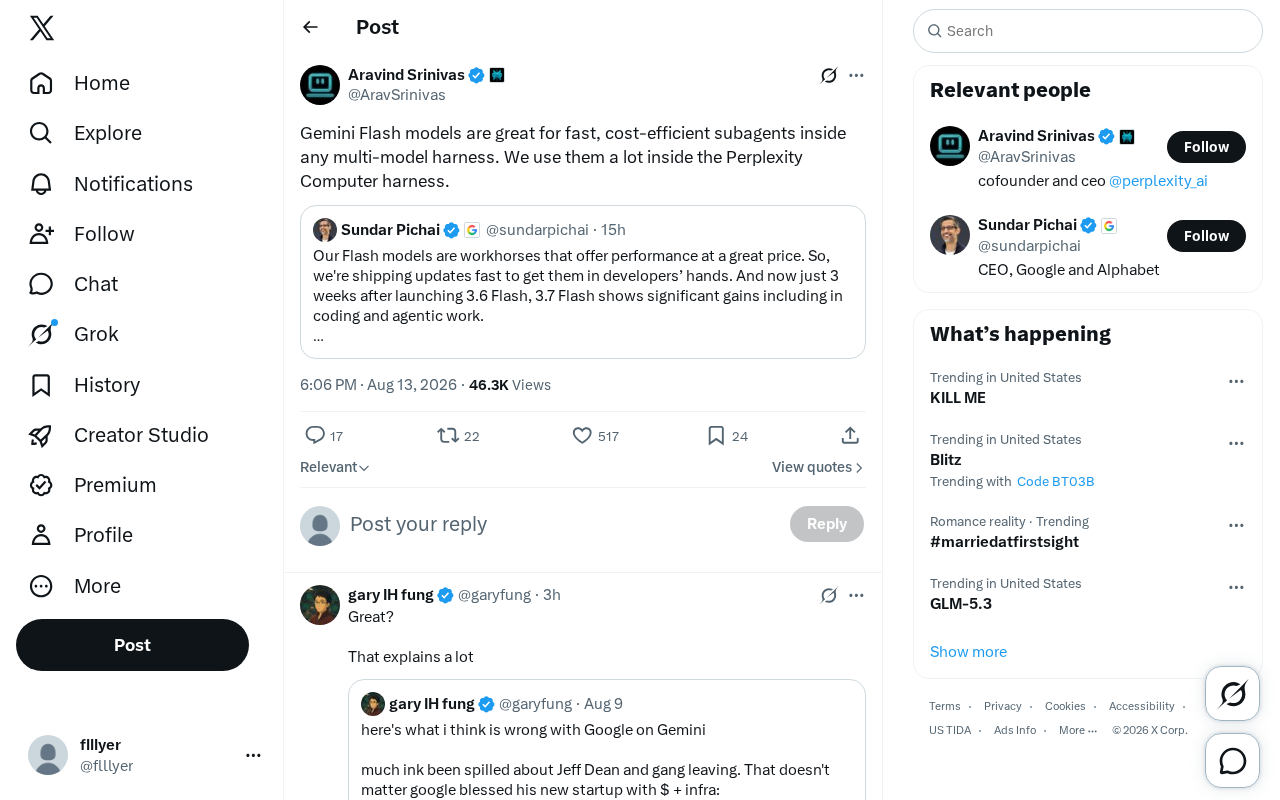
Gemini Flash: A High-Efficiency Subagent Powerhouse in Multi-Model Architectures
Explore how Gemini Flash serves as an efficient subagent in multi-model architectures. Drawing on Perplexity's production experience, we examine Flash's speed and cost advantages and what multi-model design means for AI developers.