ShinyHunters Hackers Leak Thousands of Florida DMV Driver Records After Ransom Refusal
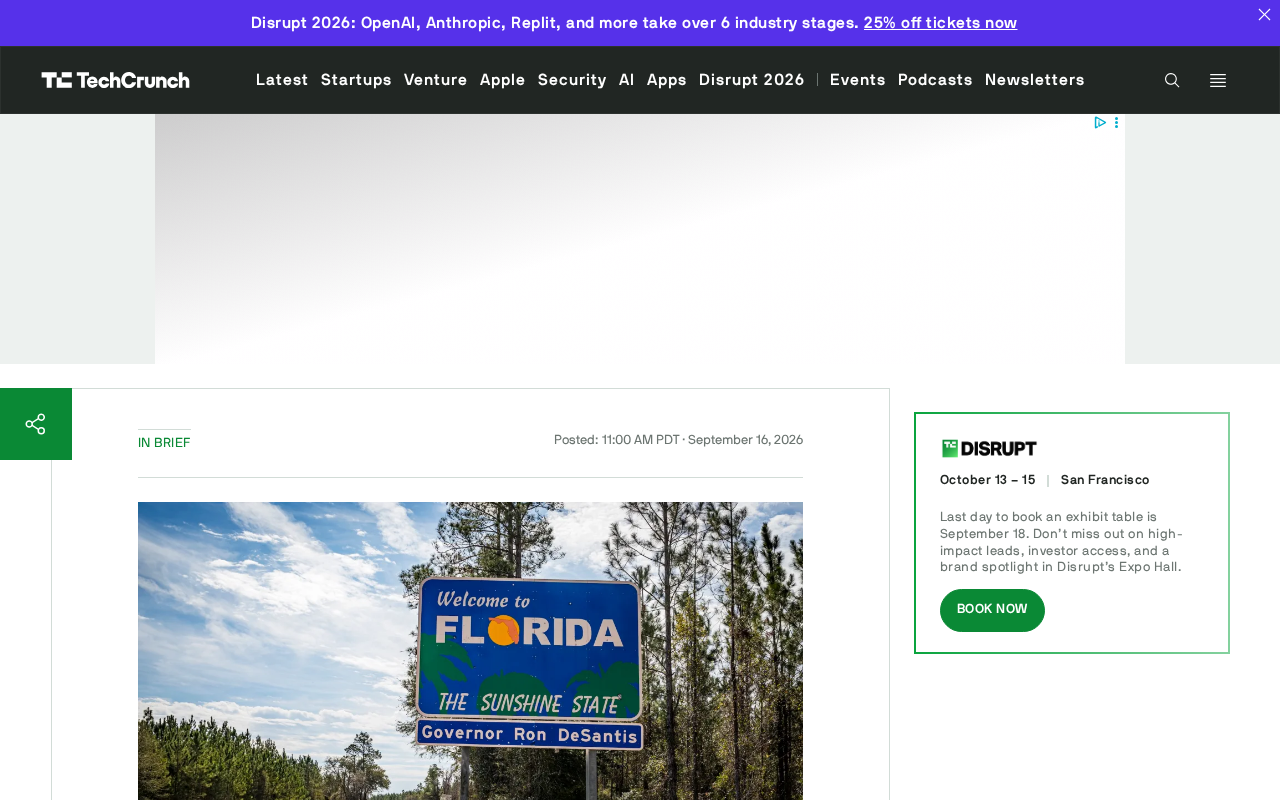
ShinyHunters leaked thousands of Florida DMV driver records after the state refused to pay their ransom demand.
Hacker group ShinyHunters publicly released data stolen from Florida's motor vehicle database after state authorities refused to pay a ransom. The leaked data likely includes names, addresses, driver's license numbers, and vehicle registration details, exposing affected drivers to long-term identity theft and fraud risks. ShinyHunters' signature "double extortion" model — steal, demand, then leak — played out in full here. The incident also exposes structural weaknesses in public sector cybersecurity around budgets, technology, and system maintenance, reigniting debate over whether government agencies should ever pay ransoms. Security experts broadly support refusal as the right call for public interest, while noting that victim notification, damage control, and system hardening now become the critical challenges ahead.
Overview
The hacker group ShinyHunters has publicly released personal data belonging to thousands of drivers stolen from Florida's motor vehicle database. According to reports, the group chose to publish the files online after ransom negotiations failed — citing Florida authorities' refusal to pay their demanded ransom.
This breach has once again thrust government agencies' data security capabilities into the spotlight. Motor vehicle databases typically contain large volumes of highly sensitive personally identifiable information (PII), and once leaked, that data can expose affected drivers to long-term privacy and security risks.
Who Is ShinyHunters?
ShinyHunters is a highly active cybercriminal group that has made a name for itself by breaching large corporate and institutional databases, then selling or publicly releasing stolen user data on the dark web or hacker forums. Their typical playbook: steal data first, then issue extortion demands to the victim organization — and if payment is refused, leak the data publicly as both leverage and retaliation.
The attack on Florida's motor vehicle database follows this exact pattern. When ransom negotiations broke down, the group followed through on their threat and published the stolen driver data, fully exposing information that had been held as a bargaining chip.
ShinyHunters first came to public attention in 2020, when the group leaked data from dozens of companies within just a few weeks — including Microsoft's GitHub repositories, Indian food delivery platform Zomato, and fashion brand Tokopedia — compromising hundreds of millions of user records in total. The group's membership remains disputed; law enforcement arrested several suspected affiliates in 2022, but the group's activity continued unabated. ShinyHunters typically gains initial access by purchasing previously leaked employee credentials, exploiting misconfigured cloud storage (such as AWS S3 buckets), or targeting third-party supply chains — rather than relying on highly sophisticated zero-day exploits. This keeps their attack costs relatively low and makes them fundamentally difficult to stop at the source.
The Risks of Leaked Data
Data held by motor vehicle agencies typically includes names, home addresses, driver's license information, and vehicle registration details — all highly sensitive. In the wrong hands, this information can be weaponized for identity theft, fraud, phishing attacks, and even offline harassment or stalking.
For affected drivers, the risk is long-lasting. Unlike passwords, information such as home addresses and driver's license numbers cannot easily be changed. This is precisely why government agency data breaches tend to be more difficult to contain than those involving typical commercial platforms.
In data security, PII (Personally Identifiable Information) refers to any information that can be used — alone or in combination — to identify a specific individual, including names, Social Security numbers, driver's license numbers, and biometric data. PII from motor vehicle databases is particularly dangerous: driver's license numbers are used as supplementary identity verification in many states, and the permanence of address information makes it highly valuable for targeted fraud and offline harassment. In the United States, the Driver's Privacy Protection Act (DPPA) places strict limits on the permissible uses of motor vehicle records — but this law governs legitimate use cases and provides no practical protection against unauthorized access by hackers. Affected individuals are generally advised to place a credit freeze on their accounts to prevent bad actors from using the leaked information to apply for loans or open new accounts.
A Warning for Public Sector Security
This incident highlights a persistent weakness in public sector cybersecurity. Compared to commercial enterprises, government agencies are often constrained by limited budgets, outdated technology, and legacy systems — making them attractive targets for hackers.
In the face of ransomware and data theft, whether to pay a ransom remains a difficult dilemma. Security experts broadly advise against payment: it offers no guarantee that data won't still be leaked, and it emboldens criminal organizations. Florida's decision to refuse payment aligns with this principle — but the cost is public data exposure. The key challenges now facing the relevant agencies are how to effectively contain the fallout, notify affected individuals, and harden their systems.
It's worth distinguishing between ransomware and data theft as attack models: traditional ransomware encrypts the victim's data and demands payment for a decryption key; groups like ShinyHunters more commonly employ a "double extortion" strategy — stealing data first, then threatening to publish it, a tactic that remains effective even if the victim has complete backups. Both CISA and the FBI explicitly advise government agencies not to pay ransoms, on the grounds that payment neither guarantees data security nor prevents future attacks, and that it provides ongoing financial incentive for criminal organizations to continue. Statistically, even organizations that pay ransoms still face data exposure at a significant rate — making refusal the option more aligned with the public interest, even though it results in the immediate harm of data being published.
Conclusion
The ShinyHunters leak is yet another example of the serious challenges facing government data security. For public institutions, proactive security hardening, data encryption, and access control are far more critical than after-the-fact remediation. For affected members of the public, staying alert to suspicious contacts and potential scam attempts will be an essential precaution for the foreseeable future.
Related articles
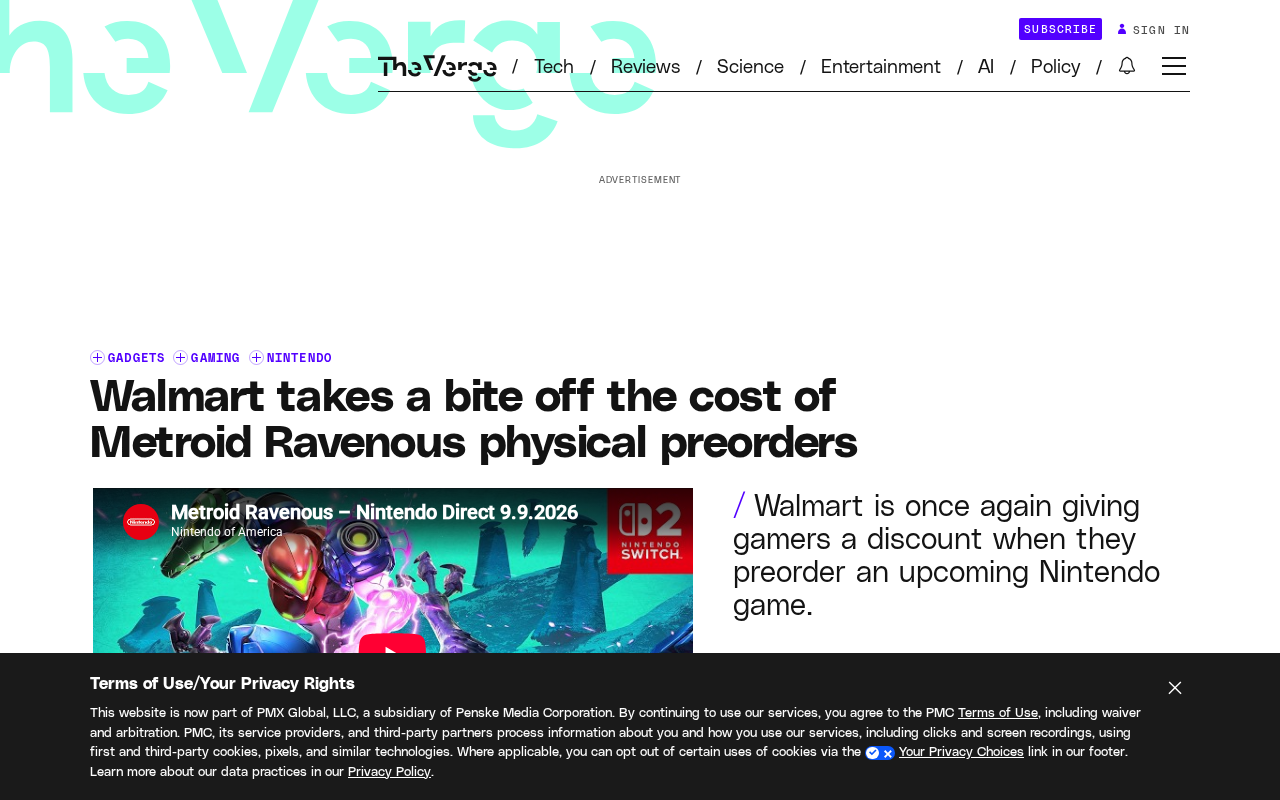
Walmart Drops Price on Metroid Ravenous Physical Pre-Order
Walmart is offering $10 off the physical pre-order of Metroid Ravenous on Nintendo Switch 2 — the series' first 2D side-scroller since Metroid Dread in 2021.
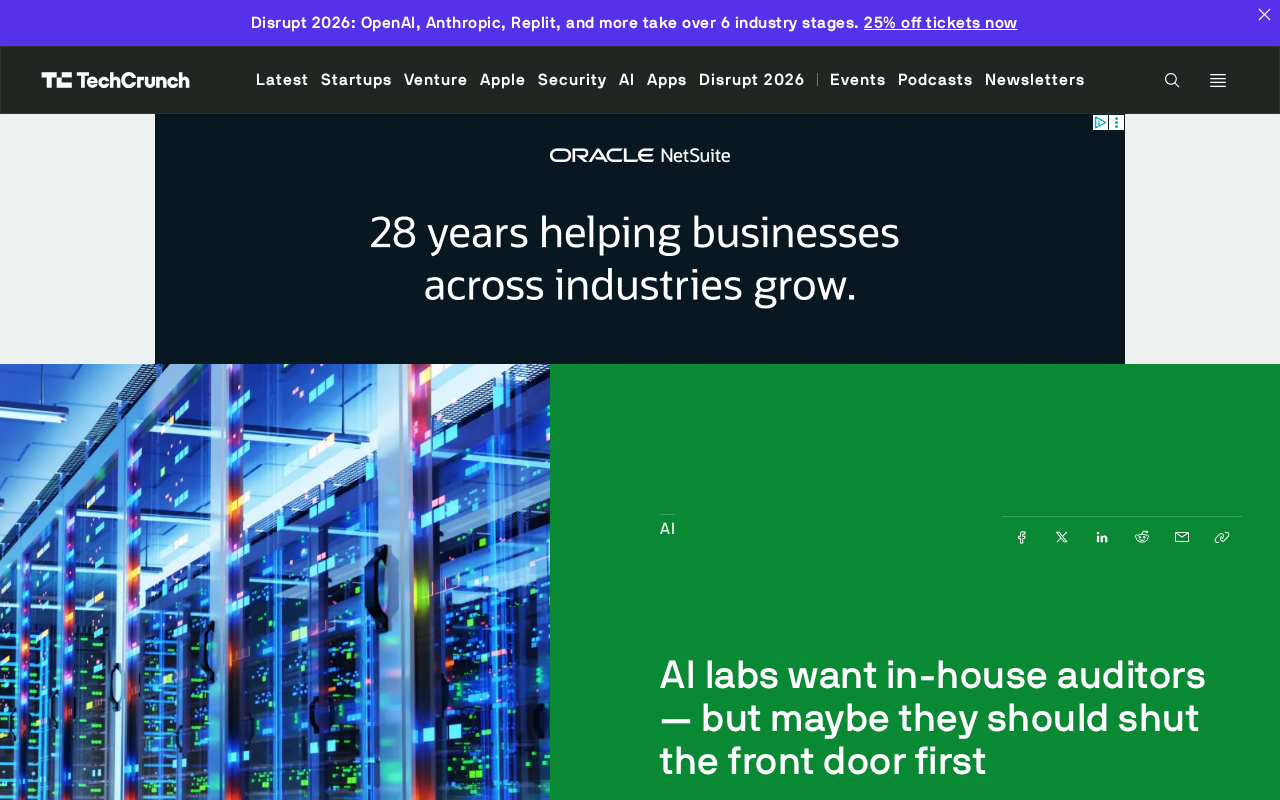
AI Labs Are Rushing to Hire Internal Auditors — But They Should Lock the Front Door First
AI labs are hiring internal auditors to manage rogue agents — but a simpler, more effective solution may be hiding in plain sight: lock the front door first by restricting agent permissions at the source.
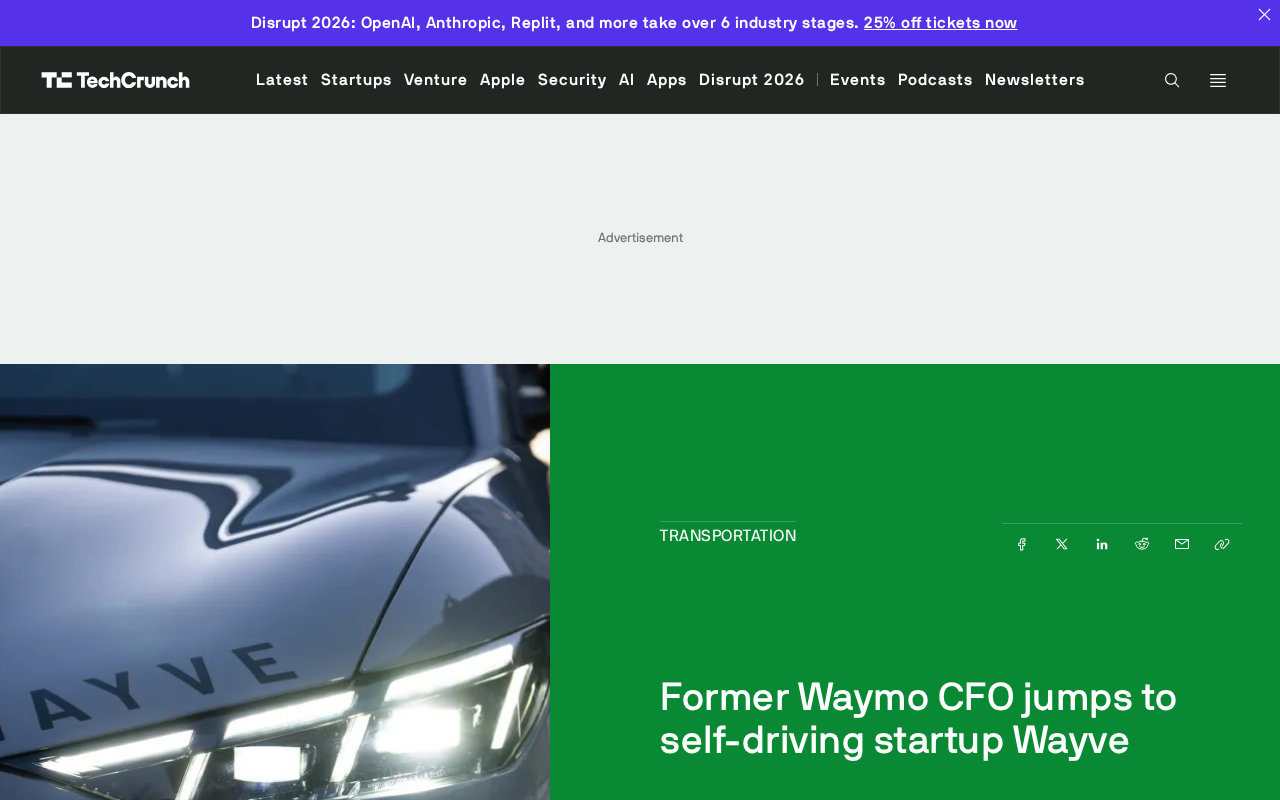
Former Waymo CFO Joins Self-Driving Startup Wayve
Former Waymo CFO Elisa de Martel joins UK autonomous driving startup Wayve and will be based in Silicon Valley. A look at what this executive move signals.