Snapchat Paid Subscribers Surpass 30 Million as Storage Fee Strategy Pays Off

Snapchat+ subscribers surpass 30 million, with storage limits as the key driver of paid conversions.
Snapchat+ paid subscribers have surpassed 30 million, exactly one year after the platform capped free Memories storage. Users wanting to keep content beyond the limit must pay $1.99/month or subscribe to Snapchat+. The controversial strategy effectively converted free users to paid. Its core logic: personal photos and videos in Memories carry high migration costs and emotional value, and storage limits create a soft lock-in, making users lean toward paying rather than losing memories. The case offers a reference for social platforms expanding from ads to subscriptions, but the one-time conversion dividend will eventually fade—long-term growth depends on value-added features delivering value beyond the price.
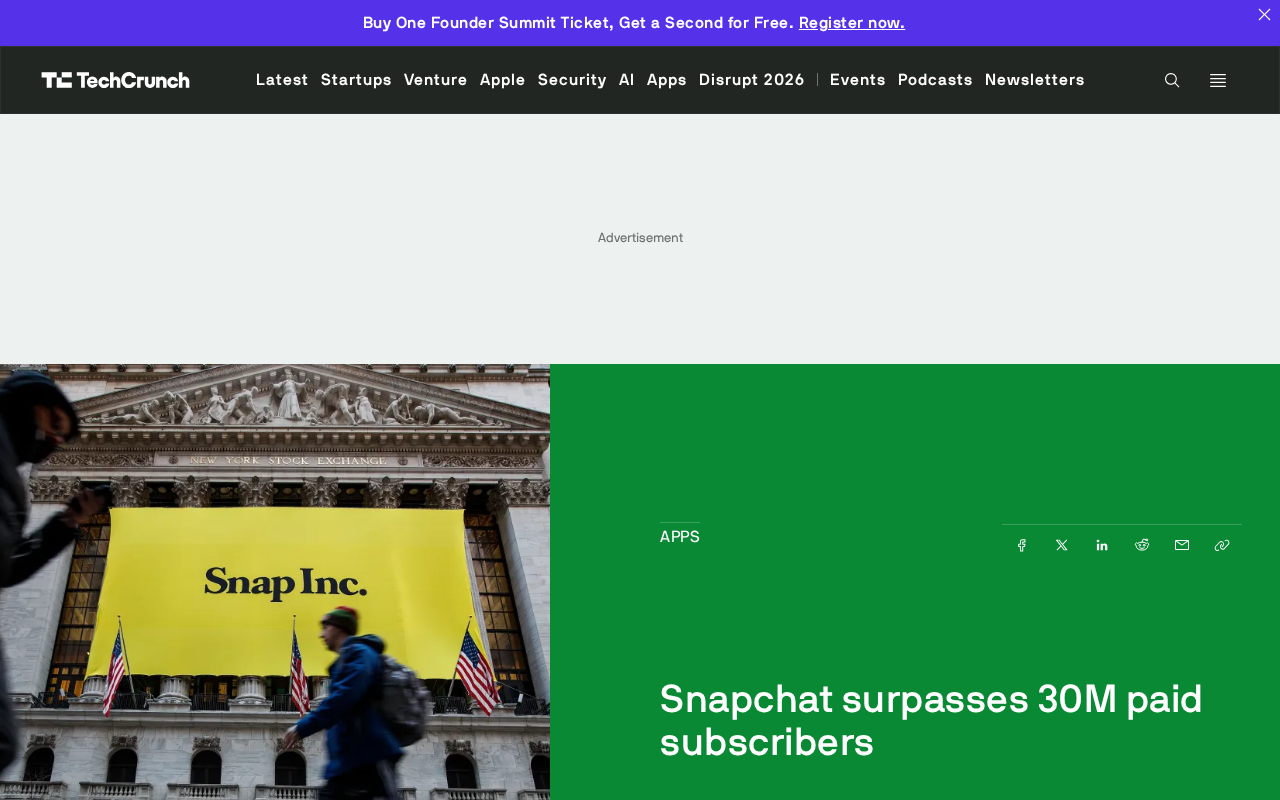
Snapchat's paid subscription service Snapchat+ has surpassed the 30 million subscriber milestone. The achievement comes exactly one year after the platform imposed limits on free storage space and began charging users $1.99 per month for additional storage.
From Free to Paid: A Controversial Pivot
Snapchat's Memories feature has long allowed users to save photos and videos for free. However, the platform announced a cap on free storage and informed users that if they want to keep Memories content beyond the limit, they must either pay $1.99 per month for extra storage or subscribe to Snapchat+.
The decision sparked considerable controversy when it was first announced. For users accustomed to free cloud storage, being suddenly told they need to pay for a previously free feature naturally provoked emotional resistance. But from a business logic standpoint, the move was clear in its aim: converting a massive free user base into paying subscribers.
Memories is a core feature Snapchat launched in 2016, allowing users to back up photos and videos to the cloud, with support for timeline browsing, search, and re-editing. Unlike most social platforms, Snapchat initially built its identity around "disappearing messages," and the introduction of Memories actually broke the ephemeral nature of content, letting users accumulate long-term digital assets within the platform for the first time. Because of this, content stored in Memories often spans years and contains a wealth of private, irreplaceable life moments, with migration costs and emotional value far exceeding ordinary social posts. This also explains why users' willingness to pay is significantly higher than for typical value-added features when the platform limits free quotas—what's being restricted isn't dispensable entertainment content, but an archive of personal memories.
The Conversion Logic Behind 30 Million Subscriptions
Snapchat+ surpassing 30 million paying users shows that the storage limitation strategy did indeed drive conversions. When faced with the choice of "pay or lose your memories," a significant portion of users chose the former. The core here is that Memories often holds personal photos and videos accumulated over years, with high migration and emotional costs—the price of giving up far exceeds the $1.99 monthly expense.
The essence of this strategy is using storage space as a "soft lock-in" mechanism. When user data accumulates on the platform and free quotas are insufficient to contain it, paying becomes the path of least resistance. Snapchat+'s subscription package typically includes other value-added features beyond storage, but the storage limit is clearly the most direct payment trigger.
Soft lock-in is a common strategy in the subscription economy, where platforms don't force users to stay through contracts or technical means, but instead create de facto stickiness through data accumulation, usage habits, and migration costs. Unlike "hard lock-in" in hardware ecosystems or enterprise software, soft lock-in users can theoretically leave at any time, but leaving means abandoning accumulated content, social connections, or configurations. In cloud storage scenarios, this effect is particularly pronounced: the more data users have, the more inadequate the free quota becomes, and the more payment feels like a "forced" choice. Snapchat linking storage caps to subscriptions leverages exactly this psychological mechanism—users aren't facing "should I buy a new feature" but "should I pay to keep my existing data," and the latter has a noticeably lower decision threshold.
Implications for Social Platform Subscription Models
Snapchat's case provides a reference sample for social platforms' subscription efforts. In the past, social products primarily relied on advertising for revenue, with subscription income accounting for a limited share. By linking basic features to storage capacity, the platform found a relatively gentle way to guide payments—not directly stripping features, but setting a cap that users will eventually hit.
Of course, this model has its risks. Users have limited tolerance for "free first, paid later," and if limits are set too aggressively, it could trigger user churn. Snapchat's ability to push subscriptions to the 30 million level within a year shows it found a workable balance between restriction intensity and user acceptance.
Subscription models for social platforms aren't a new topic, but progress has long been slow. Most social products rely on advertising as their sole revenue engine, and users have formed the psychological expectation that "social is free." Snapchat+, launched in 2022, was one of the earlier cases among mainstream social platforms to attempt a pure subscription value-added service, with initial benefits including custom icons, story rewatches, and message pinning—lightweight features priced at $3.99 per month. The growth to 30 million subscribers this time was driven not primarily by these value-added features, but by the rigid payment demand created by storage limits. This shift reveals a key distinction: subscription revenue for social platforms can come from "nice-to-have" value-added benefits or from "essential" basic resource restrictions—the latter has higher conversion efficiency but also consumes more user trust.
Can Subscription Growth Be Sustained
30 million paying users is a milestone, but what's more noteworthy is whether the growth curve can continue. The one-time conversion dividend from storage limits will gradually be exhausted, and future growth will depend more on whether Snapchat+'s value-added features are attractive enough. If features beyond storage in the subscription package can't create sustained usage stickiness, users may cancel after cleaning up their Memories or finding alternatives.
For other social platforms still观望 the subscription model, Snapchat's experience shows: storage can be an entry point for payments, but the key to long-term retention remains whether subscription benefits can continuously deliver value exceeding the price to users.
One-time conversion dividend refers to the incremental paid conversions a platform releases in a concentrated burst over a short period through a policy change (such as limiting free quotas or removing existing benefits). This type of dividend is predictable and decays: once all affected users have made their "pay or abandon" decision, new subscriptions from that policy trend toward zero. For Snapchat+, a substantial portion of the 30 million users brought in by storage limits falls into this category. Future growth needs to rely on the natural appeal of value-added features within the subscription package rather than policy pressure. This also means the platform needs to convert "paying because of storage" users into "staying because of features" users before the dividend window closes—otherwise renewal rates will face a test.
One-line Summary
Snapchat+ subscribers surpass 30 million, with the storage limitation strategy serving as the key driver of paid conversions.
Paragraph Summary
Snapchat+ paid subscribers have surpassed 30 million, exactly one year after the platform imposed limits on free Memories storage. Users who want to keep content beyond the limit must pay $1.99 per month or subscribe to Snapchat+. The strategy sparked controversy but effectively drove free-to-paid conversion. The core logic: personal photos and videos stored in Memories carry high migration costs and emotional value, and storage limits create a soft lock-in, making users lean toward "paying rather than losing memories." The case offers a reference for social platforms expanding from ad-based monetization to subscription revenue, but the one-time conversion dividend from storage limits will eventually be exhausted, and long-term growth still depends on whether value-added features in the subscription package can continuously deliver value exceeding the price.
Related articles
Microsoft WebIQ: Verifiable Real-Time Web Grounding for AI Agents
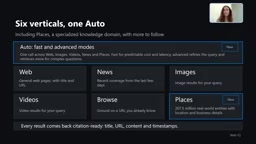
Microsoft WebIQ gives AI Agents real-time, citable web grounding across web, news, images, videos, and Places—164ms P95 latency, 50% fewer tokens, Scopes source control, and MCP integration.
Augmentable Gaussian Splatting: Building Photorealistic Simulation Environments for Robot Training
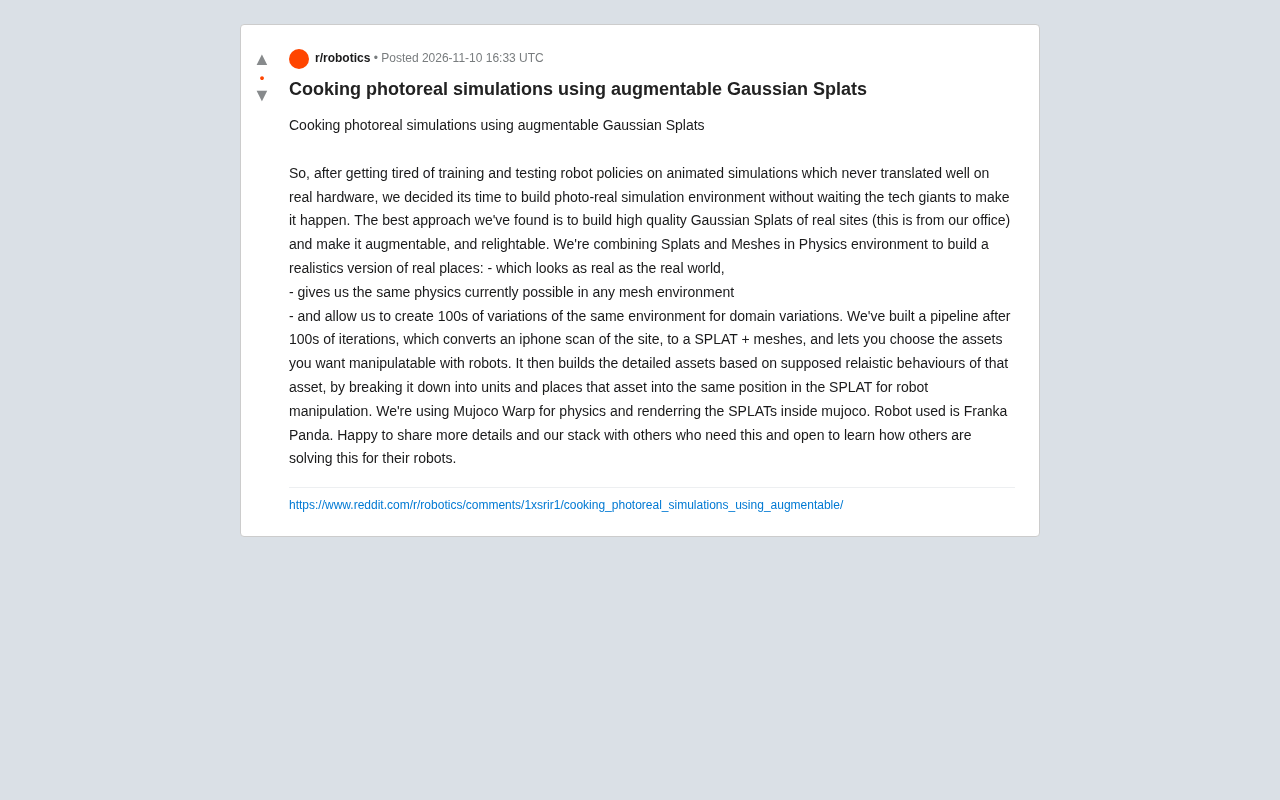
Team combines Gaussian Splatting with meshes to build photorealistic robot simulation environments, integrating MuJoCo Warp physics and Franka Panda for augmentable, relightable real-site simulation.
Gemini 4 Carbon Released: The Leap from Gemini 3 to Gemini 4 in Under a Year
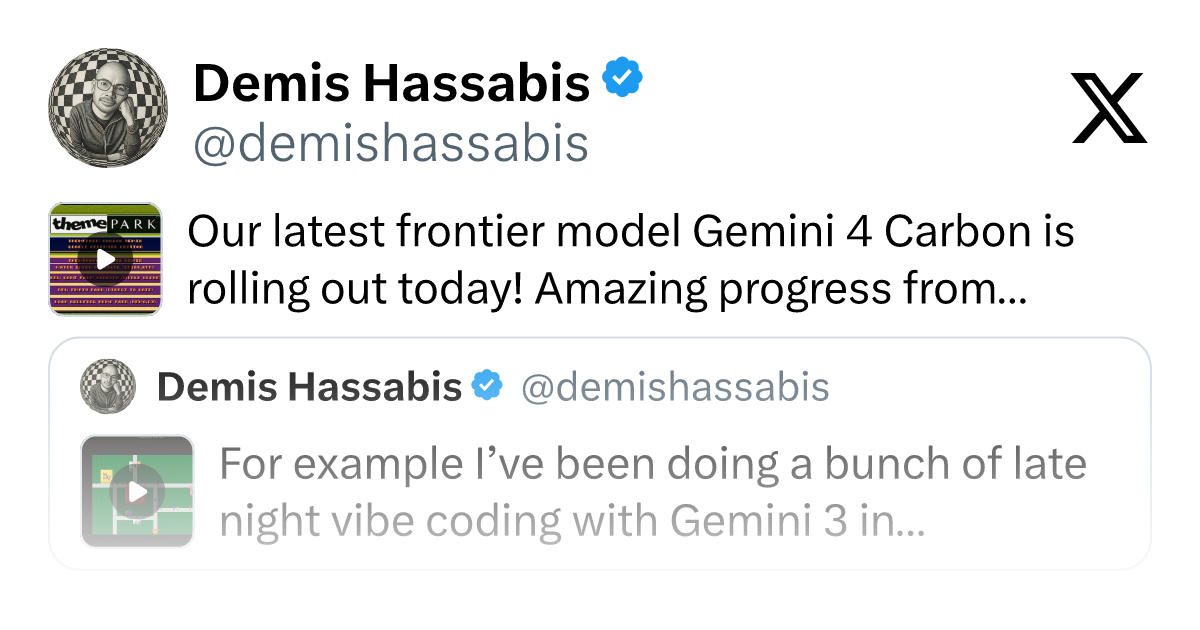
Google releases Gemini 4 Carbon, less than a year after Gemini 3. In the official demo, Carbon reverse-engineered the Theme Park binary, added a new DeepMind-themed ride, and ported it to the web in one shot.