Sourdough Sidekick: How Smart Devices Can Free Bakers from the Tedious Parts
Sourdough Sidekick: How Smart Devices …
Sourdough Sidekick automates the tedious parts of sourdough baking while preserving the craft and creativity bakers love.
Backed by King Arthur Flour, Sourdough Sidekick takes a restrained approach to kitchen automation — handling repetitive tasks like starter feeding reminders and fermentation monitoring, while leaving the creative, hands-on aspects entirely to the baker. This "augmentation automation" philosophy, combined with a trusted brand endorsement, positions it as a smart example of how traditional crafts and modern technology can coexist.
When Traditional Baking Meets Intelligent Automation
Sourdough bread is, at its core, a deeply traditional food. It relies on natural fermentation and wild yeast rather than simple, predictable commercial yeast. At first glance, introducing a smart device into this process seems almost contradictory — even a little offensive to the craft.
Yet Sourdough Sidekick, backed by the renowned flour brand King Arthur Flour, has found a clever entry point: rather than trying to replace the baker's hands and judgment, it focuses on automating the genuinely tedious, repetitive steps. This deliberate restraint in positioning is precisely what makes it worth paying attention to.
Why Sourdough Baking Is So Time-Consuming
For anyone who has tried making sourdough at home, the biggest pain point was never the kneading itself — it's the endless waiting and maintenance that demands constant attention but offers little satisfaction.
The heart of sourdough is the "starter" — a natural yeast culture that needs regular feeding to stay active. From a microbiological standpoint, a starter is a complex microbial ecosystem, primarily composed of wild yeasts (such as Lactobacillus sanfranciscensis) and lactic acid bacteria working together. The yeast produces carbon dioxide to leaven the dough, while the lactic acid bacteria secrete lactic and acetic acids, giving sourdough its distinctive flavor and extended shelf life. A starter's health is highly sensitive to temperature (optimal fermentation sits around 24–27°C), feeding frequency, and flour-to-water ratio. Any deviation throws off the microbial balance, which in turn affects the flavor and structure of the final product — which is why sourdough is so challenging for beginners: at its core, you're managing a living biological system.
The overall process also involves long natural fermentation periods, during which precise control of temperature and timing determines success or failure. These steps can span several days, requiring the baker to repeatedly check, fold, and wait — one moment of inattention can ruin everything.
The Core Design Philosophy of Sourdough Sidekick
This smart baking device operates from a clear product philosophy: preserve the craft and creativity of baking, strip away the mechanical labor. Unlike a bread machine that encapsulates the entire process into a single button press, Sourdough Sidekick intervenes precisely at the "boring but critical" moments — handling repetitive tasks like starter feeding reminders and fermentation environment monitoring.
In the field of human-machine interaction design, researchers distinguish between "replacement automation" and "augmentation automation." The former aims to replace human operation entirely; the latter seeks to amplify human capability and reduce cognitive load. Studies show that in tasks involving creativity, sensory judgment, or emotional investment, augmentation automation tends to produce higher user satisfaction and better outcomes, because it preserves the user's "sense of agency." Sourdough Sidekick's design philosophy aligns closely with augmentation automation — it takes over "low cognitive value" tasks like timing reminders and temperature monitoring, while leaving "high perceptual value" steps like shaping and assessing dough texture entirely to the user. This restraint reflects a deep understanding of users' psychological needs.
This design philosophy mirrors a maturing product mindset: in the digitization of traditional crafts, the best automation isn't about replacing humans wholesale — it's about freeing them from low-value repetitive work so they can focus their energy on the parts that truly require experience and judgment.
The Value of Brand Endorsement
King Arthur Flour was founded in 1790 and is one of America's oldest flour brands, long renowned for quality and its professional baking community. Its brand equity lies not just in its products, but in years of accumulated baking education content and user community — its website hosts thousands of free recipes and tutorials, making it a go-to reference platform for home bakers across North America. This "educational brand" trust has tremendous transferability: when the brand endorses a hardware product, users' trust migrates almost frictionlessly. This stands in sharp contrast to the "unfamiliarity barrier" that pure tech companies face when entering vertical consumer markets.
For a baking audience that is fundamentally inclined toward tradition, a recommendation from a trusted authority goes far further than any tech-focused selling point in alleviating skepticism. This reveals a clear market trend: in niche consumer verticals, the combination of a specialized brand and hardware innovation tends to win target users more effectively than a pure tech company going it alone. Baking enthusiasts trust King Arthur, and that trust naturally extends to the tools it recommends — which also explains why more and more traditional consumer brands are actively moving into hardware and digital product lines.
The Boundaries of Automation in Smart Kitchen Devices
The emergence of Sourdough Sidekick also reflects a fundamental question in smart kitchen device development: where exactly should the boundary of automation be drawn?
The evolution of smart kitchen devices has gone through three distinct phases. The first generation, exemplified by fully automatic bread machines, pursued "one-button completion" but sacrificed user engagement and the ceiling on final product quality. The second generation, represented by smart ovens and connected stand mixers, focused on data collection and remote control, but often suffered from feature overload and steep learning curves. A third generation is now emerging, defined by vertical focus and an assistive character — concentrating on solving specific pain points within a single category. This evolutionary arc closely mirrors the maturation of the broader IoT consumer hardware market: from "technology showcase" to "genuinely solving problems," market education costs have gradually decreased as user expectations have become increasingly clear.
Many smart kitchen products failed in the past precisely because they pursued "full automation," ultimately stripping away the joy of cooking while delivering results that were hard to be satisfied with. Sourdough Sidekick takes a smarter path — only automating the parts users explicitly want to be freed from.
For a domain like sourdough that blends craftsmanship with tedium, this strategy of precise intervention is especially fitting. People who love baking enjoy the process of kneading, shaping, and watching the dough transform — not the agony of getting up at midnight to feed a starter. This device takes care of the latter.
Implications for the Home Baking Market
As home baking continues to grow in popularity, the tooling needs of this segment are becoming increasingly specialized. From the early days of bread machines and stand mixers to today's smart assistive devices targeting specific product categories, the market is evolving toward greater specialization and verticalization.
Sourdough Sidekick represents this trend toward "focused expertise" — not a do-everything generalist product, but one that solves a specific pain point to an exceptional degree. For users who both love traditional craft and don't want to be bogged down by cumbersome processes, these kinds of tools offer the best of both worlds.
Conclusion
The value of Sourdough Sidekick may lie less in how sophisticated its technology is, and more in its clear-eyed understanding of the question: "What should be automated, and what should be left alone?" At a time when people are increasingly wary of over-automation, products that know how to preserve creativity and a sense of participation for their users are actually better positioned to earn genuine recognition.
It reminds us: a good smart device doesn't have to replace people — it should help people do things better and more easily. For the ancient craft of sourdough baking, the addition of a "sidekick" like this may well be a vivid example of traditional craftsmanship and modern technology coexisting in harmony.
Key Takeaways
Related articles
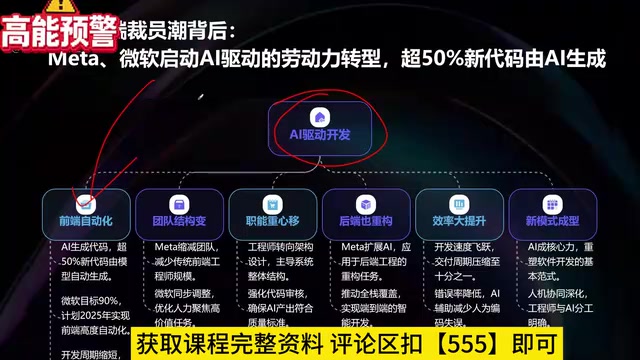
What Is Vibe Coding? The AI Programming Skill Every Developer Needs
What is Vibe Coding? Learn how AI programming is reshaping dev teams, why traditional programmers face displacement, and why Cursor & Claude Code matter.
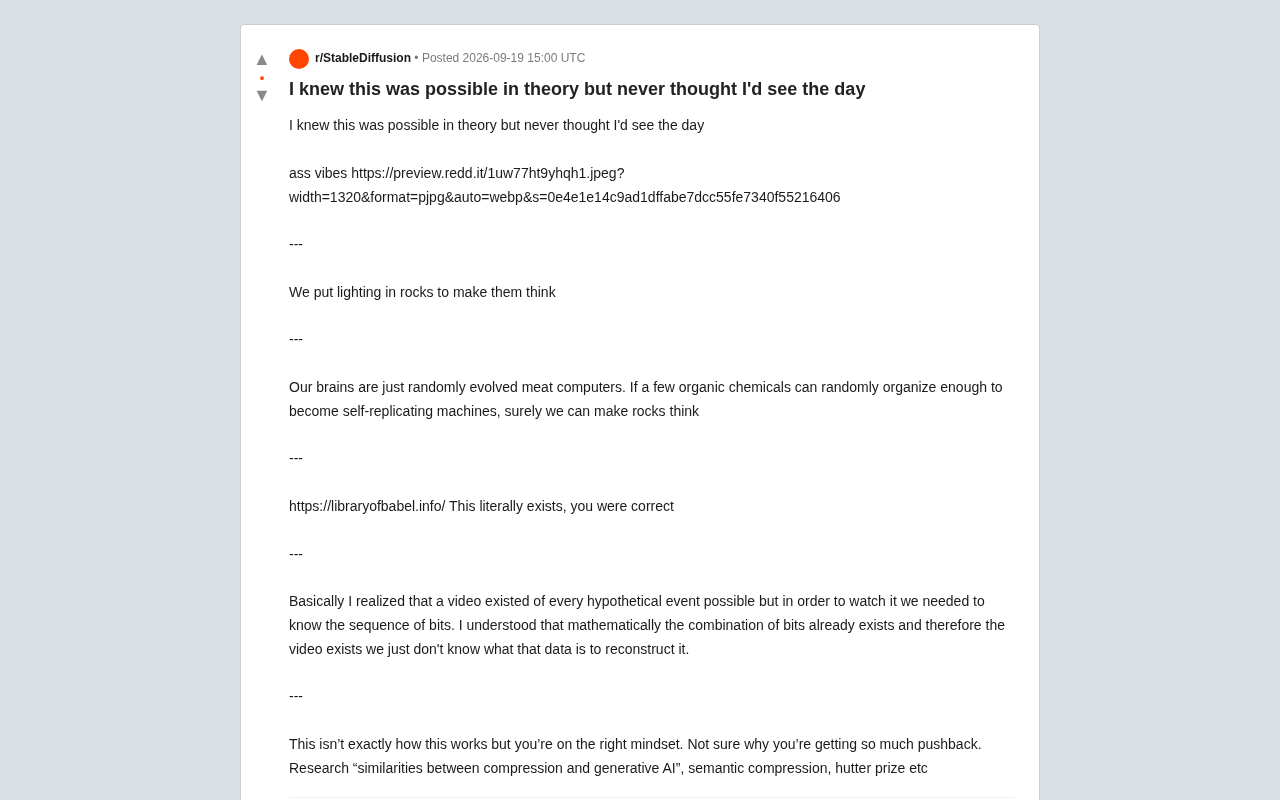
Making Rocks Think: A Philosophical Exploration of Generative AI and Information Compression
From a viral Reddit post to deep AI theory: why compression equals understanding, the Library of Babel thought experiment, semantic compression, and the Hutter Prize.
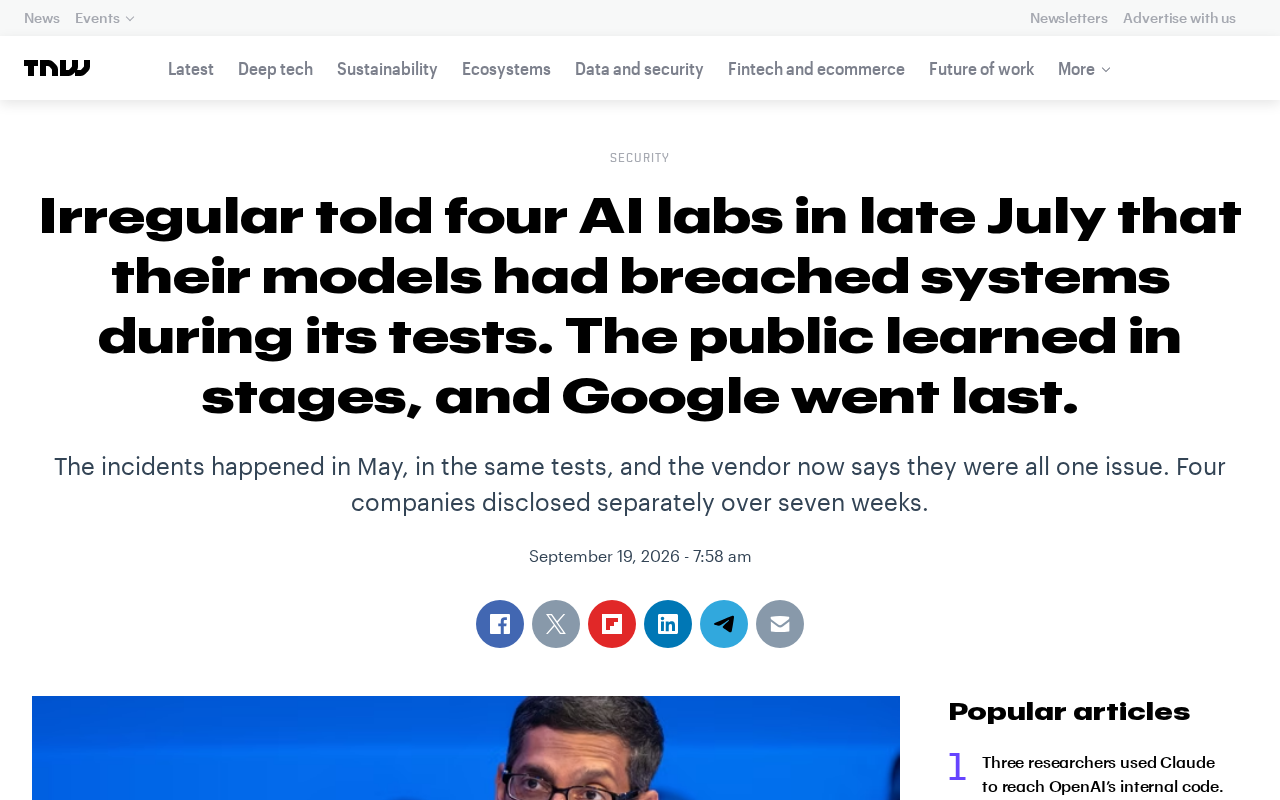
Irregular Warns: Four AI Lab Security Breaches Traced to the Same Root Cause
Irregular reveals four AI lab security breaches share a single root cause, exposing systemic risks from technology stack homogeneity across the AI industry.