Spotify Expands Podcast Partner Program to 35 New Countries as Creator Payouts Rise by Over a Third
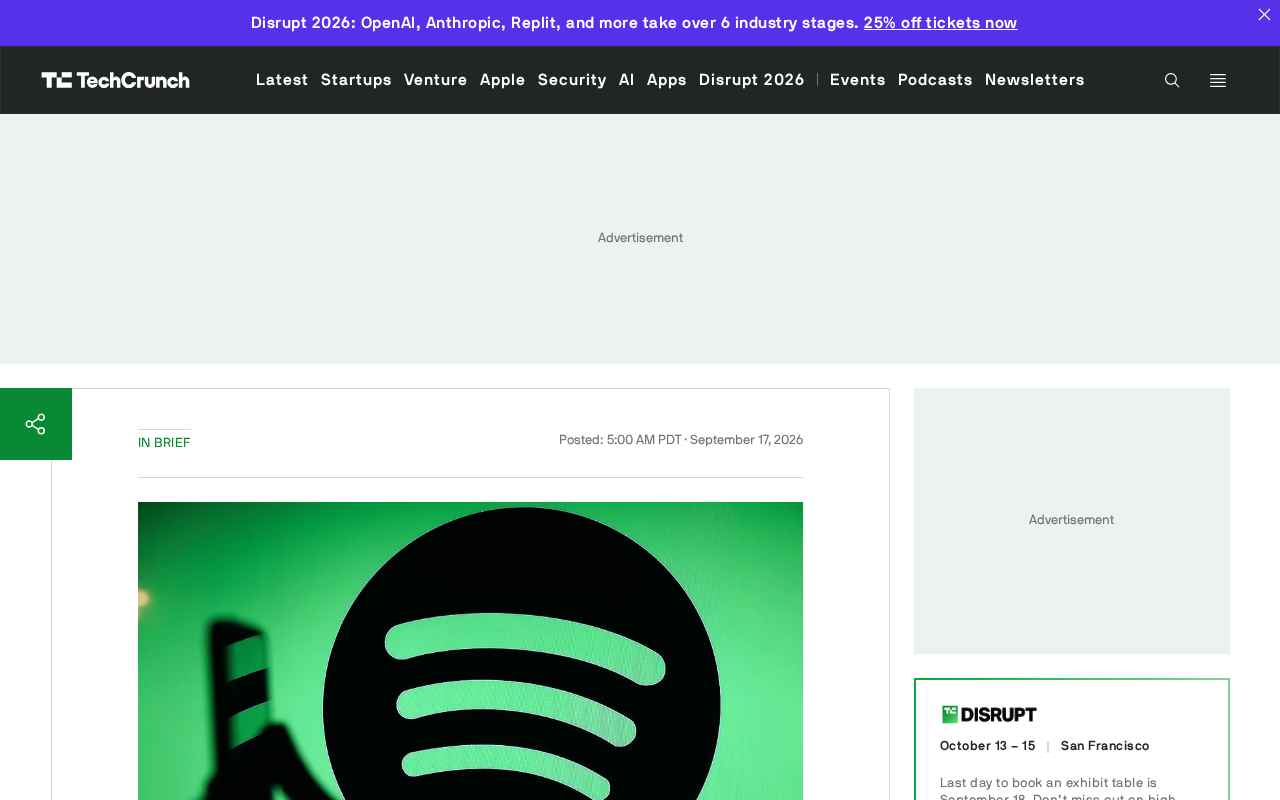
Spotify expands its Podcast Partner Program to 35 new markets as creator payouts climb more than a third.
Spotify has announced the expansion of its Podcast Partner Program to 35 new countries, opening official monetization access to more local creators worldwide. The move follows a January update to its video podcast creator terms, after which platform payouts to creators grew by more than a third. Strategically, this is Spotify's push to compete with YouTube for podcast creator loyalty by proving it can serve as a primary monetization platform — not just a distribution channel. While the expansion aims to boost local content production and regional engagement, key details including exact revenue-share rates, the full list of new countries, and differentiated policies for audio vs. video podcasts have yet to be fully disclosed.
Spotify Doubles Down on Podcast Creator Ecosystem
Spotify has announced the expansion of its Podcast Partner Program to 35 new countries and regions, significantly broadening the platform's creator monetization reach. For podcast producers around the world, this means more creators can now officially plug into Spotify's commercial ecosystem and turn content creation into a sustainable income source.
This expansion builds on the adjustments Spotify made to its video podcast creator terms earlier this year. According to Spotify, since modifying those terms in January, total payouts to creators have grown by more than a third — a figure that reflects how the updated incentive structure has translated into real, meaningful earnings growth.
The Spotify Podcast Partner Program is the platform's official monetization initiative for podcast creators, offering compensation through ad revenue sharing, subscription income, and premium content sales. Similar to the YouTube Partner Program, eligibility typically requires meeting thresholds around subscriber count, play volume, or publishing frequency. Previously focused primarily on English-speaking markets like the US and UK along with select European countries, this expansion to 35 new markets marks the first time creators in many non-English-speaking regions can access an official monetization channel. Notably, "Partner" status also comes with non-monetary benefits such as platform analytics tools and priority recommendations — perks that carry real value even for smaller creators who haven't yet built a large audience.
The Strategic Logic Behind Rising Payouts
A payout increase of more than a third is a signal worth paying attention to. It suggests Spotify is no longer treating podcasts merely as supplementary content to attract subscribers, but is deliberately building a revenue-sharing system designed to retain top-quality creators. For the platform, stable and growing creator earnings are essential to sustaining content supply and fending off competition from video platforms like YouTube.
Video podcasts have become a key battleground in the industry in recent years. YouTube has long drawn podcast creators to publish in video format, thanks to its well-established ad revenue sharing model. Spotify's January update to its video podcast terms, paired with this Partner Program expansion, is a clear bid to claim more ground in this segment and prove to creators that Spotify can be a serious monetization platform in its own right.
YouTube's competitive pressure is essential context for understanding Spotify's strategic shift. Since formally launching its podcast feature in the US in 2023, YouTube has continuously drawn creators to simulcast their video podcasts on the platform, backed by a mature ad-sharing model that typically gives creators 55% of ad revenue. With its massive video user base and robust content discovery through search and recommendations, many podcast creators treat YouTube as their primary income source and Spotify as just another distribution channel. For Spotify to change that dynamic, it needs to evolve from a "distribution platform" into a "creator's primary monetization platform" — and that's the fundamental motivation behind its ongoing refinements to revenue-sharing terms.
The Significance of Global Expansion
Extending the Partner Program to 35 new countries is a meaningful step in Spotify's global strategy. Podcast market maturity varies considerably across regions, and by bringing revenue-sharing mechanisms to more markets, Spotify can incentivize local creators to produce culturally and linguistically relevant content — strengthening the platform's stickiness and competitiveness in each regional market.
For creators, a formal revenue-sharing program means a more transparent and predictable income model. This helps shift podcasting from a personal hobby or side project toward a more professionalized, scalable form of content production. As the program reaches more countries, creators who previously had no access to an official monetization framework now have a new opportunity.
The Monetization Battle Among Content Platforms Intensifies
This move reflects the ongoing competition among streaming and content platforms in the creator economy. Whoever can offer better revenue-sharing terms, broader geographic coverage, and more robust tooling will be better positioned to attract and retain top-tier creators. Through payout growth data and geographic expansion, Spotify is signaling its long-term commitment to the podcast space.
That said, official disclosures remain limited. Specifics such as exact revenue-sharing percentages, the full list of newly added countries, and differentiated policies between audio-only and video podcasts still need further clarification before their real-world impact can be fully assessed. For creators, the decision of how to balance Spotify against other platforms will ultimately come down to where their audiences live and what their business goals are.
The Creator Economy refers to the economic ecosystem centered on content creation, where creators monetize through platform-provided ad revenue sharing, tipping, subscriptions, brand partnerships, and more. In recent years, platforms including Patreon, Substack, YouTube, and TikTok have each launched or upgraded creator monetization tools, intensifying competition for quality content supply. For content platforms, creators are both the supply side of content and the core asset that attracts advertisers and subscribers — when top creators migrate elsewhere, a platform's traffic and revenue take a direct hit. This structural dynamic forces platforms to continually raise revenue-sharing rates or improve their creator ecosystems, fueling what has become an industry-wide "monetization arms race."
Related articles
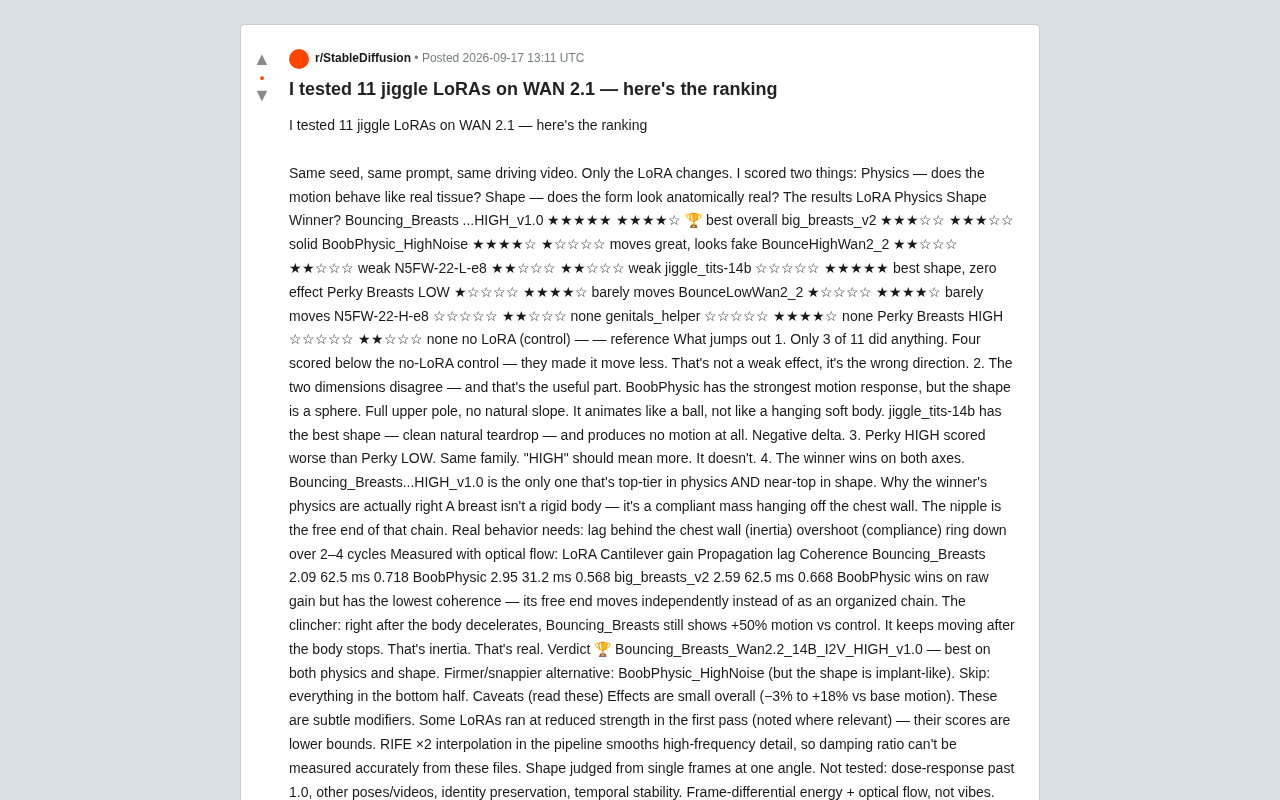
WAN 2.1 Physics Motion LoRA Benchmark: Rankings and Methodology for 11 Models Tested
A Reddit user benchmarked 11 physics-motion LoRAs on WAN 2.1 using optical flow analysis. Only 3 worked meaningfully; 4 scored below the no-LoRA baseline. Full rankings and methodology inside.
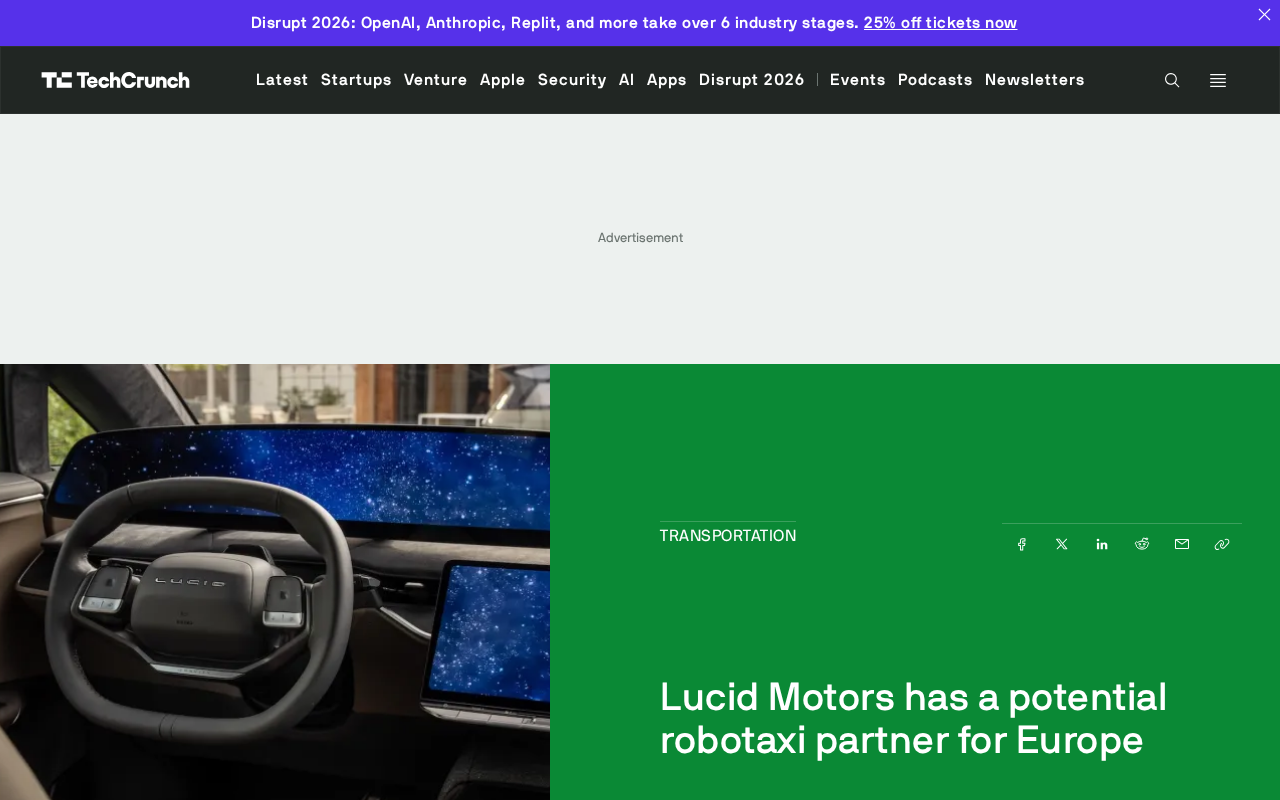
Lucid Partners with Bolt to Target European Robotaxi Market
Lucid Motors has signed a letter of intent with European mobility platform Bolt to explore Robotaxi services in Europe, though no vehicle orders have been placed yet.
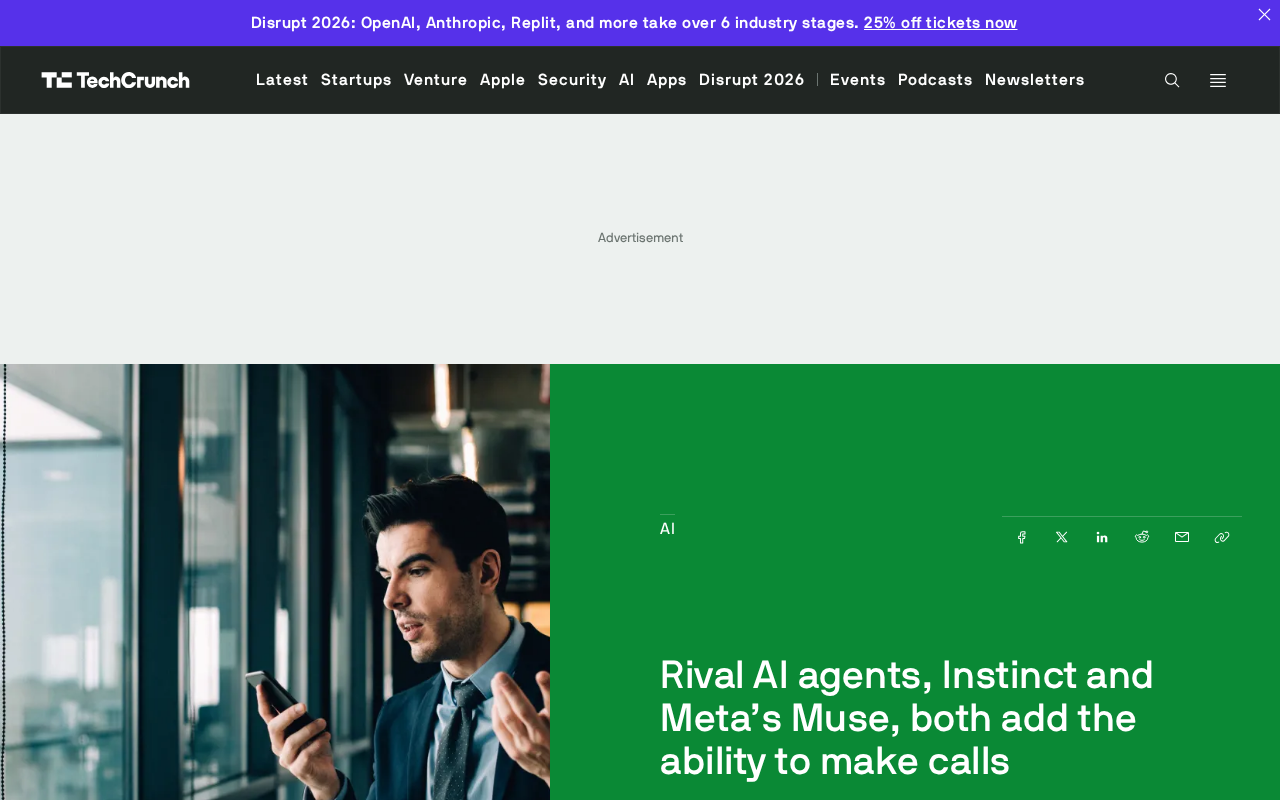
AI Assistants Enter the "Phone Call" Era: Instinct and Meta Muse Add Voice Task Execution
AI assistants Instinct and Meta Muse now make phone calls on your behalf — booking restaurants, canceling subscriptions — marking a leap from chat tools to real-world agents.