Stop Waiting for a Flash of Insight: Start First, Then Iterate

Zuckerberg calls the "eureka moment" a dangerous lie—innovation starts from small seeds and fast iteration.
The article centers on Zuckerberg's critique of startup narratives: pop culture portrays innovation as a single moment of epiphany, and this narrative breeds self-doubt, stopping people with the seeds of good ideas from acting because they feel their ideas aren't complete enough. Zuckerberg uses himself as an example, saying that if he'd had to know everything about connecting people before starting, he never would have built Facebook. He prefers to call good ideas "seeds"—a seed doesn't need to be a tree from the start; it needs to be planted first, then receive feedback and pruning in a real environment. The article also uses the quip "no one writes math formulas on glass" to note that pop culture packages innovation as performative ritual, obscuring the trial and error and inelegant stopgaps of real building. It ends with three actionable principles: watch out for "I'm not ready yet," trade a minimum viable version for real feedback, and accept starting rough—because the precondition for iteration is having something to iterate on.
Zuckerberg took aim at the popular culture narrative around entrepreneurship in a recent talk. He didn't discuss technology trends or review product decisions—instead, he went straight at a belief almost everyone takes for granted: that great innovation comes from a single moment of "flash of insight." In his view, this isn't just a misreading—it's a dangerous lie.
The Myth of the Flash of Insight Is Scaring Off Doers
"If I had to know everything about connecting people before I got started, I never would have built Facebook." This line from Zuckerberg gets to the heart of the matter: getting started doesn't require a complete map.
But movies and popular culture repeatedly push a different image—the protagonist gets struck by lightning in a single moment, and then everything falls into place. The psychological consequence of this narrative is subtle: it makes people feel they "haven't hit that moment yet," rationalizing inaction as waiting for inspiration. Worse still, it prevents those who already hold the seeds of a good idea from taking the first step, because they feel their idea isn't "complete" enough.
Zuckerberg's judgment is blunt: this notion of a single eureka moment is "a dangerous lie." What it produces isn't motivation—it's self-doubt.

Good Ideas Start Out as Seeds
Note Zuckerberg's wording—"seeds of good ideas." The metaphor itself rejects "finished-product thinking." A seed doesn't need to grow into a tree from the start; it needs to be planted, then receive light, water, and pruning in a real environment.
This is especially relevant to AI product development today. Many teams try to figure out model selection, data pipelines, and user growth paths entirely before lifting a finger. But the reality is that the value of an AI application often only becomes apparent after the first real user interaction—not in the requirements doc. Shipping a rough but usable version is closer to the right answer than three months of mental simulation.
Minimum Viable Product (MVP) is the core concept of the Lean Startup methodology, systematically introduced by Eric Ries in The Lean Startup: build the lowest-cost version of a product containing only the core hypotheses, release it to real users to validate demand, rather than polishing a perfect solution internally before launch. The key to an MVP isn't fewer features—it's being genuinely usable and producing observable feedback signals. For AI applications, an MVP often takes the form of a rough but interactive prototype that uses real user data to expose the model's failure modes in edge cases.
The Build–Measure–Learn loop works alongside the MVP: build the minimal version first, then use behavioral data to measure results, and finally revise assumptions about user needs accordingly, forming a fast feedback loop. Its precondition is that the team is willing to start from "the hypothesis may be wrong." For AI product development, model capabilities, prompting strategies, and interaction flows are all hypotheses that need to be tested by this loop. Teams trying to figure out model selection and data pipelines before starting often are just trading a plan for psychological comfort.
While We're at It, Let's Debunk Something: No One Actually Writes Formulas on Glass
Zuckerberg also took a swipe at another movie trope: the genius scribbling math formulas across a glass board. "No one writes math formulas on glass, okay? That's not a thing." The quip seems like a joke, but it points to the same problem—popular culture packages innovation as a performative, ritualistic act, while the real building process is far more tedious and far more mundane.

What actually moves things forward is repeated trial and error, inelegant stopgap solutions, and the ability to make decisions with incomplete information. Romanticizing innovation actually obscures its most replicable part: start acting, then adjust based on feedback.
What It Actually Means for Builders
If you translate Zuckerberg's words into actionable principles, there are roughly three. First, treat "I'm not ready yet" as a warning signal to watch for, not a reasonable excuse. Second, trade a minimum viable version for real feedback, rather than trading a perfect plan for psychological comfort. Third, accept the roughness of the start, because the precondition for iteration is having something that can be iterated on.
Innovation isn't an epiphany you wait for—it's a process you set in motion. You don't need to know all the answers; you just need to start.
Iteration refers to making multiple rounds of small-step modifications to a product based on real feedback, rather than planning everything out in one go. Its precondition is that there exists something that can be modified—which is exactly where Zuckerberg's "seed" metaphor lands: plant it first, then adjust the direction of growth based on light, water, and pruning. The opposite of iteration is the perfectionist waterfall process, which front-loads all decisions into the documentation phase. For builders, the criterion isn't whether the plan is thorough—it's whether you can get real signals for correction as quickly as possible.
Related articles

CBR-II Robot V3 Update: Smoother Gait and a One-Leg Stand Attempt
CBR-II robot V3 update achieves smoother gait control and attempts one-leg standing. This article analyzes its technical improvements, balance control challenges, and open-source community innovation value, offering reference for bipedal robot enthusiasts.
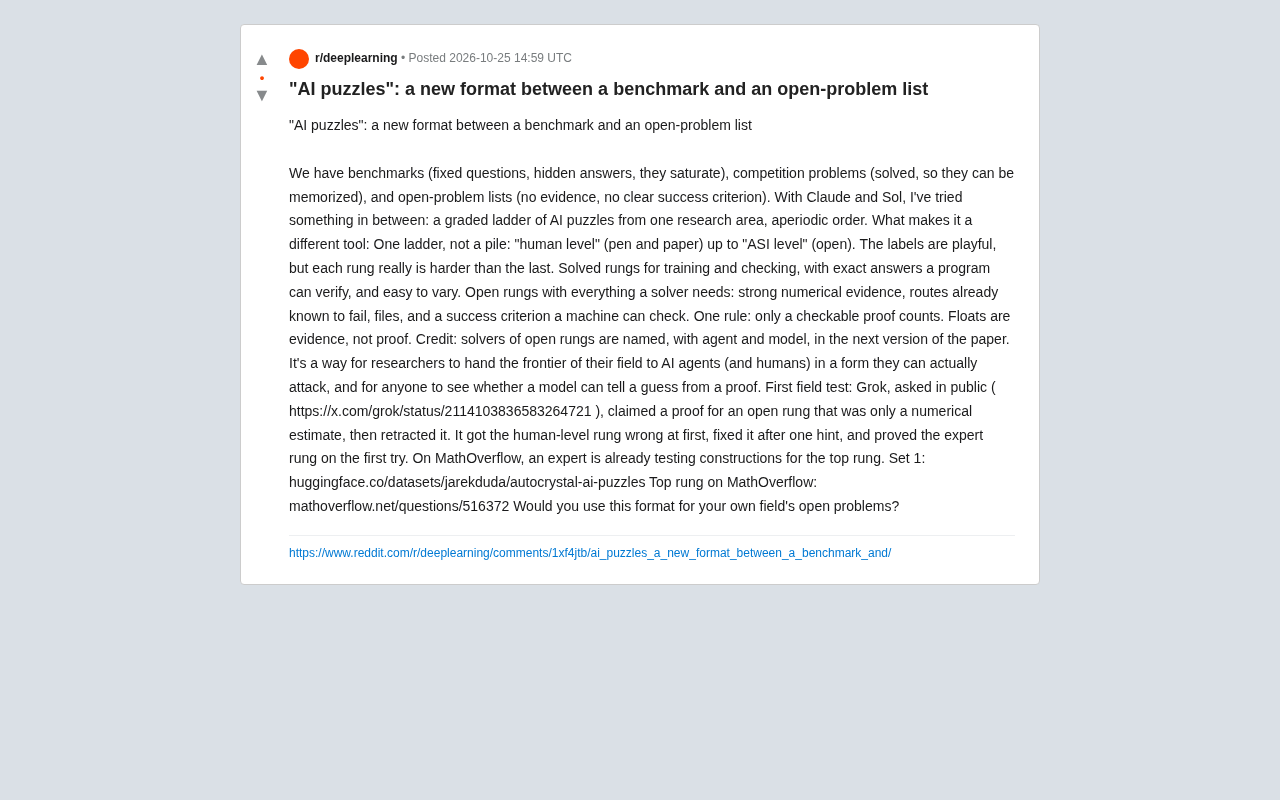
AI Puzzles: A New Paradigm Between Benchmarks and Open Problems
AI puzzles are a new evaluation format between benchmarks and open problems, piloted in aperiodic order, using tiered ladders and machine-verifiable proof standards to test whether AI can distinguish guessing from proving. In Grok's first live test, it misreported numerical estimates as proofs.

Listening on 11175 kHz: US Nuclear Forces' Emergency Action Messages Are Publicly Audible
The missileer.watch project reveals that US nuclear forces' Emergency Action Messages (EAM) are publicly audible on 11175 kHz shortwave. This article analyzes EAM communication mechanisms, shortwave redundancy design logic, whether public audibility constitutes a security vulnerability, and discusses the technical barriers and ethical boundaries of the listening community.