Streaming Giants Battle for Halloween: Horror Series Becomes the New Competitive Frontier
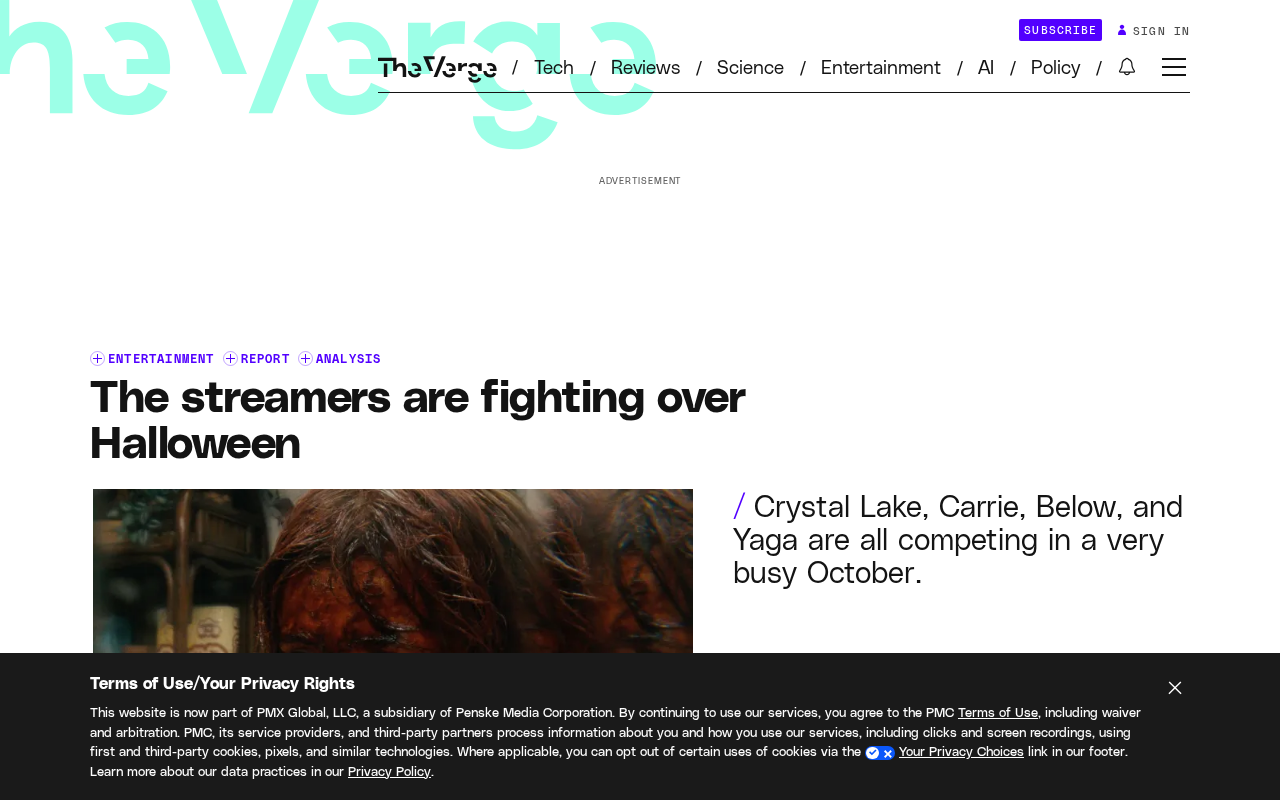
Four major streaming platforms converged at TIFF to stake their claims on horror content ahead of Halloween.
At the 2024 Toronto International Film Festival, Peacock, Netflix, Amazon, and AMC simultaneously unveiled preview content for their upcoming horror series, revealing a new competitive dynamic in the streaming industry. Horror content's manageable production costs, strong social media virality, and seasonal fit make it a prime weapon for capturing viewer attention during the Halloween window. This "cluster competition" reflects a deeper industry shift: with subscriber growth slowing, platforms have moved from a volume-based content race to more precise management of specific genres and release windows — and the battle for Halloween is only just getting started.
Streaming Giants Set Their Sights on Horror
The Toronto International Film Festival (TIFF) has long served as a window into the future of the film industry — but this year, it unexpectedly revealed an intense competition brewing in the streaming world. Peacock, Netflix, Amazon, and AMC all used the festival as a stage to unveil preview content for their upcoming horror or horror-adjacent series, arriving at the same moment and with the same goal.
This was no coincidence. The Halloween season has always been a peak period for content consumption, and horror content — with its strong audience engagement and viral potential — has become a key weapon for platforms competing for viewer attention. The fact that all four platforms are pushing hard simultaneously reflects how closely aligned the industry has become in its content scheduling strategy, and signals that a wave of horror series supply is about to hit.
Why Horror?
Horror content holds a unique advantage in the streaming wars. Production costs are relatively manageable, yet the genre consistently generates outsized social media buzz and viral spread. For platforms that need to continuously acquire new subscribers and reduce churn, horror series offer an impressive return on investment.
The seasonal factor is equally important. Concentrating horror releases around Halloween precisely matches the viewing mood and consumption habits of audiences. Platforms chose to signal their intentions at a major industry event like TIFF not only to warm up the market for their content, but also to demonstrate their content pipeline to competitors and the industry at large.
The data already validates horror's value to streaming platforms. Netflix's horror and thriller series — including Stranger Things and Midnight Mass — broke platform viewing records upon release and sparked sustained social media conversations. This "social currency" effect is especially critical for streaming platforms: when users spontaneously share scare reactions or plot theories on Twitter and TikTok, platforms essentially receive massive amounts of free word-of-mouth marketing. Horror series also carry strong "completion momentum" — suspenseful narrative structures compel viewers to binge-watch, effectively increasing session length and directly improving platform retention rates. Compared to superhero franchises or historical epics that can cost hundreds of millions of dollars, mid-budget horror series frequently deliver far stronger returns on investment.
Streaming Competition Enters a Content Differentiation Phase
When Peacock, Netflix, Amazon, and AMC all bet on the same genre within the same time window, it reflects a fundamental shift in the competitive logic of the streaming industry. With subscriber growth slowing, the battle between platforms has moved away from a pure content volume race toward more refined management of specific genres and release windows.
Whichever platform delivers the most talked-about content during the Halloween window stands the best chance of attracting and retaining viewers in the short term. While this "cluster competition" risks driving content homogenization, it also forces each platform to seek differentiation in storytelling, production quality, and marketing.
TIFF itself as the chosen venue is worth examining. Alongside Cannes and Venice, TIFF ranks among the world's top three film festivals — but it carries a notably stronger commercial character, and has long served as a key battleground for streaming platforms seeking both awards-season momentum and early audience priming. Netflix, Amazon, and others have spent years acquiring films or hosting special screenings at TIFF, using the festival as an efficient channel for reaching critics, industry buyers, and core audiences. Choosing to debut horror series preview content here signals that these platforms are no longer content to treat genre programming as purely commercial fare. Instead, they are leveraging the cultural credibility of the festival to elevate horror within a more "serious content" context — while simultaneously sending a dense round of competitive signals to the industry.
Conclusion
What unfolded at the Toronto International Film Festival is a microcosm of the intensifying competition in the streaming industry. The convergence of horror content, seasonal marketing, and a major industry event illustrates both the strategic alignment and the creative rivalry among platforms fighting for viewer attention. For audiences, this means more horror series to choose from in the months ahead. For the industry, the battle for Halloween has only just begun.
(Note: This article is based on limited source material. Specific series titles and release dates should be confirmed through official platform announcements.)
Related articles
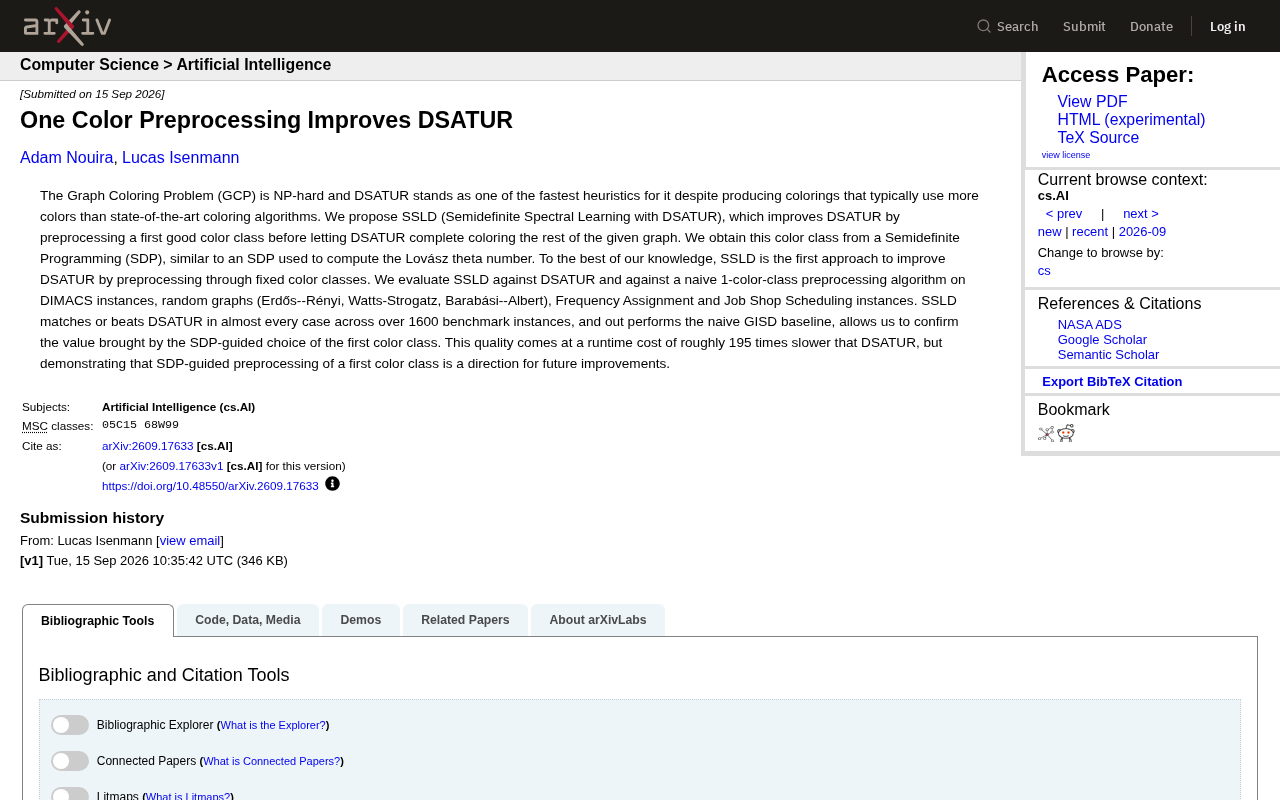
SSLD: Improving the DSATUR Graph Coloring Heuristic via Semidefinite Programming Preprocessing of a Single Color Class
A new arXiv paper proposes SSLD, which improves classic DSATUR graph coloring by preprocessing the first color class via SDP. Tested on 1,600+ benchmarks, SSLD matches or beats DSATUR at ~195× runtime cost.
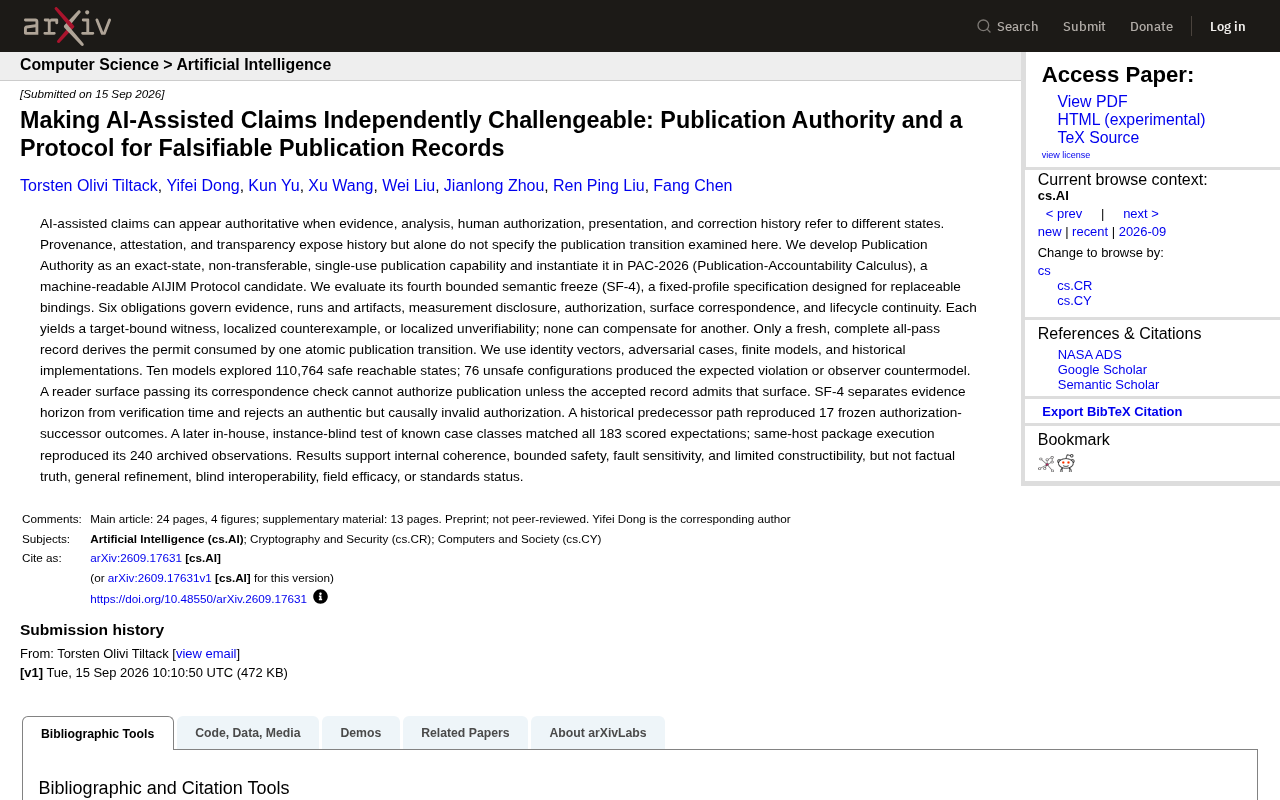
Making AI-Assisted Conclusions Independently Challengeable: An Analysis of the PAC-2026 Falsifiable Publication Protocol
PAC-2026 introduces Publication Authority and six non-compensable obligations to make AI-assisted publication acts falsifiable and independently challengeable, validated across 110,764 states.
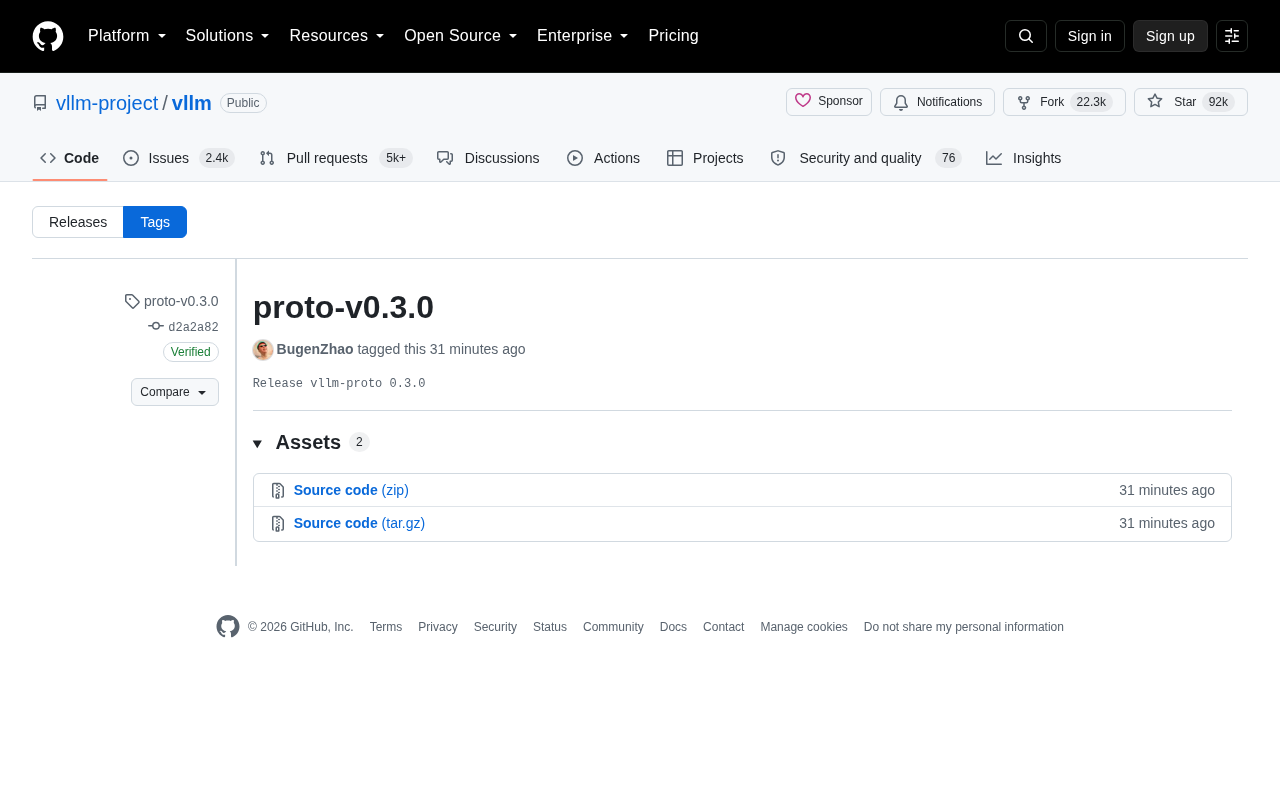
vLLM Releases proto-v0.3.0: Another Iteration of the High-Performance Inference Framework
vLLM releases proto-v0.3.0, independently versioning its protocol submodule with SSH signature verification — strengthening distributed inference infrastructure and supply chain security.