Stuxnet Source Code Reconstruction: Dissecting the Attack Chain of History's Most Complex Cyber Weapon
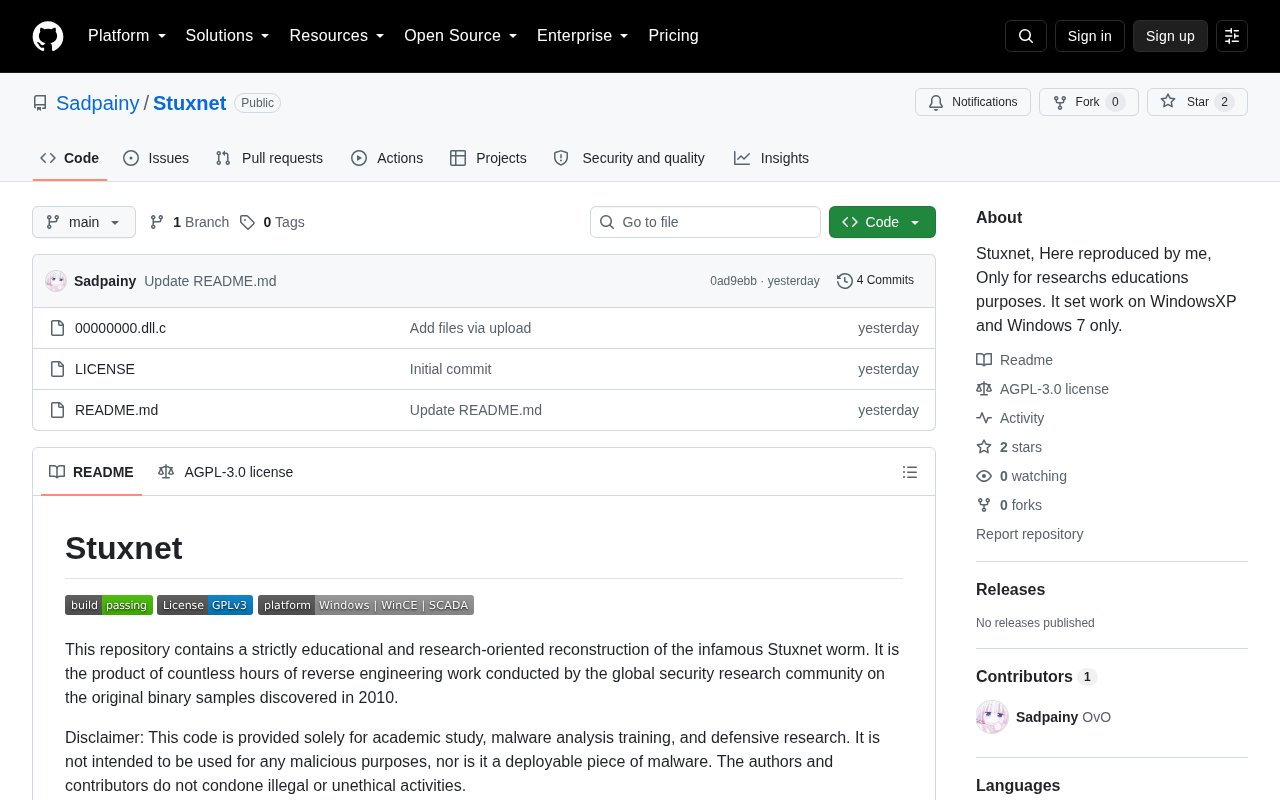
Deconstructing Stuxnet: how the most sophisticated cyber weapon exploited zero-days to sabotage nuclear centrifuges
An open-source project reconstructing Stuxnet's source code reveals the technical sophistication of this 2010 cyber weapon that sabotaged Iranian nuclear centrifuges. Combining four zero-day exploits, stolen digital certificates, and surgical PLC manipulation, Stuxnet exposed critical vulnerabilities in air-gapped industrial systems and reshaped industrial cybersecurity standards.
Project Background: Restoring a Legendary Cyber Weapon from Historical Fog
Recently, an open-source project reconstructing the Stuxnet source code has sparked widespread attention on Hacker News. Stuxnet is widely recognized as the most iconic malware in cyber warfare history—this worm virus discovered in 2010 specifically targeted industrial control systems at Iranian nuclear facilities, successfully disrupting the normal operation of approximately 1,000 uranium enrichment centrifuges.
This reconstruction project attempts to restore Stuxnet's core code logic through reverse engineering and public research materials. Although the original attack code has never been fully disclosed, security researchers have revealed most of its technical details through years of continuous analysis. The value of this project extends beyond academic research at the technical level, providing a rare practical reference case for cybersecurity education and industrial control system protection.
Stuxnet Technical Analysis: The Ingenious Design of a Multi-Layer Attack Chain
Stuxnet's technical complexity is breathtaking. The entire attack chain contains multiple techniques that were highly innovative at the time and remain classic material for security research today.
Combination Exploitation of Four Zero-Day Vulnerabilities
Stuxnet simultaneously exploited four Windows zero-day vulnerabilities, including the famous LNK shortcut vulnerability (CVE-2010-2568) and the print spooler vulnerability. Integrating so many zero-day vulnerabilities in a single piece of malware was unprecedented at the time. The attackers clearly possessed sufficient resources to collect and weaponize these high-value vulnerabilities.
A zero-day vulnerability refers to a security flaw unknown to software vendors or for which no patch has been released, named because attackers already know how to exploit it on "day zero" before the vendor does. In underground markets and legitimate vulnerability brokers (such as Zerodium), a high-quality Windows remote code execution zero-day vulnerability can fetch prices ranging from hundreds of thousands to over a million dollars. Stuxnet's simultaneous consumption of four zero-day vulnerabilities represents a "cost" of potentially several million dollars for this item alone—nearly unimaginable for ordinary cybercriminal organizations, and key evidence suggesting state-level backing.
Stolen Digital Certificates to Bypass Signature Verification
Stuxnet employed a dual digital signature strategy, using legitimate digital certificates stolen from two Taiwanese companies, Realtek and JMicron, to successfully bypass Windows driver signature verification mechanisms. This highly targeted approach indicates that the attackers possessed strong intelligence gathering and supply chain infiltration capabilities.
Starting with Vista 64-bit, Windows operating systems mandated that kernel drivers must carry digital signatures issued by trusted certificate authorities (CAs). This mechanism establishes a chain of trust from root certificates to endpoint code, designed to prevent unverified code from running at the highest system privilege level. Stuxnet's theft of legitimate code signing certificates from Realtek and JMicron essentially subverted the PKI (Public Key Infrastructure) trust model—the system cannot distinguish between "legitimately signed malicious code" and "legitimately signed normal code," exposing the weak link in the entire digital trust system where "certificate holders may be compromised."
Stealth Attacks Targeting Siemens PLCs
Stuxnet's most ingenious component is its attack module against Siemens Step 7 industrial control software. It can identify specific PLC (Programmable Logic Controller) models, modify centrifuge speed control code, while feeding fake normal operational data back to monitoring systems. This technique is called a "man-in-the-middle attack" in industrial control systems—operators see everything as normal while equipment is being quietly sabotaged.
Siemens Step 7 is the core programming and configuration software for Siemens SIMATIC S7 series PLCs, holding a dominant position in global industrial automation. PLCs are fundamental execution units in industrial control systems, driving physical devices through cyclical scanning of input signals, executing user logic programs, and outputting control instructions. Stuxnet's specific targets were OB (Organization Block) program blocks running in Siemens S7-315 and S7-417 model PLCs. It could intercept communication between Step 7 and PLCs, inject malicious instructions into STL (Statement List) code, while hijacking the data readback process to return preset normal values. This is equivalent to inserting a completely transparent malicious proxy layer between engineers and physical equipment.
Industrial Control Security Lessons: Comprehensive Exposure of Industrial Network Vulnerabilities
The Stuxnet incident fundamentally changed the industry's perception of industrial control system security, breaking multiple long-standing security assumptions.
Physical Isolation Is Not a Panacea
For a long time, many critical infrastructure operators mistakenly believed that "physical isolation" alone could guarantee security. However, Stuxnet successfully breached air-gapped network defenses through removable media such as USB drives, proving fundamental flaws in physical isolation strategies.
An air-gapped network is a physical isolation security strategy that achieves protection by ensuring no physical connections exist between the target network and the internet or other external networks, widely used in military command systems, nuclear facilities, financial clearing centers, and other high-security environments. Stuxnet's propagation strategy was remarkably clever: it first infected large numbers of ordinary computers via the internet and LANs (estimated global infections exceeded 100,000), then "waited" for USB storage devices on infected computers to be brought into isolated networks. Once a USB drive was inserted into a computer within the air-gapped network, the LNK vulnerability would trigger automatic execution. This "cast a wide net, strike precisely" strategy statistically ensured penetration success probability, while Stuxnet included an infection counter (limiting propagation to three layers maximum) to control spread and avoid premature exposure.
Supply Chain Security Becomes a Focus
This case profoundly revealed the importance of supply chain security. Attackers not only needed to understand the target system's technical architecture but also had to master specific industrial equipment's operational parameters and physical characteristics. Stuxnet's precise knowledge of centrifuge models, speed ranges, and other details at Iran's Natanz nuclear facility indicates long-term intelligence preparation behind the attack.
Advancing Industrial Control Security Standards
From a defensive perspective, this incident accelerated the development and refinement of industrial network security standards, such as the IEC 62443 series. Modern industrial control systems have begun adopting defense-in-depth strategies, encompassing multiple protective measures including network segmentation, anomaly detection, and firmware integrity verification.
IEC 62443 is a family of industrial automation and control systems (IACS) cybersecurity standards developed by the International Electrotechnical Commission (IEC), covering a complete framework from general concepts and security policies to system-level and component-level technical requirements. The standard divides industrial systems into different security zones and conduits, defining four security levels (SL 1-4), from resisting casual violations to resisting nation-state attackers. Before the Stuxnet incident, the industry generally believed OT (Operational Technology) environments faced limited cyber threats; after the incident, IEC 62443 adoption accelerated significantly, and the U.S. NIST also released an updated version of SP 800-82 "Guide to Industrial Control Systems Security." These standards collectively drove a paradigm shift toward IT/OT convergence security governance.
The Double-Edged Sword of Open-Source Reconstruction: The Balance Between Knowledge Sharing and Security Risks
Open-source reconstruction of a cyber weapon like Stuxnet has sparked intense debate within the security community.
Supporters' viewpoint: Only by fully understanding attack techniques can defenders establish effective protection mechanisms. Such projects can serve as valuable teaching materials for cybersecurity education, helping security researchers and industrial control system engineers deeply understand how advanced persistent threats (APTs) operate.
Critics' concerns: Even reconstructed versions could be exploited by malicious actors, objectively lowering the technical barriers to launching similar attacks. Although modern operating systems and industrial software have patched the specific vulnerabilities exploited by Stuxnet, its attack methodology and technical framework still have reference value and could be adapted for other targets.
From an ethical perspective, such projects need to find a balance between knowledge sharing and security risks. Responsible security research should focus on defensive applications, avoiding providing "plug-and-play" attack tools. Project maintainers typically remove details of critical exploit code, retaining only what's necessary for education and research.
Future Outlook: The New Normal of Cyber Warfare in the Post-Stuxnet Era
Stuxnet opened Pandora's box for nation-state cyber weapons. Subsequently emerging malware such as Duqu, Flame, Havex, and Triton all displayed similar complexity and targeting, indicating that cyberspace has become a normalized battlefield for state-level confrontation. Industrial control systems, as the nerve centers of critical infrastructure, directly impact national security.
These subsequent industrial control malware families each have distinct characteristics: Duqu (2011) is believed to share partial code framework with Stuxnet, focusing on intelligence gathering rather than destruction; Flame (2012) is a massive espionage platform, reaching 20MB in size, with capabilities including audio recording, screenshots, and Bluetooth device scanning; Havex (2014) conducted watering hole attacks by compromising industrial control vendor websites, specifically scanning OPC servers to map industrial network topologies; Triton/TRISIS (2017) is among the most dangerous industrial control malware to date, directly attacking Schneider Triconex Safety Instrumented Systems (SIS)—the last line of defense against industrial accidents, which when tampered with could lead to catastrophic consequences such as physical explosions or toxic substance releases. The evolutionary trajectory of these malware families clearly indicates that cyber attack capabilities targeting industrial control systems continue to escalate.
With the rapid development of Industry 4.0 and IoT technologies, industrial systems' network connectivity is increasingly strengthening, and the attack surface continues to expand. Future industrial control security needs to incorporate security into core considerations from the design phase, practicing the "Security by Design" philosophy. That said, artificial intelligence applications in anomaly detection and threat prediction are also providing new technical weapons for defenders.
The Stuxnet source code reconstruction project reminds us: technology itself is neutral; what matters is the user's intent. For security practitioners, deeply understanding major historical security incidents and drawing lessons from them is what enables us to remain proactive when facing more complex cybersecurity challenges in the future.
Related articles
GPT-6 Astra Completes All 48 Levels of 'I'm Not A Robot' Game
GPT-6 Astra successfully completes all 48 levels of the 'I'm Not A Robot' game, demonstrating remarkable visual understanding, logical reasoning, and task adaptation. This article analyzes the technical capabilities behind this breakthrough and its implications for CAPTCHA verification and AI safety.
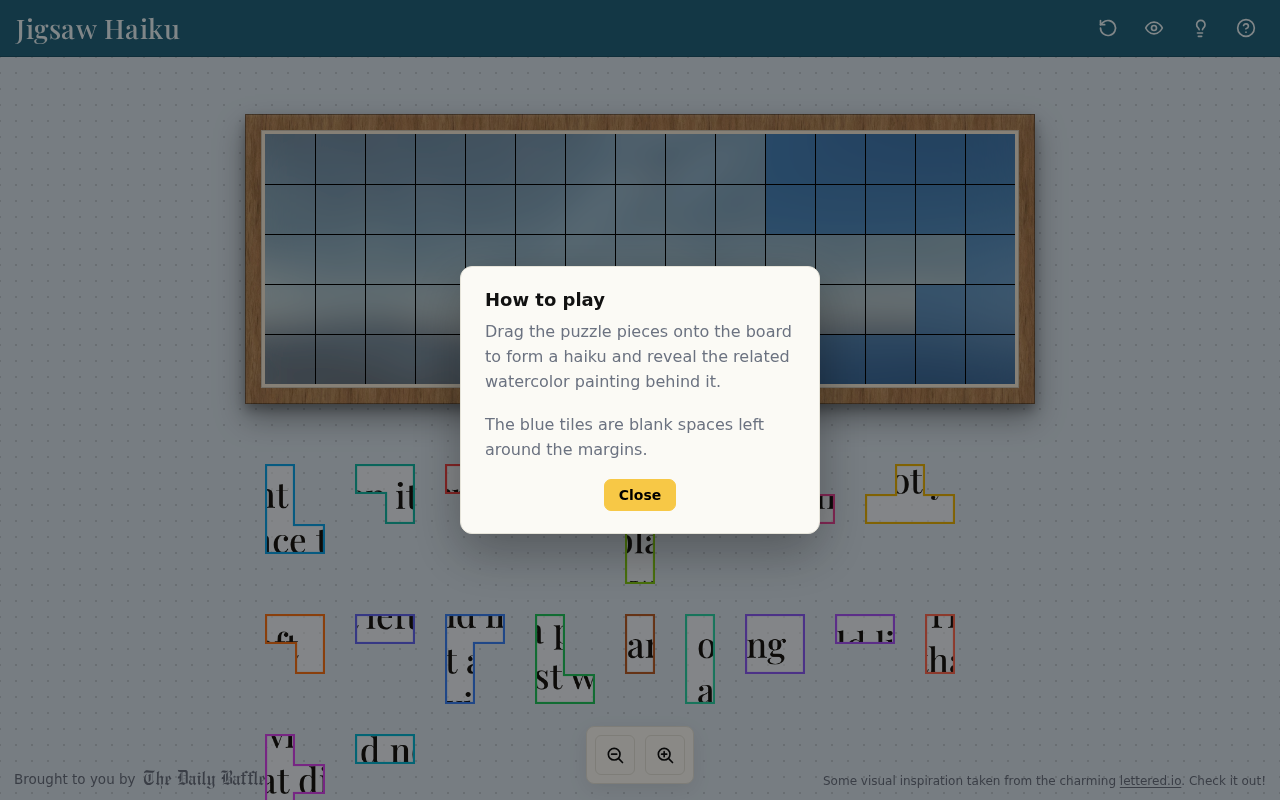
Minimalist Aesthetic Puzzle Game Development: Insights from Independent Creation
An in-depth analysis of an independent developer's aesthetic puzzle project shared on Hacker News, exploring minimalist design philosophy, Show HN community culture, and aesthetics-first product thinking in independent development.
Microsoft Project Zenith: A Distraction-Free Windows Experience Built for Developers
Microsoft officially launches Project Zenith, a distraction-free Windows experience for professional developers. Requires 64GB+ unified memory, comes preconfigured, removes ads—targeting the high-end developer market dominated by macOS.