Surge of Ask HN Posts on Hacker News Raises Community Concerns
Hacker News users flag a surge in Ask HN question posts, raising concerns about drift in the community's content structure.
A "Tell HN: Lots of Ask HNs again" post on Hacker News notes a clear increase in Ask HN question posts. Though the post itself gained limited traction, it touches on a long-standing community debate. Ask HN has a low barrier and easily sparks comment interaction, which in turn boosts rankings—creating a cycle that gives question posts exposure and may dilute the visibility of technical news and in-depth discussion. The article analyzes the community governance mechanisms and platform positioning tensions behind this phenomenon, arguing such observational posts are themselves a form of member self-regulation and a sample for understanding how decentralized communities handle content structure drift.
A post titled "Tell HN: Lots of Ask HNs again" has appeared on Hacker News, with the author using a brief title to point out that Ask HN posts have noticeably increased in the community. The post itself carries little information—18 upvotes and 7 comments—but it touches on a long-standing discussion within the HN community: what happens to this platform, known for technical discussion, when Ask HN content rises in proportion?
What the rise of Ask HN means
Ask HN is a fixed section on Hacker News where users pose questions to the community, covering everything from technology choices and career development to startup help. Its existence is itself a sign of community vitality—people are willing to ask questions, which means they believe they can get high-quality answers here.
But when this type of post appears more frequently on the front page, long-time users have mixed feelings. The visibility of technical news and in-depth discussion gets diluted, and the information density of the front page declines—a change many long-term users don't want to see. The original post doesn't elaborate on specific data or specify the magnitude of the increase; it's more of a subjective observation.
Ask HN is one of the officially supported fixed post formats on Hacker News, alongside "Show HN" (showcasing work) and "Tell HN" (sharing observations). Users simply add the corresponding prefix to their title to initiate one. What these posts share is that they bypass external links and directly solicit opinions or share information with the community in text form, thus following the same voting logic as regular link posts in the ranking algorithm. Ask HN questions typically cover technology choices, career development, startup help, tool recommendations, and more. Respondents are often practitioners with frontline experience, which is one reason it's regarded as a high-value community resource.
The old problem of community governance
HN's ranking mechanism relies on voting, which in theory automatically regulates content proportions. If Ask HN posts are low quality and receive little interaction, they will naturally sink. The problem is that Ask HN posts often spark extensive discussion in the comments, and comment activity itself affects a post's ranking performance.
This creates a cycle: question posts get comments, comments push up rankings, and more question posts gain exposure as a result. The original post's 7 comments aren't many, suggesting this discussion didn't achieve broad resonance—but that doesn't stop it from being a signal worth noting.
Why users keep asking questions
From a posting motivation perspective, the barrier to Ask HN is far lower than sharing a technical article. Users don't need to organize complete arguments or project background—a single question can start a discussion. This low barrier has advantages in attracting new users, but it also easily leads to repeated questions and low-quality content.
Hacker News's ranking algorithm isn't simple vote-count sorting; it performs decay calculations combining votes, posting time, and comment activity, among other factors. The "gravity" mechanism causes older posts to sink quickly, while posts with more comments often get a longer exposure window at equal vote counts. This means comment-section heat itself feeds back into a post's visibility—if a question post triggers extensive discussion, it's likely to stay on the front page longer. Community managers also have some adjustment tools, such as down-weighting specific content types and allowing users to flag low-quality posts, but such interventions usually don't disclose details to avoid deliberate exploitation.
The tension in platform positioning
Hacker News has always positioned itself as "a news aggregation and discussion community for technical people." The unease triggered by the rise of Ask HN is essentially a worry about whether this positioning is shifting. News and in-depth articles form the content foundation of the community, while question posts are closer to social interaction. The two aren't opposed, but changes in proportion affect the community's character.
The original post offers no solutions, and community discussion hasn't formed a consensus. What's certain is that this type of "Tell HN" observational post is itself a way for community members to participate in self-regulation—using posts as reminders to draw more attention to changes in content structure.
For those interested in technical community operations, this post provides an observation sample: how users in a decentralized community express concerns through the platform's own mechanisms when facing content structure drift.
Hacker News was founded by Paul Graham in 2007, originally attached to the startup incubator Y Combinator. Its community guidelines emphasize "intellectual curiosity," encourage in-depth content related to technology, startups, and science, and explicitly discourage purely social or vote-request posts. The community has long relied on user self-governance to maintain content quality, including voting, flagging, and self-correction in the comments. Because of this, changes in content structure are often first sensed and expressed by long-time users through meta-discussion posts like "Tell HN" rather than through official announcements.
One-line Summary
A Hacker News user posted that Ask HN question posts have increased, sparking concerns about drift in the community's content structure.
Paragraph Summary
A "Tell HN: Lots of Ask HNs again" post on Hacker News points out that Ask HN question posts have noticeably increased in the community. Although the post itself has limited traction, it touches on a long-standing community discussion. Ask HN has a low barrier and easily triggers comment interaction, while comment activity in turn boosts rankings, creating a cycle where question posts gain exposure and potentially diluting the visibility of technical news and in-depth discussion. The article analyzes the community governance mechanisms and platform positioning tensions behind this phenomenon, arguing that such observational posts are themselves a way for community members to participate in self-regulation, offering a sample for understanding how decentralized communities respond to content structure drift.
Related articles
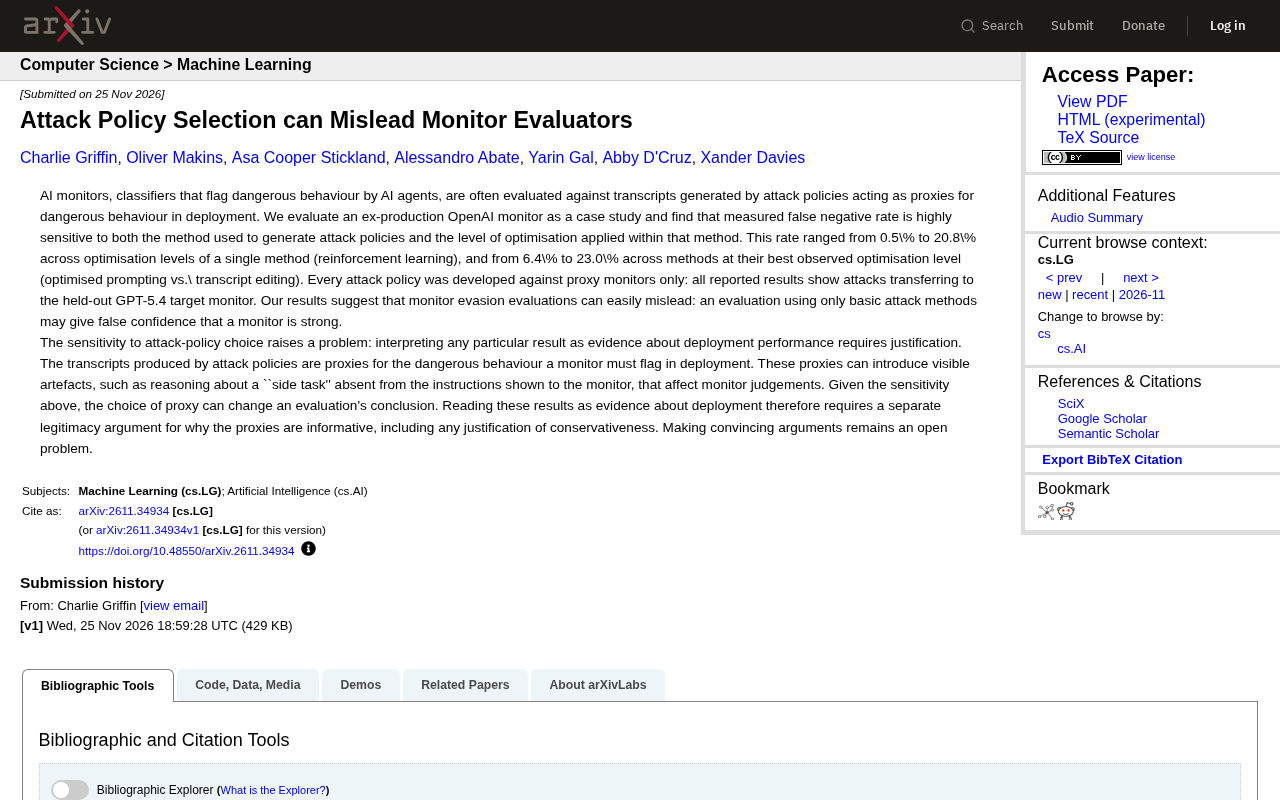
How Attack Policy Selection Can Mislead AI Monitor Evaluations
AI monitor evaluations are highly sensitive to attack policy choice; false negative rates vary widely across methods and optimization levels, and basic attacks may overestimate monitor strength and mislead deployment decisions.
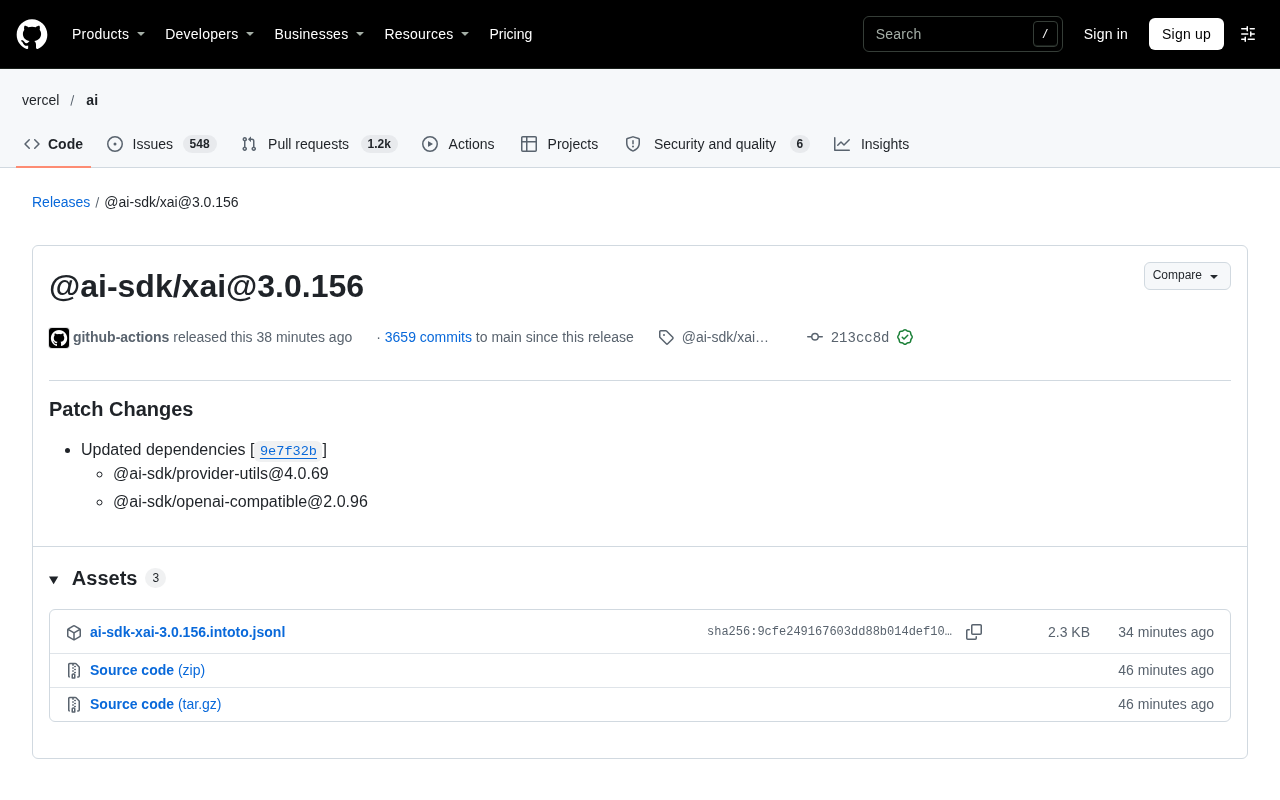
@ai-sdk/xai 3.0.156 Released: The Ecosystem Significance of Dependency Synchronization
@ai-sdk/xai 3.0.156 released as a patch update, syncing @ai-sdk/provider-utils 4.0.69 and @ai-sdk/openai-compatible 2.0.96. This article explains the ecosystem significance of dependency synchronization and upgrade advice for developers.

Vibe Coding for Absolute Beginners: Full-Stack AI Agent Development in Practice
A beginner's guide to Vibe Coding: what it is, why workflow orchestration isn't AI development, and how full-chain AI agent development, multi-platform builds, and AI-driven operations enable one-person companies.