TechCrunch Disrupt 2026 Exhibitor Deadline Countdown: A Prime Exposure Opportunity for Startups

TechCrunch Disrupt 2026 exhibitor registration closes Sept 18; the conference runs Oct 13–15.
TechCrunch Disrupt 2026 exhibitor registration closes on September 18, with only 4 days remaining. The conference runs October 13–15 and is expected to attract over 10,000 founders, investors, and tech leaders, offering startups a concentrated opportunity for fundraising, customer acquisition, and brand exposure. The article urges interested teams to act quickly and recommends defining a clear participation goal — whether fundraising, growth, or visibility — to maximize ROI within the limited time on the floor.
TechCrunch Disrupt 2026 Exhibitor Registration Window Is Closing
TechCrunch Disrupt, the landmark event in the tech and venture capital world, is entering the final stretch of exhibitor registration for its 2026 conference. According to official information, the registration deadline is September 18 — just 4 days away. For startups looking to maximize their industry visibility, this is a moment that demands swift action.
This year's Disrupt conference runs October 13–15, spanning three days. For startup teams, the event is more than a product showcase — it's a high-density environment for connecting with capital, finding partners, and building industry relationships.
An Audience of Over 10,000 Industry Insiders
Officially, this year's event is expected to draw more than 10,000 attendees, including founders, investors, operators, and tech industry leaders. That audience mix holds direct value for startups: potential investors who can write checks, prospective customers, future partners, and talent pipelines.
For early-stage projects, the ability to present in front of such a concentrated, high-quality crowd typically delivers far greater efficiency in terms of customer acquisition and fundraising than scattered day-to-day outreach. The real-time interactions on the show floor also help teams rapidly validate product positioning and gather market feedback.
Since its founding in 2011, TechCrunch Disrupt has grown into one of the most influential stages in the global startup ecosystem. Past editions have provided early exposure opportunities for several well-known unicorns — Dropbox and Yammer, among others, first entered the public spotlight through Disrupt's Startup Battlefield. Startup Battlefield is the conference's signature competition, where selected teams pitch live in front of judges, with winners receiving prize money and extensive media coverage. Beyond the competition, the conference also features Startup Alley, an exhibition area that offers more accessible booth space for early-stage teams and serves as the primary participation format for most exhibiting startups. Understanding this structure helps teams choose the most appropriate participation path based on their current stage.
How Startups Should Make the Most of This Window
With only days left before registration closes, teams interested in exhibiting need to finalize their decisions and complete the sign-up process quickly. Preparation before the event is equally critical — that includes refining booth content, preparing demo materials, and mapping out outreach strategies for target investors and potential partners.
For resource-constrained startup teams, it's worth defining a clear primary objective before attending — whether that's fundraising, customer acquisition, recruiting, or brand exposure — so you can maximize your return on investment within the limited time on the floor.
Summary
This is a time-sensitive event alert. TechCrunch Disrupt 2026 exhibitor registration closes on September 18, with the conference itself taking place October 13–15. For startups looking to leverage a major industry event for visibility and connections, the remaining window is narrow — now is the time to act.
Related articles

Complete Guide to Running Your Own Local DeepSeek: Web Access, Knowledge Base & Privacy
Step-by-step guide to deploying a private DeepSeek locally using Ollama, Chatbox, and AnythingLLM — with web access, RAG knowledge base, and full privacy.
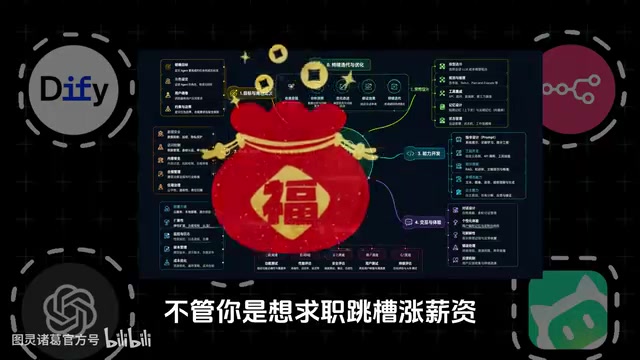
AI Agent Development: A 4-Stage Learning Roadmap from Beginner to Enterprise-Level Practice
A complete AI Agent learning roadmap from zero to enterprise-level: covering ReAct, multi-agent collaboration, Prompt tuning, RAG, MCP, and real-world projects.
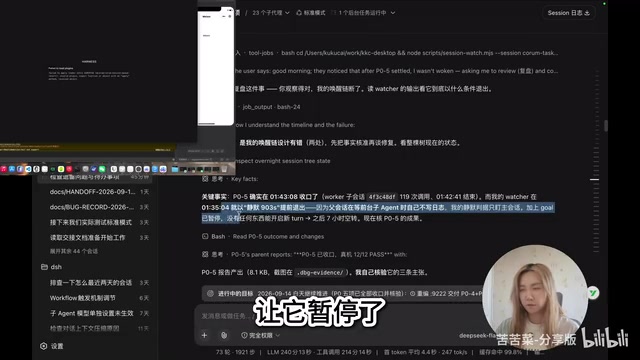
A New DeepSeek Harness Experiment: Agent Supervising Agent for Self-Evolution
A developer built an "Agent supervising Agent" self-evolution system using DeepSeek Harness, with a ledger mechanism enabling near-unattended overnight software iteration.