TechCrunch Disrupt 2026 Reveals New Wave of Startup Battlefield Judges
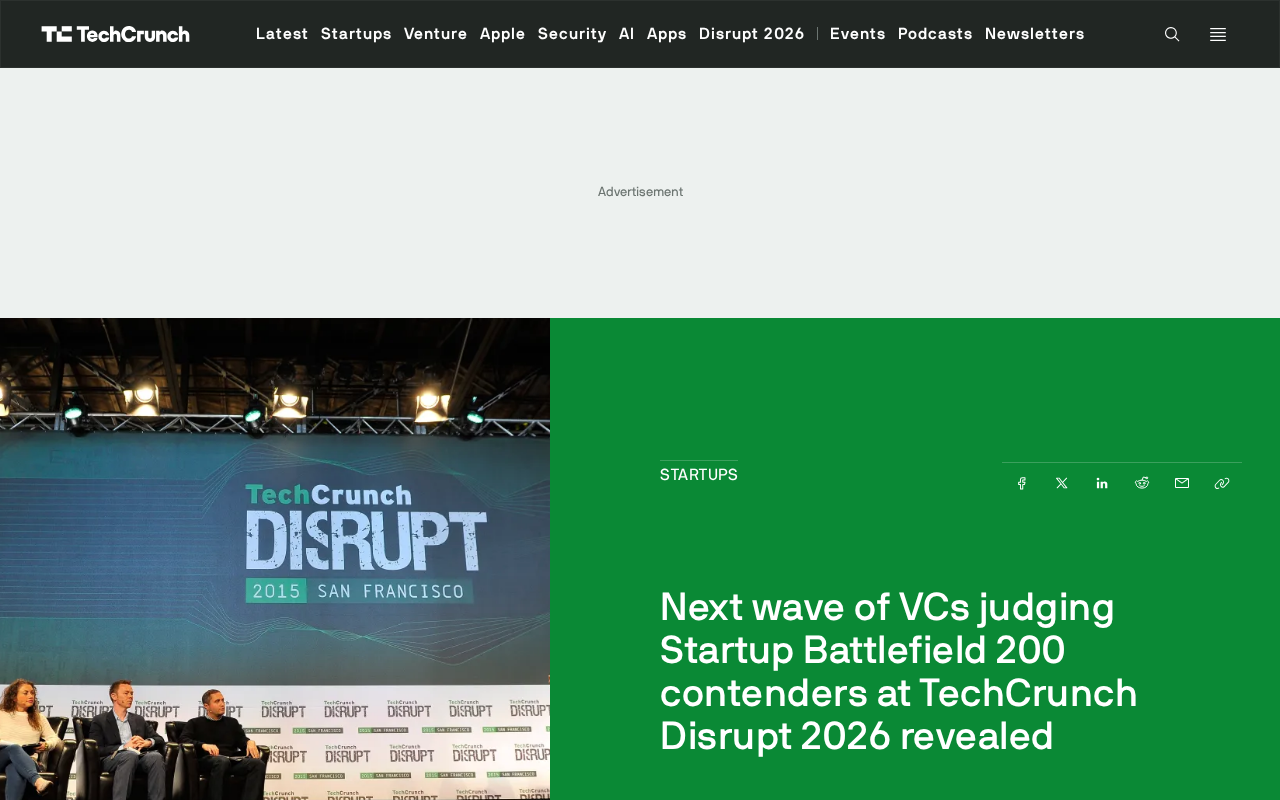
TechCrunch Disrupt 2026 adds five new top-tier VC judges to the Startup Battlefield 200 panel.
TechCrunch Disrupt 2026 has expanded its Startup Battlefield 200 judging panel with five new representatives from leading investment firms. The competition selects 200 early-stage startups from a global applicant pool for live pitches before top VCs — past participants include companies like Dropbox and Mint. The addition of high-profile judges raises the competition's stakes and gives startups a direct line to capital. Attendees can save up to $200 by registering before September 25.
TechCrunch Disrupt 2026 has announced a new cohort of top-tier venture capitalists who will serve as on-site judges for the Startup Battlefield 200 competition, adding another layer of prestige to this highly anticipated startup pitch contest. For those who follow the tech startup ecosystem, the judging panel is often a key indicator of a competition's clout.
Five New Top Investors Join the Judging Panel
According to information published by TechCrunch, five additional representatives from leading investment firms have confirmed their participation as on-site judges for this year's Startup Battlefield. As the centerpiece of TechCrunch Disrupt, Startup Battlefield has long served as a critical stage where startups compete for visibility and investor attention. The identity and background of the judges directly determine the caliber of feedback and exposure participating companies can expect.
For competing startup teams, pitching in front of such a judging panel is itself a high-value networking opportunity. The on-site commentary from top VCs not only informs competition scoring — it can also serve as the starting point for subsequent fundraising conversations.
In elite tech startup competitions, the composition of the judging panel often reflects the current focus areas of the capital markets. Startup Battlefield's past judges have included partners from iconic Silicon Valley funds such as Sequoia Capital, Andreessen Horowitz, and Kleiner Perkins, as well as representatives from corporate venture capital (CVC) arms and government-backed investment funds. Judges typically evaluate startups across five dimensions: technical feasibility, total addressable market (TAM), team background, business model sustainability, and competitive moat. Because judges represent real investment decision-making power, the challenges and advice they offer during live pitches tend to be far more direct than those in simulated competitions — making them genuinely valuable for startups refining their fundraising narrative.
What Is Startup Battlefield 200?
Startup Battlefield 200 refers to the 200 companies selected from a massive global applicant pool. Known for its rigorous selection standards and high-profile status, the competition has historically included companies that went on to become industry leaders. At its core, the event challenges startups to demonstrate their product, business model, and growth potential to professional investors and a live audience in a limited amount of time.
For the broader startup ecosystem, competitions like this serve as a bridge connecting early-stage projects with capital. The ongoing expansion and diversification of the judging panel also reflects TechCrunch's commitment to bringing in a wider range of investment perspectives, helping participating companies receive more well-rounded evaluations.
Since its founding alongside TechCrunch Disrupt in 2007, Startup Battlefield has helped launch well-known companies including Dropbox, Mint, and Yammer — some of which later went public or were acquired at multi-billion-dollar valuations. The competition is structured in two stages: the 200 selected companies first pitch in groups with a 6-minute presentation followed by Q&A, with winners advancing to the finals. The ultimate champion receives both the Disrupt Cup trophy and a $100,000 cash prize. Notably, eligibility requires companies to be no more than two years old and typically to have raised no more than $5 million, keeping the competition firmly focused on very early-stage ventures — a clear distinction from other tech summits that cater to established unicorns. This positioning makes Startup Battlefield one of the most cost-effective ways for seed and pre-Series A companies to gain direct exposure to top-tier VCs.
Early Bird Discount and Attendance Tips
TechCrunch notes that attendees who register before September 25 can save up to $200 on ticket prices. This early bird offer is available to industry professionals, investors, and entrepreneurs who want to witness the startup pitch competition in person.
For anyone planning to attend Disrupt, Startup Battlefield is a must-see. Whether you're an investor scouting for deals or an observer looking to keep a pulse on the latest startup trends, watching top-tier projects interact directly with investors on stage offers substantial real-world insight.
Takeaway
This latest judge announcement marks a milestone in the TechCrunch Disrupt 2026 event preparation process. While the current disclosure focuses primarily on the updated judging roster and ticket pricing, it signals that this long-running tech startup competition continues to attract high-quality investment talent. Interested readers can follow TechCrunch's official channels for the full list of judges and additional event details.
Related articles

AI Agent Developer Job Hunt Guide: Four Hard Standards to Clear Before You Apply
A practical guide for landing AI Agent developer roles: four measurable standards — project runs, problems debuggable, solution explainable, interviews survivable.
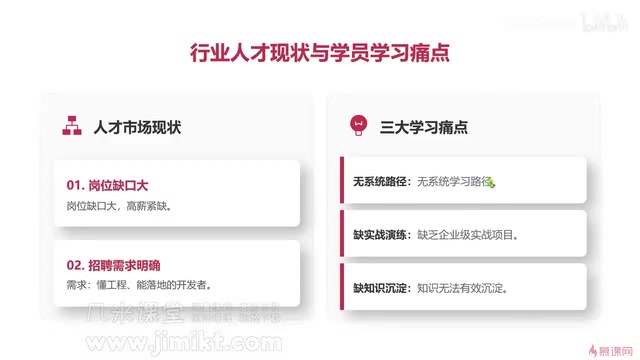
Multi-Agent Development Guide: From Monolithic AI to Team Collaboration in Practice
A beginner's guide to multi-agent development covering core advantages, common learning pain points, enterprise tech stacks, and engineering methodology for AI developers.
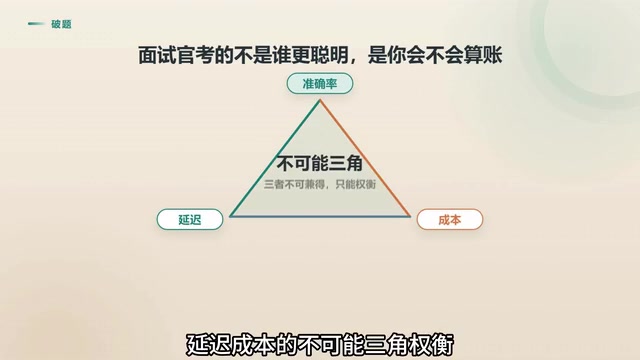
Agent Skill Routing: Retrieval vs. LLM vs. Two-Stage Architecture Compared
Retrieval or LLM for Agent skill routing? Compare coarse-filter vs. fine-select architectures on latency, accuracy, and cost — with 4 key production considerations.