Temporal Raises $550M at $12.55B Valuation
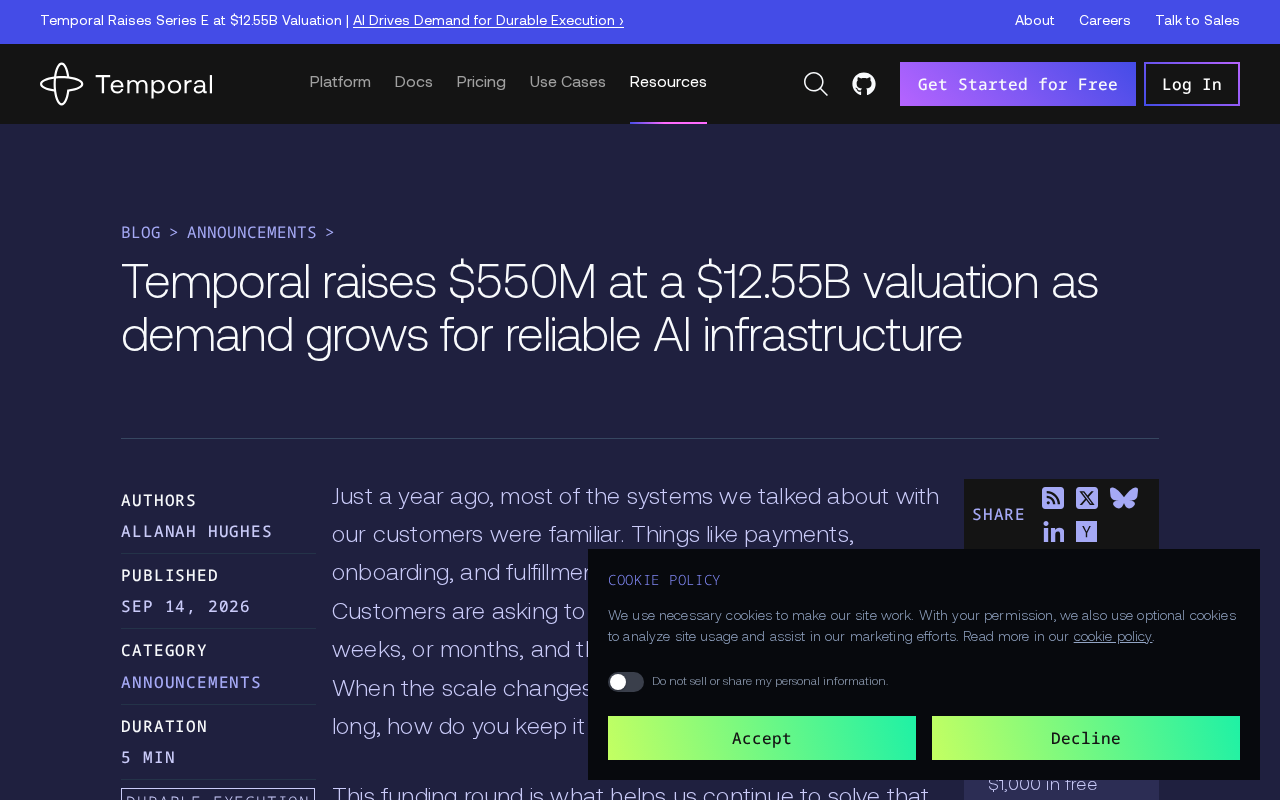
Temporal's $550M raise at $12.55B validates durable execution infrastructure in the AI era.
Workflow orchestration platform Temporal has closed a $550 million funding round at a $12.55 billion valuation. Its core product is an open-source durable execution engine that lets distributed workflows automatically resume from the point of failure after a crash or network outage, fundamentally simplifying fault tolerance, retries, and state management in microservices architectures. Three forces drive the high valuation: the growing need for cross-service orchestration as microservices proliferate; the rise of AI agents and multi-step LLM workflows creating new demand for durable execution; and a proven open-core plus managed cloud business model. The round is a landmark for the infrastructure sector, reflecting sustained investor conviction in the "picks and shovels" logic as the AI application wave accelerates.
What Temporal's Massive Funding Round Really Means
The developer tools and infrastructure space has another major headline: workflow orchestration platform Temporal has closed a $550 million funding round at a valuation of $12.55 billion. For a company focused on backend reliability and distributed systems, this valuation reflects sustained investor confidence in the underlying infrastructure sector.
A quick note: this article is based on a brief Hacker News post with limited original detail. The analysis below draws on publicly available background to examine Temporal's positioning and value proposition.
The Core Problem Temporal Solves
At its heart, Temporal is an open-source Durable Execution engine. In traditional distributed systems development, engineers must deal with a long list of error-prone concerns: retrying failed tasks, persisting state, handling timeouts, and coordinating transactions across services. This logic tends to scatter throughout business code, making it hard to maintain and prone to data inconsistencies when systems crash or networks fluctuate.
Temporal's approach abstracts "workflows" into persistable, resumable units of code execution. Even if a process crashes or a machine goes down, the workflow's execution state is fully preserved and can resume from exactly where it left off. This lets developers write long-running business processes with natural fault tolerance using code that looks almost like ordinary application logic.
Why Investors Are Willing to Pay a $12B+ Valuation
The $12.55 billion valuation is underpinned by several converging trends.
The Rise of Microservices and Distributed Architecture
As enterprise systems grow more complex, microservices architectures have become mainstream — and with them, the challenges of cross-service coordination and reliability have intensified. Temporal's durable execution capabilities address exactly this pain point, which forms the foundation of its market opportunity.
New Demand from AI Applications
The recent surge in AI agents and multi-step LLM workflows has opened a new growth vector for tools like Temporal. AI applications frequently involve long-running processes that make multiple external API calls and may fail and retry mid-execution — precisely the use case a durable execution engine is built for. More and more AI infrastructure teams are adopting Temporal to orchestrate agent execution pipelines.
A Proven Path from Open Source to Commercialization
Temporal operates on an open-core plus managed cloud model. The open-source project has built a broad developer base and earned community trust, while hosted services like Temporal Cloud provide a clear monetization path. This model has been validated repeatedly among infrastructure companies in recent years.
What Community Sentiment Reveals
Notably, the Hacker News discussion around this announcement was relatively muted (23 points, 5 comments), which may reflect the developer community's growing nonchalance toward large infrastructure funding rounds. Unlike consumer products that generate viral attention, workflow orchestration tools live deeper in the stack — their value accumulates through sustained engineering use rather than short-term buzz.
For evaluating companies like this, more meaningful signals are production adoption at scale, enterprise customer renewal rates, and cloud revenue growth — none of which were disclosed in the brief funding announcement.
Implications for Developers and the Industry
This funding round sends at least two signals. First, even as attention around general-purpose large language models remains intense, the infrastructure that powers those applications is attracting serious capital — the "picks and shovels" thesis holds just as true in the AI era. Second, reliability and engineering quality are reasserting themselves as core criteria in technology decisions, and developer appetite for tools that simplify fault tolerance and reduce distributed systems complexity remains strong.
For teams building complex backends or AI agent systems, Temporal's continued growth means this category of tooling will have stronger ecosystem support and more robust commercial backing — well worth considering in your technology stack.
Conclusion
Temporal's $550 million raise at a $12.55 billion valuation is a landmark moment for the infrastructure sector. It validates the market for distributed systems reliability tooling and reflects the surging demand from the AI application wave for robust orchestration capabilities at the infrastructure layer. Given the limited information available, details around the specific use of funds, investor composition, and business metrics still await official disclosure.
Related articles
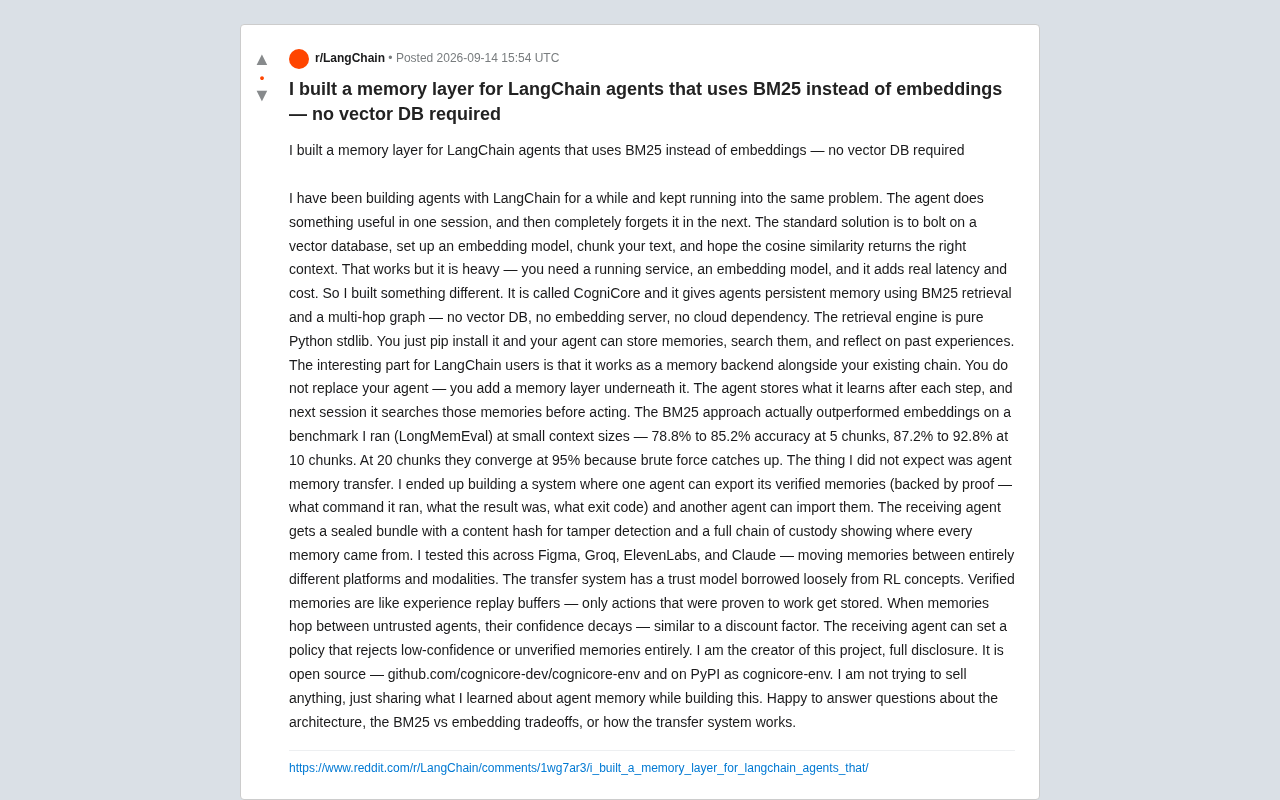
Ditch the Vector Database: Building a Memory Layer for LangChain Agents with BM25
CogniCore replaces vector databases with BM25 retrieval for LangChain agent memory, outperforming embeddings in small-context benchmarks with zero external dependencies.
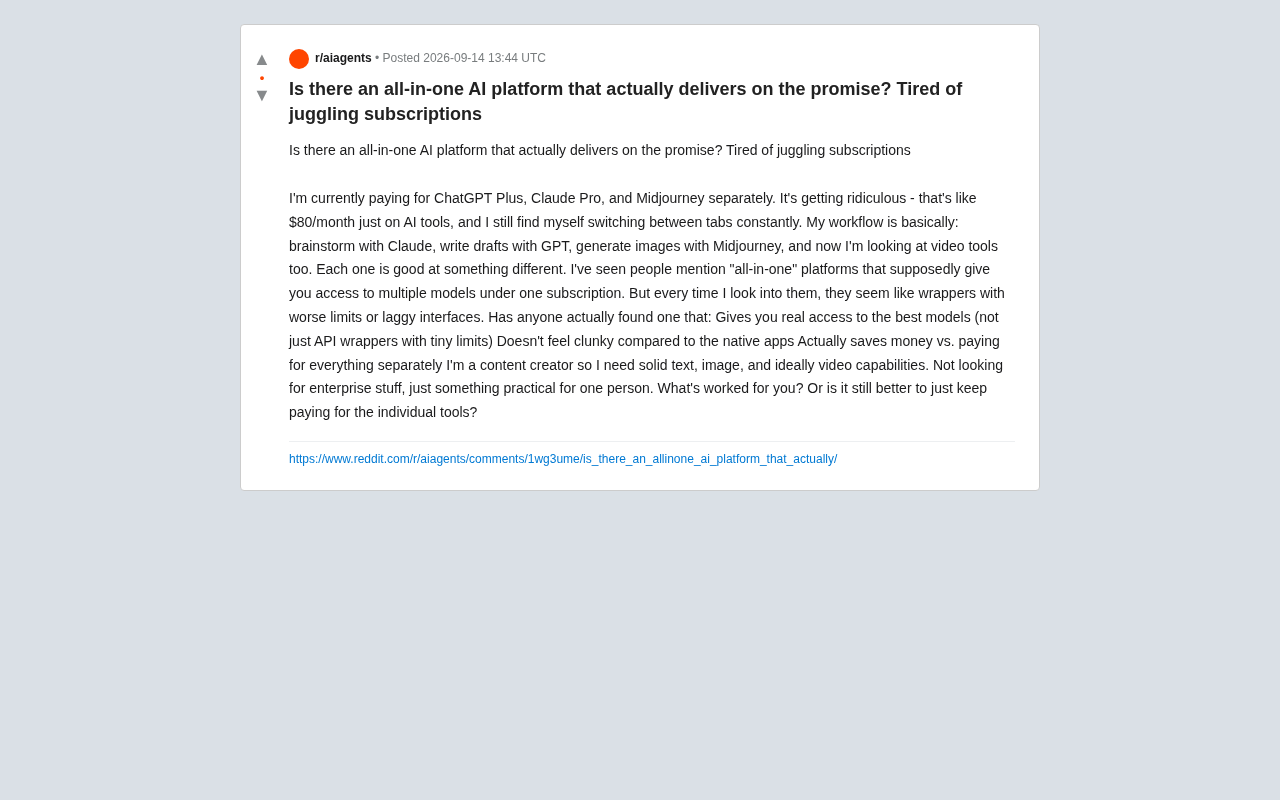
Are All-in-One AI Platforms Actually Worth It? A Practical Guide to Escaping Subscription Overload
Tired of paying for ChatGPT, Claude, and Midjourney separately? We break down whether all-in-one AI platforms are actually worth it — and what a smarter subscription stack looks like.
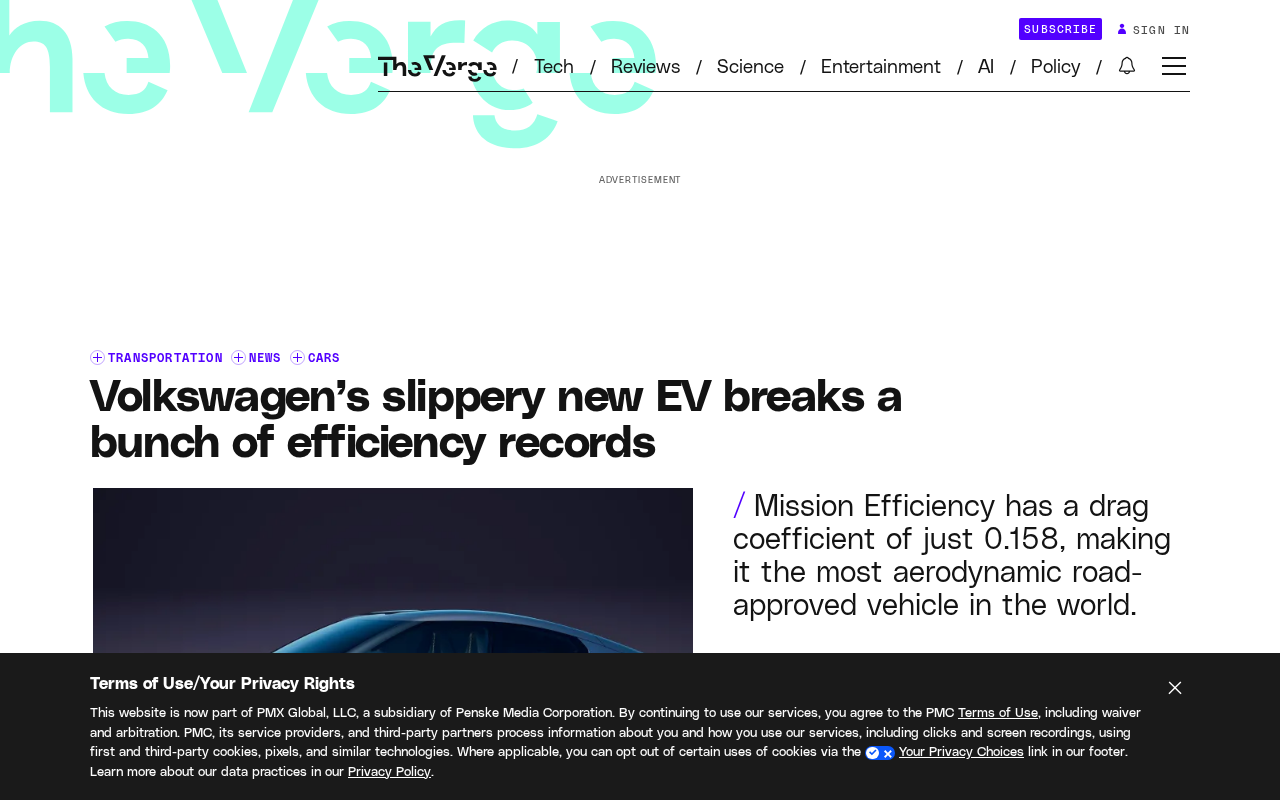
Volkswagen Mission Efficiency: The World's Lowest-Drag EV Breaks Multiple Efficiency Records
Volkswagen's Mission Efficiency prototype claims the world's lowest drag coefficient, built on MEB+ platform with ID. Polo and ID. Cross components. Here's what it means for EV efficiency.